Ever tried to lock a drawer, only to realize the key barely catches—or worse, the lock feels like it could pop open with a tug? That tiny moment of doubt shows why cam locks matter more than most people think.
At Fornd, cam locks aren’t just another hardware part. They’re tested, documented, and designed to actually match real-world needs—from office desks to vending machines to outdoor telecom boxes.
In this guide, we’ll break down what a cam lock is, explain how different sizes work, show you how to measure properly, and even line up Fornd’s own models so you can see which ones fit your project. By the end, you’ll know exactly which size makes sense for your cabinet, and how to avoid the usual trial-and-error.
What Is a Cam Lock?
Before we get into sizes, let’s nail down what a cam lock actually is. It’s one of those things you’ve seen a hundred times but never really thought about.
The body
The body is basically the tube part that slides into your cabinet wall. Nothing fancy—it’s just the chunk of metal that everything else hangs on. But if it’s the wrong length, you’ll feel it right away. It’s the piece that makes the whole lock feel “right” in your hand.
The Cam Or Latch: The Bit That Does The Locking
This is the little arm at the back. Turn the key, and it swings around like a tiny gate bar. When it catches the frame, the door stays shut; when it swings free, the door pops open. Simple, but it’s the muscle of the whole setup.
The Actuator: The Part You Touch
This is the “front end”—the bit you actually use. It could be a keyhole, a knob, or even a keypad. You turn or press it, and that motion gets passed down to the cam. It’s the part that makes the lock feel smooth… or annoying, if it’s a cheap one.
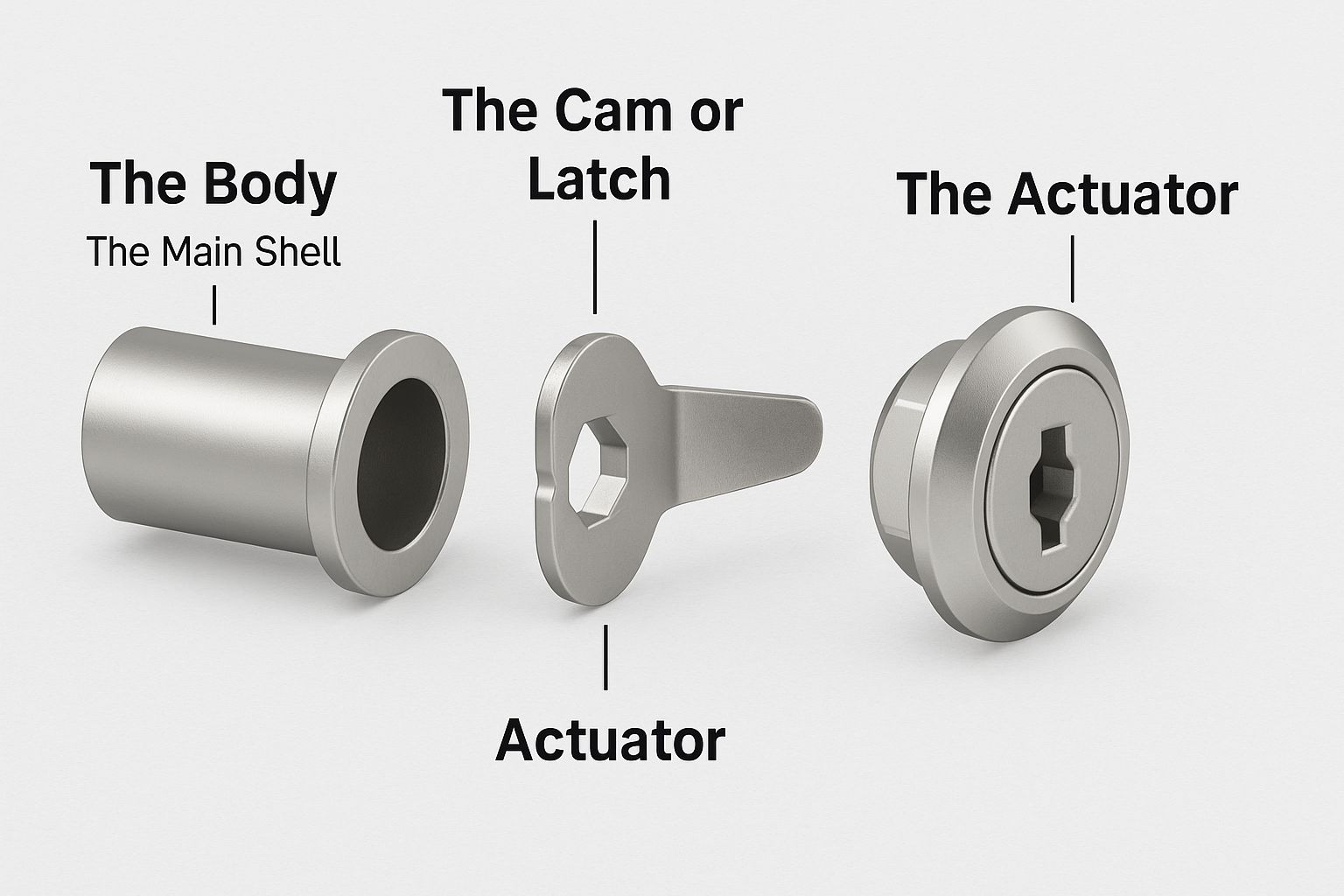 The Actuator- The Part You Touch
Put together, these three pieces make cam locks easy to use and surprisingly versatile—from office desks and lockers to vending machines and outdoor gear boxes.
Are All Cam Locks The Same Size?
Cam locks come in different cylinder lengths to fit cabinets with different panel thicknesses. The trick is matching the lock to the job—too short and the cam won’t catch, too long and it sticks out or feels loose.
Here are the most common sizes you’ll run into:
• 5/8″ Locks — good for thin panels, usually up to about 3/8″. Think mailboxes, filing drawers, or lightweight office furniture.
• 7/8″ Locks — are solid middle ground, often used on desks and medium-thickness cabinets (up to about 5/8″).
• 1-1/8″ Locks — built for thicker panels, often up to 7/8″. You’ll see these in vending machines, lockers, or server racks.
• 1-3/8″ And Larger — less common, but made for heavy-duty enclosures and industrial boxes where doors are much thicker.
These numbers all refer to the cylinder length—the part of the body that passes through the cabinet wall. Get this wrong, and even the toughest lock won’t do its job. Get it right, and the lock feels smooth, secure, and built to last.
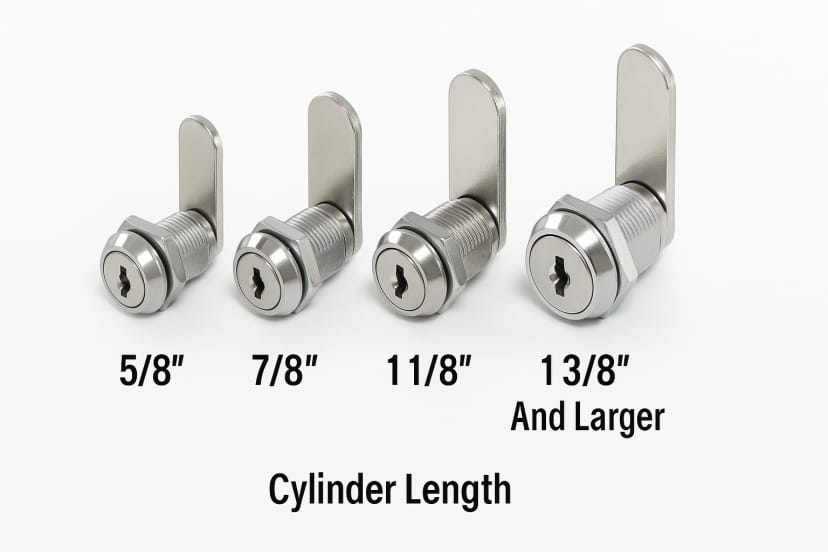 cylinder length
How Do You Measure Cam Lock Size?
Measuring a cam lock isn’t rocket science—you just need to check a few spots so you don’t end up with the wrong part. Here’s the quick way to do it:
Step 1: Check The Cylinder Length
Look at the tube part that slides into the cabinet. Measure from the front face (where the key goes in) to the very back. That’s the main number you need.
Step 2: Match It To Your Panel Thickness
If your cabinet wall is thinner than the cylinder, the lock will stick out. If it’s thicker, the cam won’t even reach. So line the two up.
Step 3: Look At The Cam Arm
That little flat arm on the back needs to reach the frame but not bang into the wall.
Step 4: Double-Check The Hole Size
Most cam locks drop into a 16 mm or 19 mm hole. Grab a ruler and confirm before you drill—saves you from patching ugly mistakes later.
Where Does Fornd Fit In?
Now that you know cam locks aren’t one-size-fits-all, let’s look at real solutions.
Before buying a replacement, you’ll need to measure your old lock’s cylinder length, cam shape, backset, and keyhole size—but matching these specs to the right product can be frustrating.
Cam locks come in multiple types, each designed for specific security needs and furniture applications. Finding one that actually fits your project without guesswork.
Fornd makes a wide range of cam locks with clear specs, so you can actually match the lock to your project without guessing.
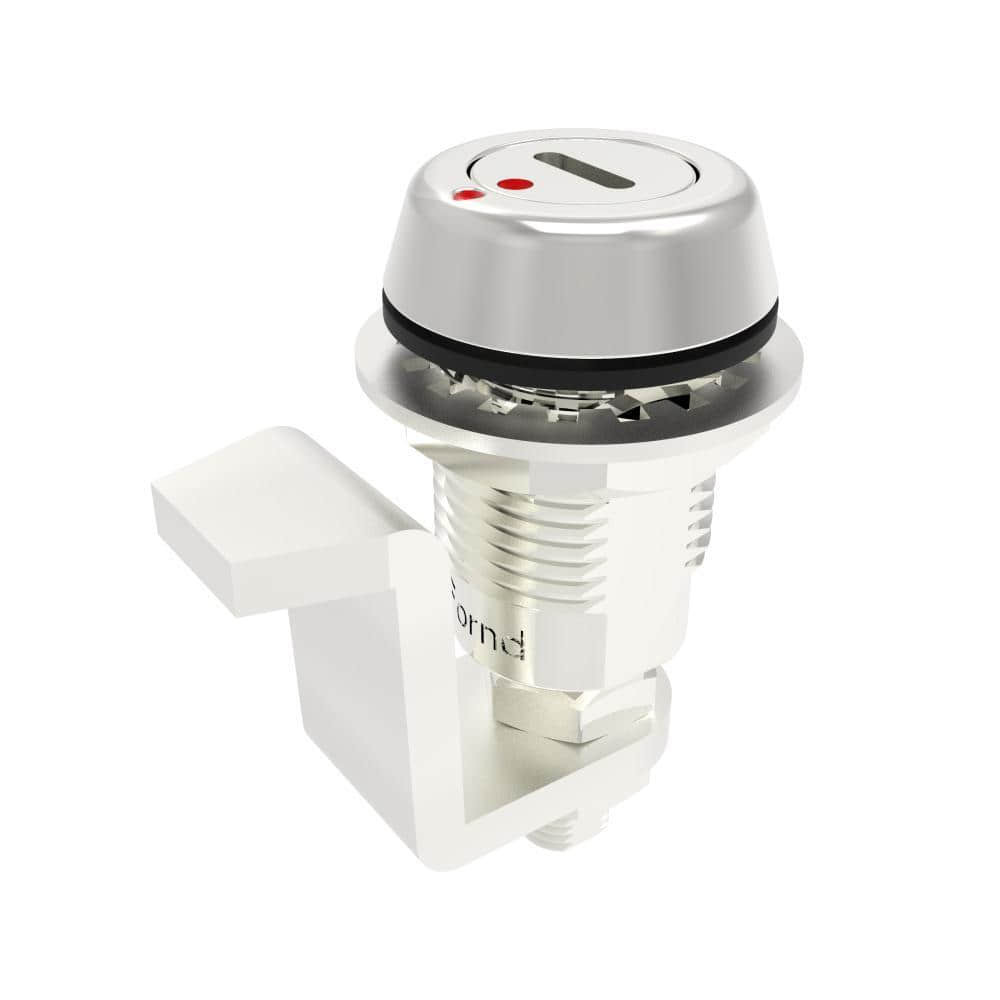
Image | Product Code | Product Name | Key Features | Link |
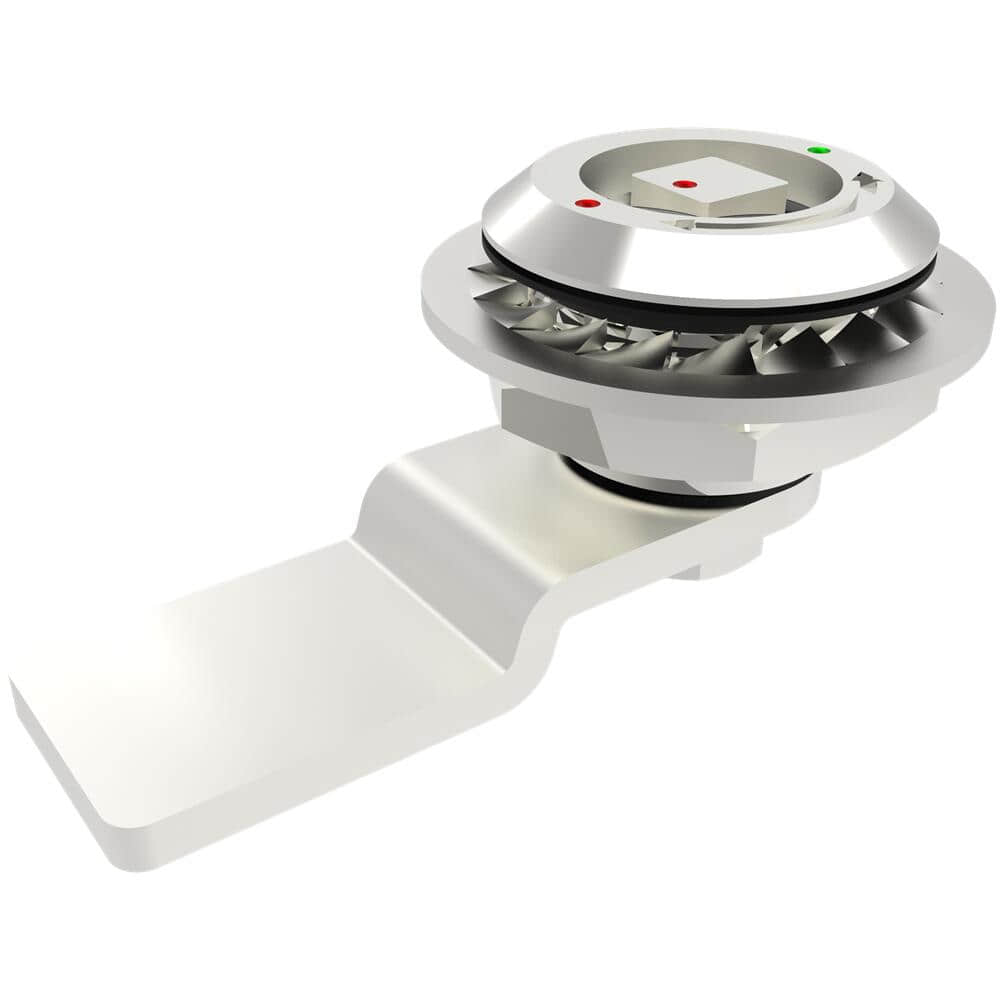
| D1-1401-013-30 | Classic Tool Locking Quarter-Turn | Compact, IP65-sealed, chrome-plated zinc alloy | https://fornd.com/product/classic-tool-locking-d1-1401-013-30 |
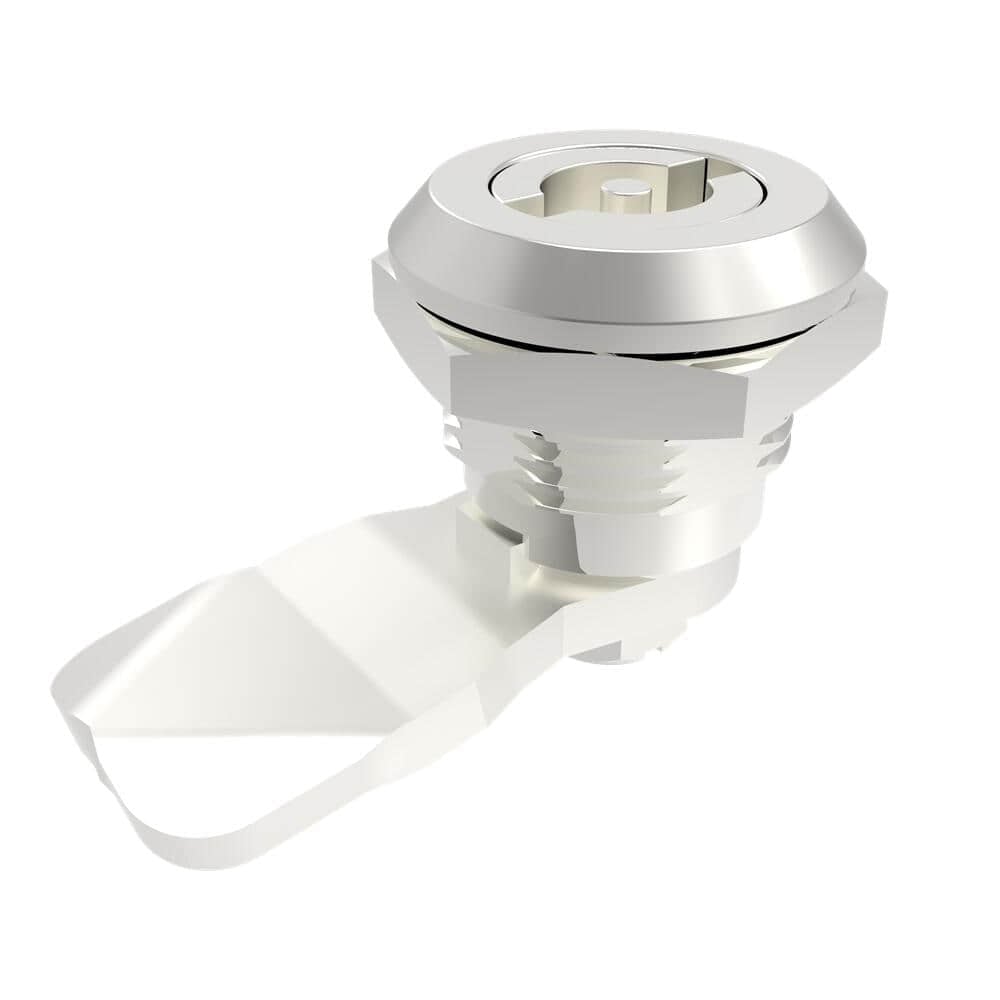
| D1-1411-237-30 | Triangle Quarter-Turn Cam Latch | 7 mm triangular key slot, bright chrome finish | https://fornd.com/product/classic-tool-locking-d1-1411-237-30 |
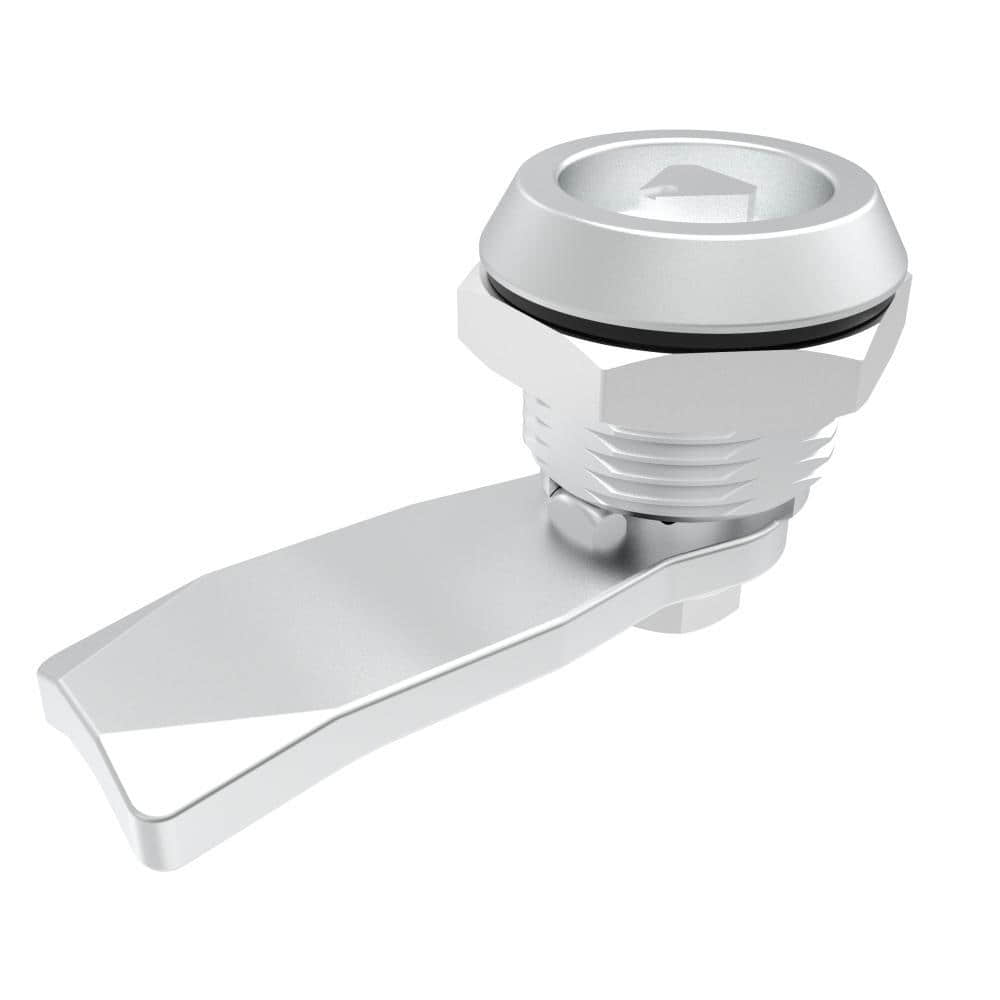
| D1-1401-013-A1 | Square Cylinder Quarter-Turn Lock | Stainless steel, IP65, industrial-grade durability | https://fornd.com/product/classic-tool-locking-d1-1401-013-a1 |
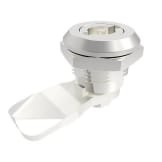
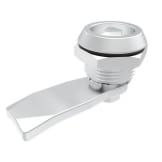
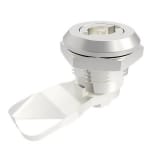
These examples show how Fornd covers everything from simple tool locks to specialized triangular and square-key systems. Whatever cabinet you’re dealing with, there’s likely a Fornd model designed to fit.
How Do Different Cam Lock Sizes Compare?
Not every cam lock is built for the same job. The size you pick decides how secure it feels, what kind of cabinet it suits, and even how easy it is to install. Here’s a breakdown of the common sizes, with their usual uses and what to expect from each:
Size | Best For | Security Level | Pros | Cons |
5/8″ | Mailboxes, filing drawers, small furniture | Basic | Cheap, tiny, and goes in almost anywhere | Doesn’t stop anyone determined; only good for thin panels |
7/8″ | Office desks, everyday cabinets, toolboxes | Medium | Feels sturdier, fits most “average” cabinets, good all-rounder | Not enough muscle if you’re locking up expensive gear |
1-1/8″ | Lockers, vending machines, server racks | High | Solid feel, the cam grabs deeper, much harder to wiggle open | Bulkier, needs careful measuring to fit right |
1-3/8″+ | Outdoor telecom boxes, industrial cabinets | Very High | Tough build, often weather-proof, built to last years | More pricey, harder to install, definitely overkill for a snack drawer |
Small locks are fine if you just want to keep things neat. Medium ones cover most day-to-day storage. Bigger sizes step in when real security matters. Match the size to what you’re actually protecting, and you’ll avoid a lot of frustration.
What Else Determines Cam Lock Security?
Size matters, sure—but it’s not the only thing that decides how safe a cam lock really is. A few other factors play just as big a role:
Material Strength
The metal makes a huge difference. Zinc is light and cheap, but not the toughest. Steel gives you more strength against bending. Stainless steel? That’s the tank of the bunch—great if the lock has to live outdoors and fight off rust.
Cam Shape And Fit
The little arm at the back isn’t always the same. Some are straight, some are offset or angled. The tighter it fits against the frame, the harder it is to force the door open. A sloppy fit means easier prying.
Lock Core Design
Not all keyholes are equal. Flat keys are quick and common, but easier to pick. Special shapes—like triangular or square keyways—make life harder for anyone trying to tamper with the lock. That’s why you’ll often see them on industrial or utility cabinets.
Size gets you halfway there, but if you also pay attention to what the lock is made of, how the cam sits, and how the keyway is designed, you’ll end up with a cam lock that actually keeps your stuff safe.
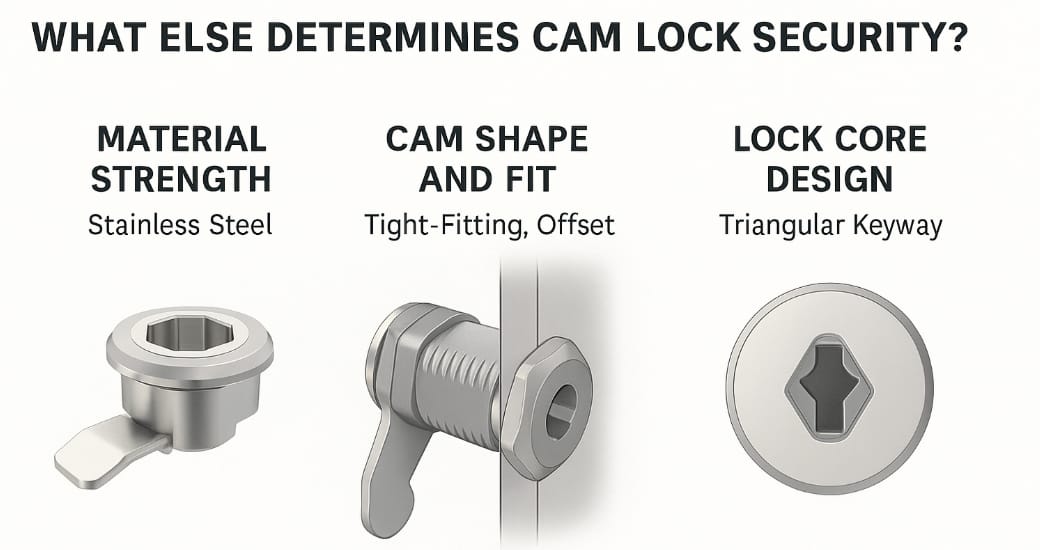 what else determines cam lock securiy
FAQs About Cam Locks
Are All Cam Locks The Same Size?
No. They come in different lengths and shapes. One size won’t fit every cabinet, so grab a tape measure before you order.
Can I Replace A Lock Without Re-Drilling?
Usually, yes. If your cabinet already has a standard 16 mm or 19 mm hole, most new cam locks will drop right in. Just make sure the cylinder length matches your panel.
What If I Lose The Key?
It happens. Some brands (Fornd included) can supply replacement keys or even sets keyed alike so you don’t juggle a bunch of spares. For shared spots, combo or RFID locks can save the drama.
You’ve seen the basics, the sizes, and where each lock shines. Now it’s time to stop guessing and get the right one for your project. Click at https://fornd.com/search/cam, pick the model that fits your cabinet, and place your order today.