
Ever tried replacing a lock and realized halfway through that the new one doesn’t fit? It’s one of the most frustrating DIY or maintenance moments—and it almost always comes down to bad measurements. A mortice lock is built to sit inside a cut-out in the door rather than being fixed on the surface. Once fitted, the only part you usually see is the latch or bolt. Mortice locks look simple, but getting the size right is what makes the difference between a door that works smoothly and one that refuses to close.
In this guide, we’ll break down the key mortice lock measurements in plain language—backset, case depth, centres, and forend—so you know exactly what to look for. We’ll also walk through step-by-step measuring, explain the difference between sash locks and deadlocks, and show the most common sizes you’ll run into.
To keep it practical, we’ve added real product examples from Fornd, a supplier that makes specs easy to read and gives engineers the info they actually need. By the time you finish this guide, you’ll have a simple checklist to work from—so measuring, picking, and fitting the right mortice lock feels straightforward.
What Are the Key Mortice Lock Measurements?
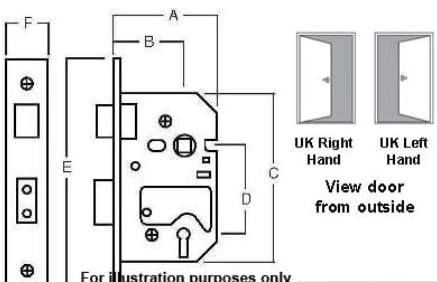
Before you choose a mortice lock, it helps to know the main measurements. These numbers decide whether the lock will sit securely in the door cut-out, line up with your handles, and work smoothly. Get them wrong, and even the best lock won’t fit.
Backset
This is the distance from the edge of the faceplate (forend) to the center of the handle spindle or the keyhole/cylinder. In simple terms, it’s how far the handle or keyhole sits from the edge of the door.
Centres (PZ)
Centres is the distance between the spindle (the square hole for the handle bar) and the keyhole or cylinder.
Case Size (Depth, Height, Width)
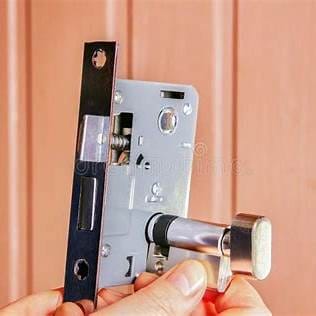
The case is the box-shaped body of the lock that sits inside the door. Depth shows how far it goes into the door, while height and width matter when you’re replacing an old lock.
Forend Plate
The forend (faceplate) is the strip of metal you see on the edge of the door. Both its height and width need to line up with the existing slot in the door.
Bolt or Latch Throw
The throw is how far the latch or deadbolt sticks out when it’s fully extended. If it’s too short, the door won’t lock securely. If it’s too long, it can jam against the strike plate.
Follower Size & Door Thickness
The follower is the square hole that takes the handle spindle—most modern ones are 8 mm, but some locks differ. At the same time, check the thickness of your door.
How Do You Measure a Mortice Lock Step by Step?
Measuring isn’t hard, but doing it in the right order saves mistakes. The lock, handle, and cylinder all need to suit that door thickness to work properly. Here’s a simple way to go about it:
Measure the Backset
Start at the door edge. Put your ruler flat against the faceplate and look for the center of the spindle hole—that’s your Spindle Backset. If there’s also a keyhole or cylinder, measure again to its center for the Cylinder Backset. Write both down. This is the number most people trip up on, so it’s worth double-checking.
Measure the Centres (PZ)
Now check the distance between the spindle and the keyhole. Just go center to center in a straight line. This is what makes sure the handle lines up neatly with the lock. If this one’s off, no amount of fiddling will get the handle to sit right.
Measure the Lock Case
If you can take the lock out, do it—it makes life easier. Measure how deep it goes back from the faceplate, how tall the box is, and how thick. These numbers simply tell you whether the body of the lock will actually slot into your door without wobbling around or needing you to carve out more timber.
Measure the Forend Plate
Look at the strip of metal on the door edge. Note its length and width, and whether the corners are square or rounded. Get this wrong and you’ll end up with ugly gaps—or worse, having to chisel more out of the door you were hoping not to touch.
Measure the Bolt or Latch Throw
Turn the key or push the handle so the latch or bolt sticks out. Measure from the flat faceplate to the very tip. That’s the throw. Too short and the door barely holds shut; too long and it scrapes or jams in the strike plate. You want it just right so the door clicks home smoothly.
Measure the Follower and Door Thickness
Last one—look at the square hole that takes the handle spindle. Most are 8 mm, but it’s worth confirming. Then measure how thick your door is where the lock goes. Both checks make sure the lock and handle you pick will actually work with the door you’ve got, instead of leaving you with parts that don’t quite meet.
Once you’ve got all these numbers—and maybe a few photos—you’re set. With the backset, centres, case, forend, throw, and follower all noted down, you can order a new lock knowing it’ll slot in properly without nasty surprises.
What Is the Difference Between a Sash Lock and a Deadlock?
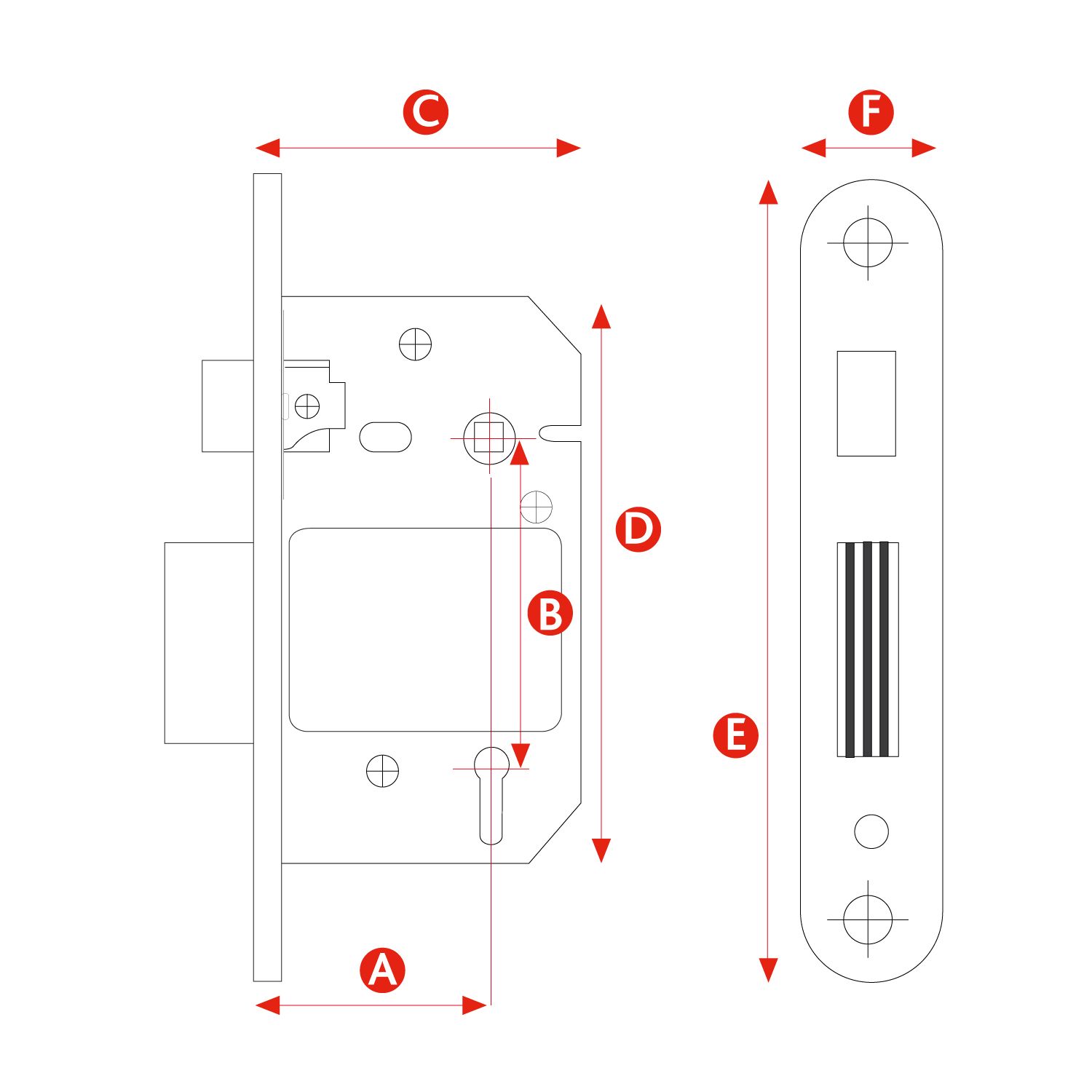
When measuring, sash locks add the spindle measurement into the mix, while deadlocks don’t. That’s why guides often separate the two—less chance of confusion.
Feature | Sash Lock | Deadlock |
Components | Has both a latch and a bolt. The latch works with a handle, and the bolt locks with a key. | Only has a bolt. Lock and unlock are done with a key. |
Ease of Use | Door can close on the latch without using a key—handy for everyday traffic. | Requires key every time to secure; no latch for quick closing. |
Typical Use | Interior and exterior doors where you want both convenience and security. | Often used on external doors or secondary security points where full locking is the priority. |
Measuring Notes | Includes spindle measurement (for the handle) along with backset and case depth. | Simpler to measure—no spindle involved, just bolt and case size. |
Security Level | Provides security plus convenience, but latch may be forced if not combined with a strong bolt. | Purely security-focused; stronger bolt engagement but less convenient. |
What Are the Common Mortice Lock Sizes for Doors?
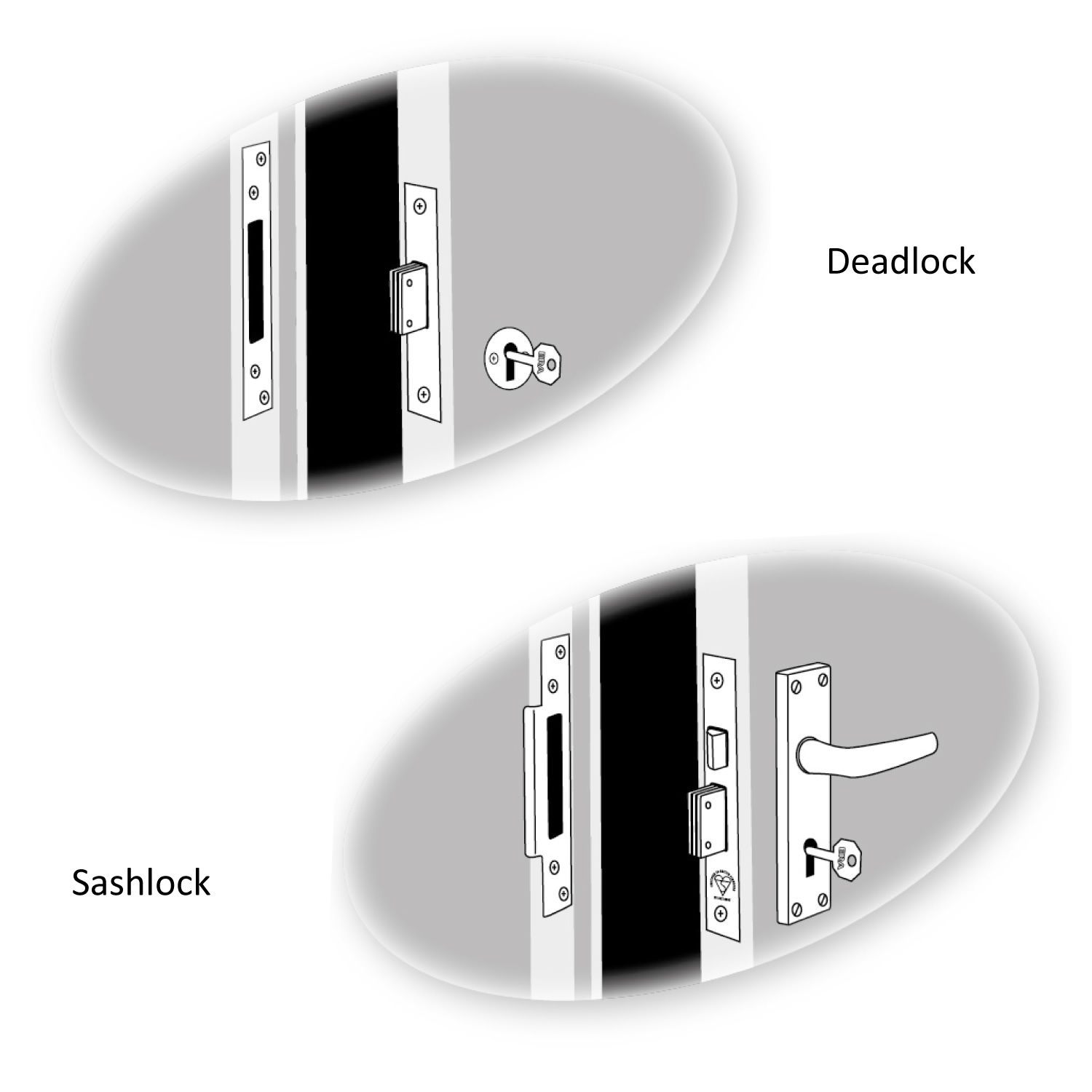
Common mortice lock sizes of case depth are 64mm (2.5") and 76mm (3") for residential use, while larger options like 102mm (4") are typically used in commercial settings.
Measurement | Typical Sizes | Notes |
Backset | 44mm, 57mm, 60mm | Decides how far the lock sits into the door (UK/EU common). |
Case Depth | 64mm, 76mm, 80mm | Full depth of the lock body must match door thickness. |
Centres (PZ) | 57mm, 72mm | Distance between spindle and keyhole; check carefully for handle alignment. |
In Europe, many of these dimensions are based on DIN/EN standards.
What Door Factors Should You Consider Before Choosing a Mortice Lock?
Door Thickness
This is often overlooked, but it’s critical. As Fornd highlights in its latch guide, the lock body has to match the door thickness—otherwise you’ll end up with handles or cylinders sticking out.
Door Use
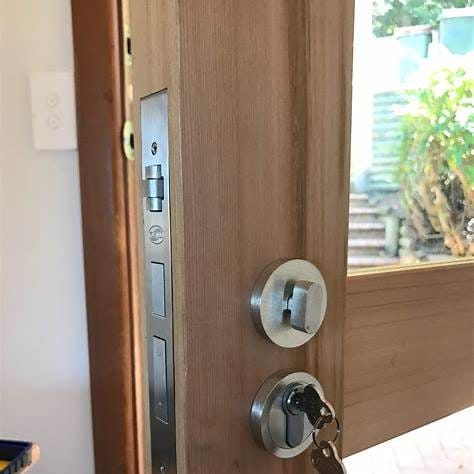
Interior doors can get away with lighter-duty locks, while entrance doors usually need locks that meet standards like BS3621. Mortise locks are mostly suitable for wooden doors. You cannot install them on uPVC or composite doors.
Safety and Regulations
In commercial or public buildings, fire-rated or escape-compliant locks may be mandatory. For entrance doors in the UK, many insurers even require locks that meet BS3621 (British Standards Institution). Always check codes before ordering.
What Mistakes Do People Often Make When Measuring Mortice Locks?
Guessing Instead of Measuring
People assume “standard size” means all locks fit. In reality, even a 2–3 mm difference can stop the lock from sitting right.
Confusing Backset With Case Depth
Backset is from the door edge to the spindle; case depth is the full body of the lock. Mixing these up is the #1 mistake beginners make.
Ignoring Door Factors
Even if the lock size is right, forgetting door thickness or forend plate size can leave you chiseling extra wood—or worse, with a lock you can’t use.
Not Removing the Old Lock Before Measuring
Trying to measure while the lock is still in the door often gives the wrong numbers. Taking it out takes a bit more time, but it’s the only way to be accurate.
Forgetting About Handle and Keyhole Alignment
A lock might fit the door body but leave the handle or cylinder off-center. If spindle and keyhole centres don’t line up, the door will never feel right.
Contact Fornd and Get Samples
The following Fornd products highlight the same rule: precise measurements are everything. Even being a few millimeters off can be the difference between a lock that drops into place and one that refuses to fit at all.
Product Image | Product Name | Key Features | Link |
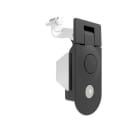
| A-1445-345-1-40 Sealed Lever Compression Lock | IP65 sealed, dust cover, precise cutout size for installation
| https://fornd.com/product/sealed-lever-latch-a-1445-345-1-40?utm_source |
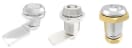
| Key Locking Quarter-Turn Cam Lock | 90° turn lock, sizing depends on backset and panel cutout | |
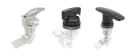
| Compression Lock With Handle | Stainless steel, designed for various door thicknesses | https://fornd.com/category/stainless-steel-compression-latches-with-handle--locks-for-doors |
Measuring a mortice lock sounds fussy, but it saves a lot of trouble later. With a ruler, a steady hand, and the right checklist, you’ll know exactly which lock to order. And as Fornd’s own product range shows, precise measurements are the difference between hardware that just works and hardware that ends up in the scrap bin.
Got your measurements sorted? Perfect. Now it’s time to put them to use. Head over to https://fornd.com/ and check out their range of locks and latches. You can compare specs, pick the size that matches your door, and place your order right away.
What Are Frequent Asked Questions About Mortice Locks?
Q1: How do I know if I need a sash lock or a deadlock?
Think about how you use the door. If you want a handle that lets the door close without a key, go with a sash lock. If you only care about locking securely with a key, a deadlock does the job.
Q2: What’s the most important measurement when buying a mortice lock?
Backset. If that number’s wrong, the lock just won’t sit right in the door. Always measure it carefully instead of guessing.
Q3: Are there standard sizes I can rely on?
Yes—most common sizes in Europe follow DIN/EN standards, and in the UK, insurers often require locks that meet BS3621. But don’t assume—always check your own door.
Q4: Do I really need to take the old lock out to measure?
It’s worth it. Measuring while the lock’s still in the door usually gives the wrong numbers. Pull it out once, measure properly, and you won’t waste money on the wrong replacement.