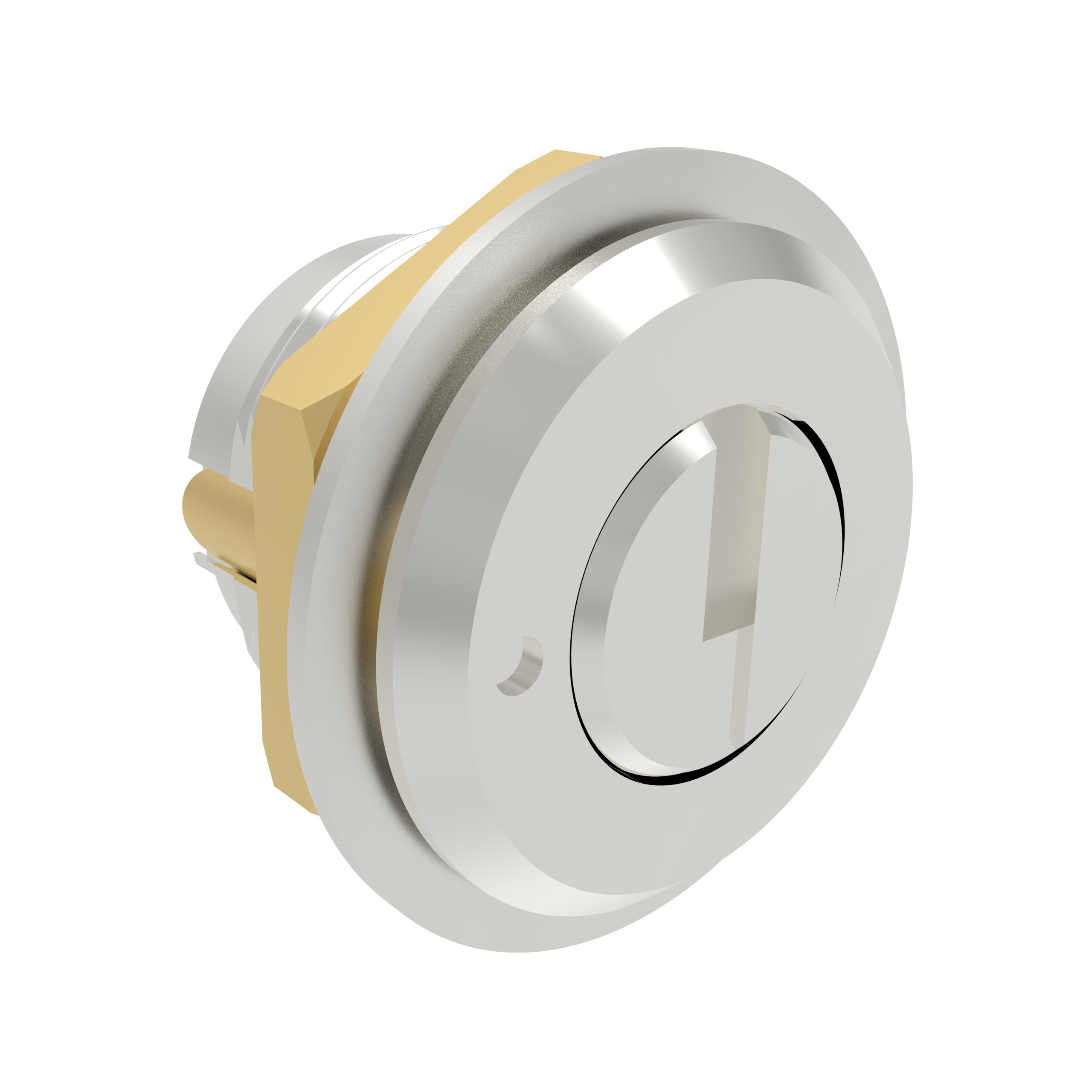
Ever tried closing a cabinet and felt that tiny doubt—is this thing really locked, or could someone just yank it open? Truth is, the lock you pick decides everything. The right one feels smooth, keeps your stuff safe. The wrong one? That’s when you get wobbly doors, keys that stick, or hardware that dies way too soon.
That’s where Fornd comes in. Every lock gets tested, documented, and built with everyday headaches in mind—whether it’s a small cam lock for your office drawer or a weather-proof beast for outdoor gear.
In this guide, I’ll walk you through the main types of cabinet locks, how to pick the right one for your setup, some quick install tips, and of course, where Fornd’s locks actually pull ahead of the pack. By the end, you’ll know which lock fits your project and how to dodge the usual rookie mistakes.
Why Do Cabinet Locks Matter More Than You Think?
Security Beyond The Surface
Locks may seem insignificant due to their size, yet they form essential barriers in physical security. The small metal fitting on a cabinet or drawer marks the boundary between permitted access and potential breaches. It prevents unauthorized contact with hazardous materials like cleaning chemicals, while also protecting sensitive items such as private papers or valuables. Though compact, these locks hold outsized importance in maintaining controlled space security—their reliable function is vital for safety.
Everyday Convenience And Reliability
We all know the pain of a sticky key or a door that never shuts right. A bad lock turns into a daily annoyance. A good one? You barely notice it—because it just works every single time.
Long-Term Durability And Cost
Cabinets get opened way more than we think. Cheap locks wear out fast, and replacing them adds up. Paying a bit more for a sturdy lock usually means fewer headaches (and fewer Amazon orders for “replacement lock set”).
Compliance And Safety Standards
Some places don’t give you a choice—think hospitals, labs, or outdoor telecom boxes. Locks there have to meet real standards so they don’t rust, break, or fail when it matters.

Trust And Professional Image
Professional locks don’t just secure a space—they silently communicate order, reliability, and attention to detail. Even something as simple as a keyhole that looks precisely cut (not scratched up) adds to the impression that this space runs smoothly. In places like clinics, banks, or even high-end studios, the right locks builds trust without saying a word.
What Is a Cabinet Lock—and Why Does It Exist?
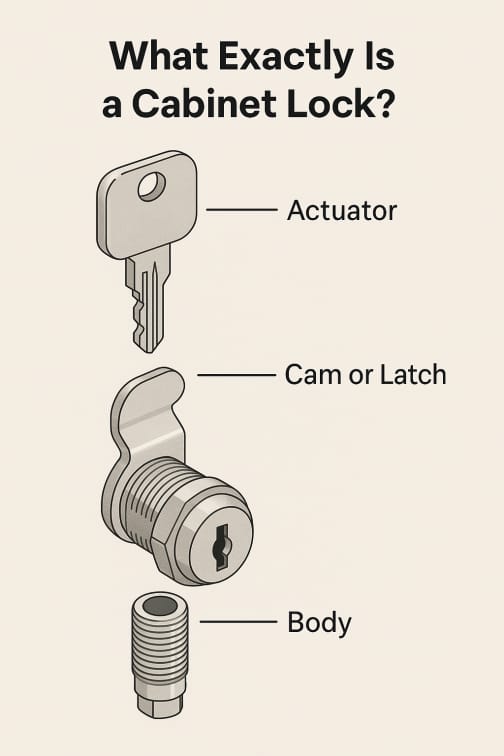
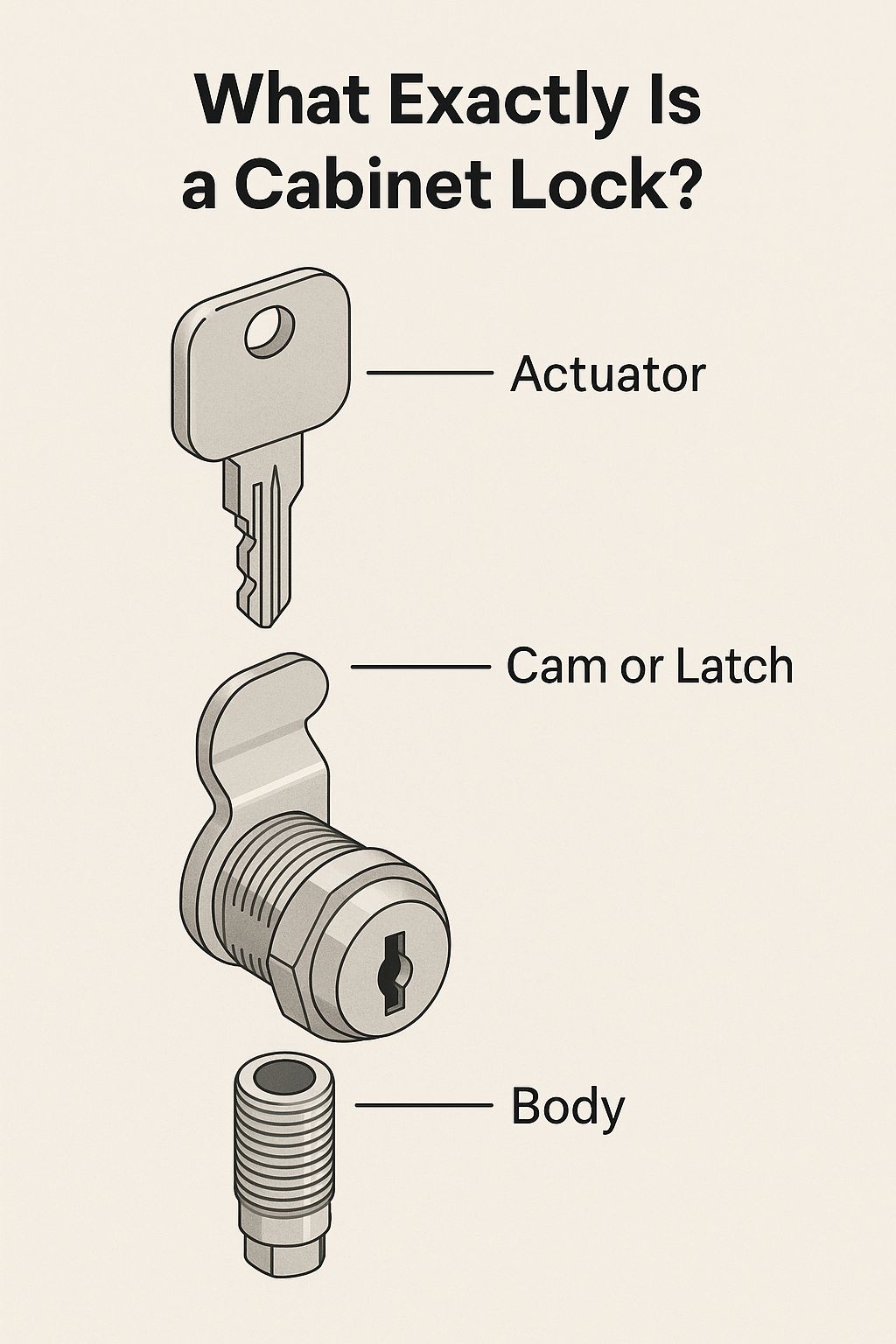
What Exactly Is a Cabinet Lock?
Think of a cabinet lock as a little system that keeps doors or drawers shut until you unlock them.
Most are made of a body, a latch or cam that swings into place, and something to turn it—like a key, dial, or keypad. Some are super simple (just a cam that turns), while others add dials, codes, or even electronic readers. The style depends on what the cabinet is meant to protect.
Why Does It Exist?
At first, cabinet locks were just about keeping things closed—like stopping a box from popping open. Over time, people needed more: keep kids out of cleaning supplies, keep money safe in vending machines, or stop weather from wrecking telecom gear. That’s why the designs changed. From wooden latches to today’s weather-proof or digital locks, they’ve always followed real-life needs.
What Types of Cabinet Locks Are Available?
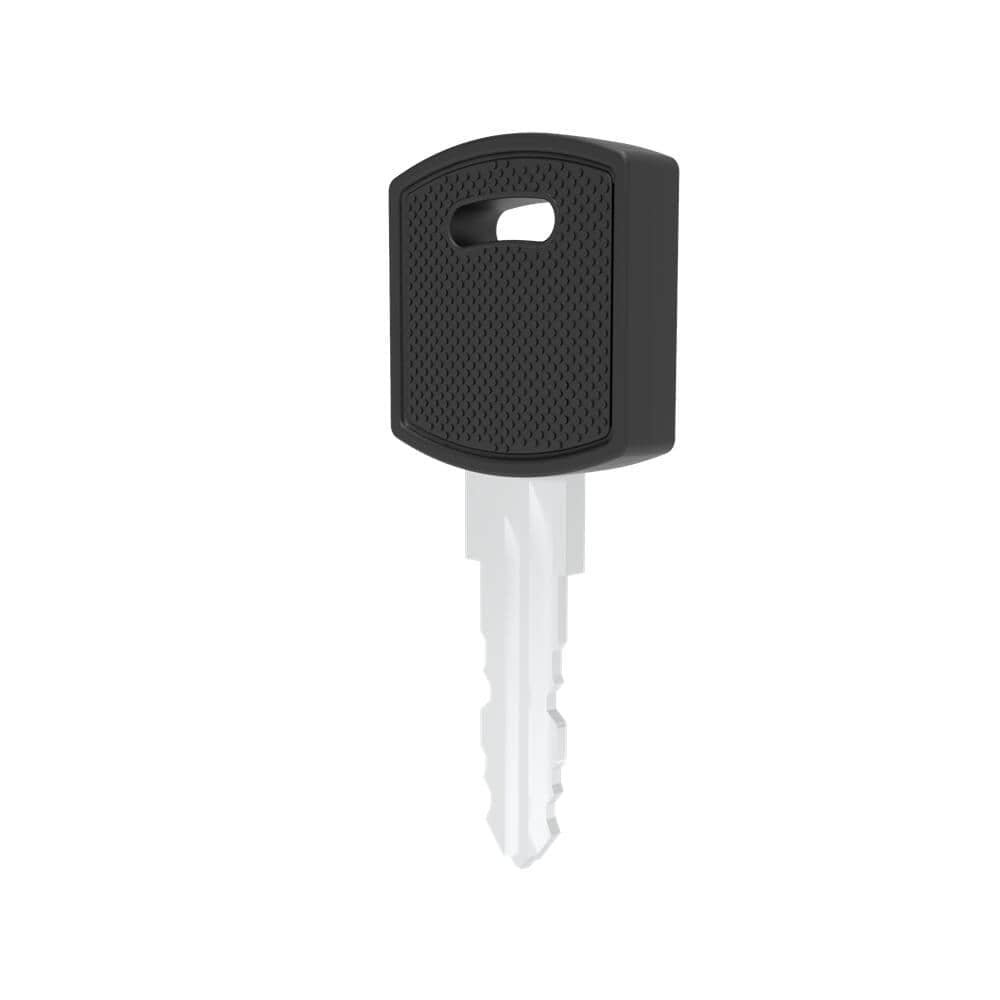
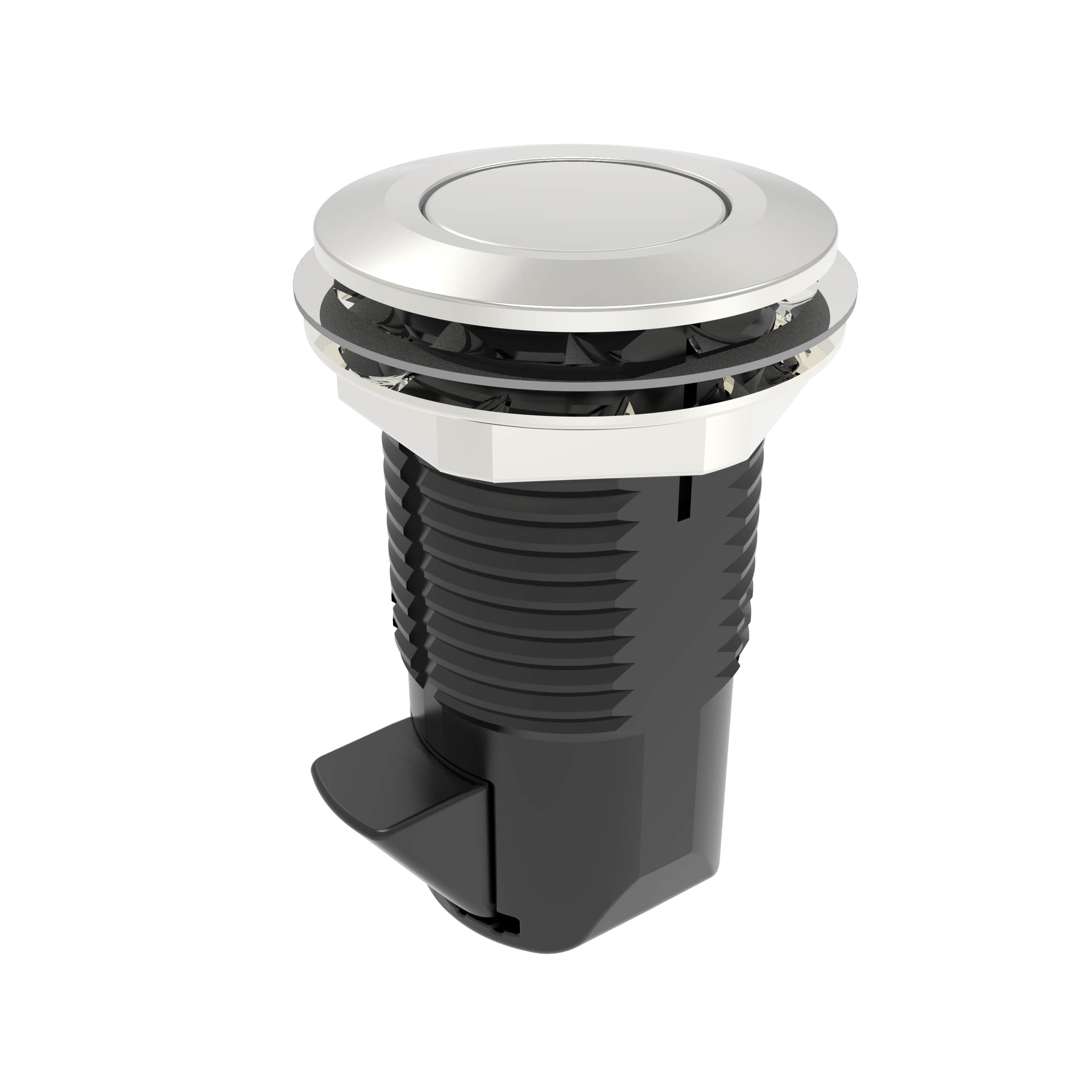
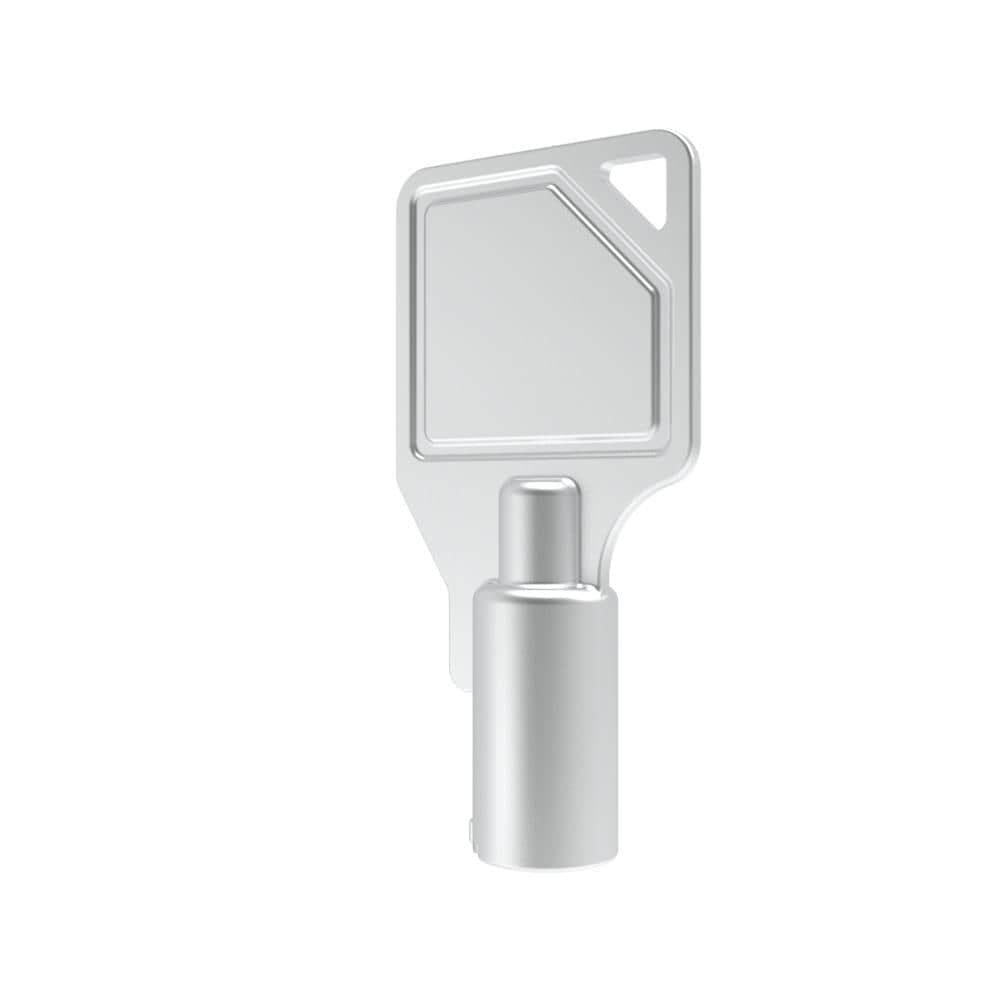
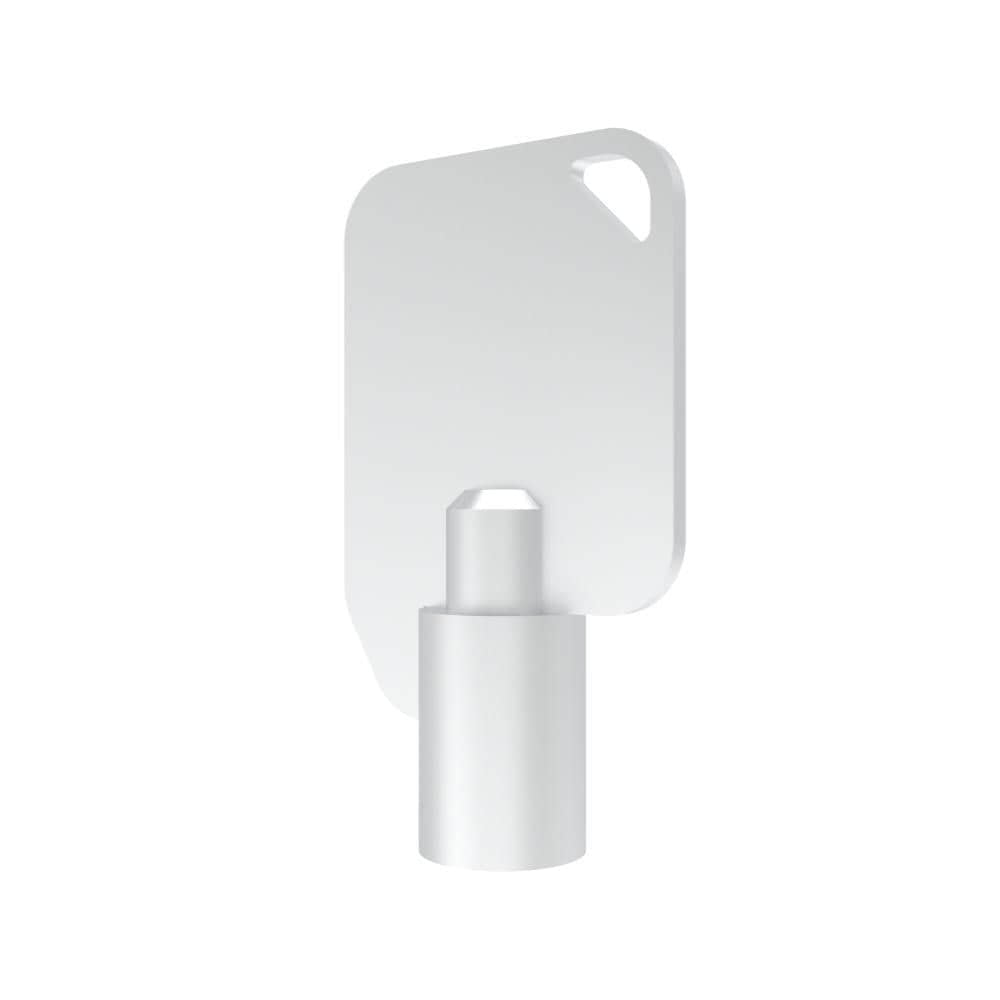
Cabinet locks come in many forms, each designed for a slightly different job. To make it less abstract, let’s look at a few real examples from Fornd and see how the features line up.
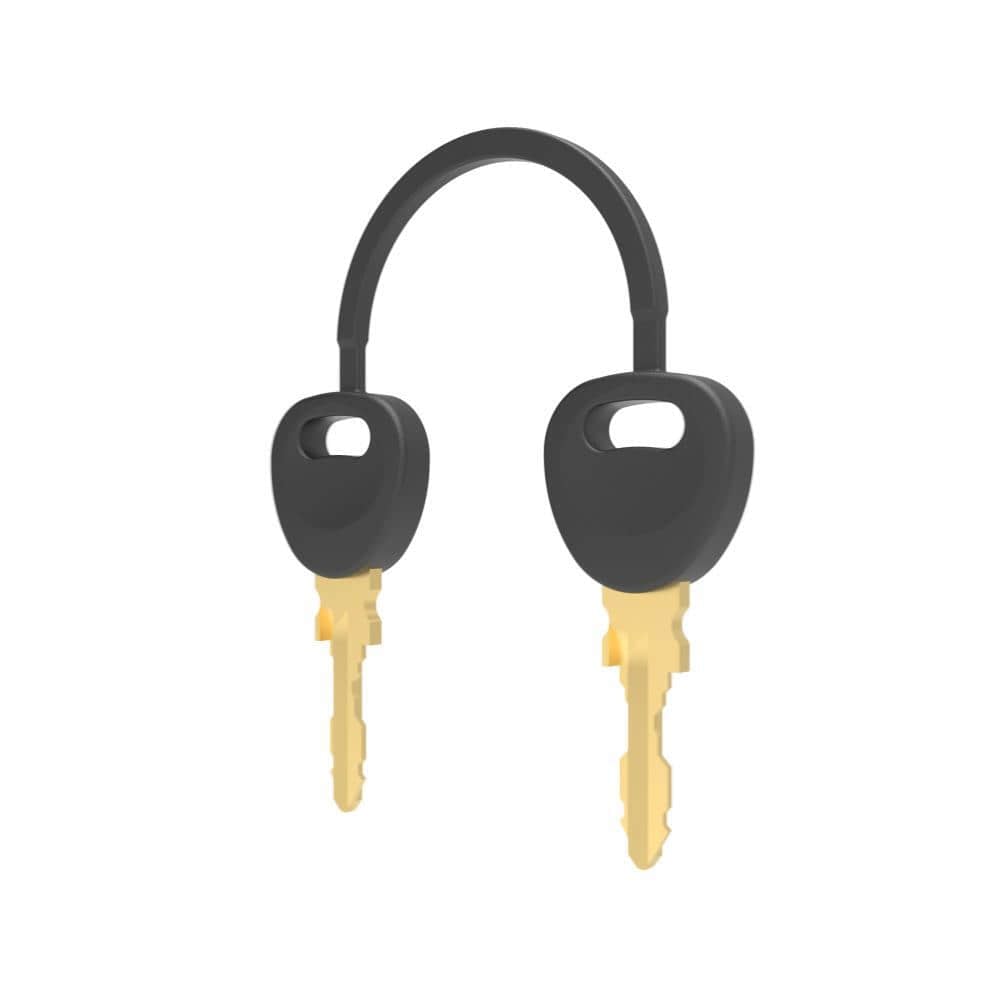
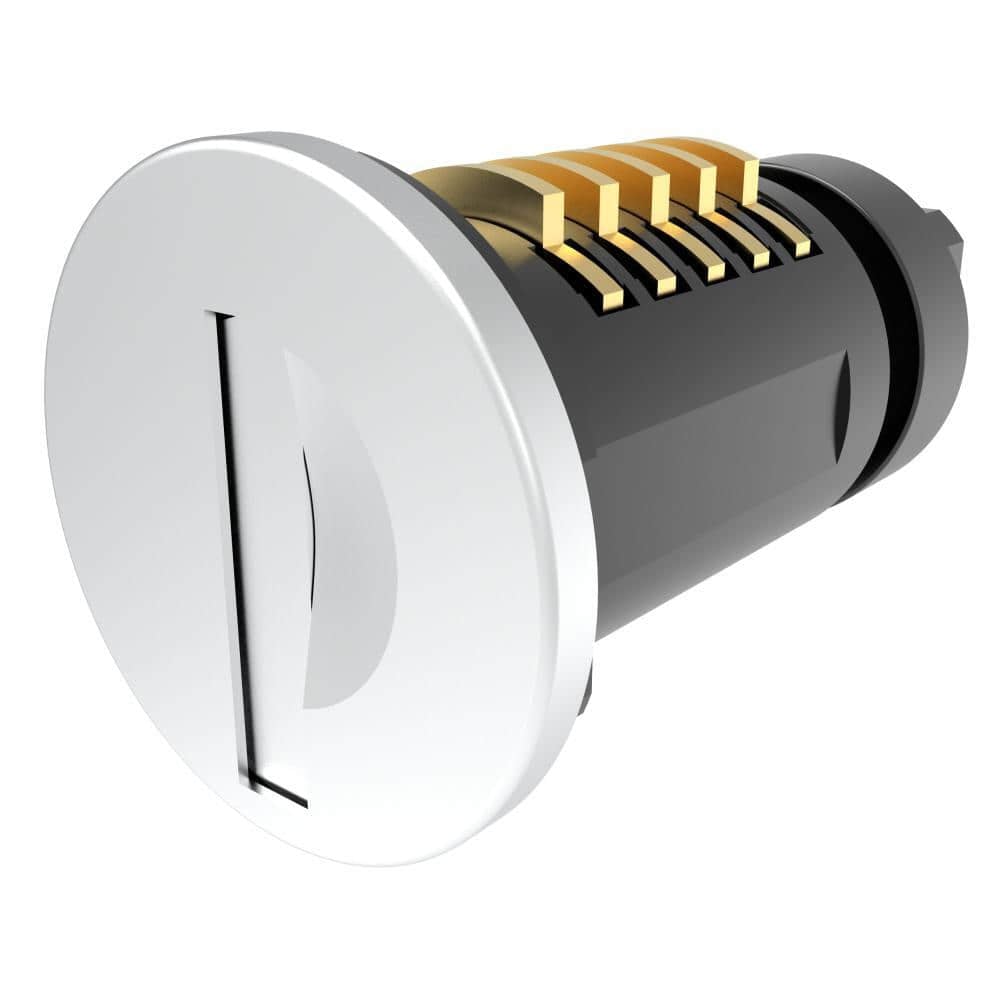
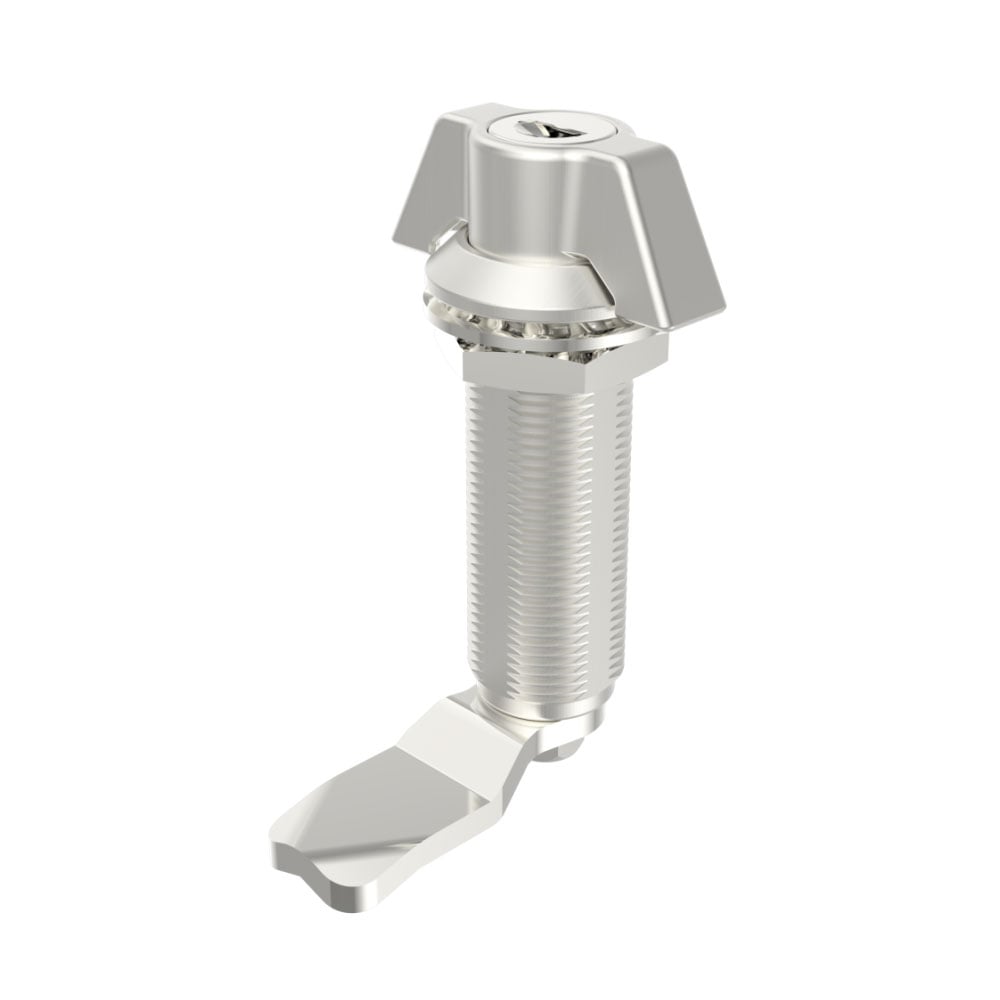
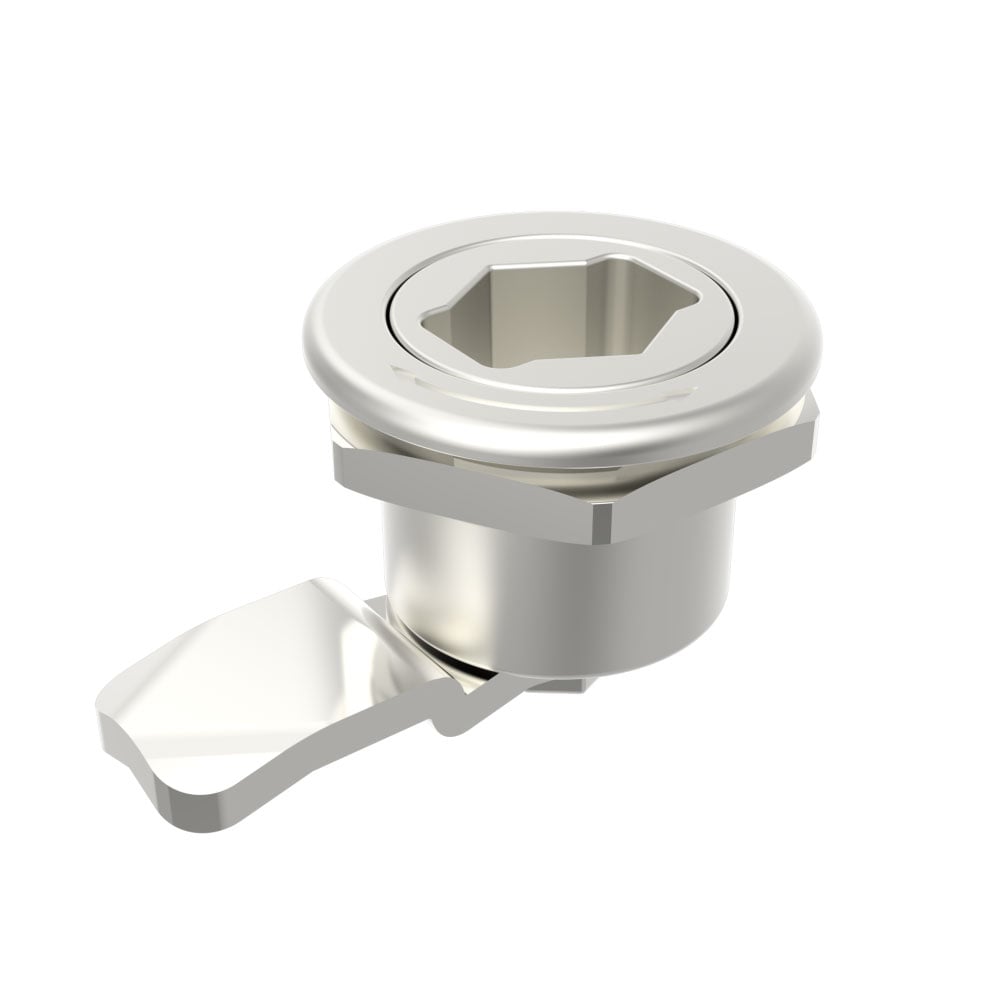
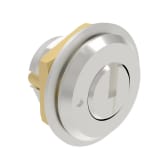
Image | Product Code | Product Name | Key Features | Link |
| D1-1425-A1 | Classic Tool Locking Cam | Compact, smooth action, zinc alloy body | |
| D3-1312-001
| Kaba lock
| Brass, chrome plated, 200 key variations, IP54 | |
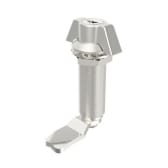
| B-1202-160-A1 | Wing Handle Cam Lock | Easy hand operation, extra leverage | https://fornd.com/product/wing-handle-quarter-turn-lock-b-1202-160-a1 |
| /
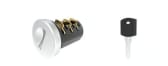
| Cabinet Lock Cylinder | Lock cylinder for mechanical lock |
How Do You Choose the Right Lock for Your Cabinet?
Step 1: Match Security
Not every cabinet has to be locked like a bank vault. But if what’s inside is pricey gear or electronics, you’ll sleep better with something stronger—like a deadbolt or even a smart lock.
Step 2: Think About Who Will Use It
Go with something simple, like a magnetic lock that doesn’t need a key for your kids. Shared office space? A combination lock saves everyone from losing keys and bugging each other for spares. Here's a break to choose the right lock for different scenes.
Lock Type | Best For | Pros | Cons |
Cam Lock | Desks, toolboxes, mailboxes | Cheap, versatile, easy to use | Lower security |
Deadbolt Lock | High-value storage | Strong, hard to force open | Bulkier, harder to install |
Plunger Lock | Sliding cabinets, retail | Quick to lock/unlock | Limited to certain designs |
Magnetic Lock | Childproofing, hidden doors | Invisible, no keys needed | Low security |
Combination Lock | Shared storage, lockers | No keys to lose | Forget the code = locked out |
RFID/Smart Lock | Offices, high-security use | Trackable, modern, keyless | Expensive, power required |
Step 3: Don’t Forget the Environment
Where the cabinet lives matters. Outdoor telecom box? Boat storage? Go stainless steel or compression style so the lock won’t rust or jam after the first rain.
Step 4: Measure Before You Buy
Check the panel thickness, cam length, and backset. Even the best lock won’t help if it doesn’t actually fit the hole.
What Should You Watch Out for When Installing Cabinet Locks?
Tight Spaces Can Be a Pain
Ever tried fitting a lock inside a tiny drawer corner? Your screwdriver barely fits, your hands cramp, and suddenly a 5-minute job takes half an hour. Plan for space, or use the right tools to avoid the headache.
Use the Right Tools for the Cutout
A lock needs a clean, accurate hole. If you grab a dull drill bit or the wrong saw, the cutout ends up jagged, and the lock will sit loose or crooked. Take your time here—it makes the whole thing look and feel better.
Don’t Overtighten
It’s tempting to crank the nut down as hard as possible, but too much force can crack thinner panels or strip the threads. Snug is enough; let the lock do its job without breaking the cabinet.
Why Do Fornd’s Cam Locks Stand Out?
Fornd’s cam locks get attention because they’re built to actually hold up in the real world. Instead of just tossing out a model number, Fornd gives you the full picture—clear specs, CAD files if you’re an engineer, even test data so you know how long it’ll last. Many of their locks are rated for 20,000+ turns, some are sealed to IP65 (rain and dust won’t bother them), and plenty are made from stainless steel so they won’t rust outdoors. That mix of durability and transparency is why people like OEMs, furniture makers, and facility managers trust them—because nobody wants to gamble on a lock that might fail when it matters.

FAQs
Are All Cabinet Locks The Same Size?
Nope. Different locks have different backsets, cam lengths, and panel fits. The trick is to grab a tape measure before you order—otherwise the “perfect lock” won’t even fit the hole.
Can Cabinet Locks Handle Weather?
Some can. Stainless steel and compression-style cam locks are made to deal with rain, dust, and even salty air. If your cabinet lives outside, skip the cheap zinc ones and go weather-rated.
Which Lock Is The Easiest To Install?
Cam locks are the DIY hero—pop them in, tighten the nut, and you’re done. Plunger locks are also straightforward. Smart locks look cool but usually mean extra steps, wires, or batteries.
Why Do People Recommend Fornd?
Because it takes guesswork out. You get clear specs, solid build quality, and customer support that actually answers. That makes life easier whether you’re an engineer or just someone who wants a drawer to stay shut.
Cabinet locks aren’t one-size-fits-all. The “right” lock really depends on what you’re storing, who needs to get in, and where that cabinet is sitting. From basic cam locks to fancy RFID smart options, each type has its place. But if you just want something tested, reliable, and not overpriced, Fornd’s cam locks are a safe bet.
Ready to upgrade? Take a look at https://fornd.com/—you’ll probably find a model that fits your setup without the trial-and-error.