
A Guide to the Different Types of Latches
Essential hardware parts, industrial latches guarantee that under stress, movement, or vibration panels, doors, and equipment enclosures remain tightly closed. The correct latch ensures structural integrity as well as user safety from toolboxes to telecom shelters. Fornd provides a complete range of latch styles fit for demanding settings including energy, transportation, telecom, equipment systems. Our products satisfy the highest criteria of strength, sealing, and simplicity of access using materials ranging from reinforced polymers to zinc alloy.
Common Types of Industrial Latches
Lock or unlock enclosures by turning ninety degrees. Among Fornd's models are sloped, hexagonal, and triangle heads using either a clip-in or screw-mount style. In tight or vibration-prone areas, they fit cabinets, fuse boxes, and service panels needing regular access with little effort.
These latches compress gaskets while locked to seal out noise, dust, water, and vibration. Fornd offers keyed and tool-operated versions in either stainless steel or zinc alloy. Ideal for transit or exposed to extreme weather enclosures, HVAC systems, and outside cabinets.
These latches allow users to match changing tolerances or seal wear by adjusting closure pressure. Fornd's lever-based latches keep constant grasp on flexing surfaces or aged panels. Perfect for tool compartments routinely opened and closed, mobile gadgets, or battery housings.
These latches have snap close with a rapid, tool-free closing push. Fornd's push-to-shut latches preserve tension by use of corrosion-resistant springs. Ideal for inside toolboxes, mobile equipment, and panels needing rapid, repeated access without sacrificing holding strength.
For wide doors, these latches give a strong grip force and simple torque. Stainless shafts and die-cast handles define both locking and non-locking versions of Fornd's products. Perfect for vehicles, generator houses, or access doors facing vibration, high use, or external conditions.
Designed for ergonomic rotation on mid-sized panels. Fornd’s L-handle latches mount internally or externally and include cam-based locking options. Commonly used in switchboards, utility cabinets, and mid-load enclosures where reliable manual access is required.
These rotate a cam behind the panel to hold it closed. Fornd offers offset and straight cam styles to match panel depth. Often used on server cabinets, meter boxes, or lab units requiring clean looks and optional key locking.
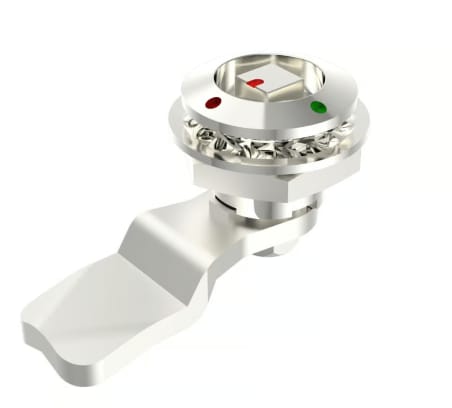
Sit level with the panel for a clean, snag-free profile. Fornd provides recessed paddle and push-to-close options, combining minimal design with solid function. Common in vehicle interiors, medical systems, and control boxes where safety and appearance both matter.
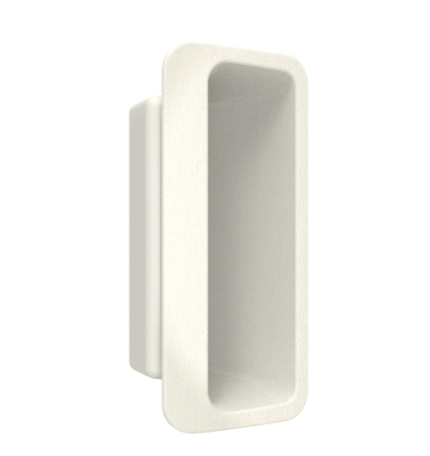
Broad levers permit gloved operation in demanding surroundings. For industrial storage bins, utility trucks, agricultural units, and equipment doors needing quick, dependable access, Fornd's paddle latches mix compression sealing with safe closure.
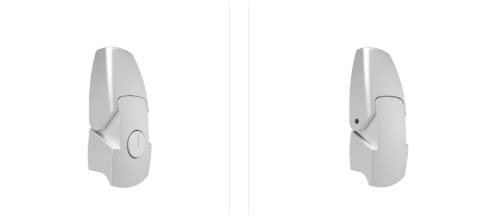
• Locking Latches
Locking latches make users use keys or padlocks built inside the latch to control access. Fornd's locking systems show themselves in paddle latches, T-handles, quarter-turns. They guard important public space systems including power boxes, telecom enclosures, or restricted compartments.
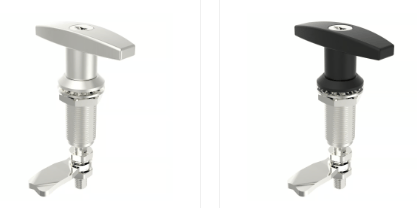
• Tool-Operated Latches
Open only with triangle, square, or Allen tools to prevent unauthorized entry. Fornd provides these latches for utility cabinets, electrical boxes, and testing equipment where standard key systems are not practical or secure enough.
These latches use rods connected to a single handle, secure tall or wide panels. By balancing pressure throughout the door, Fornd's multi-point systems increase gasket compression. Mostly found in heavy-duty generator enclosures, switch cabinets, and telecom shelters.
• Vibration-Resistant Latches
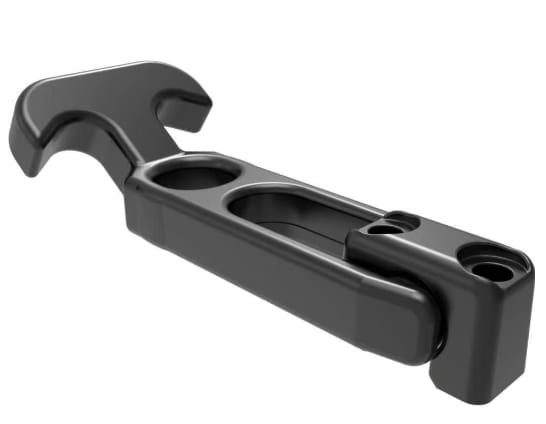
In environments with motion, these latches can prevent inadvertent opening. To keep the latch steady, Fornd combines springs, detents, or locking tabs. Found in mobile enclosures, industrial machinery, transportation vehicles, and shock- or vibration-inducing tools.
Materials and Functions Choices
• Materials Used in Fornd
Latching material controls strength, cost, and corrosion resistance among other aspects. For reasonably low cost durability, Fornd offers zinc alloy; stainless steel and other materials for environments prone to high corrosion; and reinforced polymers for lightweight, non-conductive applications like mobile panels or electronics.
• Sealing & Gasket Fit
Many latches are designed to crush gaskets, therefore preventing air leakage, moisture, or dust. Maintaining consistent seal force under pressure or vibration, Fornd's compression and paddle latches protect sensitive equipment and electronics.
• Vibration Resistance
In mobile or industrial settings, vibration can cause gear to come free. For long-term closure and improved performance in motion-prone installations, Fornd handles this using spring-loaded components, detents, and locking tabs across many latch designs.
• Thermal and Chemical Stability
Fornd tests reinforced polymer and stainless-steel models for light chemical, heat, and humidity exposure. These are ideal for cleanrooms, transportation vehicles, outdoor gear, and tools used in varying or hostile conditions.
Installation & Maintenance Tips
Begin by aligning the latch with the keeper plate and marking mounting holes before drilling. Use fasteners made of the same material as the latch to avoid galvanic corrosion. In gasketed applications, do not overtighten—tighten only to manufacturer torque settings. Apply a small amount of industrial silicone grease to pivots and springs for smooth operation. Inspect the latch every few months for signs of wear, rust, or misalignment. Replace worn or damaged latches early to avoid failure in critical applications. Align latch and keeper before fixing. Use matching metals to avoid corrosion. Grease pivots lightly. Inspect seals, tighten as needed, and replace loose latches early.
Choosing the Right Latch
• Step 1: specify your application.
Think through the kind of access needed and how often the latch will be utilized. High-use panels might require push-to-close latches as a fast-release mechanism. Locking or tool-operated latches are recommended for rare but safe access.
• Step 2: Match the surroundings.
Find out whether the latch will come across vibration, chemicals, or the elements. For demanding outdoor application, stainless steel is best. House electronics employ reinforced polymers. In transportation or industry applications, compression and vibration-resistant varieties aid.
• Step 3: Analyze Security Needs
Choose keyed, padlockable, or tool-operated locks if the panel has to be limited to authorized users. Fornd provides locking choices to fit access control requirements in telecom or utility cabinets across paddle, T-handle, and quarter-turn styles.
• Step 4: Think about panel design and size.
Measure the width and thickness of your panel. Larger panels may require even sealing by means of multi-point latching. Flushing or cam locks are best for limited projection or confined areas. Fornd aids in choice using free samples and CAD files.
About Fornd
Fornd manufactures as a rugged, high-performance locking systems for industrial use. It ranges from mechanical latches and hinges to advanced locking handles and electronic access solutions. We support telecom, energy, transportation, and machinery sectors worldwide. With decades of engineering experience, Fornd also provides tailored development, fast sample delivery, and full technical assistance. Whether you're designing for security, vibration, or long-term durability, we help match the right latch to your application. Explore our range or request a quote at https://fornd.com.