Cam locks are everywhere—honest. You’ll find them securing vending machines, locking down industrial cabinets, safeguarding file rooms, even keeping gym lockers safe. Why? They’re simple. At their heart, it’s just a rotating cam that turns a straight push or pull into a solid lock. Affordable, reliable, and easy to use—what more could you want?
But here’s the thing: not all cam locks are built the same. If you’ve ever struggled to pick one that actually works (or wondered why some jam while others glide), this guide’s for you. We’ll break down how they’re made, go over the most common types, explain why that little cam matters so much, walk you through putting one in step by step, and even fix the usual headaches. By the end, you’ll know exactly which lock fits your needs—no more guessing.
Now, when it comes to getting a cam lock (or any hardware) that lasts, Fornd’s been there. We make everything from industrial cabinet locks to electronic locks, hinges, pulls—you name it. Over the years, we’ve gotten really good at crafting tough, top-tier cabinet locks (the kind that don’t quit), and we’ve grown into a full-service shop that handles all sorts of industrial hardware needs.
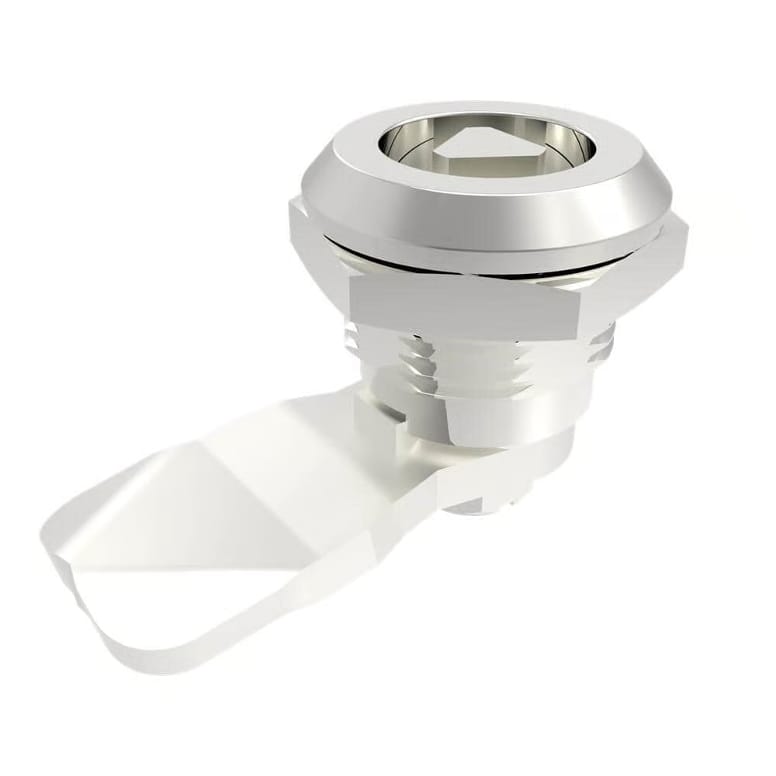
What Is a Cam Lock and What Makes It Unique?
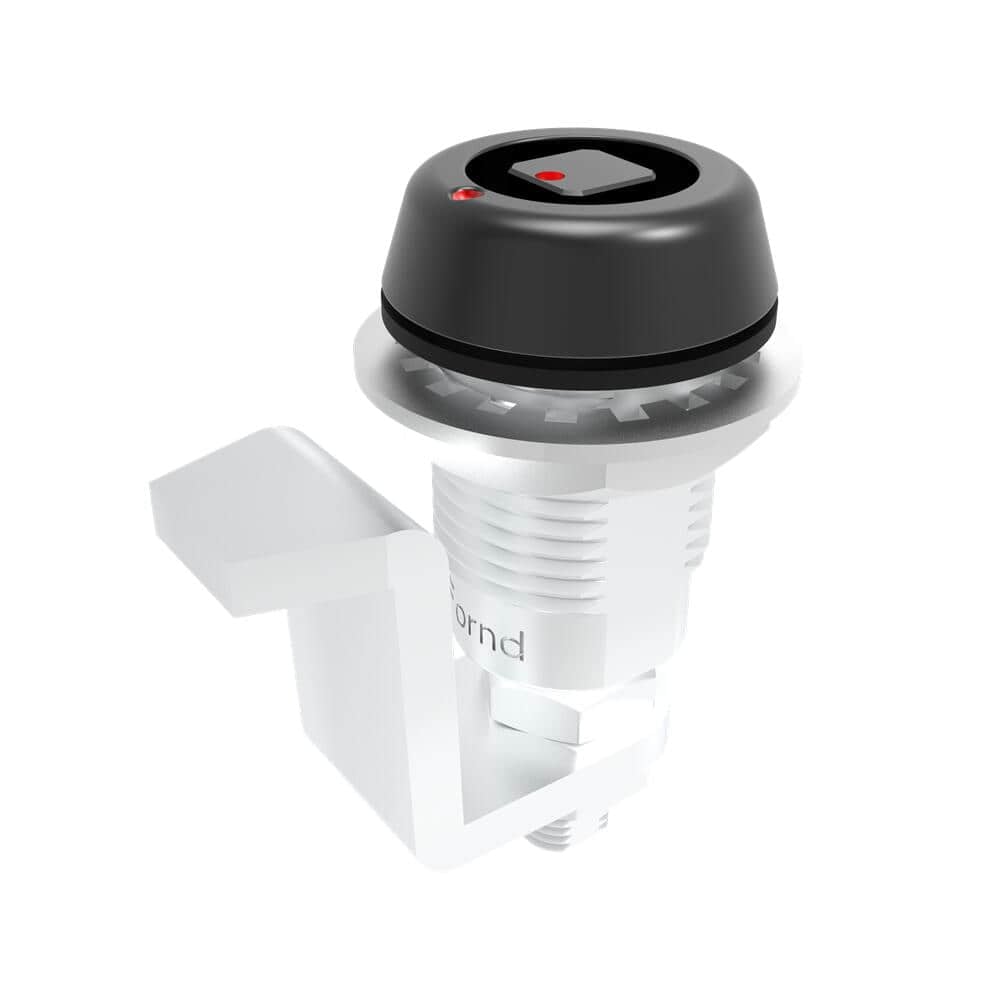
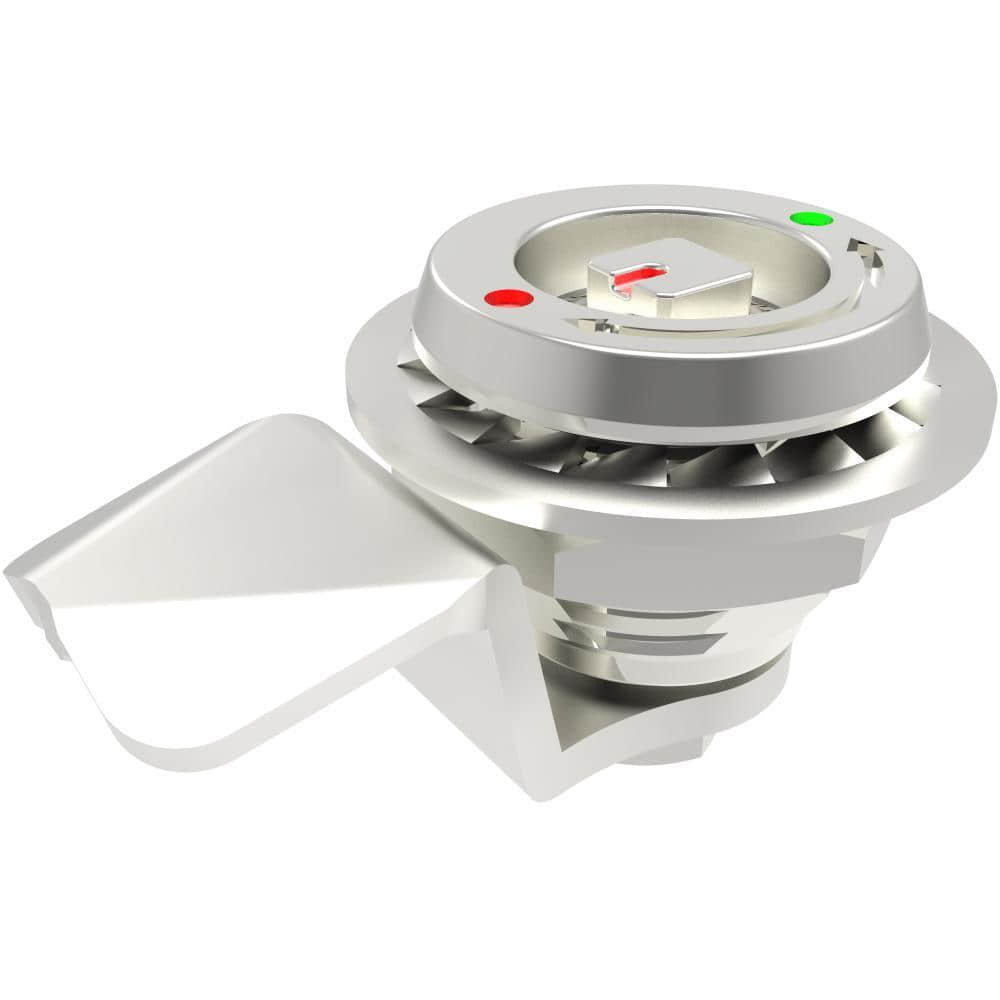
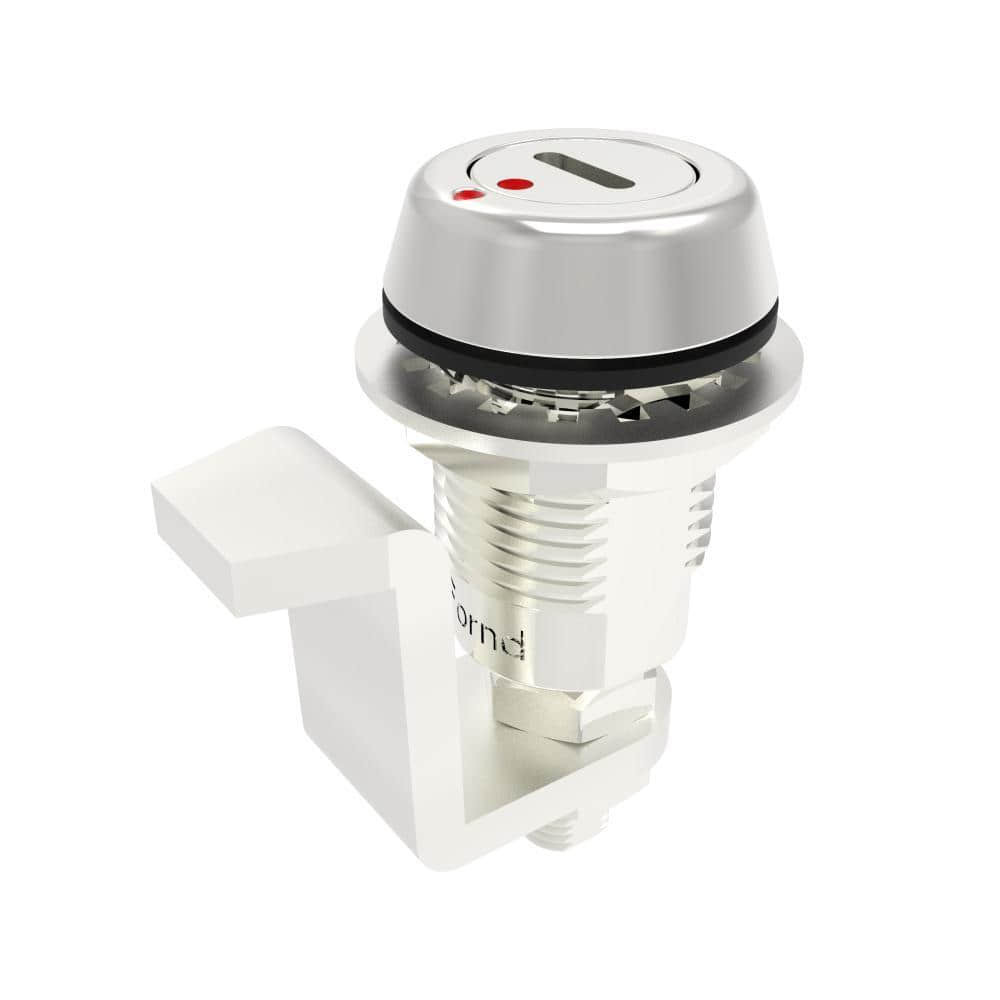
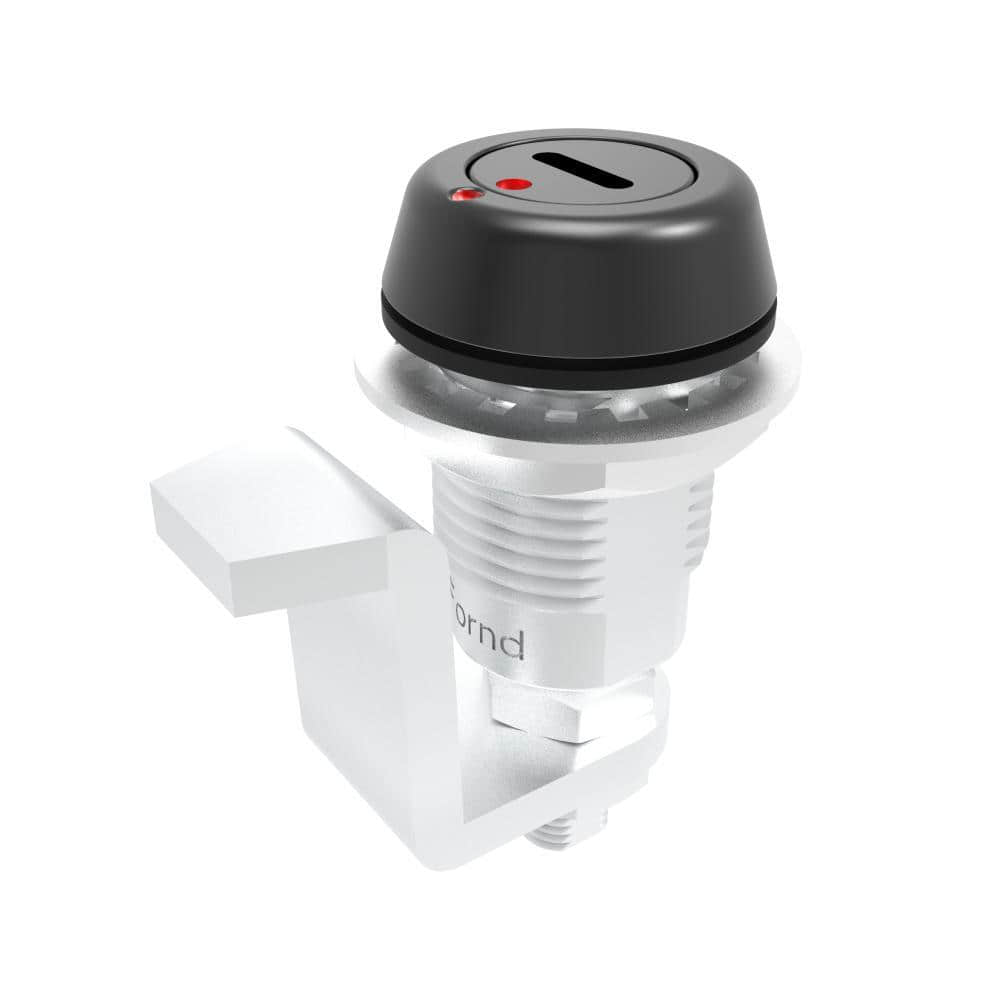
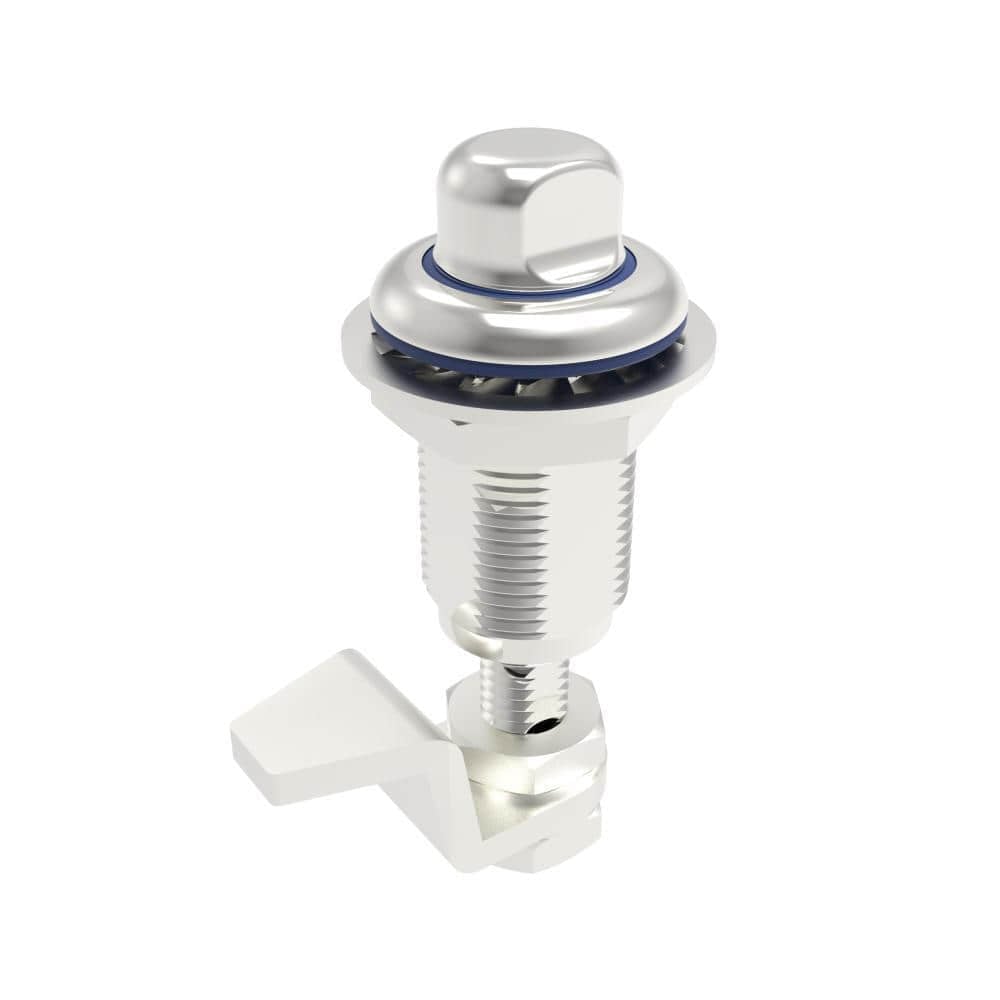
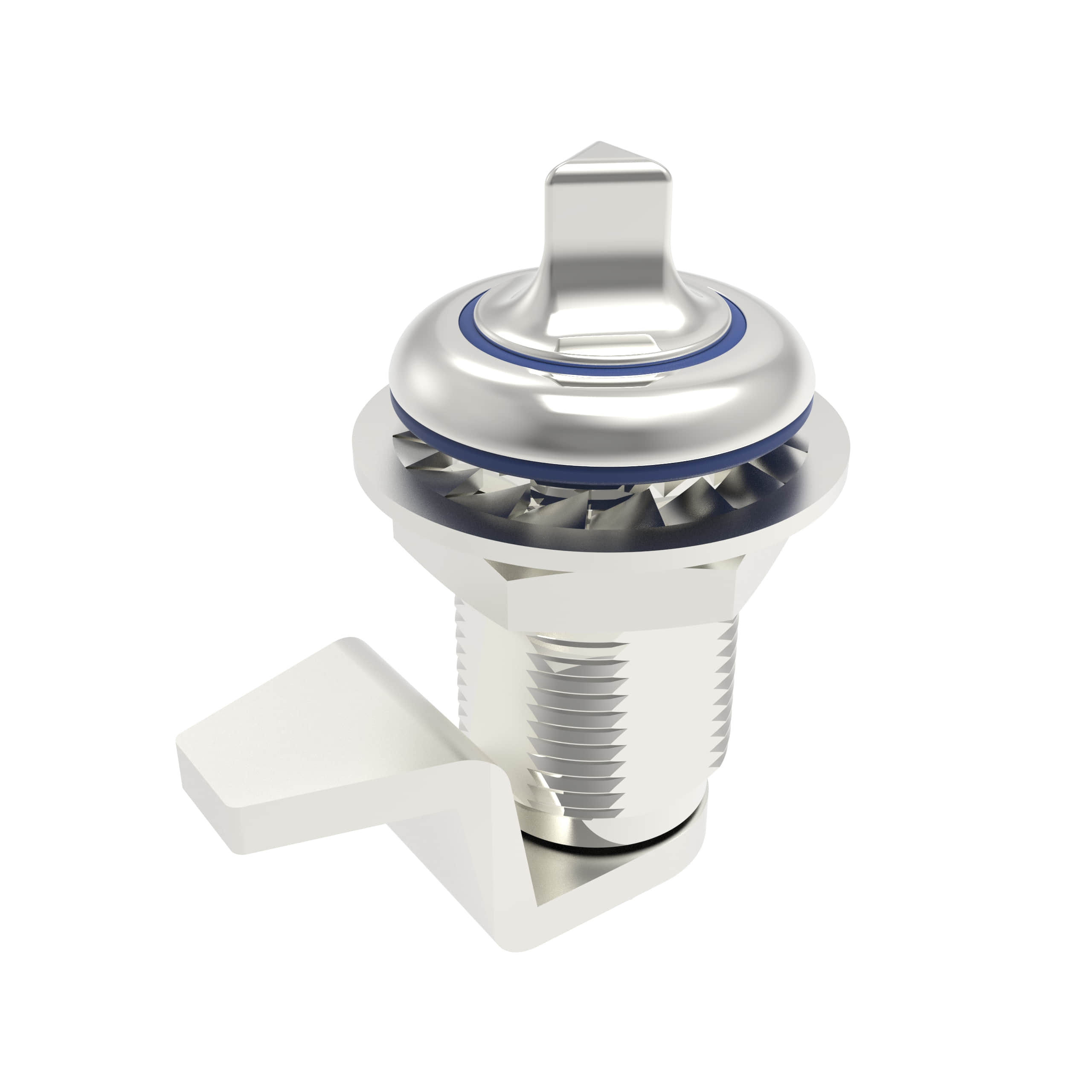
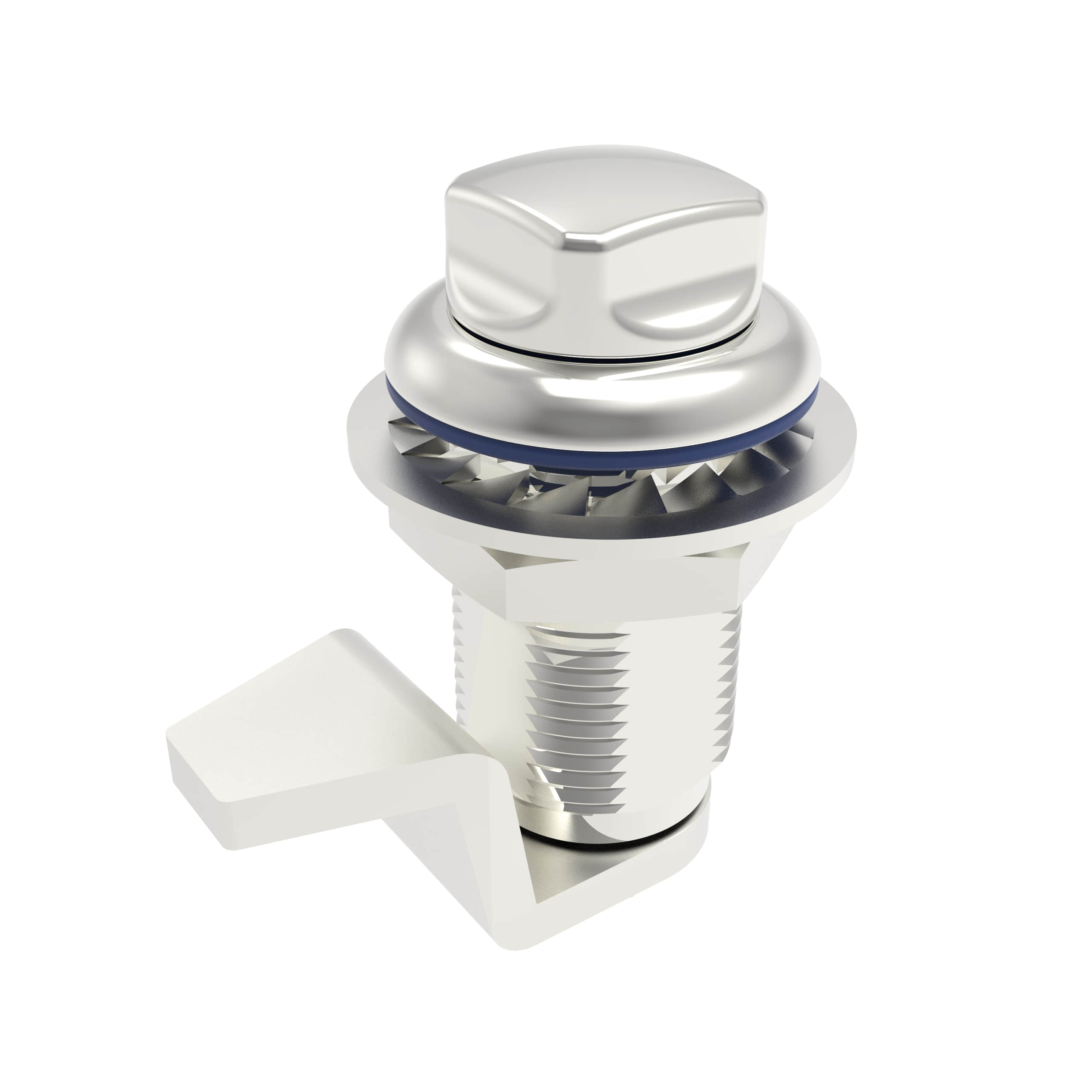
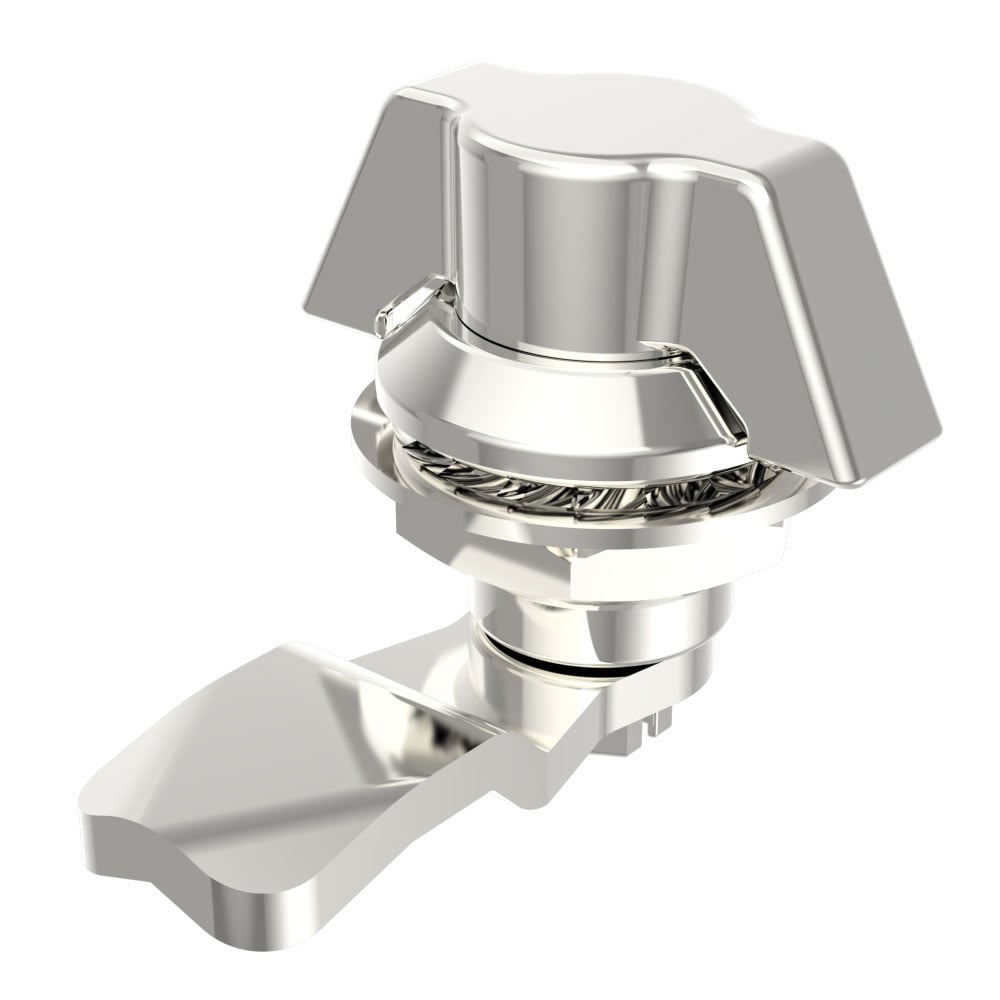
A cam lock is a simple yet effective locking mechanism that uses a rotating cam, a flat or curved piece of metal attached to the lock body. The key turns a cam that spins behind a fixed frame or strike plate to lock the door, drawer, or panel in place. Because of their small size, ease of use, and adaptability to different materials and panel thicknesses, they are a popular choice in both commercial and industrial settings.
How Does a Cam Lock Work?
A cam lock operates using a very simple mechanical principle. The main parts are a cylindrical lock body and a metal arm or cam that fastens to the back. As you turn the key, the cam slides behind an interior surface or a frame. Once locked, the drawer or door cannot be opened. When you open it, it swings open and lets you in.
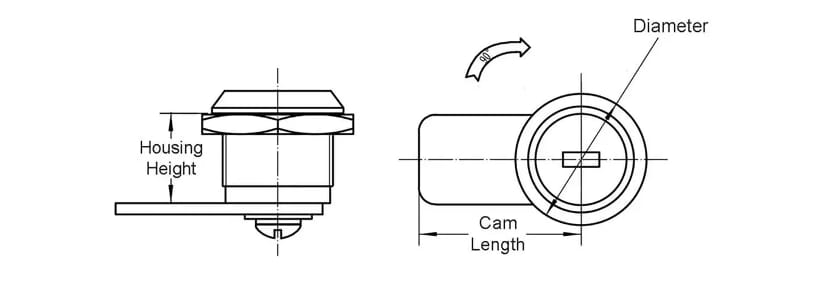
While some cam locks can be opened with tools, others need keys. Usually, you can make them turn 90 degrees or even 180 degrees. They are easy to adhere to wood, metal, or plastic.
Materials and Design of a Cam Lock
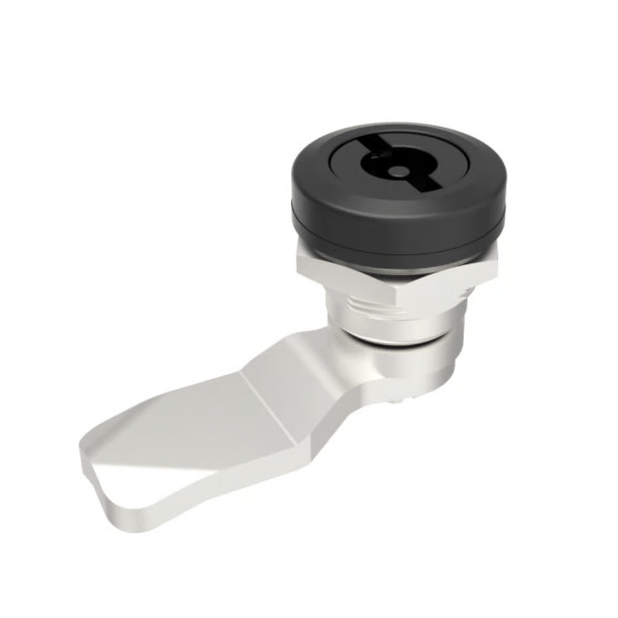
A cam lock's components can be altered to suit the task at hand. Zinc metal is an affordable and robust option for interior use. Stainless steel or powder-coated finishes are better at preventing rust in areas with high humidity, frequent temperature changes, or chemicals, such as outdoor electrical boxes or marine equipment. They will stay dry and secure for a long time if they have protection from rain, dirt, and compression cams.
Where Are Cam Locks Used?
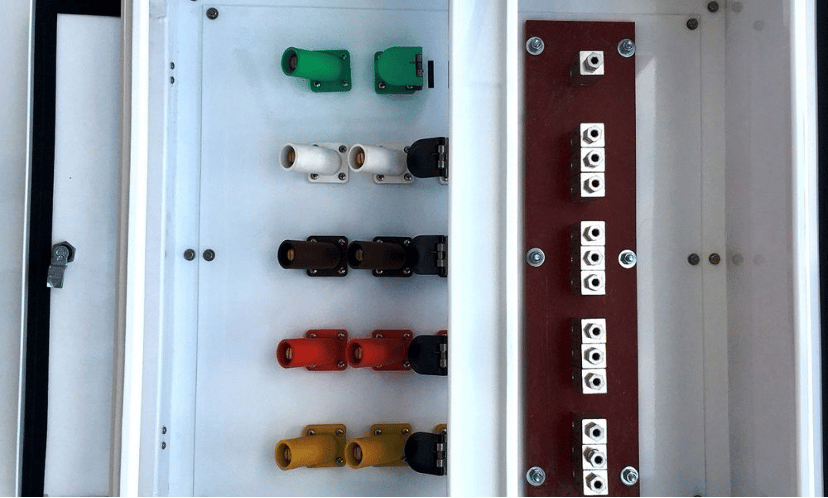
• Industrial Sector: Protection for control panels, electrical cabinets, and equipment storage lockers in factories and plants
• Telecommunications: Secure access points for outdoor connection cabinets and network hardware enclosures
• Retail Environments: Security for display cases, vending machines, and self-service kiosks
• Transportation: Locking mechanisms for service vehicle compartments and mobile tool storage
• Office Settings: Security for filing systems, mail collection units, and storage furniture
How to Install a Cam Lock?
Insert the lock cylinder through the front of the panel
Secure the assembly by tightening the rear mounting nut
3. Attach the cam component in the correct orientation
Test rotational movement and key operation
About Fornd
Fornd makes high-quality cam locks that are perfect for many business uses, such as transportation, outdoor gear, storage, and enclosures. Fornd's lock systems keep important infrastructure in the transportation, electrical, and telecommunications sectors safe. They go well together and are also very strong.
To get specs, sample support, and more information, get in touch with the team or go to https://fornd.com