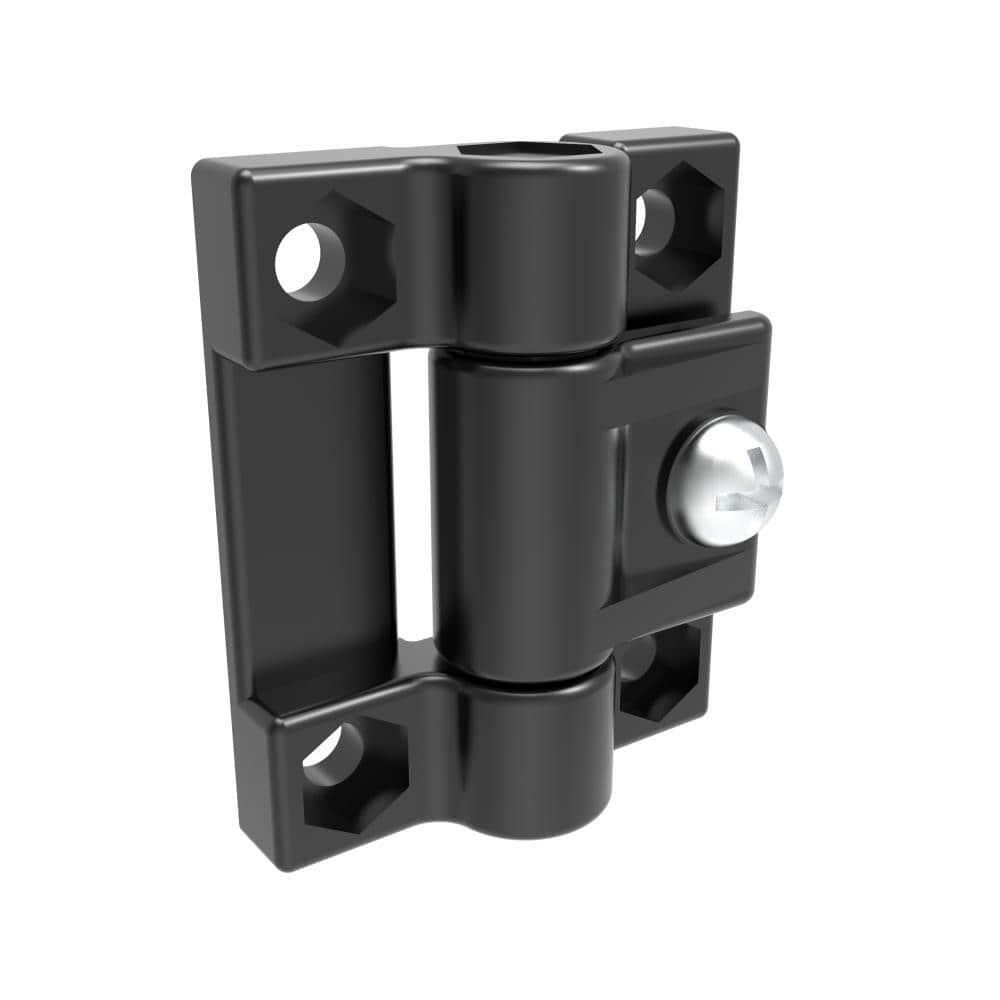
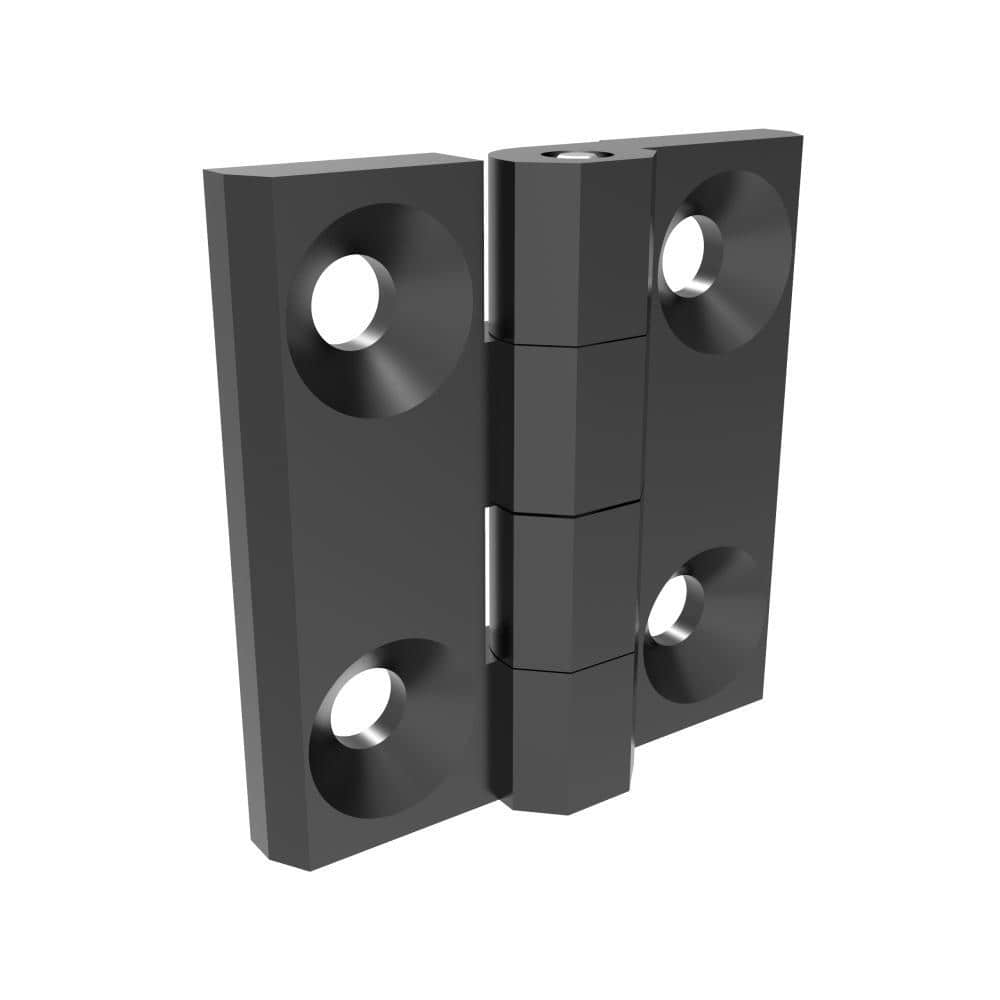
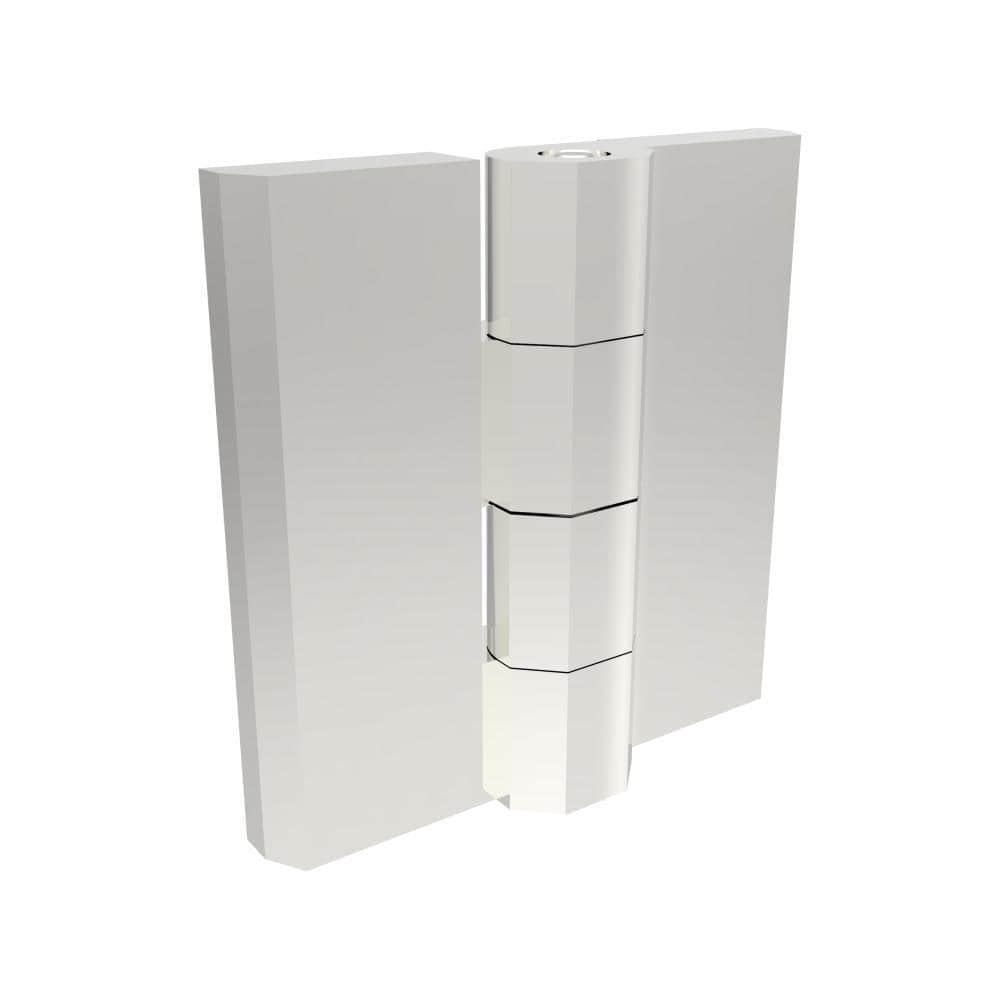
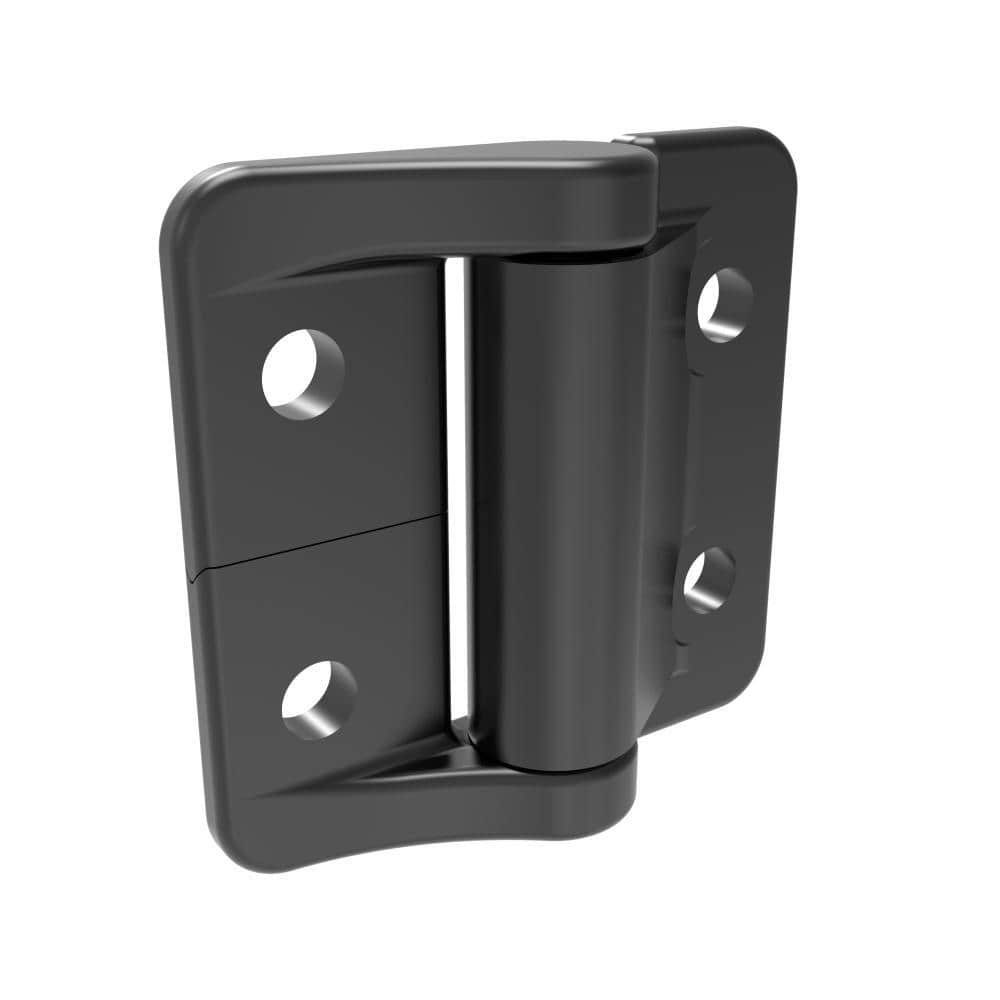
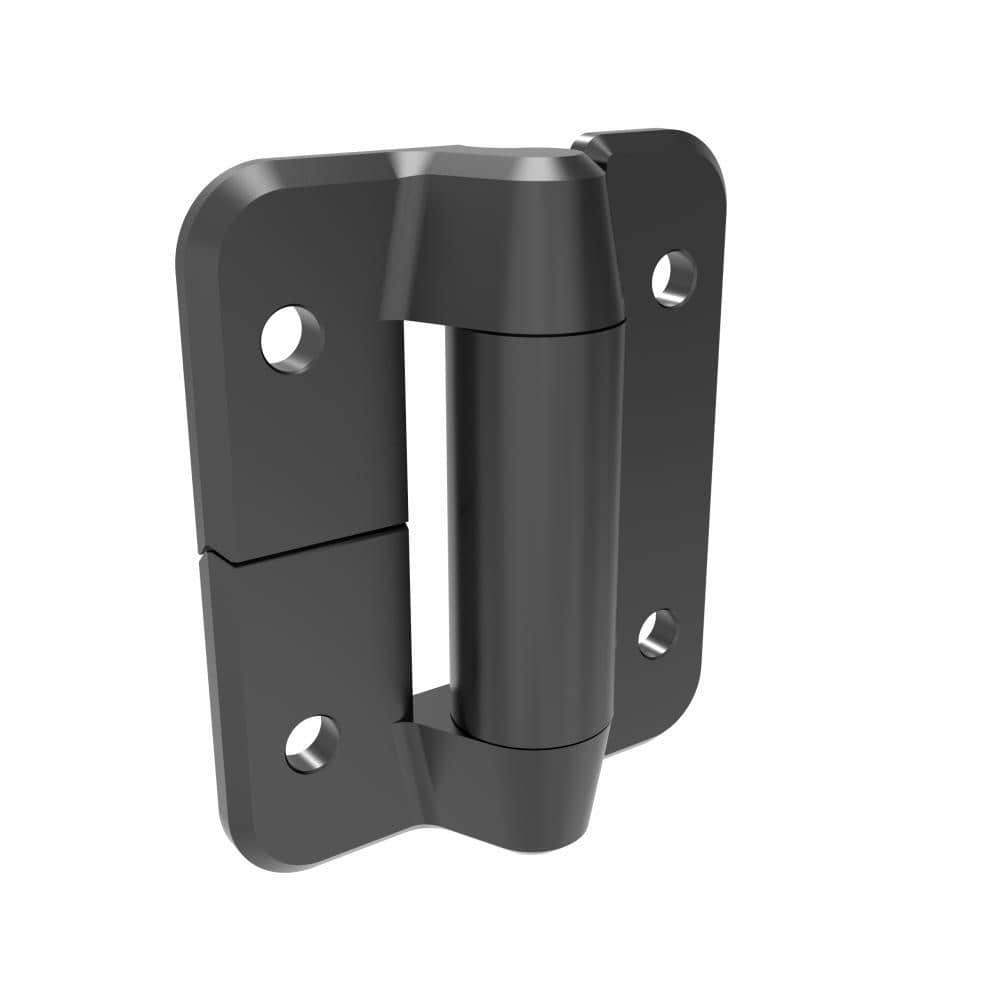
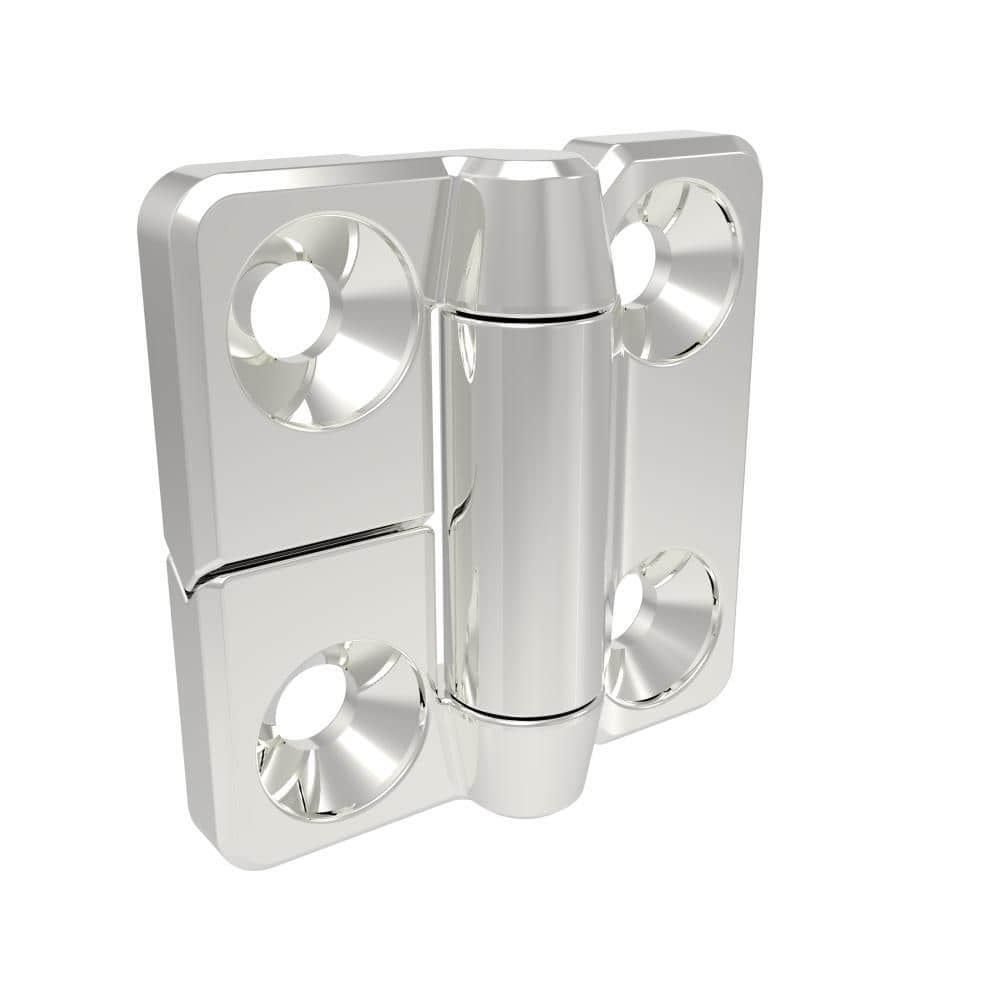
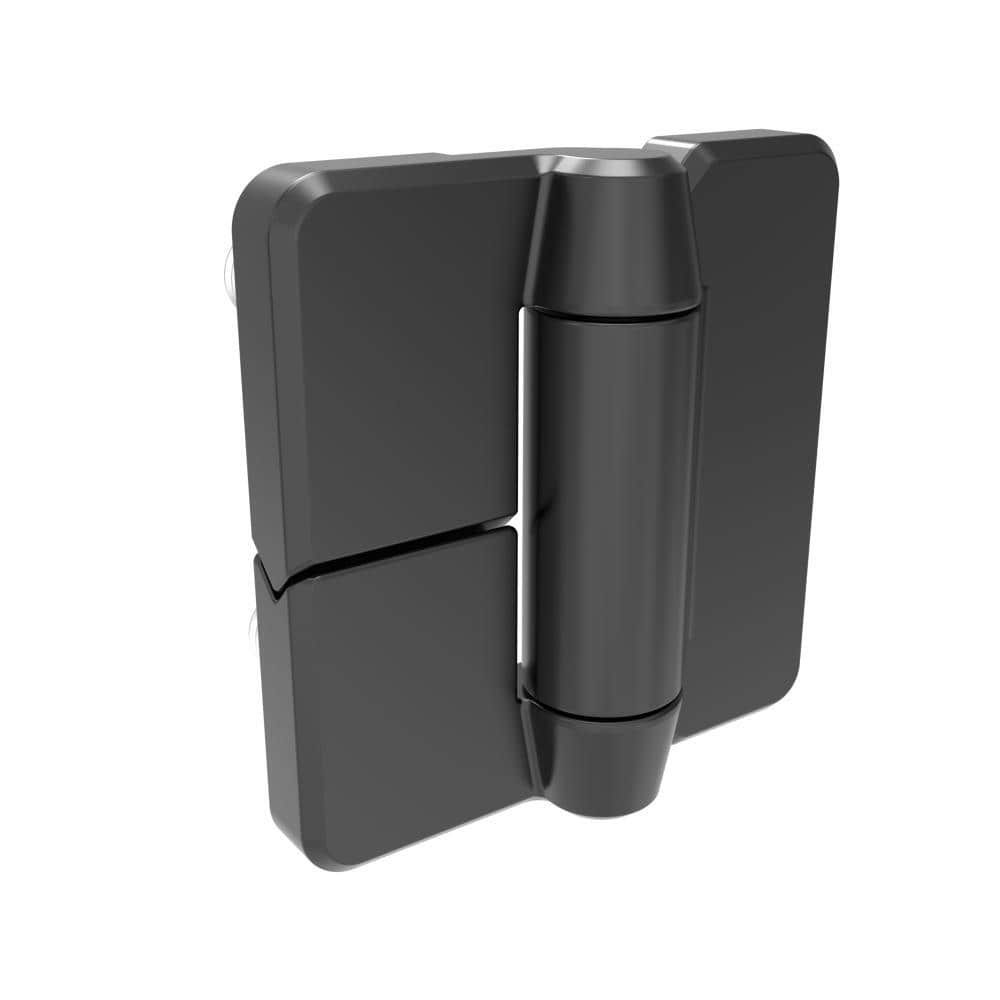
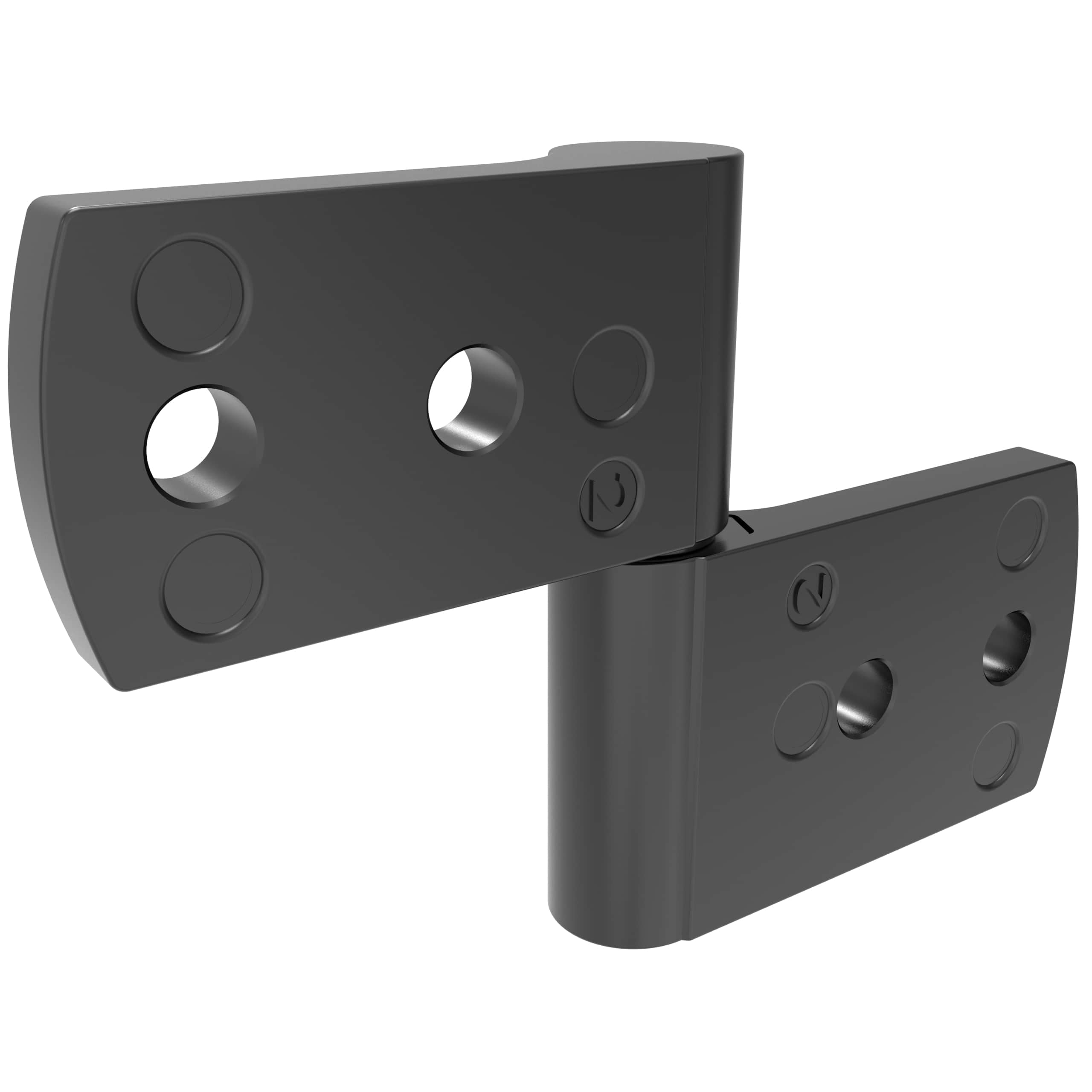
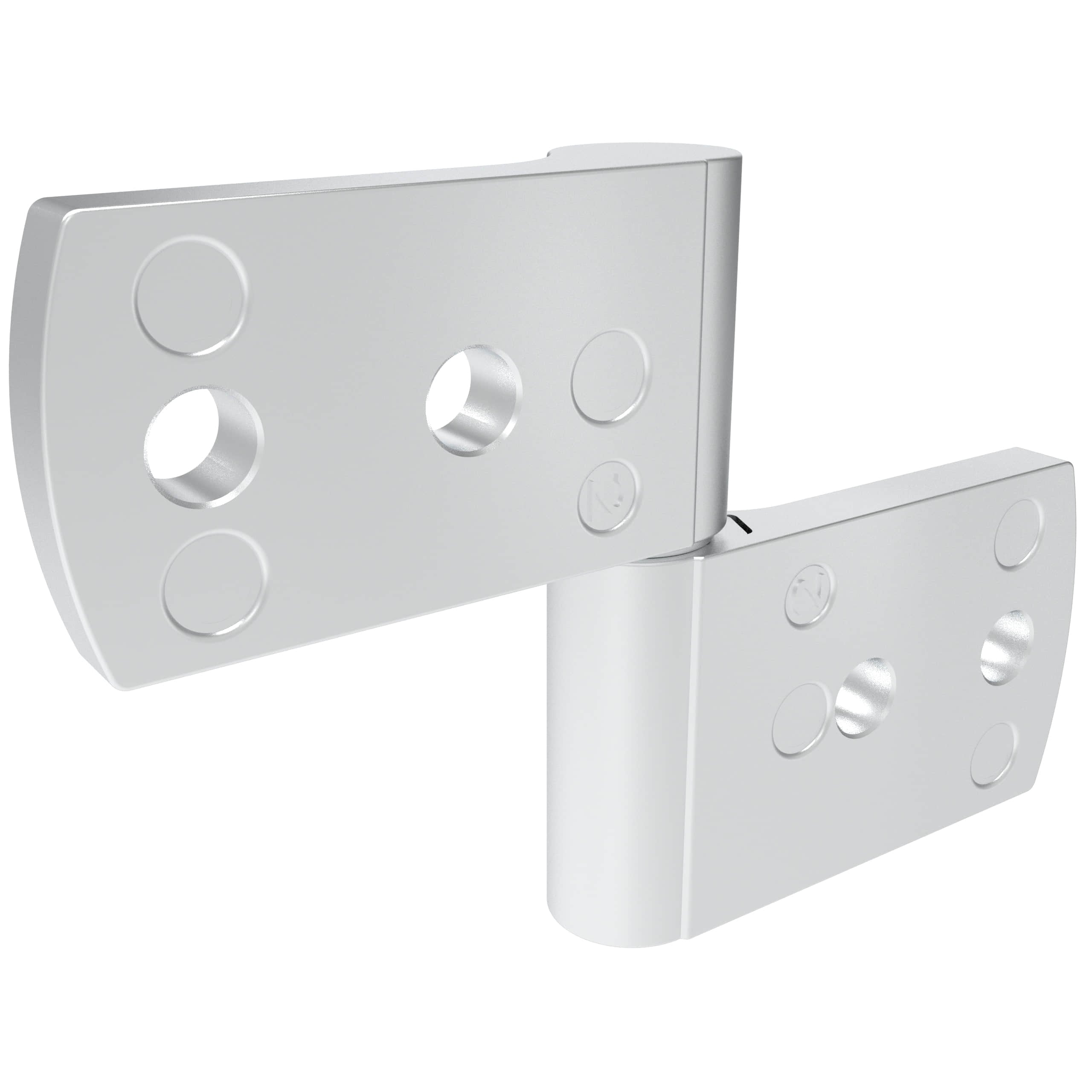
Ever notice how medical panels stay perfectly angled, industrial controls hold steady, or high-end displays glide smoothly? The secret? Torque hinges.
These small but mighty rotary connectors use internal mechanisms (friction plates, springs, dampers) to deliver consistent resistance. The result? Doors, panels, and displays "hover" at your desired angle—no gravity or bumps knocking them out of place.
What makes them stand out? Durability, simplicity, and adaptability. Built to resist wear, they need no frequent maintenance and adapt to varying weights or usage. Whether in hospitals, workshops, or tech setups, they blend form and function—elevating device aesthetics while ensuring reliable movement.
Fornd takes this further. Our high-performance torque hinges deliver stability and precision—smooth, secure adjustments that leave a lasting impression of quality. When reliability matters, trust Fornd.
What Is a Torque Hinge?
Torque Hinge is a rotary connector designed to provide consistent resistance torque via internal mechanisms (e.g., friction plates, springs, gears), keeping doors, covers, or displays stationary at any angle without gravity-induced movement.
It typically has two main parts: a cylindrical body and a central pivot. Inside the cylinder, springs, friction plates, and dampers work together to generate controlled torque or preset angles.
Installed between two objects (e.g., a device and a panel), its internal mechanism produces counter-torque to resist external rotation, enabling secure positioning at various angles. Torque magnitude is adjustable via component changes (e.g., replacing friction plates) or settings.
Compared with the standard hinge, torque hinge is superior in three important points:
1. Controlled motion damping ensures stable, no shock switch.
2. The position holding device can be held at an arbitrary angle without requiring an additional lock mechanism.
3. High performance materials ensure long-lasting stability, that is, durability. Therefore, there is no need for frequent adjustments in the later stage.
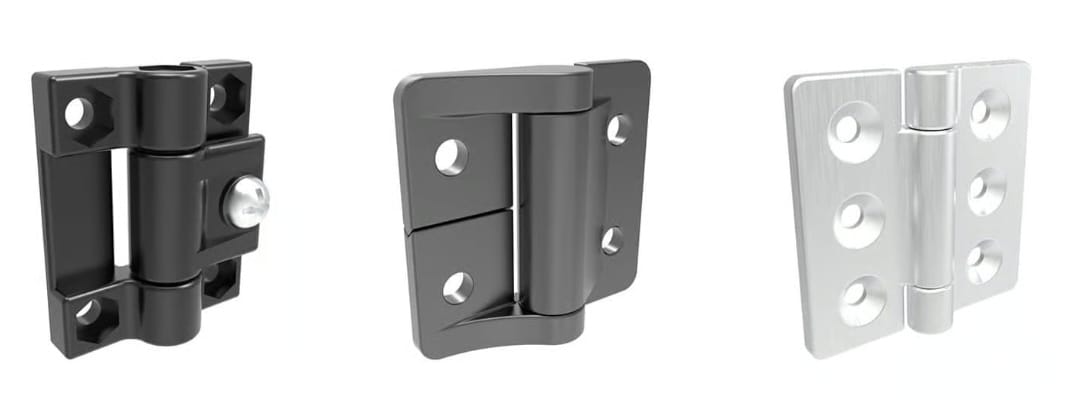
Two Main Types of Torque Hinges
According to their adjustability, torque hinges are mainly divided into fixed torque hinges and adjustable torque hinges to meet the needs of other applications.
Constant Torque Hinges (Fixed Torque)
Constant torque hinges are preset with a specific torque value during manufacturing, maintaining consistent resistance throughout their lifespan.
Simply put, the key advantages of Constant torque hinges are mainly reflected in the following three points:
• Factory-optimized
No post-installation adjustments required.
• High reliability
Ideal for long-term fixed-load applications like medical equipment and industrial control panels.
• Compact design
Suitable for space-constrained installations.
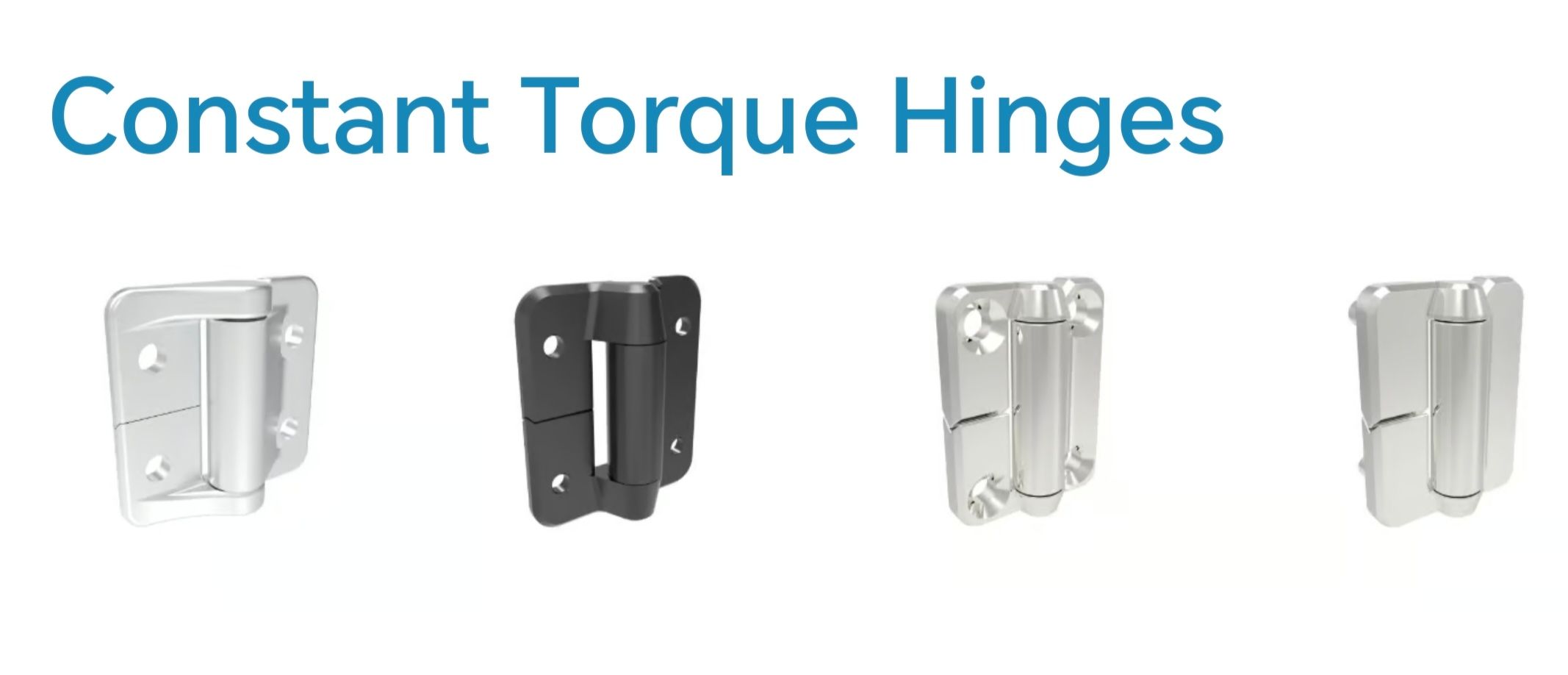
By the way, Fornd further divides constant torque hinges into two types:
1. Standard Constant Torque Hinges
This type of hinge is designed specifically for traditional doors and electronic device covers. In addition, Fornd's standard torque hinge can work independently without additional support components.
Its key advantages can be summarized as follows:
• Factory preset, eliminating the need for adjustments.
• Zero drift and zero backlash, even under vibration or dynamic loads.
• The structure is sturdy and suitable for both indoor and outdoor use.
• Multiple sizes and torque options to accommodate different load requirements.
• Easy to integrate and install, saving certain costs.
2. Dual-Fold Constant Torque Positioning Hinges
This hinge has a dual level folding structure, and is usually suitable for foldable screens and multi angle adjustable panels. Fornd's dual folding torque hinges all use built-in friction technology to enhance control over the folding surface. In addition, the embedded installation design eliminates pinch points, minimizing space usage and allowing the panel to be folded up for storage.
Custom torque options meet most application needs, and their rugged design delivers high-strength performance, making them an ideal upgrade over traditional free-swing hinges and damping systems.
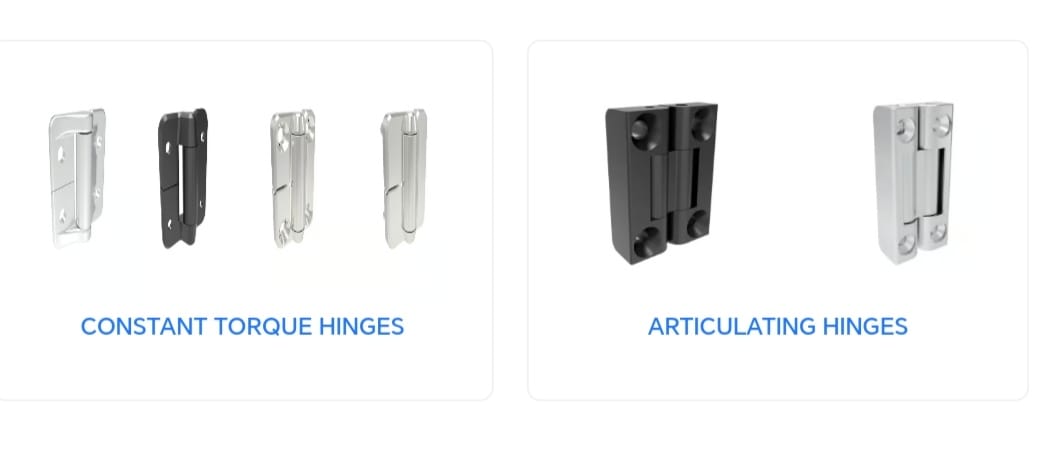
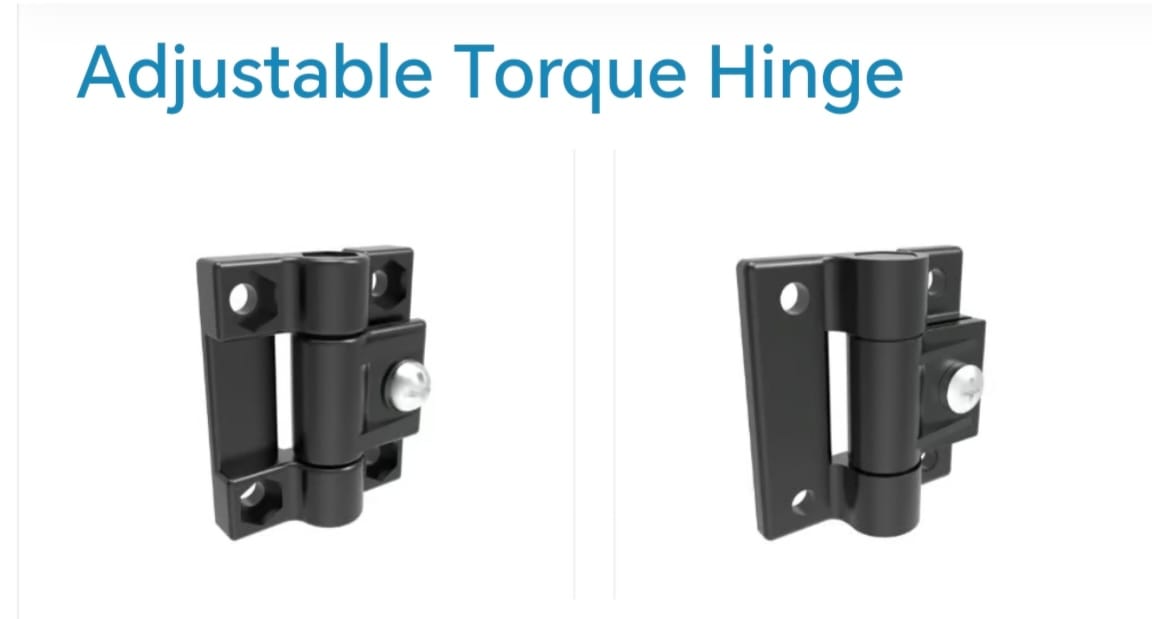
Adjustable Torque Hinges (Friction Hinges)
Adjustable torque hinges, also called friction. It refers to a hinge that uses friction to generate rotational resistance. Friction torque hinges typically contain friction elements, such as plastic or polymer washers, which generate resistance when two surfaces come into contact. This frictional force generates the required torque, enabling the hinge to achieve controllable and smooth rotation.
The core advantages are mainly two points:
• Flexible adaptive
The torque can be fine tuned according to usage conditions.
• Precision control
It is very suitable for applications that require fine movements, such as high-end display arms and precision instrument covers.
Core Advantages of Torque Hinges
While divided into two categories, both constant and adjustable torque hinges share critical benefits that make them ideal for high-end applications:
✅ Diverse Materials and Styles
• Stainless steel, zinc alloy, and engineering plastics for corrosion resistance, high-temperature tolerance, etc.
• There are various installation methods available, including concealed, exposed, and pivot, to meet different design requirements.
✅ Extended Lifespan & Reusability
• Precision engineering ensures hundreds of thousands of cycles without performance degradation.
• Perfect for frequently operated equipment like server racks and automated control panels.
✅ Easy Installation & Broad Compatibility
• Can support screw installation, snap in, welding, and other installation methods.
• Different thicknesses of panels can be adapted to reduce the cost of structural modification.
✅ Stable Performance, Maintenance-Free
• Constant torque design prevents loosening or stiffness due to wear.
• No lubrication or periodic adjustments needed, lowering maintenance expenses.
How to Choose the Right Torque Hinge?
You may consider these factors when selecting a torque hinge:
1. Load Requirements
The weight of the door/panel determines the torque needed (e.g., 1Nm–5Nm).
2. Motion Type
Does the application require multi-angle positioning or folding capability?
3. Environmental Suitability
Outdoor use demands corrosion-resistant materials; high-temperature environments require heat-resistant designs.
4. Installation Space
Compact devices need ultra-thin hinges.
About Fornd
Fornd’s torque hinges are built tough—each one goes through over 100,000 cycles of rigorous testing to ensure they hold up under pressure.
We’re innovators in hardware manufacturing, and we’ve poured our expertise into designing and producing high-performance torque hinges that deliver. Our products are trusted worldwide, serving industries from industrial machinery to medical equipment and electronics.
Need something tailored? No problem. We handle custom orders, whether that means non-standard sizes, specific torque requirements, or unique surface finishes. If you’re in the market for torque hinges that combine reliability with precision, Fornd’s your go-to partner.