Most of us don’t pay attention to hinges until they start making trouble. A locker door that won’t shut right, an electrical panel that squeaks in the rain—suddenly this tiny piece of metal decides whether the inside stays safe or gets exposed. It’s in those small, ordinary moments that a hinge proves what it’s really worth.
That’s why Fornd has built its reputation around enclosure and cabinet hinges designed for real conditions—rain, heat, constant use, even the risk of tampering.
In this review, we’ll dive into the types of hinges you actually encounter in daily projects: from electrical enclosure hinges and electrical panel door hinges, to cabinet hinge locks, access panel hinges, and door hinges with locking pins. Along the way, we’ll look at what makes them durable, where they often fail, and how Fornd’s own products measure up against industry standards like ISO and ASTM salt spray tests.
Why Hinges Matter and Which Hinges Suit Electrical Enclosures?
Hinges don’t usually get much attention. They’re not shiny like the lock, and they don’t light up like the control panel. But they’re the part that does the hard work every single day—swinging doors open, holding them steady, and keeping the inside protected from dust, rain, or curious hands. When a hinge fails, you notice fast: doors sag, boxes rattle, and suddenly the whole enclosure feels cheap.
The Different Types You’ll Run Into
There isn’t just one “hinge” out there.
For electrical boxes you’ll see enclosure hinges, built to take on weather and heavy use.
On cabinets or lockers, it’s often simple locker external hinges of cabinets that just need to last through daily traffic.
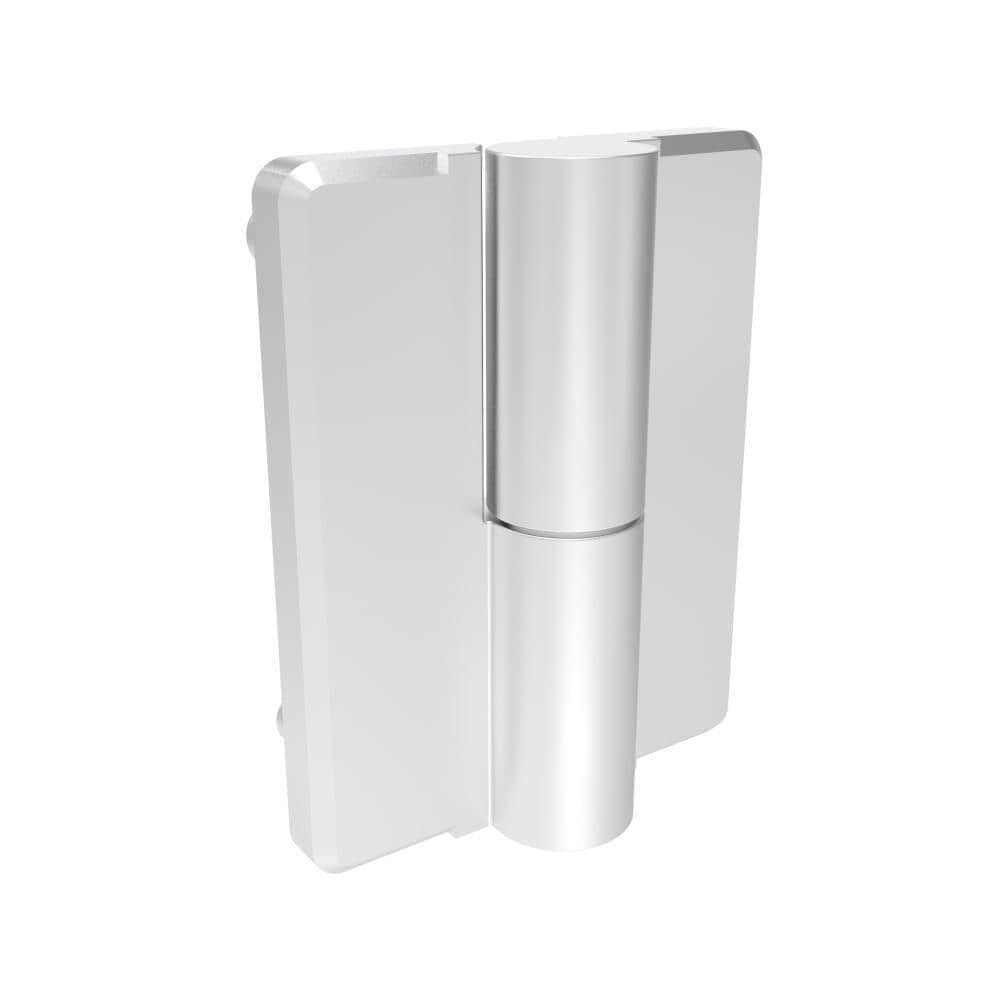
Then there are pin hinges—some with removable pins for quick access, others locked tight for extra security.
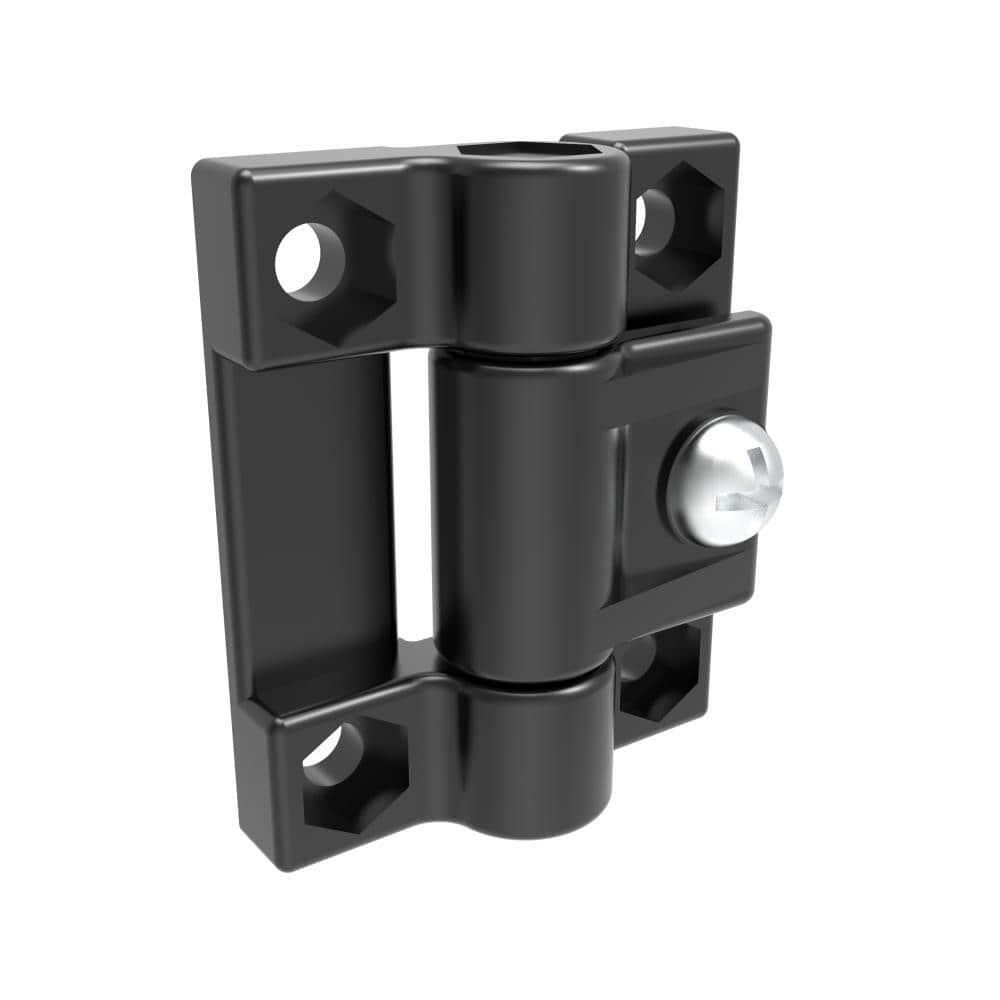
You’ll also find torque hinges that hold a door wherever you leave it, and corner or surface-mount hinges that make installation quicker.
You’ll also see cabinet hinge locks, which combine the hinge and lock function to save space and add extra security on small panels.
Each type solves a different problem, but together they remind us: the hinge may be small, yet it decides how solid the whole box feels.
Where Are Electrical Enclosure Hinges Most Critical?
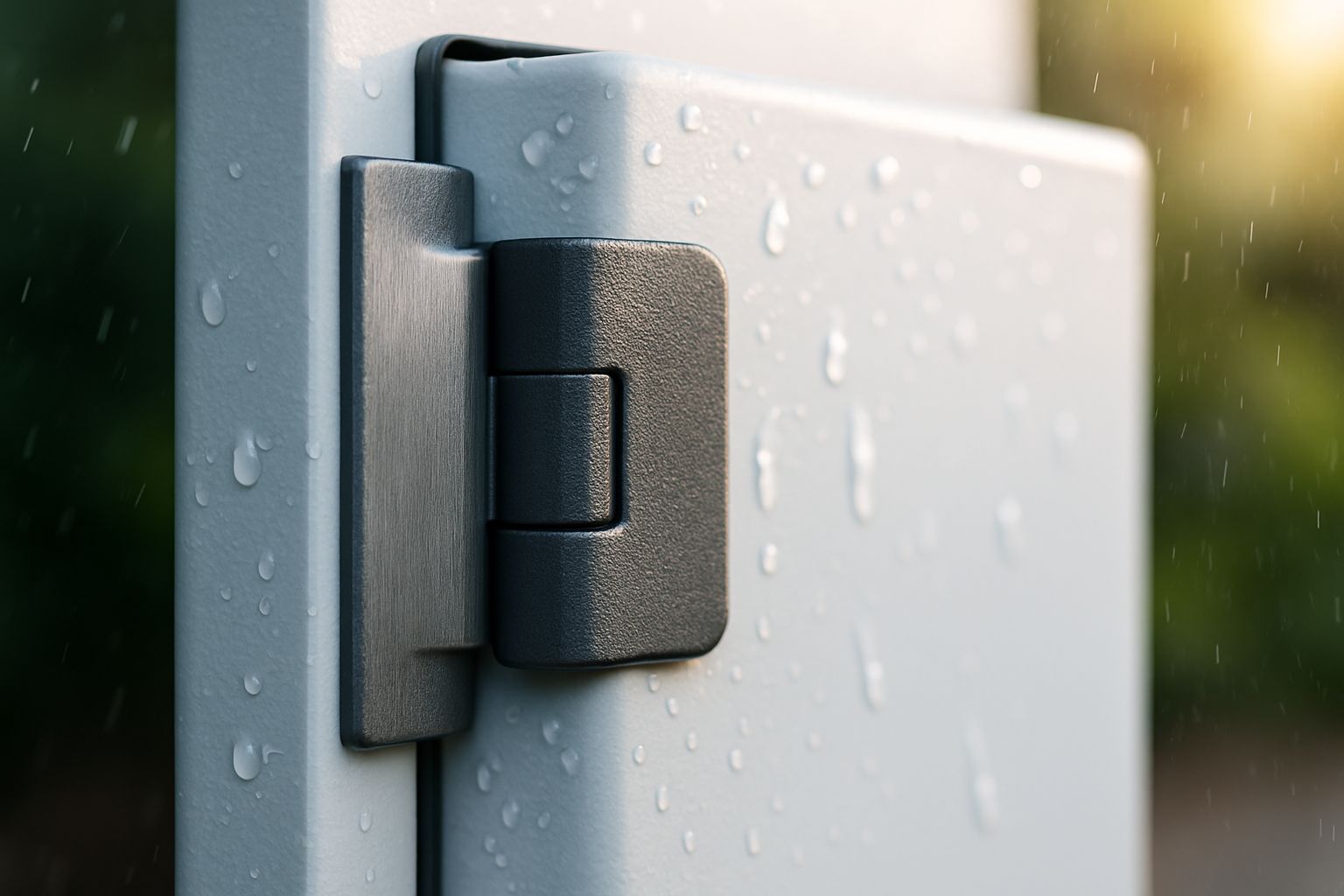
When people look at an electrical box, they usually notice the lock or the seal. But the hinge quietly takes the same hits—rain, dust, daily opening and closing. If it fails, the whole enclosure is at risk. So what really matters here?
Material and Corrosion Resistance
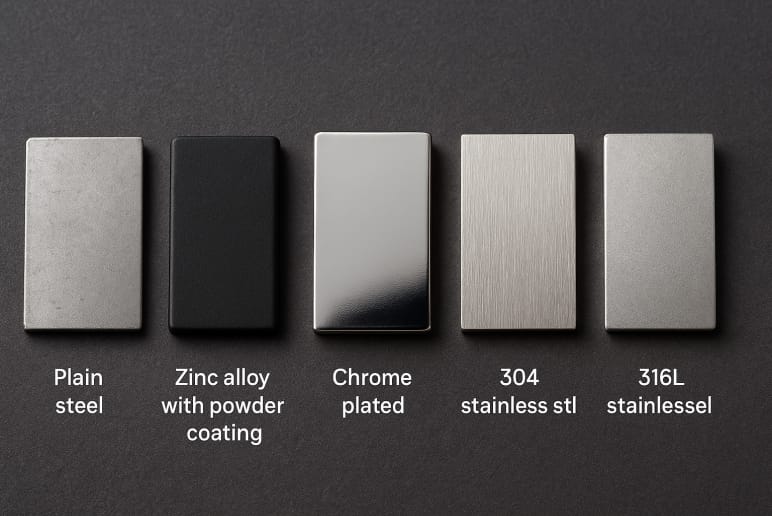
The metal decides how long a hinge will last. 316L stainless stands up to salty air and chemicals better than standard 304, while zinc alloy with powder coating works well for everyday cabinets and light outdoor use. A good rule: if a hinge can handle 500+ hours of salt spray testing (ASTM B117 or ISO 9227) without rust, it’s built for tough conditions.
Weatherproof and IP/NEMA Ratings
A strong gasket won’t save you if the hinge leaks. Outdoor enclosures often need IP65 or IP66, or NEMA 4 in the U.S. Hinges that sit flush and seal properly keep water and dust out of the weak spots.
Environmental Stress (Temperature, UV, Moisture)
From hot sun to cold nights, hinges take constant punishment. Cheap coatings crack, and plastics get brittle under UV. That’s why solid finishes like powder coating or chrome plating aren’t just cosmetic—they’re what keep a hinge from giving up after a season of abuse.
 Hinges
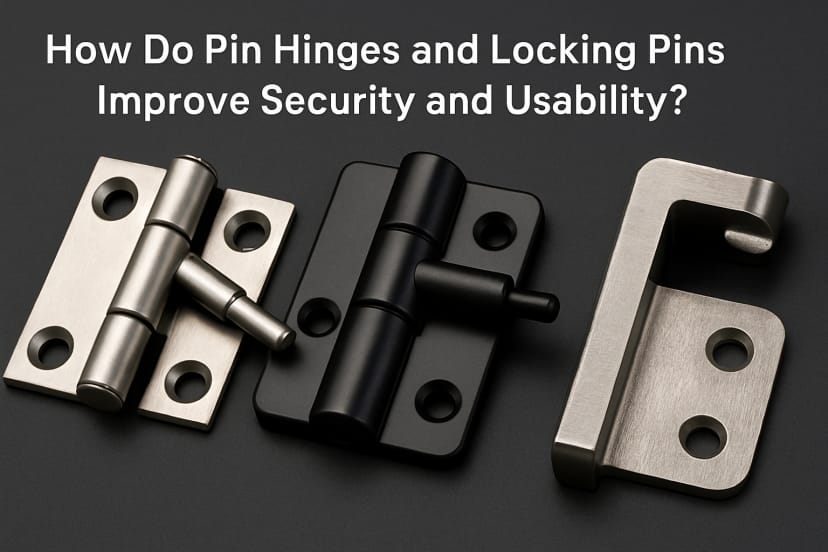
How Do Pin Hinges and Locking Pins Improve Security and Usability?
A door hinge with locking pin isn’t just about opening and closing—it’s also about who gets to open it, and how long it lasts. Pin design (especially that of the locking pin) can completely change how secure or convenient a door feels.
Removable Pin vs Non-Removable Pin (Safety Implications)
If you’ve ever struggled to remove a heavy panel for maintenance, you’ll appreciate a removable pin hinge—it lets you lift the door off in seconds. The trade-off? If the pin is too easy to pull, an intruder could do the same thing. That’s where non-removable pins or special locking features come in: harder to service, yes, but much harder to tamper with.
Locking Mechanisms and Tamper Resistance
For enclosures that protect sensitive equipment, a hinge with a locking pin is a smart safeguard. It keeps the door firmly in place even if someone tries to pry it open. Good designs also hide the screw heads or cover them entirely, which doesn’t just improve security—it keeps out dust, insects, and even small rodents that love to squeeze through tiny gaps.
Load Capacity and Repeated Cycles
Think about how often a cabinet door is opened in a factory or workshop. A “light-use” hinge might only last a year before it starts to sag. That’s why cycle testing matters. The industry benchmark is around 20,000 open/close cycles—but high-end hinges can push past 50,000 without loosening. For busy environments, that difference isn’t just numbers on paper; it’s years of reliable service.
Why Use Door Hinges with Locking Pins?
It’s one thing for a hinge to look good in a catalog; it’s another to actually install it on a heavy panel or keep it working year after year. Most problems users complain about aren’t exotic—they’re the small frustrations during mounting and maintenance.
Ease of Mounting / Alignment
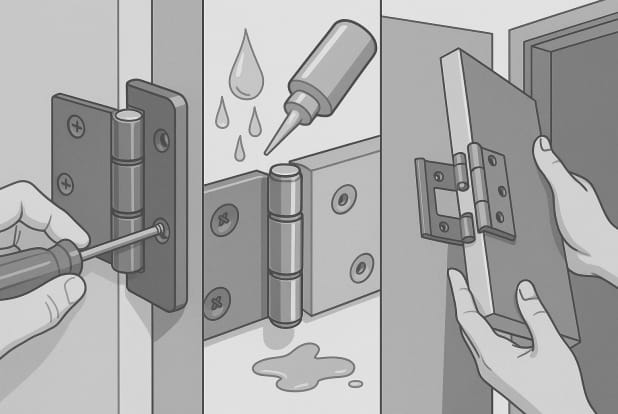
If the holes don’t line up, nothing else matters. A crooked hinge means a crooked door, which means leaks, rattling, and wasted time trying to force it into place. Well-designed hinges solve this with standardized hole spacing, slotted adjustments, or included templates that make alignment fast and foolproof.
Lubrication, Cleaning, and Durability
Anyone who’s worked in a dusty plant knows hinges collect grime in the knuckles. If they’re hard to clean or oil, wear shows up fast. That’s why good surface finishes—like powder coating or chrome plating—aren’t just cosmetic. They resist dirt buildup and make it easier to wipe down or re-lubricate, keeping the hinge running smoothly for years.
Fit with Enclosure Panels / Access Panels / Cabinet Doors
A hinge only works if it actually fits the panel. Thickness, leaf width, and pin diameter all need to match. And then there’s the swing angle: some jobs are fine with 90°, others need 120° or even a full 180° so technicians can reach inside without fighting the door. Lift-off hinges shine on access panels where frequent removal is expected, while locker hinges focus on long-term durability and safety.
Is the Cost Worth the Performance?
At first glance, a hinge feels like the last place you’d want to overspend. But once you’ve had a rusty door sagging after only two years, you realize the real cost isn’t just the hinge—it’s the downtime, the repairs, and the frustration. Sometimes paying a bit more upfront buys you years of peace of mind.
Material Cost & Finish Options
Here’s a quick way to think about materials and finishes:
Material / Finish | Cost Level | How Long It Lasts | Where It Makes Sense | Quick Take |
304 Stainless Steel | Medium-High | Solid corrosion resistance | Everyday enclosures, both indoor and outdoor | A safe, balanced choice |
316L Stainless Steel | High | Excellent even in salty or chemical-heavy air | Coastal areas, chemical plants | The “buy once, cry once” option |
Zinc Alloy + Powder Coating | Medium | Good if the coating is done right | Lockers, cabinets, general electrical boxes | Value choice with decent looks |
Chrome Plating | Medium | Resists scratches, keeps a clean finish | Access panels or places people see | More about appearance + basic protection |
Plain Steel (No Finish) | Low | Rust quickly without extra care | Low-use indoor lockers | Only makes sense if cost is everything |
Transportation & Weight Considerations
Heavy stainless hinges are rock-solid, but they’re heavy in every sense—shipping, handling, and installation. For really large doors, that extra weight can be a pain. Lighter alloys with good coatings are often easier on installers and your budget, while still strong enough to do the job.
Longevity vs Replacement Frequency
Cheap hinges are like cheap shoes: fine until they fall apart, and then you’re stuck replacing them sooner than you’d like. Spending a little more for a hinge that holds up through tens of thousands of cycles means fewer headaches, fewer emergency fixes, and fewer calls to maintenance.
What Makes Fornd Stand Out?
Fornd isn’t just matching the basics—it focuses on hinges that feel reliable in daily use, from corner externals to surface-mount and torque designs. With zinc alloy and stainless steel options plus solid compliance standards, the lineup aims for both durability and ease of use.
Fornd Product Lineup
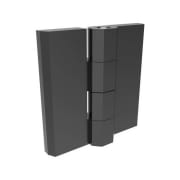
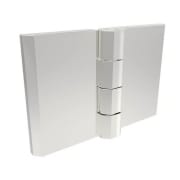
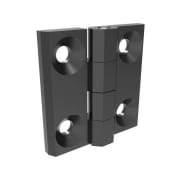
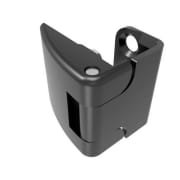
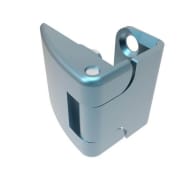
Here are six real Fornd hinge models with their published specs:
Image | Products | Material & Finish
| Key Specs
| Features | Link |
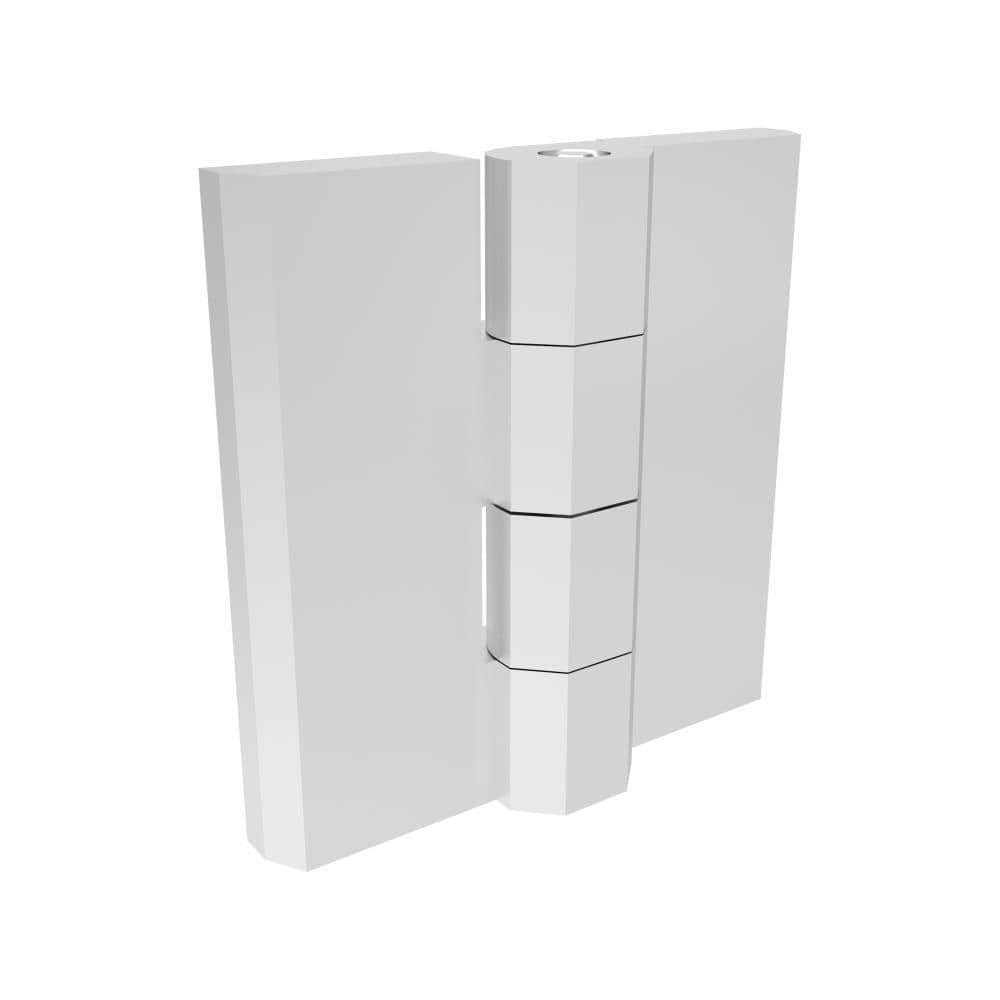
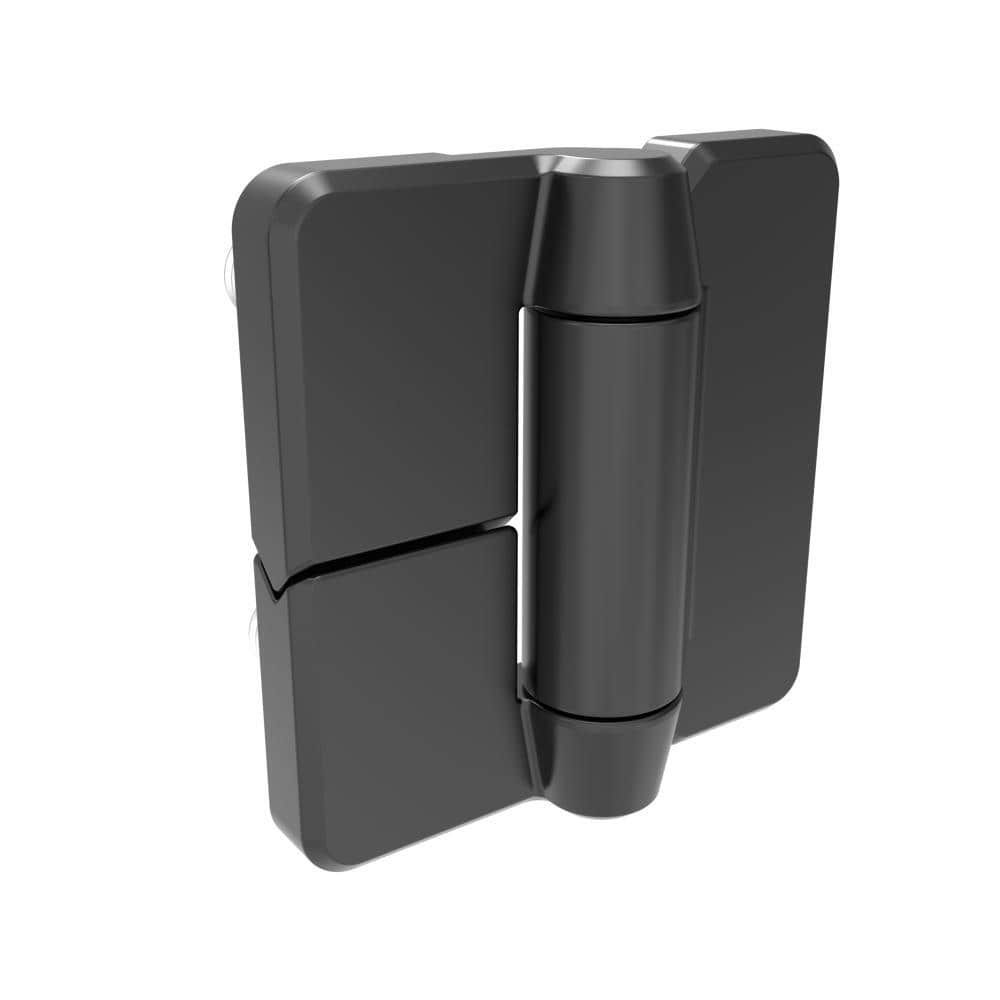
| H1-2232-42 Corner Door Hinge | Zinc alloy, powder coated black | Corner external mount; allows full 180° door swing | Lift-off/removable design for quick door removal | |
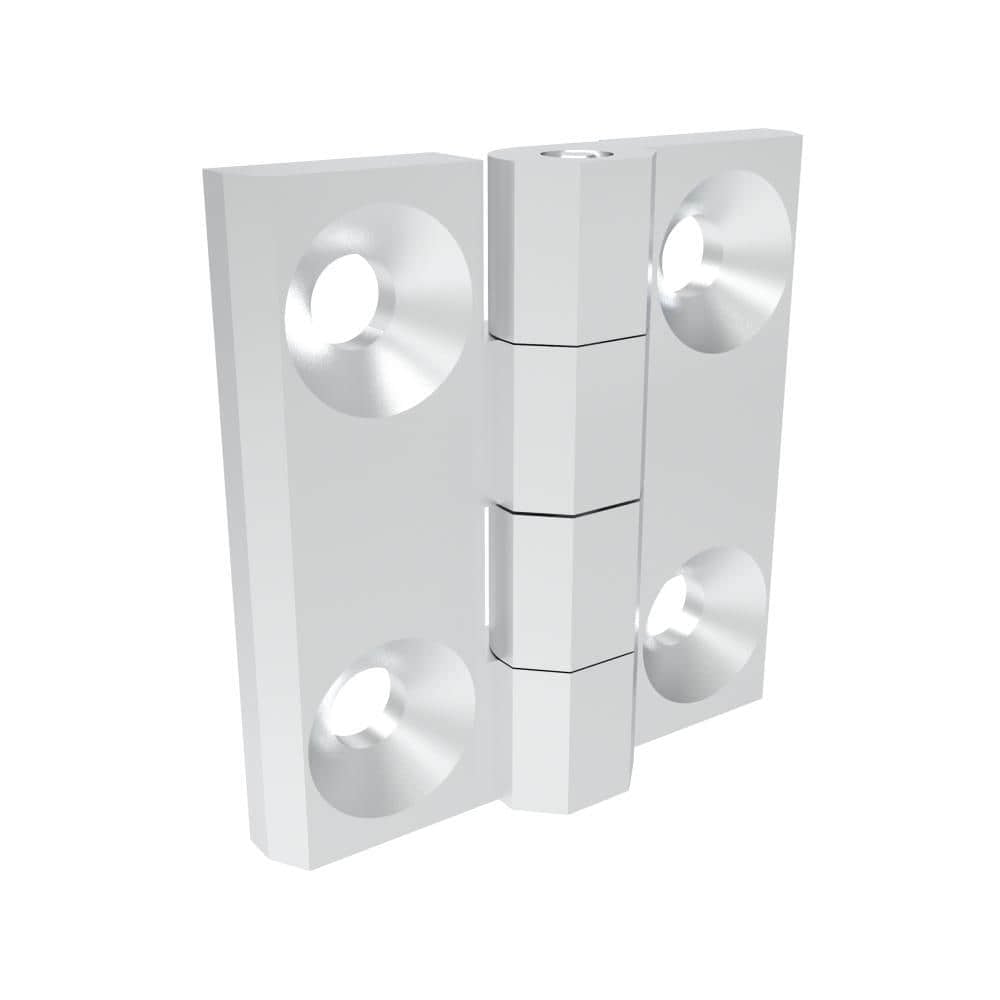
| H1-2101-401-40 Surface Fixed Hinge | Zinc alloy, powder coated black | 40×40 mm; M4 stud mount; nut fixing | Compact, fixed pin design | https://fornd.com/product/surface-mount-hinges-h1-2101-401-40 |
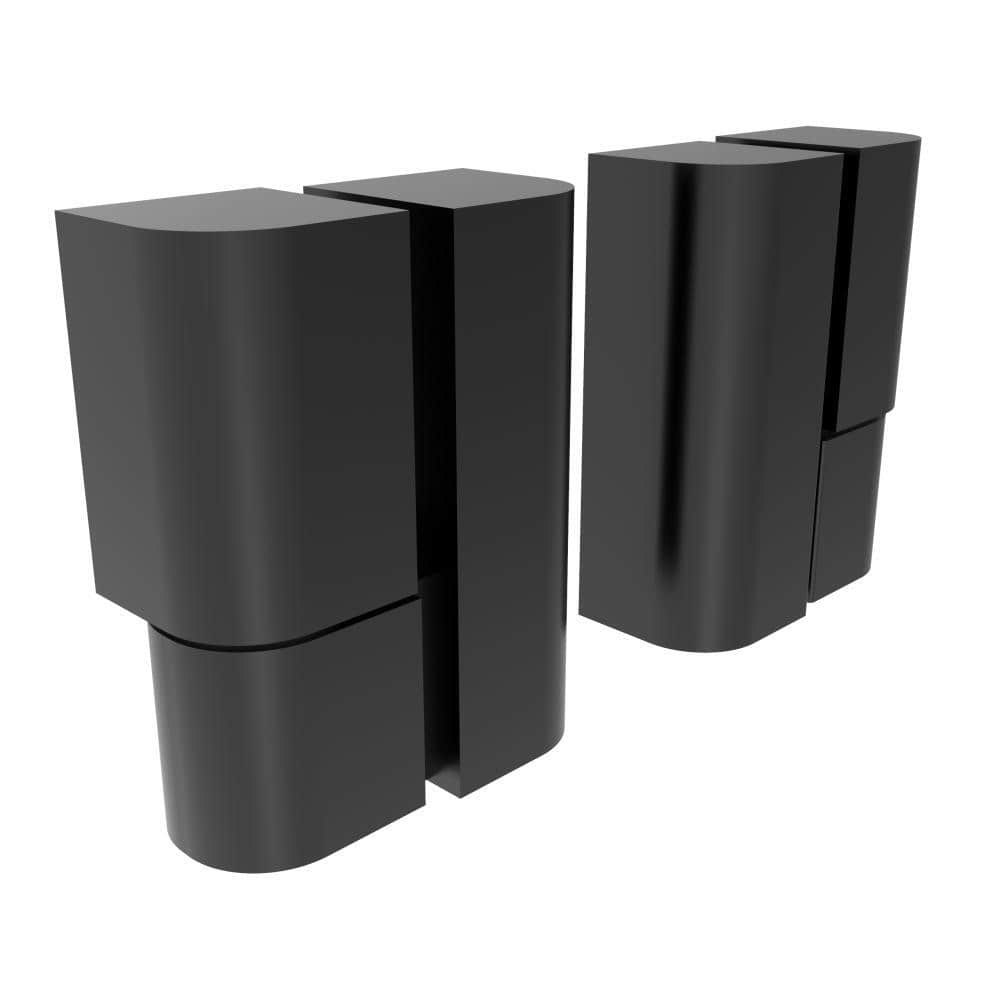
| H2-2316-40 Corner Door Hinge | Zinc alloy, powder coated black | Corner external hinge; screw mount | Full 180° swing; embedded style | https://fornd.com/product/surface-mount-hinges-h1-2101-5761-a1 |
| H2-2316-46 Corner Door Hinge | Zinc alloy, powder coated green | Similar to above, alternate finish | Visual differentiation; same 180° swing | https://fornd.com/product/surface-mount-hinges-h1-2101-400-40 |
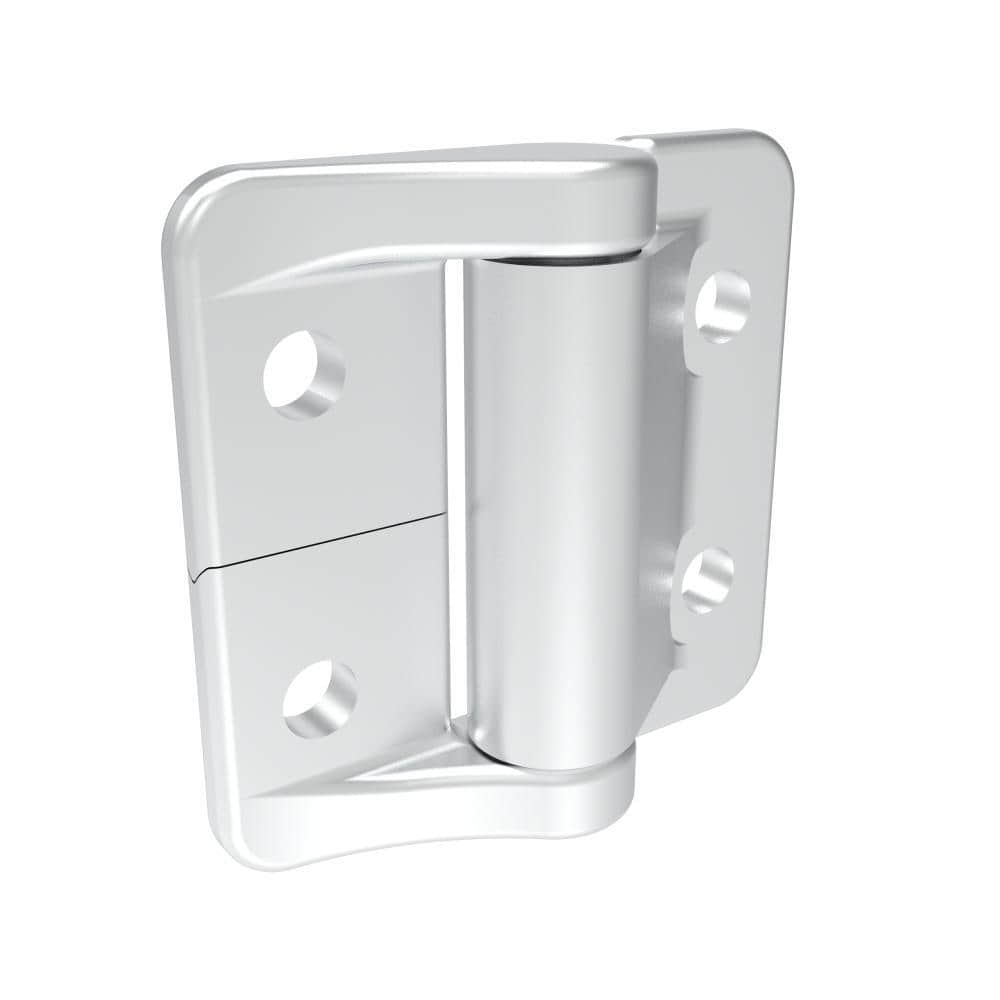
| H1-2423-601-40 Constant Torque Hinge | Zinc alloy, powder coated black | 60×60 mm; M6 stud installation | Provides preset torque; holds panels without drift | |
| H1-2230-A1 Corner External Hinge | Stainless steel, polished finish | Corner hinge variant | Better corrosion resistance for outdoor use |
How Does Fornd Compared with General Products?
What We Look At | Market Products (General) | Fornd Products |
Rust Resistance | Usually say “200–500 hours salt spray” on paper, but in real life the coating chips and rust creeps in faster. | Uses powder coating, chrome plating, and stainless options that actually hold up outdoors—less worry about surprise rust. |
Cycle Life | Many stop around 20,000 open/close cycles. Fine for light use, but heavy doors often feel loose sooner. | Built for tougher use—knuckle design and torque hinges that keep the door steady and last much longer. |
Installation | Can be a headache: holes don’t line up, no templates, and heavy stainless can be tough to mount. | Corner and surface-mount styles are designed to fit panels easily. Hole spacing is consistent, so setup feels smoother. |
Design Options | Mostly the basics: plain steel or stainless, not much variety. | Offers lift-off styles, constant torque hinges, corner externals—options that actually solve day-to-day problems. |
Standards & Compliance | Specs are sometimes vague, not always clear if they meet UL or REACH. | Clearly states compliance with REACH and UL FTTA2/FTTA8, so you know what you’re getting. |
Everyday Use | Doors start squeaking or stiffening after a year; often need extra oiling. | Finishes resist dirt and moisture, smoother operation with less fuss over maintenance. |
FAQs
Does Hinge Cycle Count Really Matter?
It does. Think about it—open a panel 50 times a day, that’s almost 18,000 cycles in a year. If your hinge is only rated at 10,000, it could start wobbling or failing in just a few months.
How Long Can Coated Non-Stainless Hinges Resist Rust?
With good galvanization and powder coating, you might get 200–300 hours in salt spray tests, which translates to a few years indoors. But outside, especially near the coast, rust shows up much faster. That’s when stainless steel earns its price tag.
Should I Choose Removable Or Non-Removable Pins?
It depends on what you need. Removable pins make maintenance a breeze—you can lift the door off anytime. But if security is your top concern, go for non-removable pins or locking pin designs, so nobody can just pop the door off.
Fornd offers a wide portfolio of corner external, surface-mount, and torque hinges. Explore https://fornd.com/ and match your enclosure, locker, or cabinet project with the hinge that ensures both safety and durability.