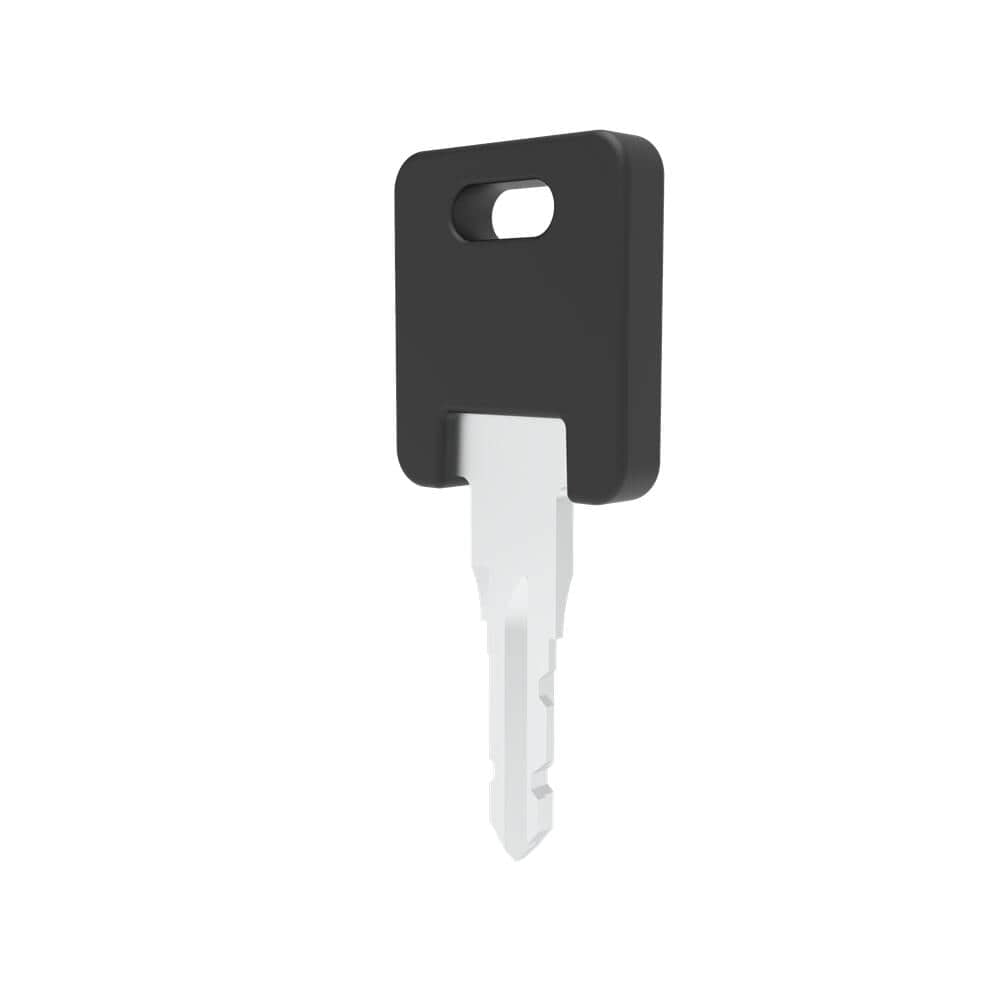
When we look back at the development history of car locks, from the early pure mechanical structure to the current intelligent system, they have undergone significant technological iterations and upgrades, with qualitative improvements in security, convenience and intelligence. Modern car locks, as an important component of automotive passive safety systems, have developed into comprehensive systems integrating technologies from multiple fields such as precision mechanics, electronic control, and wireless communication.
Fornd have been deeply involved in the field of locks for many years, providing high-quality automotive lock solutions to global customers. Whether it's traditional mechanical locks or modern intelligent lock systems, Fornd can provide professional customization services to meet the needs of different car models and users.
The Main Types of Car Locks
As mentioned earlier, have undergone an evolution from pure mechanical to electronic intelligence in car lock technology. Currently, there are three main types in the market:
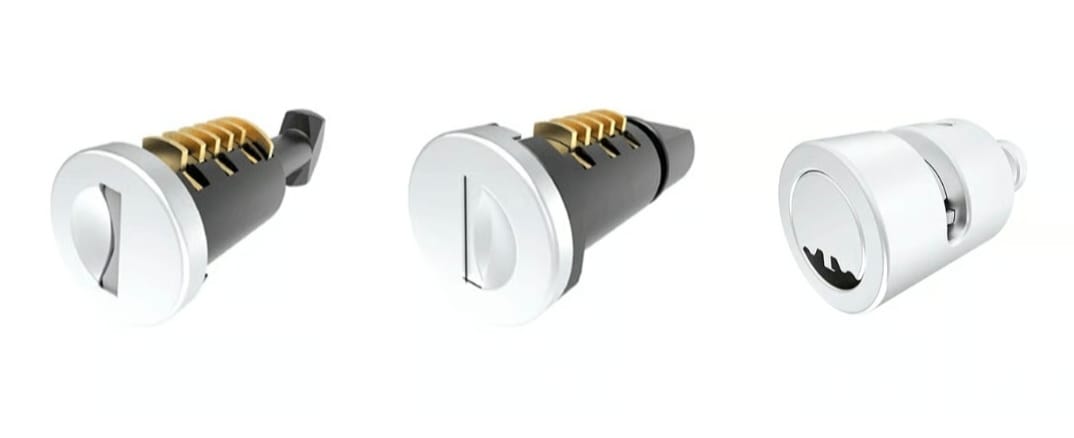
Mechanical Lock Core
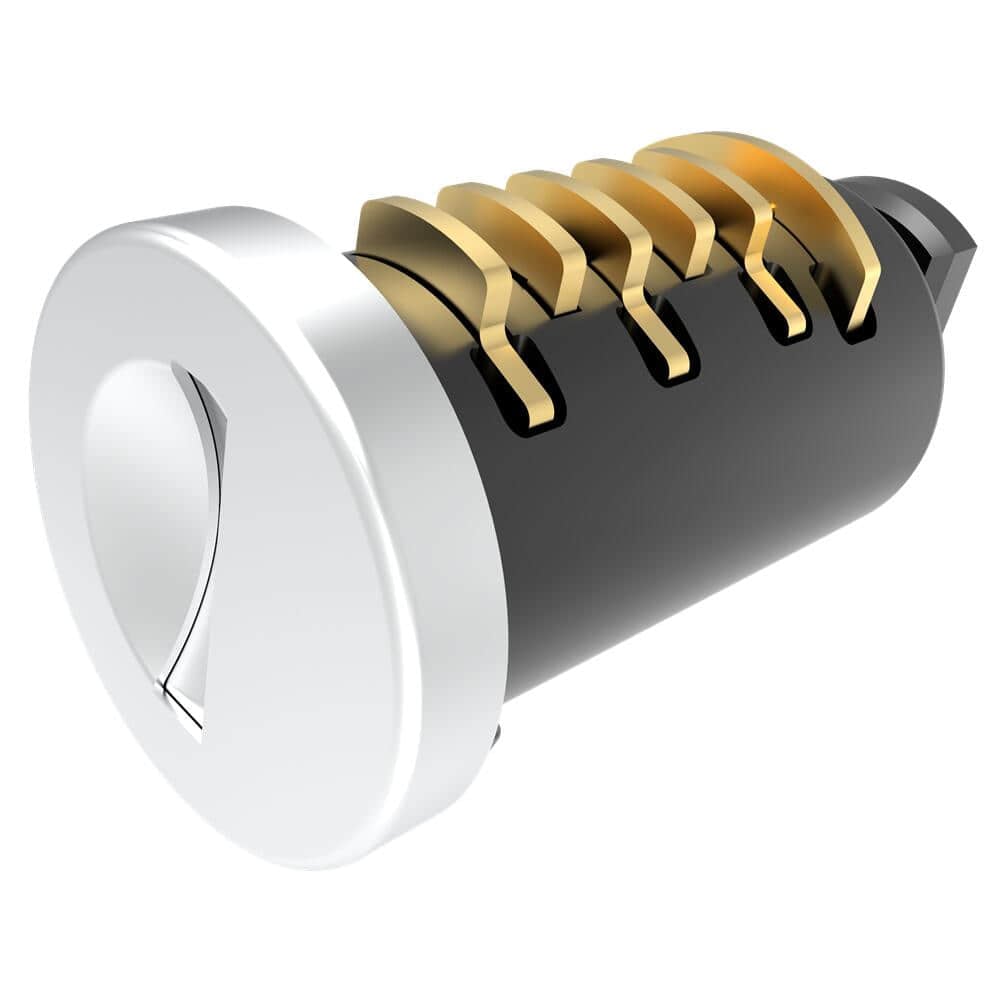
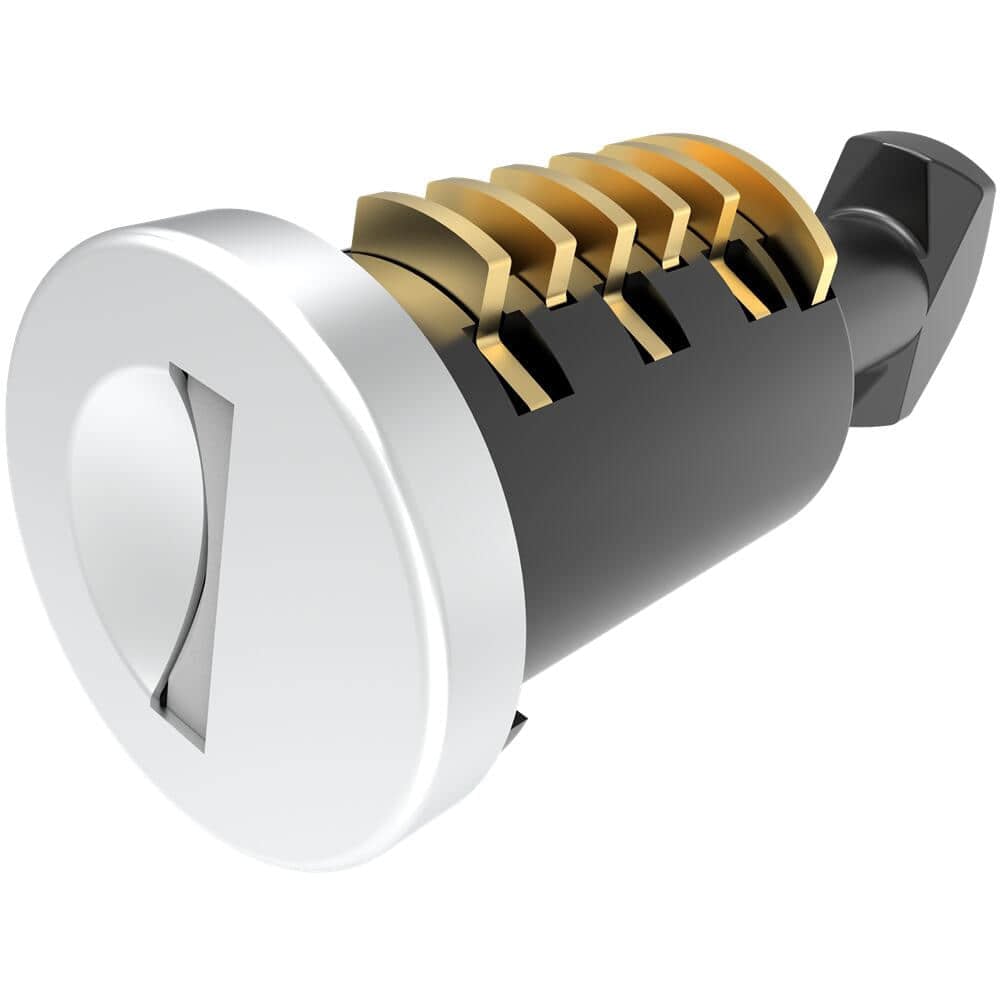
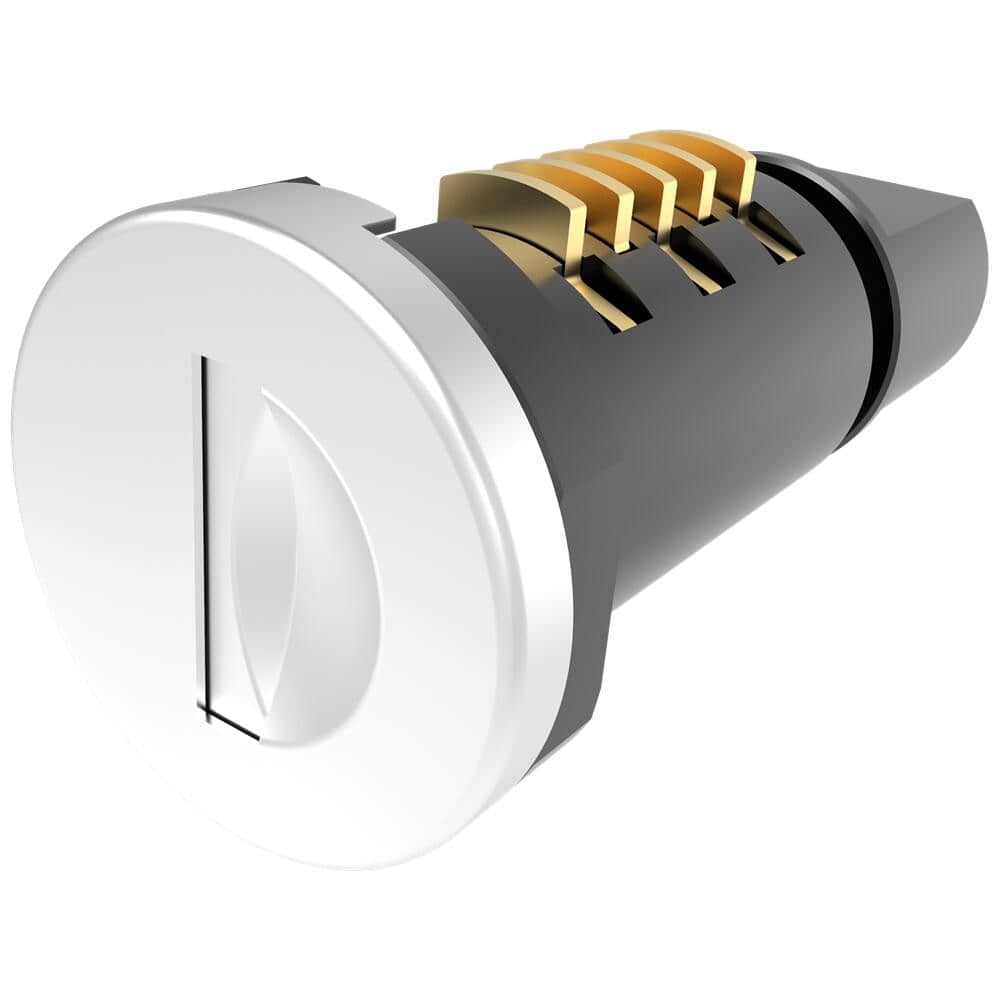
Mechanical locks can be said to be the most enduring existence in the field of automotive safety, and their core lies in the precise pin structure.
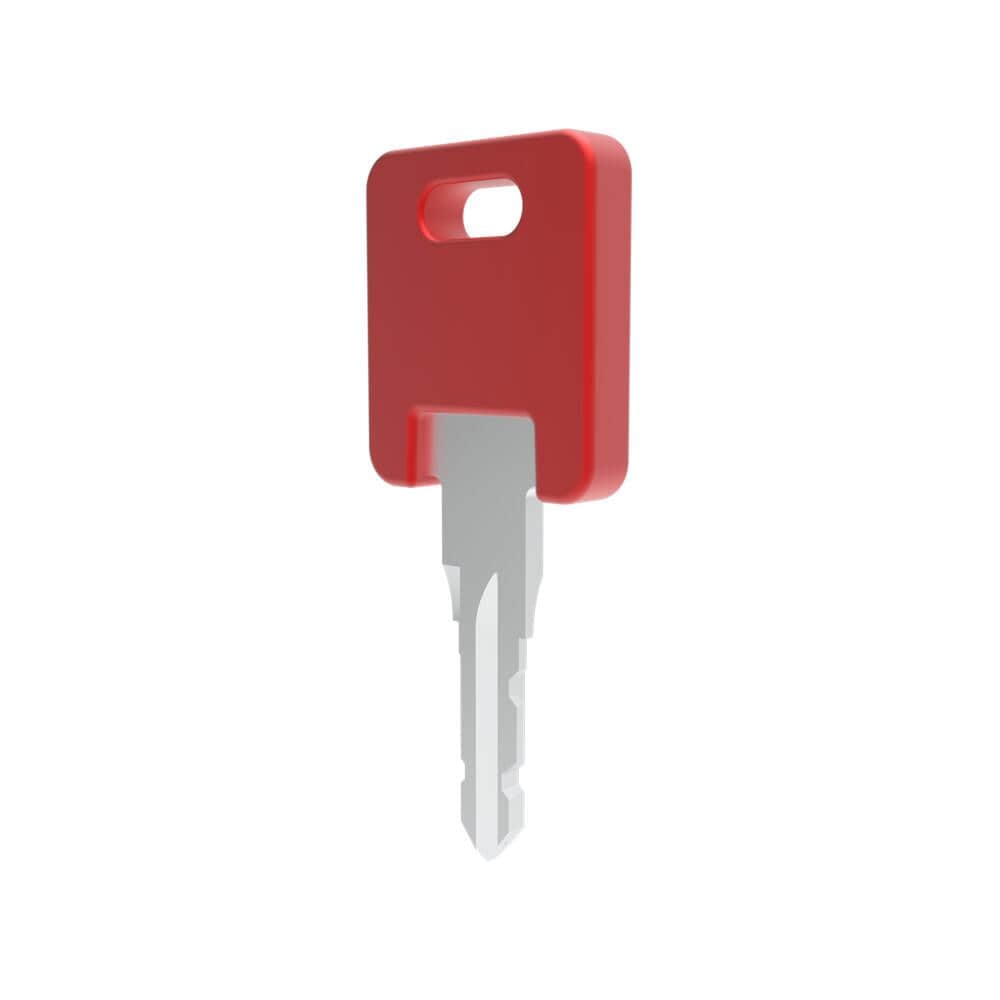
You can imagine that when you insert the correct key, the key teeth and the pins inside the lock cylinder are perfectly matched, and all the pins are pushed to the same height. In this way, the lock cylinder can rotate and drive the interlocking mechanism to open the car door.The principle of 'one key opens one lock' is hidden in these marbles of varying lengths.
To summarize, the workflow of a mechanical lock is as follows:
Insert the key → Align the pin with the cutting line → Rotate the lock cylinder → Drive the transmission rod → Retract the lock tongue
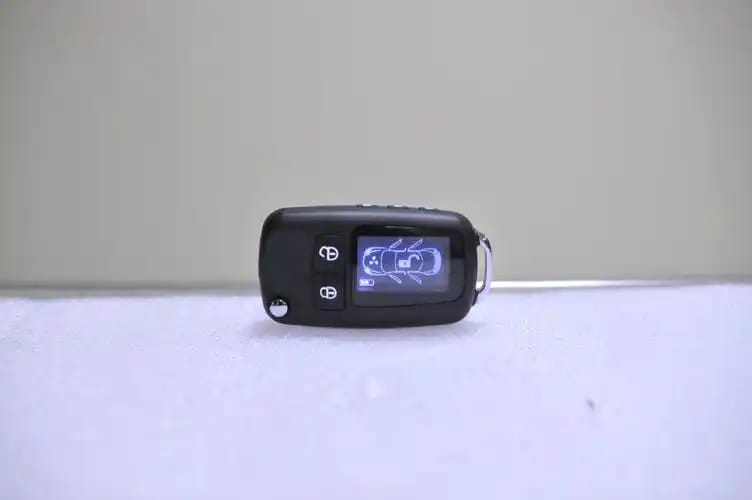
Intelligent Keyless System
The intelligent keyless system of modern cars automatically unlocks, which looks like magic and essentially relies on the following technologies working together:
1. Low frequency wake-up antenna (usually arranged at the door handle)
2. RFID chip inside the smart key
3. Body control module (BCM)
4. Capacitive touch sensor
When you approach the vehicle with the key (within a range of about 2 meters), the body antenna will emit a 125kHz low-frequency signal to wake up the key, and the key will respond with a 433MHz high-frequency authentication signal. After verification, simply touch the door handle to unlock - the entire process is completed within 0.3 seconds.
Apart from the above two types, the central lock for automobiles is currently the most commonly used type.
Central Locking System
Central Locking System, abbreviated as CLS. It is an electronic system that simultaneously locks or unlocks all the car doors through a single control point. To a large extent, it has enhanced the convenience and safety of vehicle use, enabling drivers to lock the entire vehicle without having to operate each door one by one. They only need to press the remote key or the button inside the vehicle.
1. System structure
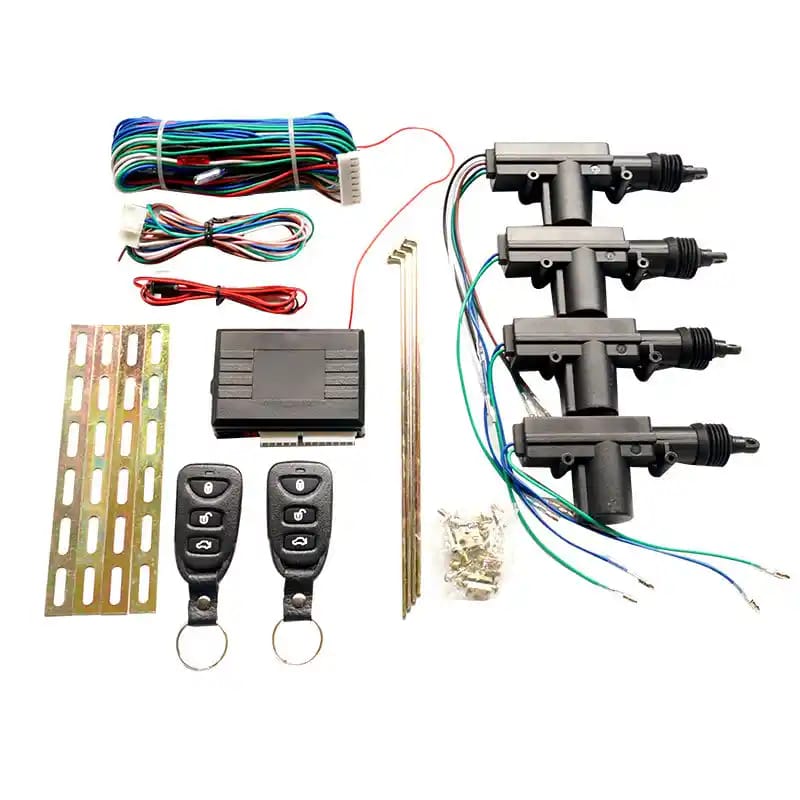
The central lock is mainly composed of the following core components:
• Control Module (ECU): As the brain of the entire system, it receives signals from remote keys or door switches and commands the actions of the actuator.
• Actuator (door lock motor): The actuator is an electric motor or solenoid valve installed inside each door, mainly responsible for pushing the lock tongue to complete the locking/unlocking action.
• Remote key (RF transmitter): It sends instructions to the ECU via radio signals (typically in the 315MHz or 433MHz frequency band).
• Door switch/button: Generally, some models are equipped with manual control buttons inside the vehicle, which is convenient for the driver to operate.
• Wiring harnesses and sensors: Used to connect various components and monitor the status of the car door (such as whether it is tightly closed).
2. Working Principle
The workflow of a central lock is closely linked to its system structure and is basically carried out in the following steps:
• Signal input
When the driver presses the "Lock" or "Unlock" button on the remote key, the signal is transmitted via radio to the receiver inside the vehicle. Or trigger the signal by mechanically rotating the in-car button or key (for some low-end models).
• ECU processing
The control module verifies the legitimacy of the signal (such as matching key encoding), and after confirmation, sends instructions to each door actuator.
• Actuator action
The motor or solenoid valve of each car door is powered on, driving the lock tongue to move to complete the locking or unlocking. Some high-end models can be linked to raise and lower the trunk, fuel tank cap and even the car Windows.
• Feedback and safety mechanisms
The system detects the status of the car doors. If a certain door is not closed tightly, it may refuse to lock the car or issue an alarm (such as a hazard warning). Its anti-misoperation design requires that for some models, the remote key needs to be pressed twice in a short period of time to unlock the entire vehicle.
3. Technological advantages
Compared with the traditional mechanical locks mentioned above, the advantages of the central lock system are very obvious.
In terms of convenience, it supports one-click operation of all vehicle locks, making it particularly suitable for multi-door models such as MPVS and SUVs. In terms of security, it supports anti-theft alarm linkage (such as the alarm triggered by illegal lock picking), and the remote control signal is encrypted to prevent cracking. In addition, the central lock has a high degree of integration and can be linked with other functions (such as automatic window lifting, seat memory, etc.). It features high reliability and is electronically controlled to reduce the wear of mechanical keys.
4. Application and Development
Nowadays, one of the standard features of modern cars is the center lock system, which is constantly being upgraded with the advancement of technology
• Keyless Entry: When you bring the key close to the vehicle, it will unlock automatically. Correspondingly,
It will lock automatically when you leave.
• Mobile phone Bluetooth /NFC unlocking: Complete the operation through the smartphone APP or by touching the door handle (such as some Tesla models).
• Biometric recognition: Fingerprint or facial recognition unlocking (experimental application in high-end models).
From the above content, it can be seen that the central lock of a car is a manifestation of greater convenience and also a major symbol of the electronic and intelligent development of automobiles. For drivers, understanding its principle not only enables them to use and maintain their vehicles better, but also allows them to quickly identify the problem when encountering a malfunction.
About Fornd
Fornd is an innovator in the field of lock security. It offers a full range of standard locks and also supports personalized customization services.
Fornd's engineering team is always ready to address your special needs and provide free sample experiences. Safety is not just about protection, but also a commitment to a quality life, which is Fornd's steadfast belief.