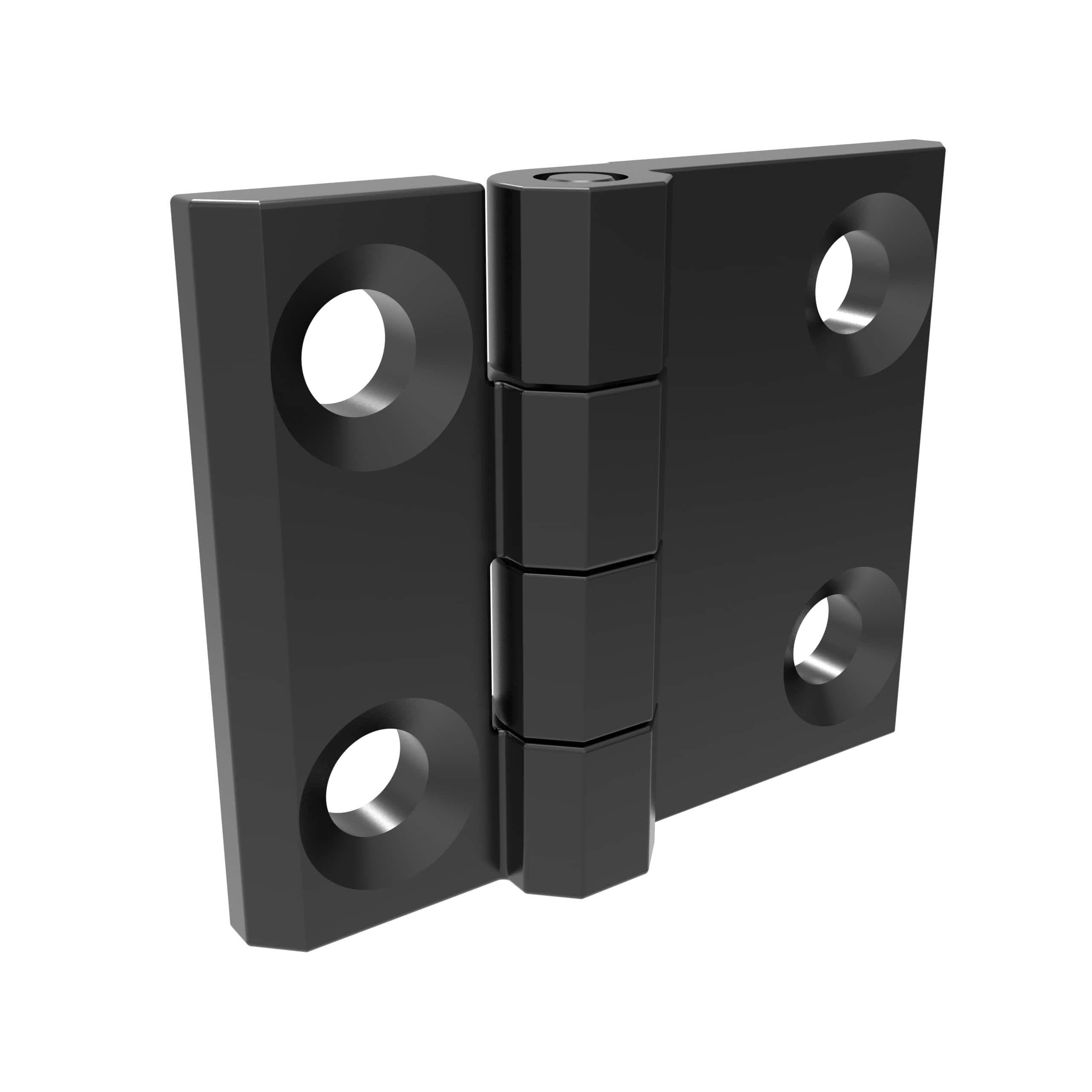
Prominent, surface-mounted doors are very common in industrial and commercial settings. These doors sit on the outside of a frame instead of fitting inside it. This design is often used for electrical cabinets, large enclosures, and vehicle storage compartments. The hinges used for these doors are very important because they support the entire weight of the door and control how it moves.
You should read this guide because it will help you understand the various kinds of hinges created for doors that are placed on the surface. Door that sags, won't close right, or isn't safe are all problems that can be caused by bad hinges. If you know what options you have, you can pick the best hinge for your job. With this information, you can be sure that your door works well, stays locked, and lasts a long time.
Choosing the right hinge is essential for safety and function. For high-quality hardware for these applications, many professionals usually rely on expert manufacturers like Fornd, a company known for its durable and reliable industrial components.
What Are Surface-Mounted Hinges?
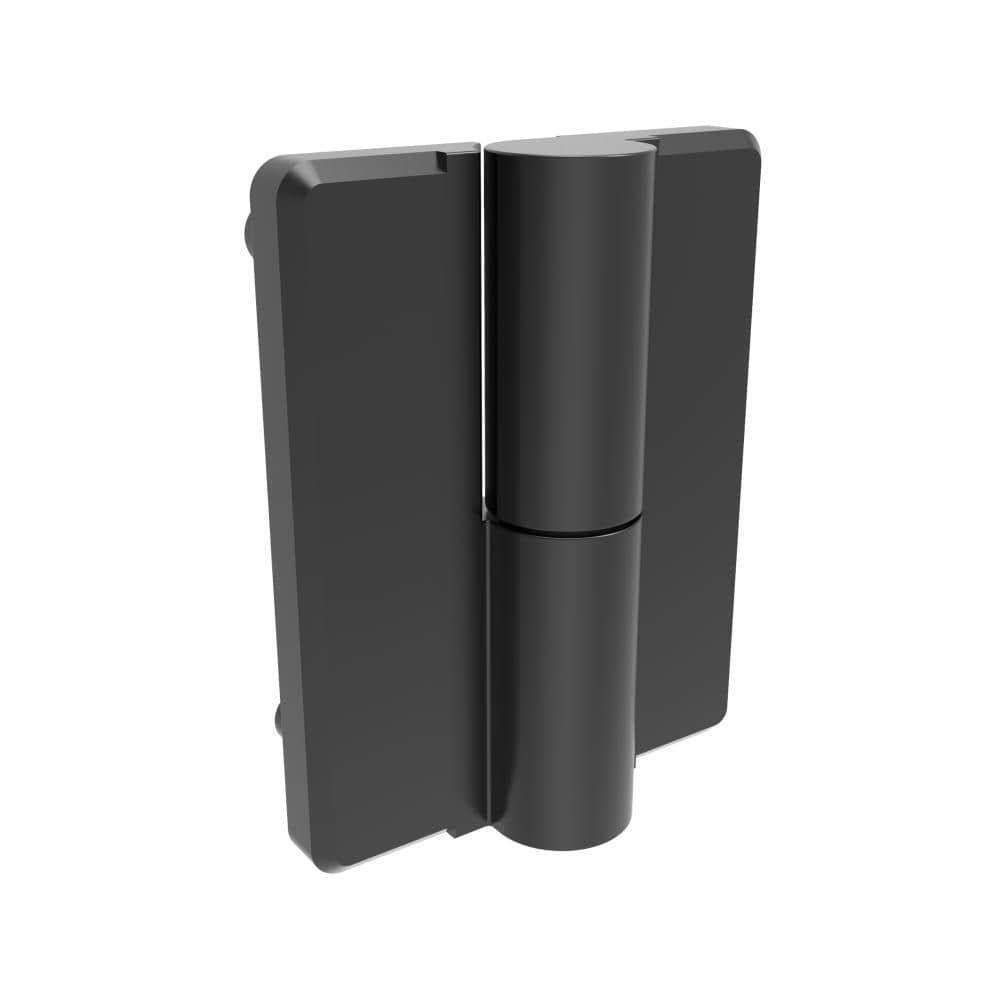
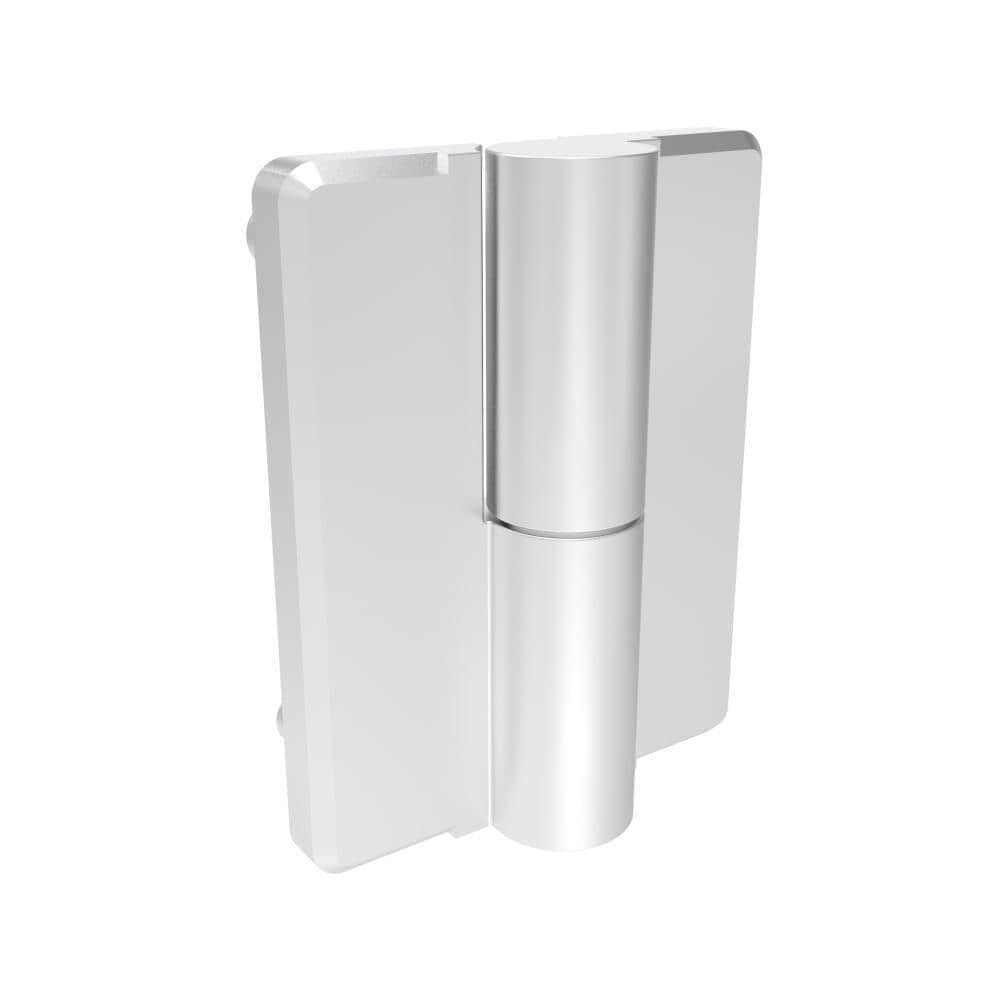
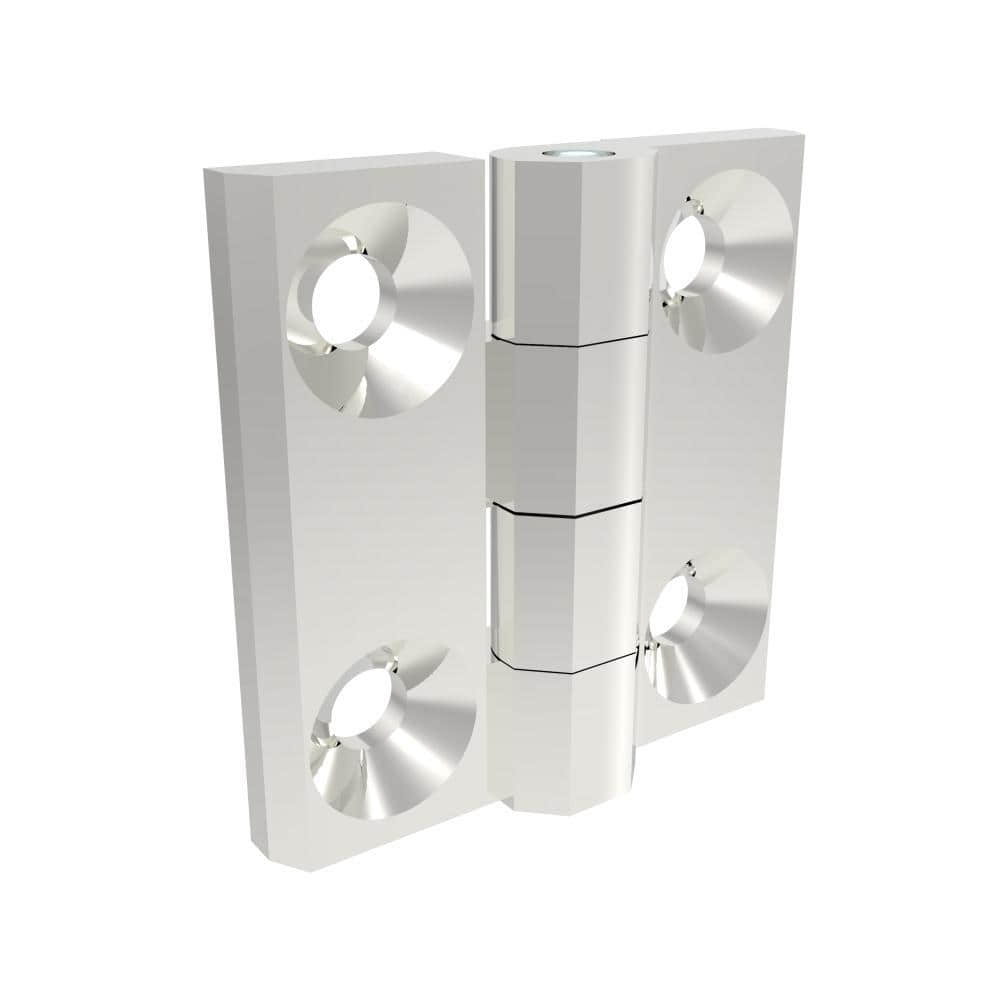
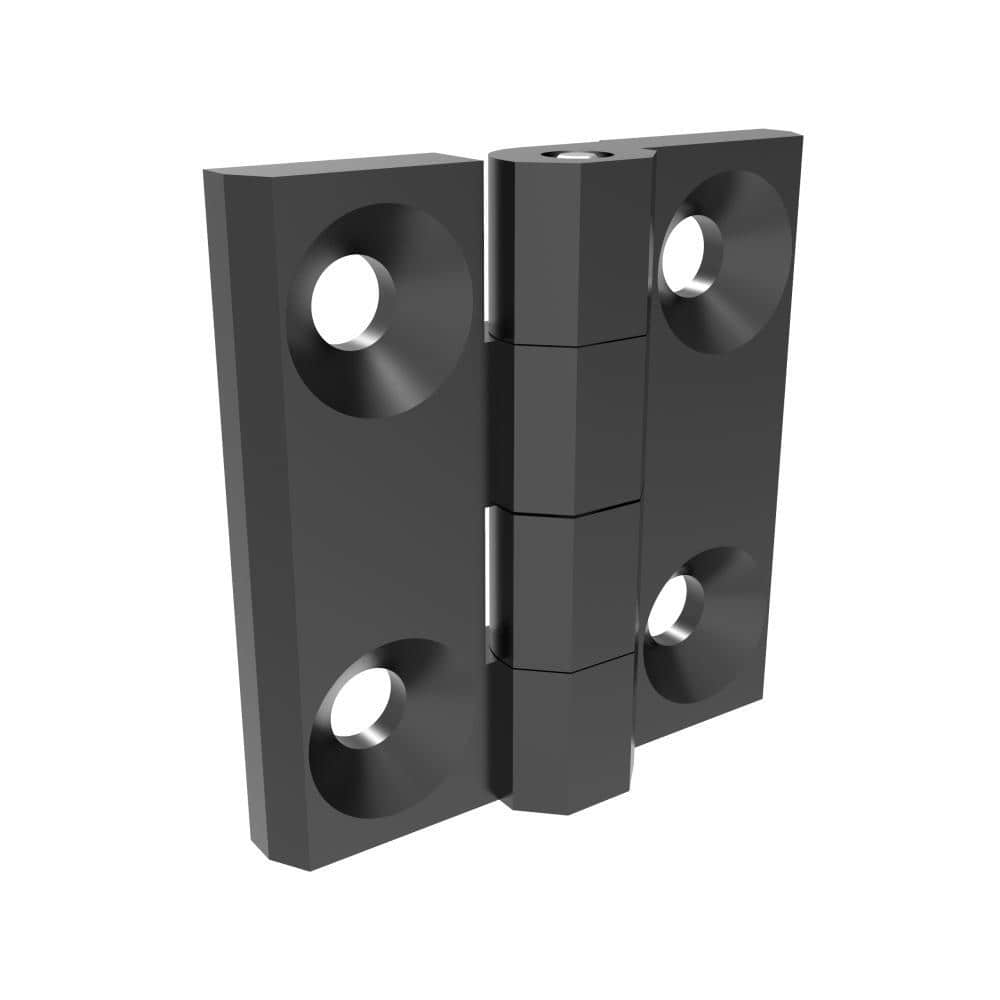
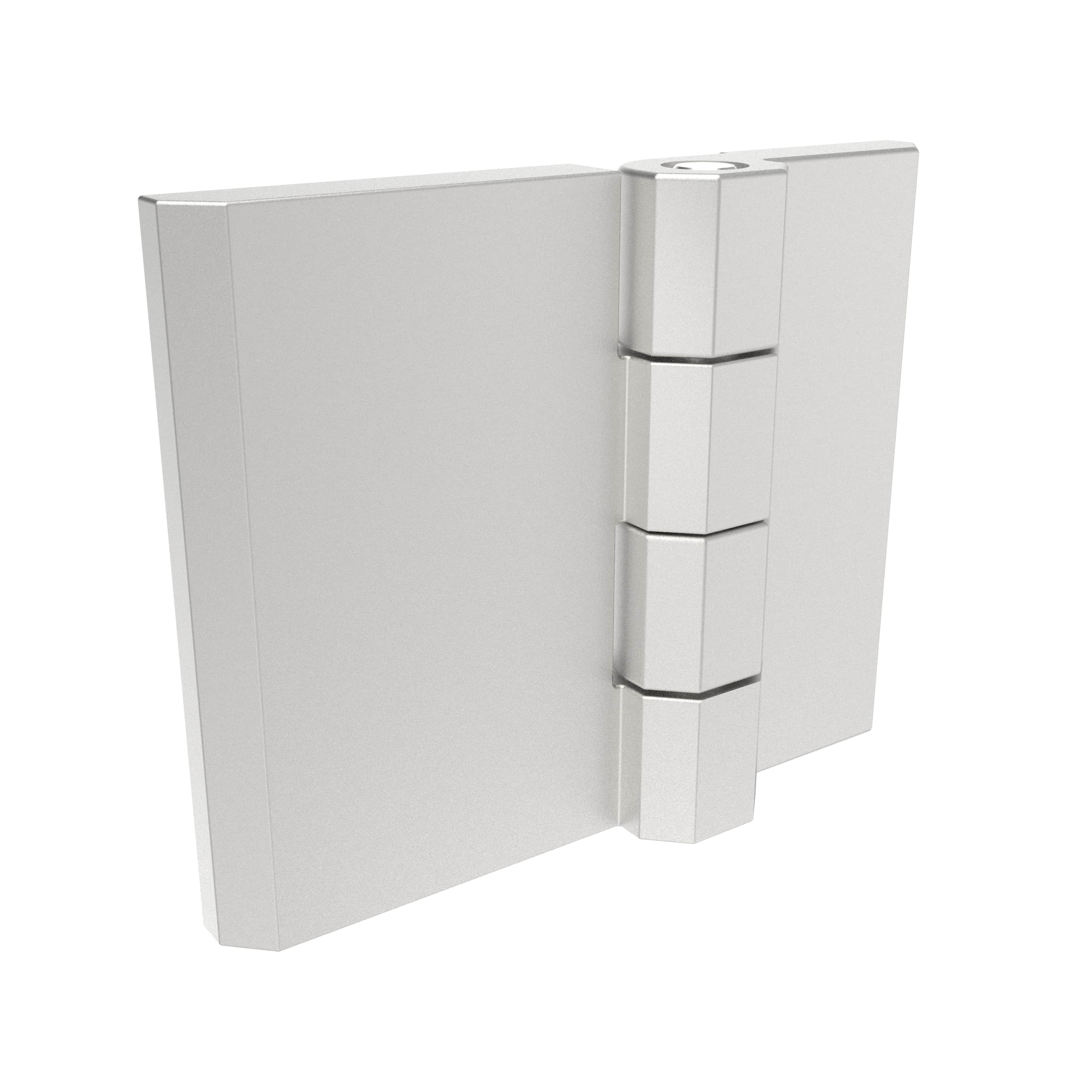
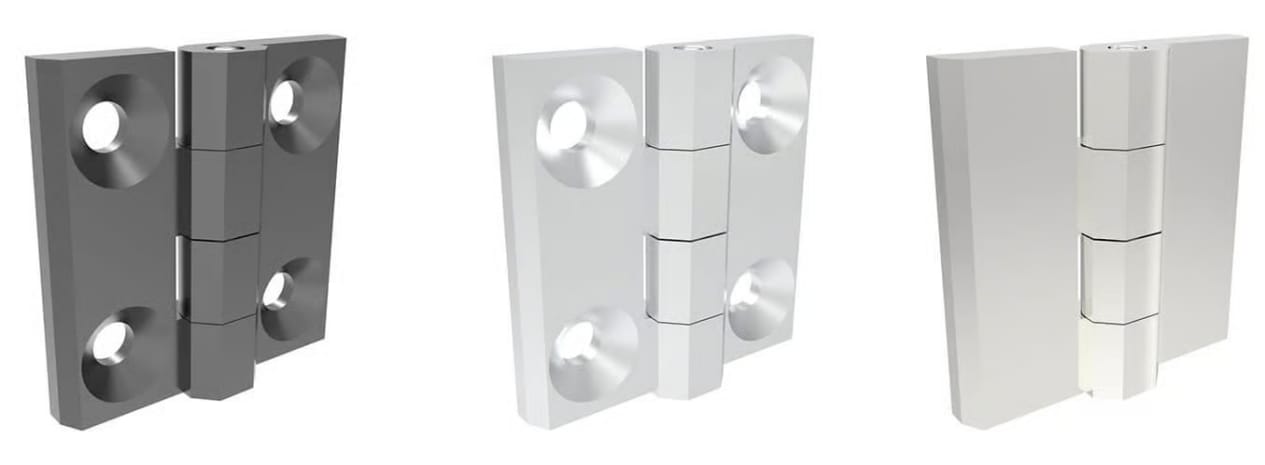
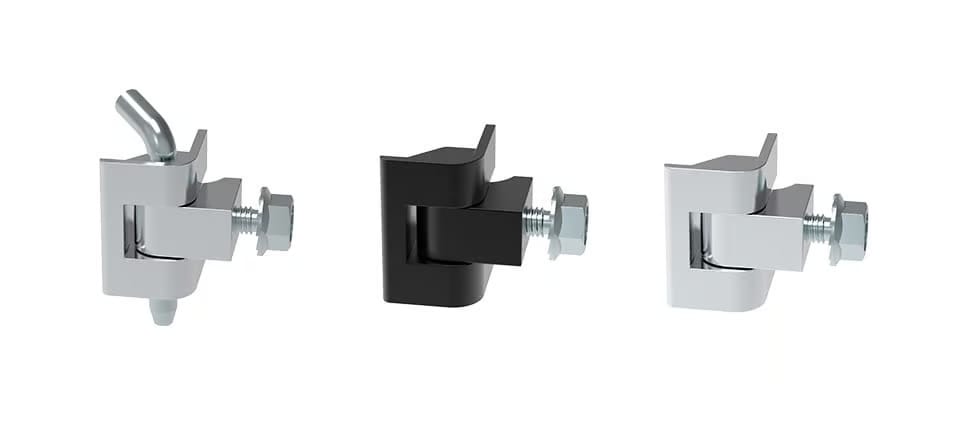
Surface-mounted hinges are a type of hinge that is installed directly onto the surface of the door and the frame. You do not need to cut a recess or mortise into the wood or metal. This makes them much easier and faster to install. Because they are mounted on the outside, they are often built to be very strong and can support heavy doors. You will find them on industrial machinery covers, large tool chests, and electrical control panels. They provide a strong and simple solution for many applications. Fornd offers a wide variety of [industrial hinges] designed for this purpose.
What Makes Surface-Mounted Hinges a Go-To for Industrial Use?
Surface-mounted hinges are the best choice for industrial jobs because they are strong and easy to set up. There's no need to make any special cuts because they just stick to the door and frame. This keeps the door and frame strong, which is important for big stuff, and saves time and money.
You can see these hinges, so it's easy to check them for damage or wear and fix issues quickly. They also come in a lot of different styles and materials, like stainless steel and aluminum, so they can be used in a lot of different places and with a lot of different loads.
What Are The Most Common Surface-Mounted Hinge Models?
The world of industrial hinges is wide, with many types made for different jobs. Knowing the differences is important to choosing the right hinge for each use.
Hinges | Definition | Use |
Surface Hinges/ Surface Mount Hinges
| Hinges mounted on surfaces (door & frame), no recessing required
| Used for doors, gates, and cabinets where no recessing is possible or desired. |
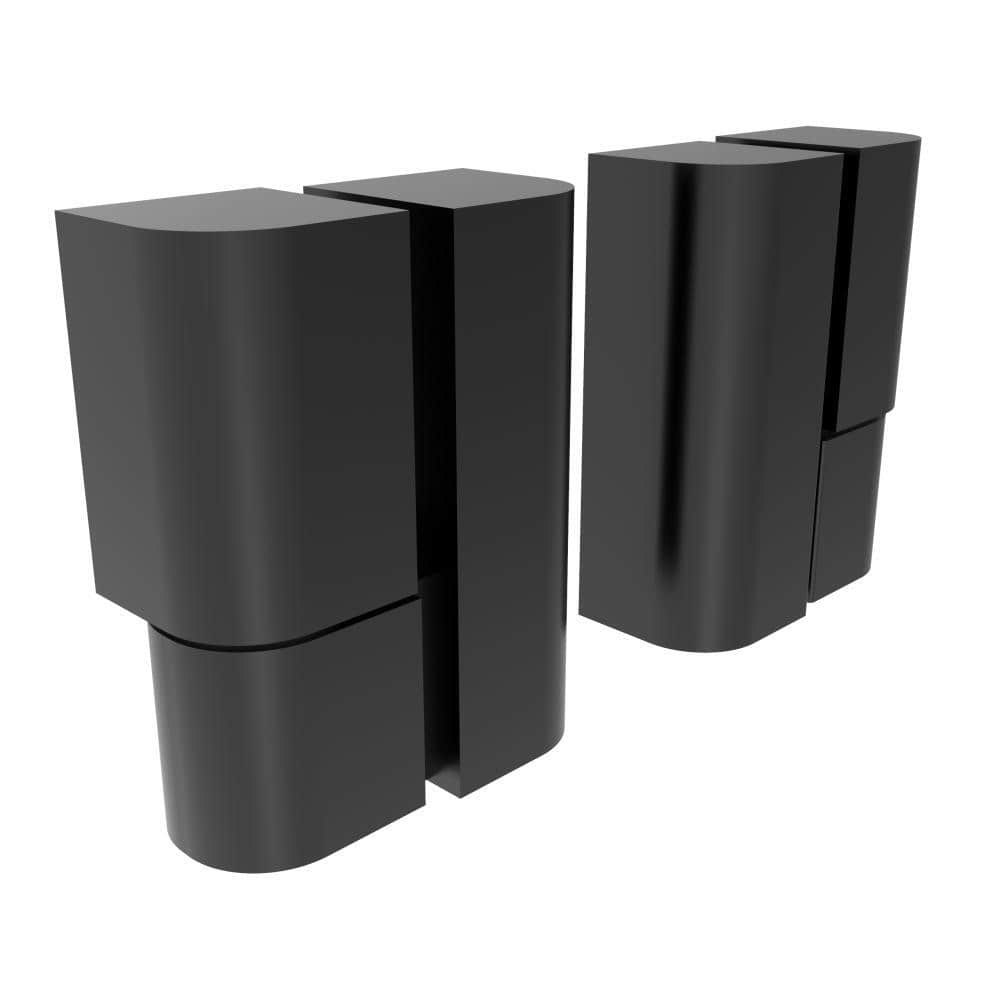
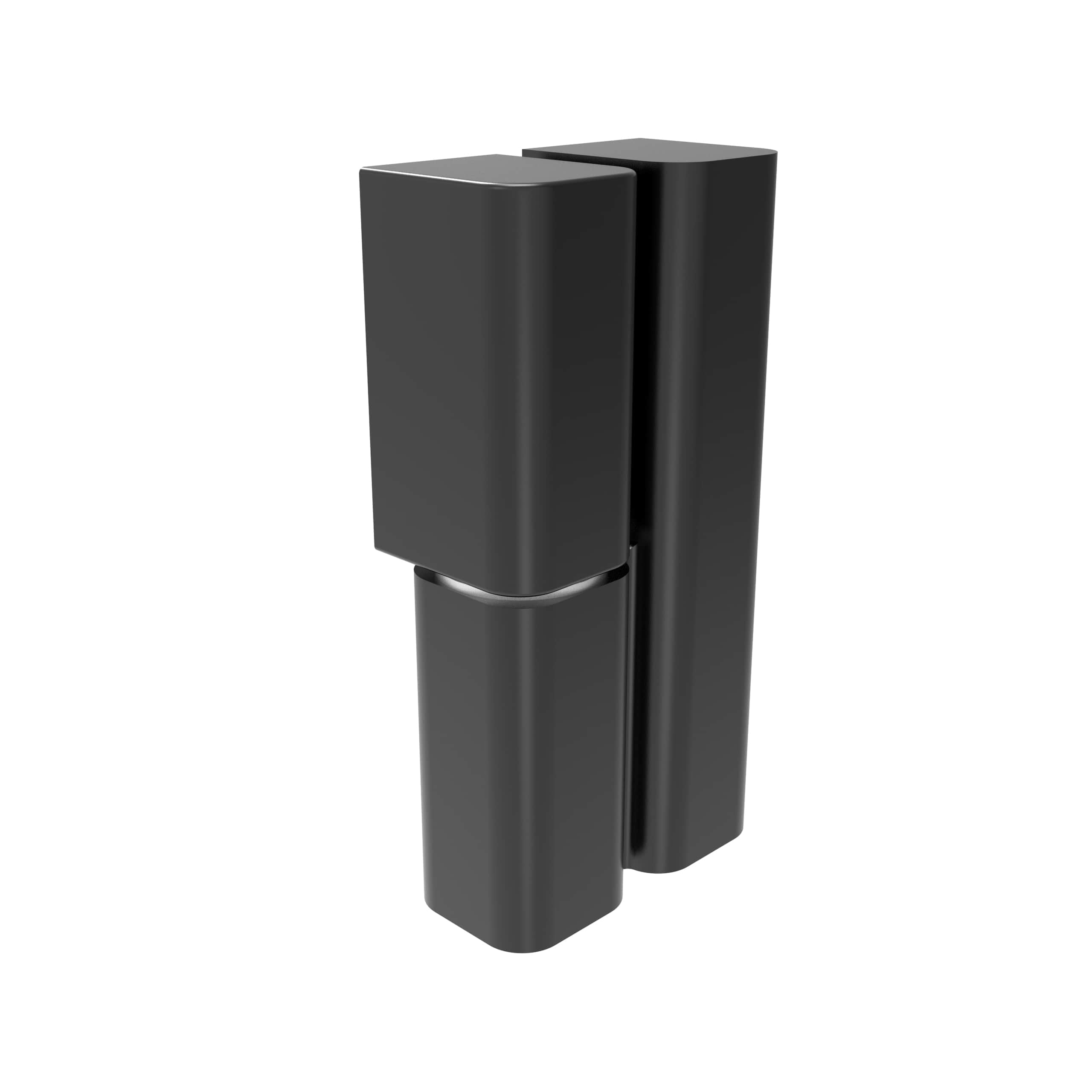
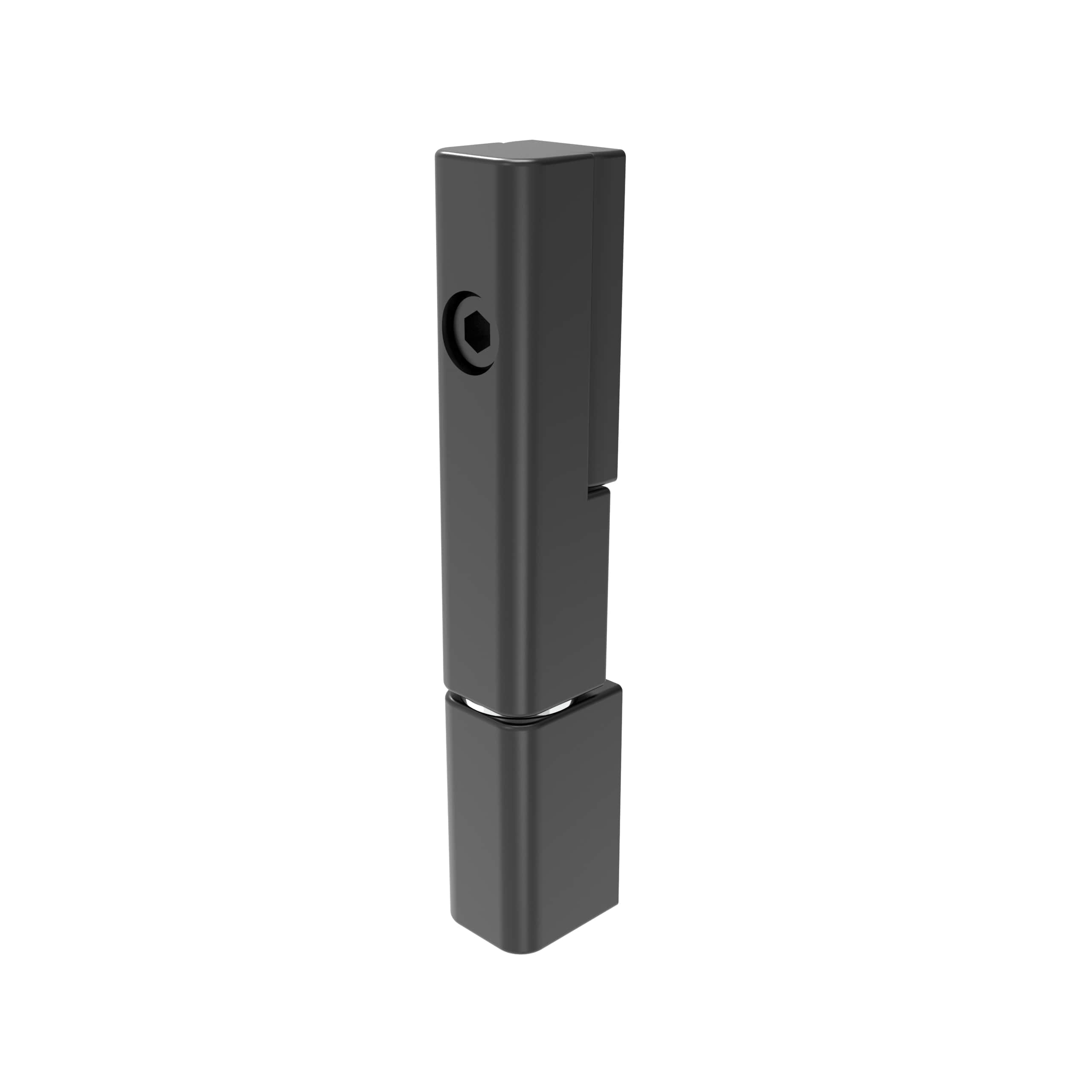
Modular Hinges
| Hinges built from interchangeable modules or parts | Used in machinery, industrial equipment, or applications needing easy maintenance and adjustments. |
Industrial Door Hinges | Heavy-duty hinges for industrial/large/heavy doors; robust materials, high load. | Used for heavy-duty doors in factories, warehouses, and commercial buildings. |
Special Hinges for Doors | Hinges with special features such as concealed, fire-rated, and self-closing. | Used in specialized doors like fire-rated, concealed, or heavy-duty doors. |
Compression Hinges | Hinges that compress or seal when closing. | Used in environments needing a tight seal, like outdoor cabinets or air-tight doors. |
Hinge for Locks | Hinges designed/used in doors with lock mechanisms; precise alignment, security concern | Ensuring secure door operation.
|
Safety Hinges for Doors | Hinges designed to prevent hazards: pinch points, forced removal, etc. | Preventing injury or unauthorized access. |
Explore more types of hinges on Fornd: https://fornd.com/category/hinges
How Do You Choose the Right Hinge Material?
The material of the hinge is just as important as its design. The right material will ensure the hinge lasts a long time and works well in its environment.
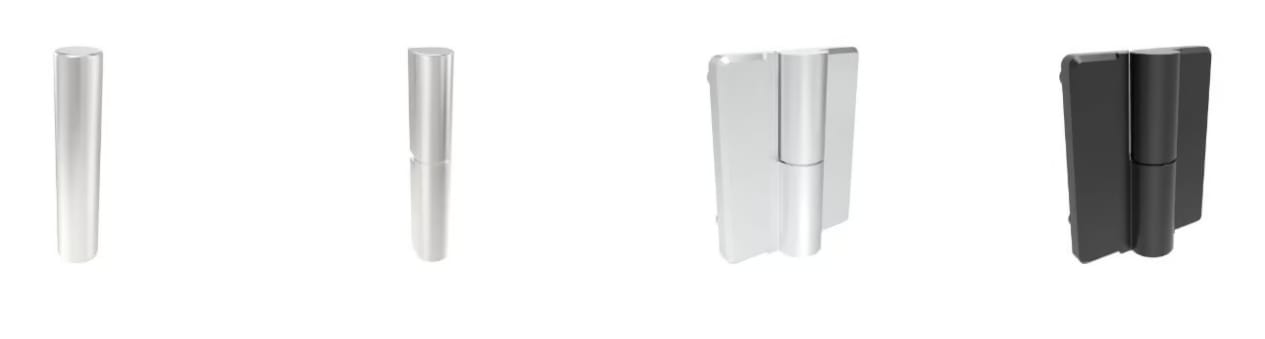
Fornd offers hinges in various materials, including zinc alloy, stainless steel, aluminum alloy, PA66+30%GF, and steel, Removable Hinge, suitable for most specialized applications.
Material | Features | Best For |
Zinc Alloy | Cost-effective, strong, and stable. Excellent castability. | cabinets and enclosures, hinges with special functions, RV and specialty vehicles |
Stainless Steel | Very strong, excellent resistance to rust and corrosion. | Outdoor use, marine environments, food processing, and chemical plants. |
Aluminum Alloy | Lightweight and does not rust. | RVs, trailers, and other applications where saving weight is important. |
Plastic (PA66+30%GF) | Lightweight, rust-proof, and does not conduct electricity. | Electrical enclosures, medical equipment, and lightweight cabinets. |
Steel | Very strong and low-cost. | General indoor applications. It needs a coating like zinc or chrome to prevent rust. |
What Factors Should You Consider When Selecting a Hinge?
Choosing the perfect hinge requires you to think about several key details.
Door Weight and Size
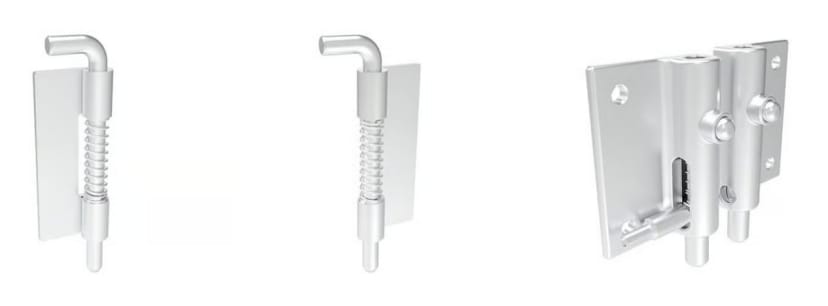
When picking door hinges, the door’s weight and width matter—a heavier or wider door puts more stress on the hinges, and weak ones can cause sagging or damage. To keep it steady, either upgrade to sturdier, larger hinges or add more hinges to spread the weight. Always check the manufacturer’s weight limit before buying, and pick hinges that can handle your door’s actual weight—that’s how you make sure it stays solid long-term.
Material and Environment
Think about where the hinge will be used. If it is outdoors or exposed to moisture, you need a material like stainless steel that will not rust. For indoor, dry applications, coated steel is often fine.
Opening Angle
Your door’s required opening range determines the hinge type: standard hinges open to 90° for basic needs, while 180° or 270° hinges suit wider clearance (e.g., moving furniture or cleaning). Start by confirming the minimum angle you need for daily use, then match it to hinges with the right load rating—this balances functionality and safety.
Installation
Surface-mounted hinges can be screwed or bolted in place—easy enough to install yourself, and good enough for most homes or offices. For heavy-duty doors like factory gates, go with weld-on hinges that attach directly to the frame and door. These hold up much better under serious weight.
Security
When you’re protecting valuable equipment, look for hinges that are harder to tamper with. Hinges with hidden screws or non-removable pins will stop people from easily prying them off. For high-security spots like server rooms or labs, consider lock-integrated hinges (like Fornd’s [lock-linked options]) to add extra protection.
Conclusion
The hinges you choose for prominent, surface-mounted doors are critical for the door's function, safety, and lifespan. From simple leaf hinges to advanced compression and safety hinges, there is a specific design for every need.
By carefully considering the door's weight, the operating environment, and your security requirements, you can select the perfect hardware for the job. For a comprehensive selection of high-quality, reliable, and durable industrial hinges, an expert supplier like Fornd has you covered. Contact us today at: https://fornd.com/contact.
Frequently Asked Questions (FAQ)
What is a surface-mounted hinge?
A surface-mounted hinge is a hinge you can see from the outside. It attaches to the front of the door and the frame. It is not hidden inside the cabinet.
Why would I use a surface-mounted hinge?
They are very strong. So they are good for heavy industrial doors. They are also simple to install because you do not need to cut special holes for them.
What is the best material for these hinges?
It depends on your needs. Stainless steel is best for outdoor equipment because it will not rust. Zinc alloy is a great choice for indoor cabinets. Professional suppliers like Fornd offer hinges in both materials.