
School lockers may look like nothing more than rows of metal boxes, but anyone who’s worked in a school knows the locks matter just as much as the lockers themselves. The right lock has to stand up to being yanked open dozens of times a day, keep students’ belongings safe, and still be simple enough for staff to manage across hundreds—or even thousands—of lockers. And when things go wrong, it’s usually the lock: lost keys, forgotten combinations, or a jammed mechanism that slows everyone down.
So how do schools actually pick a lock that works? In this piece, I’ll walk through the main types you’ll see—padlocks, built-in combinations, keyed systems, and even electronic or RFID options—and share where each one makes sense. I’ll also talk about the hidden side of the budget: it’s not just what a lock costs up front, it’s the replacements, the batteries, and the staff time that really add up.
This is where Fornd comes in. We’ve been building tough, easy-to-manage hardware like quarter-turn cam locks and push-button latches that fit straight into school settings. They’re made to survive heavy use without turning into maintenance headaches. A smarter lock choice means fewer lost afternoons for staff, fewer frustrations for students, and one less line on the repair budget.
What Should You Look for in a School Locker Lock?
Stand Up to Daily Use
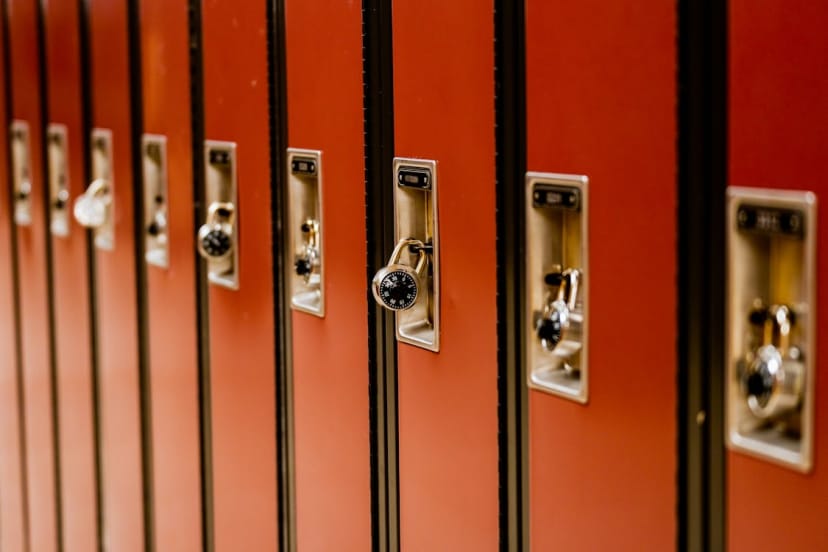
Students open and close lockers dozens of times every day. If the lock feels flimsy, it won’t take long before it jams, bends, or breaks. A durable lock should handle constant twisting, pulling, and the occasional slam without giving out halfway through the school year.
Be Simple to Manage
Lost keys and forgotten combinations are part of school life. That’s why locks need to be easy for staff to reset or override. A master key or reset code saves everyone from the headache of cutting open lockers when students forget.
Fit the Budget
Cheap locks can look good on paper, but replacing them again and again gets expensive fast. Spending a little more up front usually means fewer breakages and less hassle later.
Match the Environment
Hallway lockers and gym lockers don’t face the same challenges. A lock that works fine in a dry corridor might rust in a damp, sweaty locker room. Think about where the lockers live before you decide which lock to buy.
What Are the Main Types of Locks for Lockers?
Padlocks (Portable)
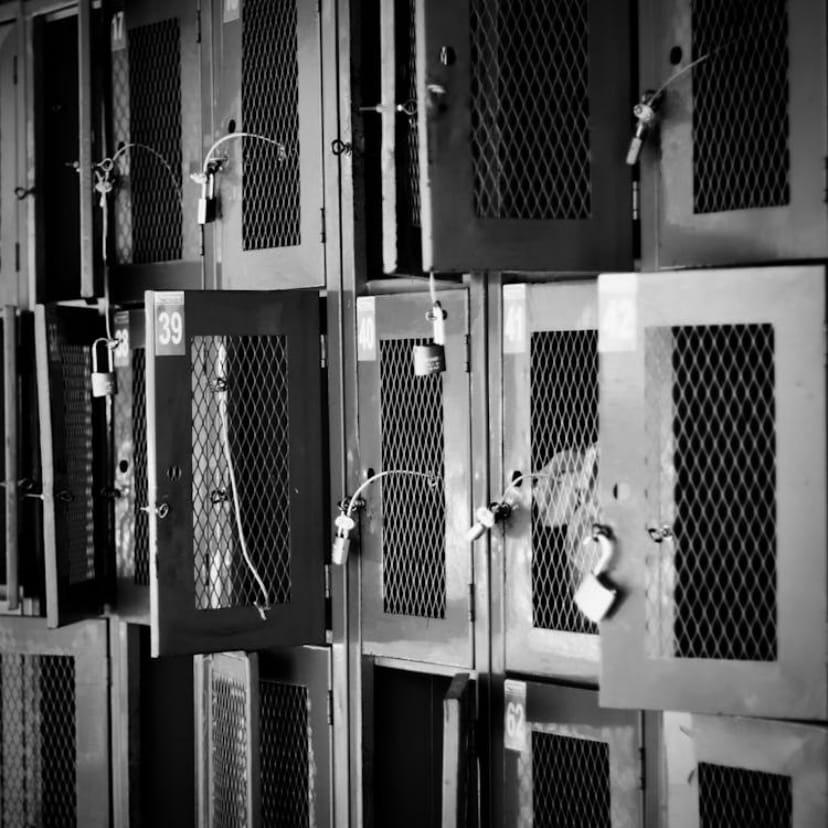
Still, padlocks are the cheapest way to lock a school locker. Students bring their own padlock, keyed or combination. Easy for schools, but once a student loses it, staff often need to cut it off.
Built-In Combination Locks
The familiar dial lock is used in many schools. They’re tough, don’t rely on keys, and can be reset for new students each year.
Fornd Quarter-Turn Cam Locks
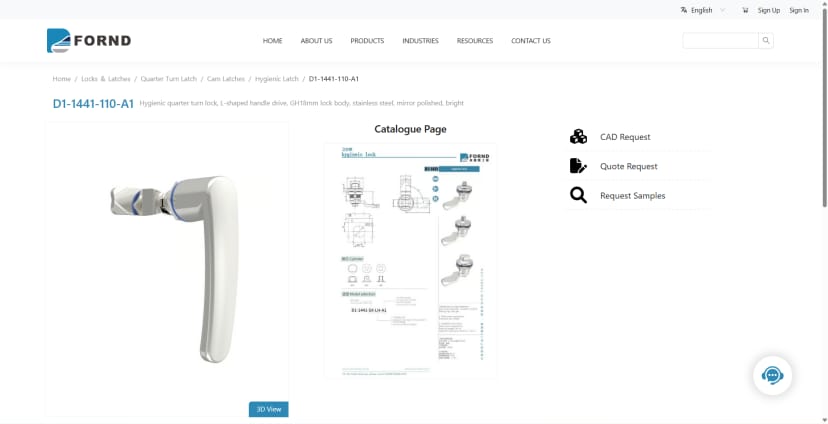
Fornd’s cam locks are simple, durable, and easy to operate. A quick twist secures the locker, and administrators can use a master key for access when needed—perfect for schools that want both reliability and easy oversight. You can get the Quarter-turn cam locks by: https://fornd.com/product/hygienic-latch-d1-1441-110-a1
Fornd Push-Button Locks
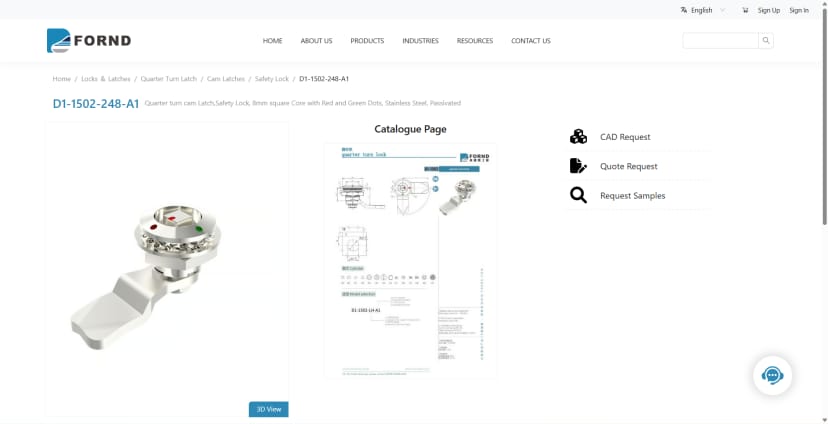
Push-button locks from Fornd let students lock or unlock with a single press, which cuts down on jammed keys or forgotten codes. They’re rugged enough for daily school use and can also be integrated with override options for staff. You can get this Push-Button lock through:https://fornd.com/product/quarter-turn-cam-latch-d1-1502-248-a1
Keyed Locks
Classic keyed locks are secure, but managing keys for hundreds of lockers is a challenge. They work best for smaller locker rooms or staff-only areas.
What Are the Best Locks for School Lockers?
This is the question every administrator asks. The “best” choice depends on your school’s size, budget, and how students use lockers.
School Types | Recommended Lock Type | Why It Works Best | Things to Keep in Mind |
High Schools | Built-in Combination Locks | Students don’t have to worry about losing keys, and schools can reset codes each year without much fuss. | Students need a little practice to get quick with dials. |
Gym / PE Lockers | Portable Padlocks | Cheap, flexible, and students can bring their own if they want. Works well for short-term use. | Lost keys or combos usually mean the lock has to be cut off. |
Universities & Dorms | Electronic Keypad / RFID | Ties in easily with student ID cards or simple PINs, so no one carries extra keys around. | Costs more up front and needs batteries or power. |
Budget-Conscious Schools | Keyed Locks with Master Access | Straightforward and affordable, plus staff can still get in with a master key if needed. | Tracking and replacing keys takes time and money. |
Tech-Savvy Campuses | Fornd Push-Button Locks | Quick press to lock or unlock—students like simplicity, and staff still have override options. | Best for schools ready to invest in newer hardware. |
Mixed Environments | Fornd Quarter-Turn Cam Locks | Simple twist to secure the door, and tough enough to handle daily student use. | Works best when paired with a master key system. |
At the end of the day, the best school lock isn’t about the fanciest tech—it’s about picking the style that actually works for your students and keeps life simple for staff.
How Do Students and Staff Actually Use Locker Locks?
Students Need Quick Access
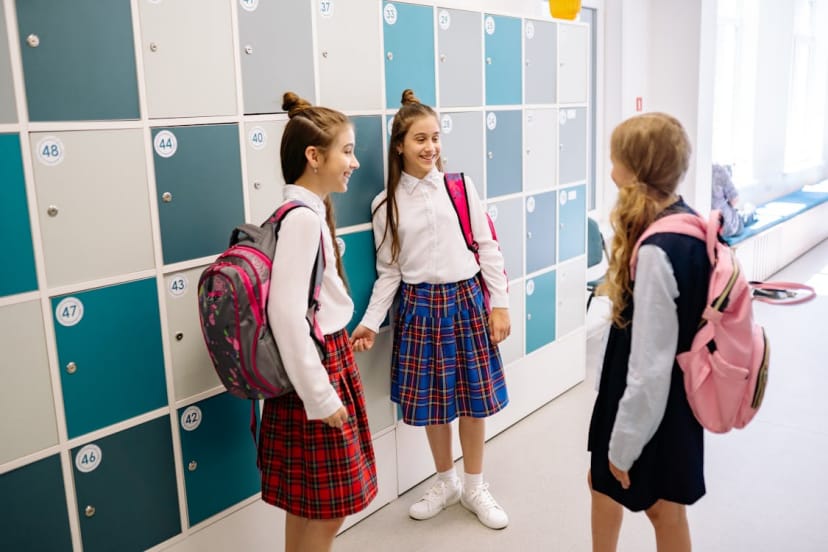
Between classes, the hallway feels like a race track. Nobody wants to be the kid stuck spinning a dial three times just to grab a notebook. A good lock should open fast and not jam—otherwise it just becomes another reason to be late.
Teachers and Coaches Need a Way In
Sometimes a locker has to be opened on the spot—whether it’s a forgotten PE kit or something more urgent. If staff don’t have a master key or a quick override, it turns into a hassle for everyone.
Administrators Need Less Hassle
Admins are the ones who deal with lost keys and forgotten codes all year long. If a lock can be reset in seconds instead of needing bolt cutters, that’s hours of time saved. That’s also where Fornd’s simple cam and push-button locks make life easier—they’re tough for students but forgiving for staff.
How Do Cost and Maintenance Impact the Choice?
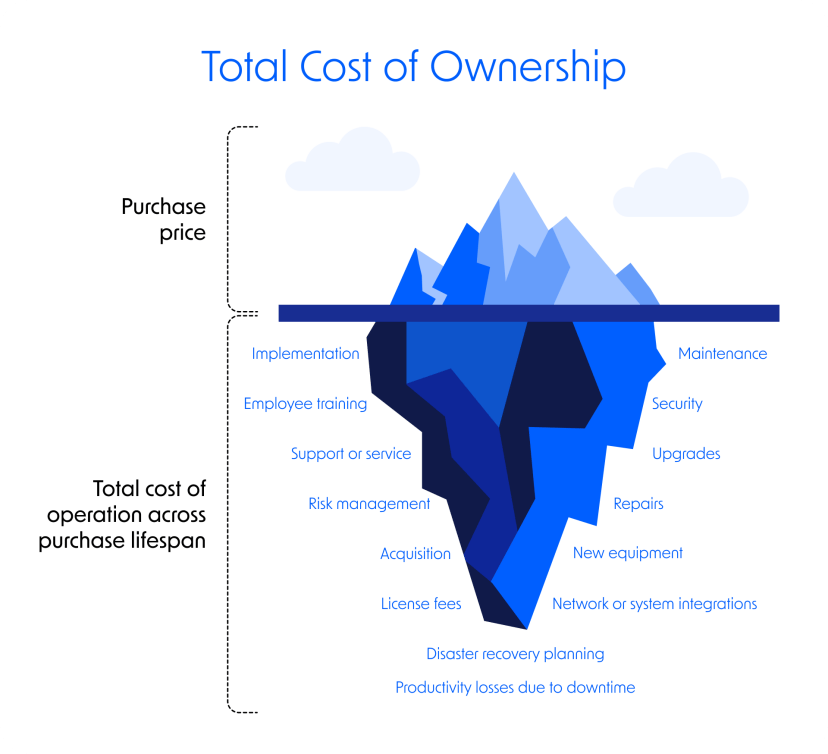
Going for the cheapest lock feels smart at first—but schools know the real cost shows up later. That’s what people mean by Total Cost of Ownership (TCO): not just what you pay on day one, but all the little costs that pile up when locks break, get lost, or need fixing.
Take padlocks:
$5 × 1,000 lockers × 20% replaced each semester = about $2,000 every term just on buying new ones.
Built-in combination locks cost more up front—around $20 each—but many last five years or longer. Spread out, that’s less than $4 a year per locker, and you don’t spend half your time cutting broken locks.
A small contrast: Electronic locks add cool features, but don’t forget the batteries. If each battery costs $1 and needs replacing once a year, that’s $1 × 1,000 lockers = $1,000 every year, plus the staff hours to change them all.
FAQs About School Locker Locks
What’s the Easiest Lock Type for Small Schools?
Keyed locks with a master key are often the simplest. Staff keep control, and students don’t need to remember codes. Just be ready to track and replace keys.
Are Built-In Combination Locks Still Worth It?
Yes—they’re the workhorse for most high schools. No keys to lose, and codes can be reset for new students each year. They’ve stayed popular because they simply last.
Do Electronic Locks Make Sense for Schools?
They do if you’ve got the budget and staff to maintain them. Electronic keypad locks tie into student IDs and are easy to reset, but you’ll need to account for battery changes and higher upfront cost.
Can Fornd Locks Work in School Lockers?
Definitely. Our cam locks and push-to-close latches are designed for heavy daily use, and they include override options that help staff when students forget or misplace access.
How Do I Decide Which Lock to Pick?
Think about your students and your staff. If students need quick access and staff need easy management, that narrows the choices fast. There’s no single “best” lock—it’s about what fits your school’s routines and budget.