
Magnetic push latches are fasteners that use a magnetic force to keep a door, drawer, or panel closed. Without the use of any handle or knob, this device is installed on to doors and provides them with very clean aesthetic appeal. The pushing of the door releases the magnetic hold upon the closure of the door. The door can then be pushed closed, and the magnet automatically re-engages. They are commonly used because they are easy to install, very reliable, and create a flat surface on the furniture, cabinetry, or other things with these types of surface applications.
Major Applications of Magnetic Push Latches
Magnetic push latches are finding widespread application across numerous major fields, primarily due to their clean aesthetics plus handle-free operation, and reliable closure.
Furniture
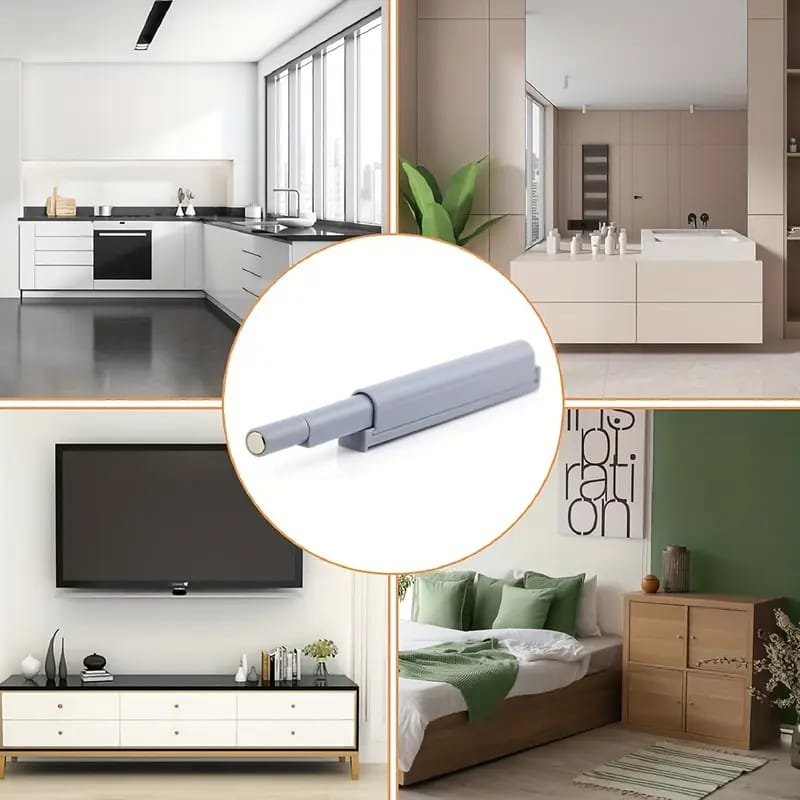
Used in modern and minimalist designs of furniture, they find heavy use in cabinet doors, drawers, and hidden compartments. On any uninterrupted surface, they provide the designer with a smooth, sleek surface enhancing the overall design. Kitchen and bathroom cabinets, built-in storage, and display cases also benefit from their secure and discreet closure. Quite well-received by these upper cabinets, handles are a bit inconvenient.
Automotive
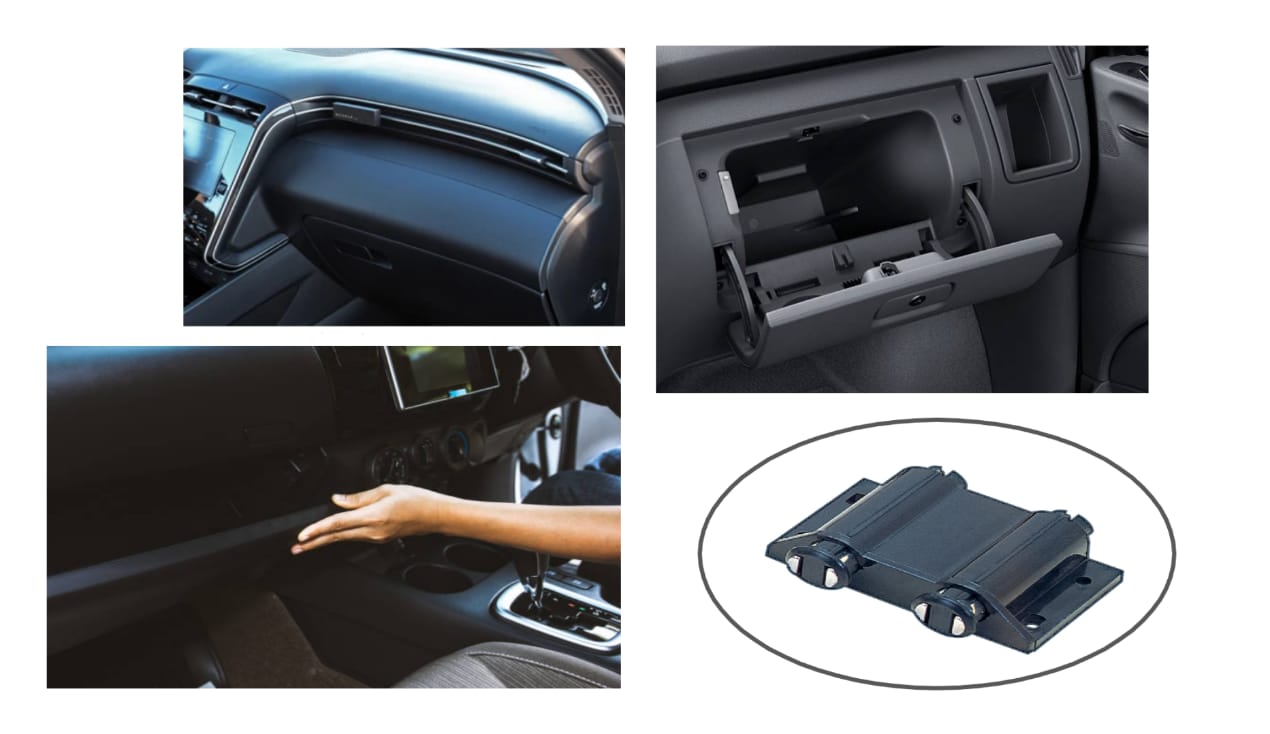
Interior panels, glove compartments, and storage compartments in the automobile industry are a few examples of the use of magnetic push latches for secure and rattle-free closure. They are also widely used as fasteners for access panels.
Recreational Vehicles (RVs) and Marines

Another important area is used for Recreational Vehicles (RVs) and Marines. It is for them core parts, so it has optimized space and secure closure during travel conditions, wherein magnetic push latches are used for cabinets and storage.
Electronics
The applications of these latches include Electronics. This is used where an easy access panel is one of the electronic devices, server racks, and data storage units for easy access and secure closure of the same.
Applications include machinery access panels, enclosures, and toolboxes that would incorporate the use of magnetic push latches, considering their performance and easy installation in an industrial environment. Other applications include medical cabinets and access panels on medical devices. Retail environments show off their artifacts in display cases with hidden storage areas. The latches give a clean look plus secure closure.
How to Install a Magnetic Push Latch: A Step-to-Step Guide

Here is guidance on the detailed installation process, technical tips, and best practices to ensure a secure and efficient setup.
Tools and Materials Needed
Before starting, gather the following:
· Magnetic push latch kit (including latch body, strike plate, screws, and mounting hardware)
· Power drill with drill bits (sized for screws and pilot holes)
· Screwdriver (Phillips or flathead, depending on screws)
· Measuring tape and level
· Pencil or marker for marking
· Safety gloves and goggles
· Optional: Template provided by the manufacturer
Step 1: Plan the Installation
Determine the Mounting Location
To properly install magnetic push latches onto doors, drawers, and panels, the issue of concern is proper alignment together with accessibility with no material compatibility. At no point should the latch body be slightly misaligned with the strike plate. Accessibility must be noted because in the presence of premature wear, the magnetic hold will never hold for long. Hinges or handles should not obstruct installation, and, for sliding doors, the latch should be positioned closer to the edge. Also, the door and frame material support for screws and drilling will be in place only after some more years of service.
Step 2: Mark and Drill Pilot Holes
Mark the Positions: To install magnetic push latches accurately, the very first step is to accurately mark the position where the latch body goes on the edge of the door. Then mark the corresponding strike plate mounting position on the frame or the interior of the cabinet. Use a level. This is critical for proper horizontal alignment and smooth reliable latch operation.
Drill Pilot Holes: During the installation of magnetic push latches, accurate drilling is executed. To avoid unnecessary splitting of the material, choose a slightly smaller bit size compared to the diameter of the screw to be used. Drill small pilot holes first at the marks. Special diamond-tipped bits for drilling glass doors are applied; one should apply masking tape to the drilling area to avoid any cracking during the process.
Step 3: Install the Latch Body
Secure the Latch: Once the pilot holes are drilled, carefully secure the latch body over the holes with screws. Do not over-tighten because if you do, you might warp the latch mechanism. To drill the glass doors is for the installation not at all required simply attach using adhesive-backed mounting plates or specialized clamps that can secure the clamp and without damage to the latch glass.
Adjust Depth (If Adjustable): For magnetic push latches with depth adjustment screws, this adjustment of tension should provide you with an optimal performance level. To increase the tension of the magnetic force option, just rotate the screw in the clockwise direction. Retarding the tension, on the contrary, demands the opposite rotation. In practice, the door closes lightly.
Step 4: Install the Strike Plate
Align with the Latch Body: Hold the strike plate against the frame or cabinet interior, ensuring it aligns with the latch body’s magnetic contact point.
Fasten the Plate: Secure with screws. For heavy-duty applications (e.g., medical carts), use locking washers or thread-locking adhesive to prevent loosening.
Step 5: Test and Adjust
When installed, close the door to check the strike’s function. If it does not align, shift the plate accordingly. Apply slight pressure to test the magnetic hold— it should hold tight but release easily. Where adjustable, adjust the tension screw to increase the tension for doors in very active areas, decreasing it for lightweight doors.
Step 6: Finalize Installation
Conceal Wiring (For Electric Latches): For an electric latch, it is necessary to run the wires preferably inside the stile through a pre-drilled channel and wire it up to the power source in whatever way is recommended by the manufacturer.
Apply Finishing Touches: Use the caps to cover screw heads, if available. For latches made of stainless steel, it is required to clean the surfaces using alcohol wipes to eliminate any fingerprints.
Common Issues Need to be Noted
Weak Magnetic Hold
The failure of the magnetic pull to latch a push often comes because it is not aligned properly, there is dirt build-up, or tension is not enough. For example, a situation where the door to a cabinet does not stay closed, thus requires a lot of force to stay shut is typically as a result of any of the above factors.
In cleaning the latch body and striking the plate with isopropyl alcohol, remove all dust and grime so the magnetic contact is not impeded. It should then be possible to carefully loosen the screws holding the strike plate and move it to ensure that it aligns perfectly with the magnetic point to the latch body. The adjustment of the tension of the latch could then be made to further strengthen the magnetic force so that a firm, reliable closure is again possible.
Latch Fails to Release
A latch that fails to release, requiring excessive force to open or remaining stuck, is typically caused by over-tightened screws or a jammed internal mechanism. Imagine a cabinet door that resists opening even after a firm push; this is a clear sign of this issue.
To address this, begin by slightly loosening the mounting screws, as overtightening can warp the latch and impede its operation. If the problem persists, apply a small amount of silicone spray lubricant to the latch mechanism's moving parts. This will help to free any internal jams caused by dirt, grime, or dried-out lubrication, restoring smooth and reliable release functionality.
Door Rattles
When a door rattles — this is mostly when closing or moving the door — it is usually a sign of loose screws or an uneven frame. This is what a cabinet door would do when it vibrates while being closed. To fix it, first cautiously tighten all mounting screws for both the latch and strike plate (and any hinge screws as well); in case it still rattles, then place thin foam tape around the edge of the door and frame at points of contact. The foam tape will create a barrier that will close the gap brought about by the uneven frame from where the rattling noise is coming from, helping in absorbing the vibrations and hence closing the door quietly and securely.
Some Maintenance Tips
Monthly inspections: During the months, the tightening of all mounting screws should be checked because vibrations and use of the gate can loosen them. The striking feature should also periodically be cleaned with a soft, dry, and lint-free cloth along with isopropyl alcohol wiping to remove dust, dirt, or grease that may have accumulated and blocked magnetic contact.
Annual lubrication is recommended. Just apply some silicone-based lubricant on all push-release mechanism and adjustment screws, and everything that moves within the latch mechanism. Choose the silicone type because it does not attract dust and also does not degrade plastic ingredients.
Avoid Harsh Cleaners: To maintain the latch's appearance and prevent damage, gently clean its exterior surface using only pH-neutral cleaning solutions or a mild soap and water mixture. Strong chemicals or abrasive cleaners may damage the finish of the latch, corrode any metallic parts, and degrade the plastic parts thus leading to premature failure.
About Fornd
Fornd, a seasoned manufacturer of industrial cabinet locks and hardware, offers a broad spectrum of solutions for industrial applications. Their product line includes high-quality electronic locks, hinges, handles, and latches, showcasing their deep industry expertise. Discover their comprehensive offerings on the Fornd website: https://fornd.com.