
Rods and cables are diametrically opposed applications of transmitting mechanical force and supporting a structure. Rods are highly effective when there are linear applications and require high axial strength and stiffness to carry compressive and tensile forces while avoiding deflection in static structures. Thus, there will be low gradual movement over prolonged use in structures based on them, mainly in metals or composites. All the same, being heavy and having small contractive ability, they present problems in applications sensitive to weight and dynamic loads. On the other hand, cables are constructed from flexible strands of great value when there is fatigue resistance first and a load in more than one axis, like in cyclically loaded applications and where the forces are not simple in nature. Weight efficiency primarily with synthetics is an important advantage. However, they are easily compressed and even creep under sustained tension.
Pros and Cons of Rods
Pros of Rods:
· Rods provide linear support and resist bending as well as tensile forces. They are necessary in any type of building, machinery, or general engineering engineering application.
· Most durable materials, specifically metals, can last a great deal of stress, as well as environmental conditions, in the rods.
· Available in different materials, dimensions, and configurations, rods can thus be altered to virtually all types of requirements.
· In many applications, rods answer the call rather effectively and simply and are amenable to easy construction and installation.
Cons of Rods:
· They add more weight, therefore, they can be disadvantageous in weight-critical applications.
· Typically rigid, rods may not be advantageous in dynamic or multi-directional force environments.
· There can be very significant corrosion, especially in brutal environments.
· Depending on the kind of material and the required precision, it can prove to be an expensive exercise to get rods manufactured.
Pros and Cons of Cables
Pros of Cables:
· They have extremely high power as well as signal transmission efficiency over long distances.
· Flexible routing can be allowed since it is so stranded that it can be threaded through a number of complicated passage ways.
· The connection offered by cables can be rather stable and reliable, especially on some of the wired applications.
· Various materials, cross-sectional sizes, and configuration alternatives make available a wide range of choices.
Cons of Cables:
· There is much space that cables can take up. This is major, especially in installations that are complex.
· Complex and time-consuming is the situation, in cable installation. Special tools and expertise are required.
· A lot more times than not, cables are very susceptible to physical damage and environmental factors.
· One major drawback of wired connections is restriction of mobility, which in some applications can be significant.
· Signal degradation can be experienced over very long distances by cables.
Key Differences: Material and Structural Properties
Rods: Stiff and Strong Along Their Length
Rods are constructed from linear rigid materials like metals, composites, or polymers high in their capabilities of taking high axial strength for such loads, compressive and tensile, exceptional stiffness to resist deflection under static loads in most other cases, and dimensional stability to resist creep in long-term structural applications in other cases. An example is steel rods that can give tensile strengths up to, say, 1200 MPa, and carbon fiber rods can have a modulus of elasticity that is more than 200 GPa.
The application of solid metal rods as structural members, though promising strength and stiffness, came with marked constraints. Weight has always made them very disadvantageous; for example, in the aerospace or automotive industries, to miss an optimization of weight means missing efficiency and performance. And also, their elastic limit restrictiveness makes them less efficient in dynamically multi-directional force environments that might lead to premature wear or structural failure.
Cables: Flexibility and Dynamic Load Capacity
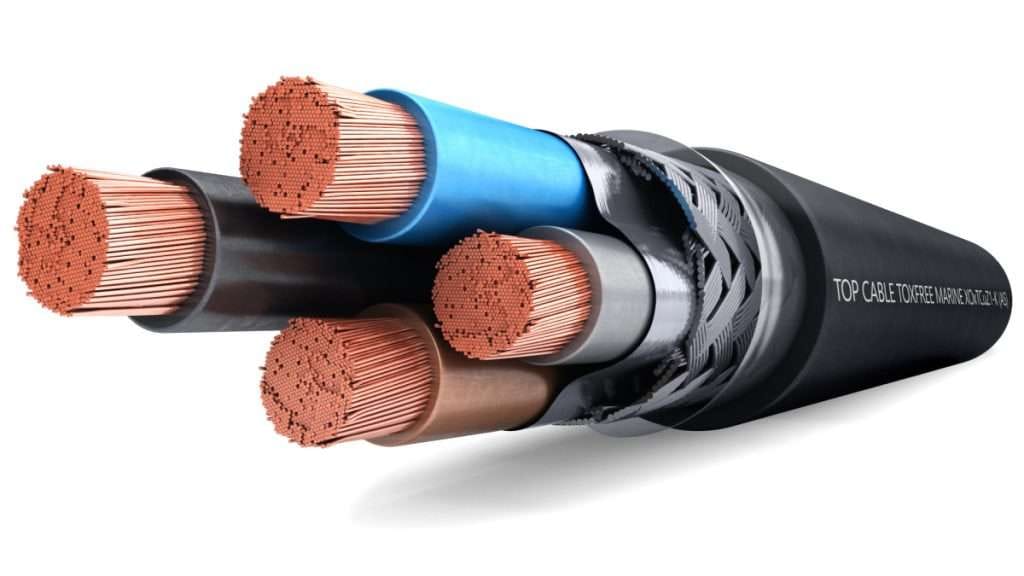
Cables are made from untwisted or twisted yarns or threads of steel, fibers like say Dyneema®, or combinations of both, and designed to forgive very high angles of turns and fatigue resistance. They are built to be flexible in their design, which can guarantee them a long fatigue life, such as that of aircraft control cables, which will exceed a figure of ten million cycles at a lower percentage, for instance, 20% of their breaking strength. That kind of cable serves well in providing multi-axis load distribution with a very uniform share of stress and hence reduces wear that would be local. Synthetic cables, for example, the one made from Dyneema®, also play a big role in weight efficiency, attaining by far strong-to-weight ratios 15 times greater than the steel.
Though cables are advantageous in terms of flexibility and fatigue, there are inherent constraints. Perhaps the most important among them is their compressive weakness. In simple terms, cables are incapable of sustaining compressive forces without external support; therefore, they cannot be utilized in applications where the loads push or against each other compressing the cable. The synthetic fiber cables are lightweight and strong; however, they are susceptible to creep. Creep usually involves the elongation of the cable under sustained tension. This, however, does not preclude dimensional stability over some time.
Rods VS Cables: Application-Based Comparison
Aerospace and Aviation
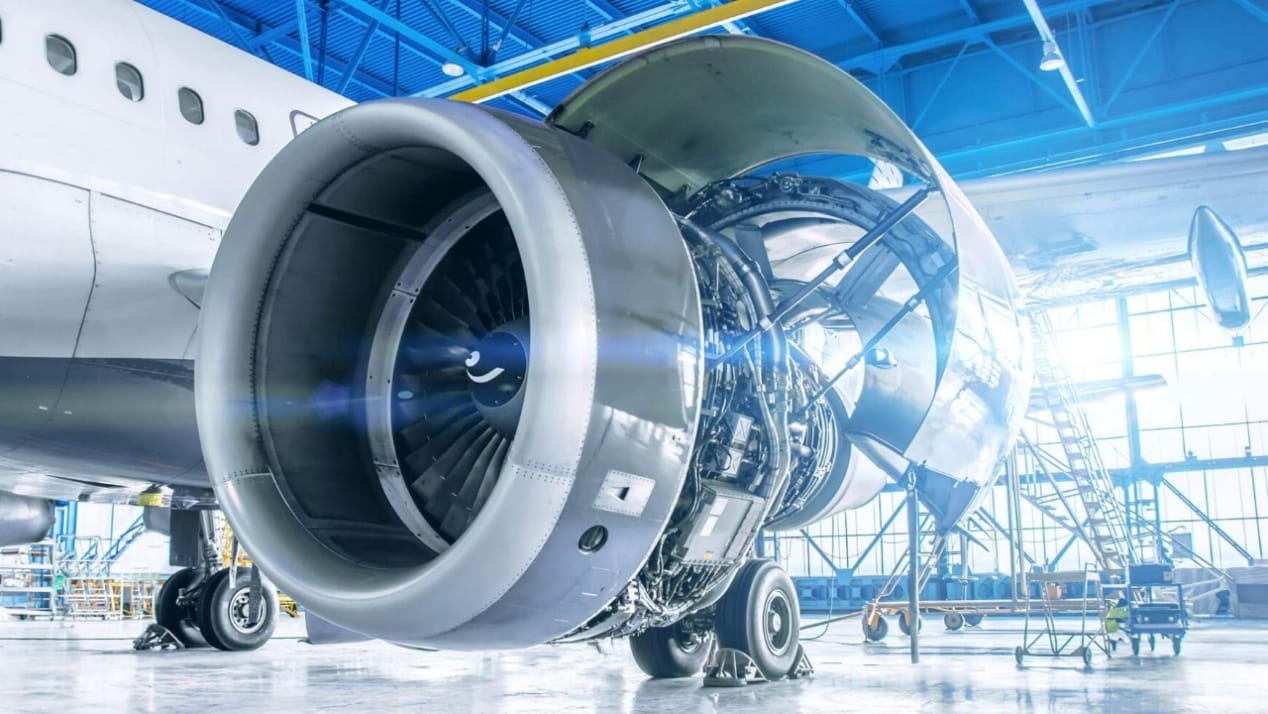
Rods: Used mainly in such major structural components as landing gear and wing spars, rods provide the absolutely necessary compressive strength to hold up under the enormous forces of takeoff, landing, and flight. The yield strength is about 900 MPa, and since titanium rods have a high strength-to-weight ratio, it has led to considerable savings in the total weight of the aircraft, which is important for fuel efficiency and carrying capacity for cargo.
Cables: On the contrary, multiple redundancy cables are directly needed to facilitate very minor adjustments to critical flight surfaces, for example, the throttles and flaps. Their flexibility would allow for all the vibrations and thermal expansion usually present in the course of flying operations. In action, the steel cables are very famous for being extremely durable and tensile; therefore they are strong enough to promise dependable and immediate control, which further supplements the maneuverability and sturdiness of the aircraft.
Robotics and Automation

Rods: A linear actuator typically applied in most robot arms would work with precision movement that can be achieved using hardened steel rods as a guide. Over and above ensuring that the rigidity in these rods is being applied to minimize any deflection under the load, through this, a specific position with control can be achieved precisely in applications demanding high precision, like the need for consistent and predictable movement — everything involving manufacturing and assembly lines.
Cables: Tendon-driven robots, such as the one in the da Vinci Surgical System, exploit relatively high flexibility in the use of cables and, therefore, are able to achieve multi-axis articulation. These cables provide for the required beautiful gymnastics, such as ±180° rotation in rather confined spaces, within which very intricate manipulation and dexterity can be carried out. This is a particular advantage in surgical robotics, where relatively gentle procedures demand relatively high precision and flexibility of motion within the human body.
Civil Engineering and Architecture

Rods: Concrete structures gain their vital strength from compression; however, they are weak in tension. Rebar allows the structure to be strong under tension. Hence, bridges and buildings can bear any kind of bending or shear force. The rebar can hold up to 500 MPa of tensile stress, which ensures the strength and life of the structure.
Cables: A typical application of high-strength steel cables is for suspension bridges, such as the renowned Golden Gate Bridge. These galvanized cables are performed with a feature to withstand corrosion effects associated with the environment since they are continuously exposed to environmental conditions. It is designed to carry enormous tensile loads over great spans- in some cases more than 1,200 meters. The properties of cable systems allow for effective load sharing because they can distribute even dynamic forces exerted by wind and traffic, which are the prerequisites for the stability and safety of the bridge.
Rods VS Cables: Performance Under Extreme Conditions
Temperature Resistance
Rods: Titanium alloys, known for their exceptional high-temperature strength, are frequently used in jet engine components. These alloys maintain approximately 80% of their strength at temperatures reaching 500°C, ensuring structural integrity in the extreme heat of jet engine operation. Carbon fiber composites, while offering high strength-to-weight ratios, are susceptible to degradation above 200°C unless protected with specialized ceramic coatings. These coatings provide thermal barriers, allowing carbon fiber rods to withstand higher temperatures, albeit with added complexity and cost.
Cables: Aramid fibers, such as Kevlar®, exhibit remarkable thermal stability, maintaining their integrity across a wide temperature range, from -196°C to 400°C. This makes them suitable for cryogenic applications, where extremely low temperatures are involved, as well as high-temperature environments like furnaces. Their ability to withstand such extreme conditions without significant degradation ensures reliable performance in demanding thermal environments.
Corrosion and Environmental Degradation
Rods: Stainless steel, specifically Grade 316, is commonly used for marine pilings and other structural parts because of its excellent resistance against saltwater corrosion. The higher chromium content in this alloy forms an oxide layer that can last a long time, hence no rusting and long-lasting performance in extremely harsh marine conditions.
Cables: Steel cables, either galvanized for rust-proofing or coated with PTFE, are commonly used in offshore oil rigs and other marine structures wherein galvanization sacrifices zinc coating that corrodes before the underlying steel, while PTFE coatings provide a barrier against saltwater exposure to steel. The use of synthetic cables, typically made of Dyneema® or aramid fibers, completely eliminates the risk of electrolytic corrosion between dissimilar metals in the salty seawater environment and provides another dependable and long-lasting solution for generally critical offshore applications.
Fatigue and Cyclic Loading
Rods: Materials like aluminum, commonly used for their lightweight properties, are prone to fatigue failure under repeated stress. For example, aluminum rods might have fatigue cracks formed after about 10⁶ cycles at 50% of their yield strength. In other words, if it is subjected to half the maximum load capacity over a million repetitions of stress, these rods will probably fail. It means they do not apply to situations with continuous, repetitive movement and stress.
Cables: In contrast, parallel-strand steel cables show far, far superior fatigue life. It comes from a design philosophy under which multiple strands act together to make sure there isn't localized wear and tear due to concentration of the stress. These cables can have endurance limits close to 250 MPa at 10⁷ cycles or stress levels at ten million cycles without failing to hold that level of loading. This improved fatigue performance makes them suitable for a dynamic environment in which some parts are under constant or repeated loading, such as cranes, elevators, and suspension bridges, just to mention a few long-term reliable systems that must also be safe.
Rods VS Cables: Cost and Maintenance
Manufacturing Costs
Rods: Achieving the required precision for rods, especially in applications demanding tight tolerances, often involves costly machining processes like grinding and honing. Whereas materials like steel can still be economical, advanced materials such as carbon fiber rods, even though they cost three to five times more in comparison to steel, can be cost-effective in transportation industries because of their very low weight. The lighter construction will be translated into using less fuel and carrying heavier loads so that it will be amortized in the cost of raw materials.
Cables: The manufacturing of cables, especially those with complex braiding patterns needs special machinery and thus generates material waste, for example, strand trimming. All these also add up to the price that will be paid for production. Besides Dyneema® high-performance synthetic fibers, which can be many times more expensive compared to the traditional steel cables, they can even cost between $20 and $30 per running meter. Even as synthetic cables offer much better strengths per weight and no corrosion, their high cost may limit their application toward projects constrained by budget.
Installation and Maintenance
Rods need rigid mounting systems - brackets or welds - for proper alignment and support. Pertaining more to corrosion and crack detection, only ultrasonic testing can be used to look through subsurface defects. Such inspections support structural safety requirements, especially where there is significant use or harsh exposure in the application of those rods.
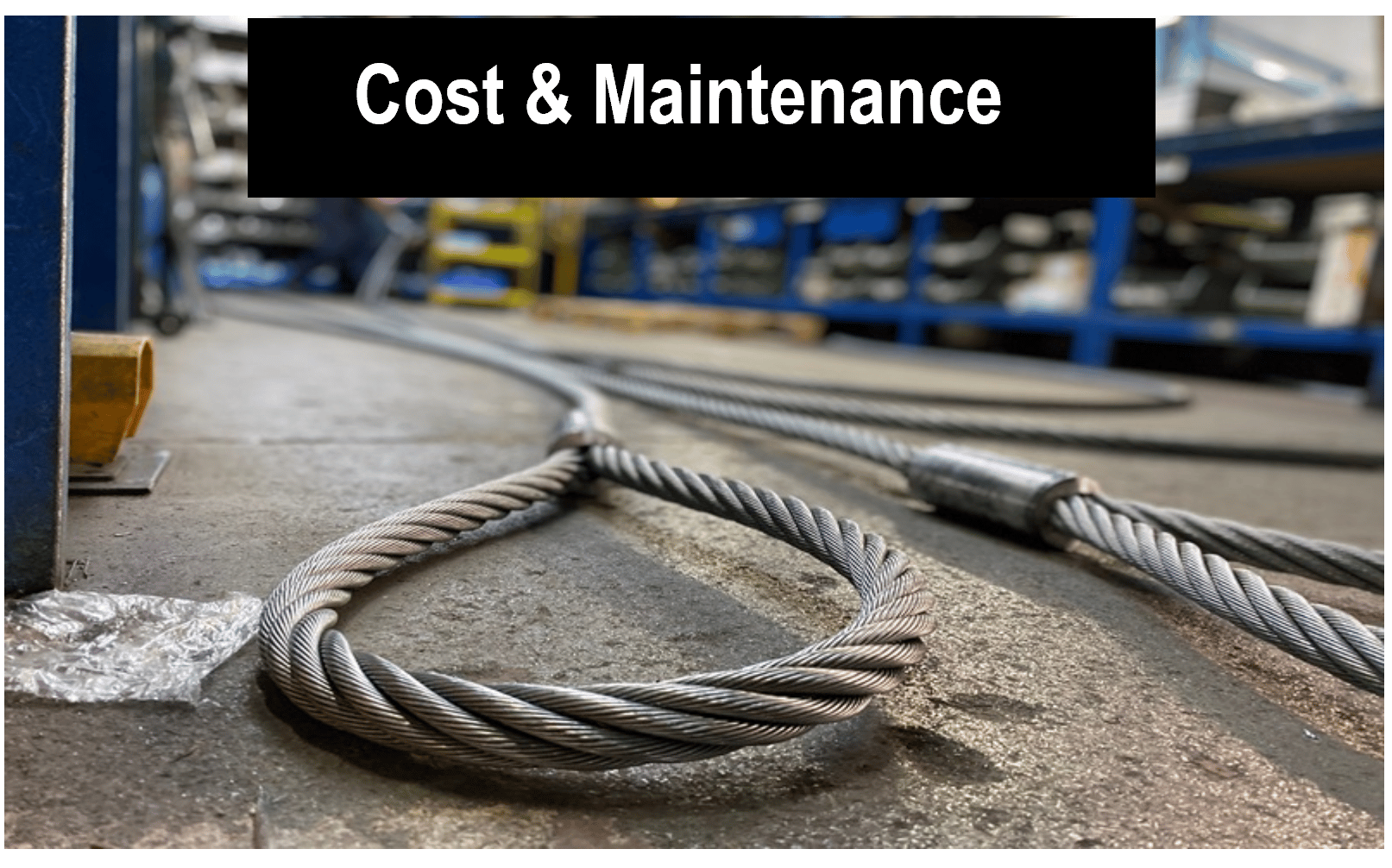
Cables, due to their flexible nature, require a Tensioning Device like turnbuckles that would maintain proper tension in the system and make the cables taut. Regular application of lubricants helps reduce friction, thereby reducing wear and tear on the cables. This, in addition to UV degradation, means that synthetic cables shall hold—her apart by giving them a life coat or shield to ensure that they do not degrade under UV rays wherever those cables are in use outdoors.
About Fornd
Fornd, a seasoned manufacturer of industrial cabinet locks and hardware, offers a broad spectrum of solutions for industrial applications. Their product line includes high-quality electronic locks, hinges, handles, and latches, showcasing their deep industry expertise. Discover their comprehensive offerings on the Fornd website: https://fornd.com.