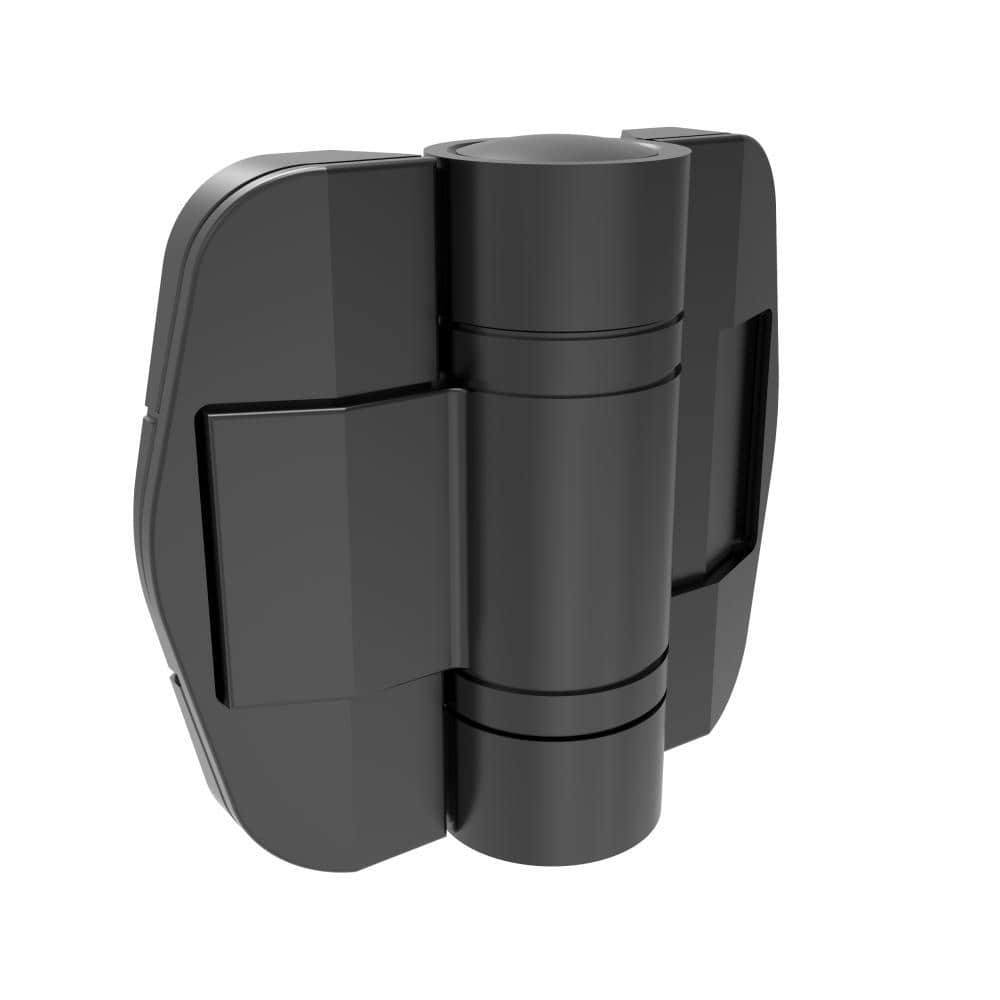
Think about the heavy doors, tool cabinets, or outdoor boxes you’ve used—the parts that move every single day are usually the first ones to wear out. And if the hinge gives up, the whole setup is useless. That’s why stainless steel heavy duty hinges matter: they’re the small pieces that take on the biggest stress, keeping doors solid, smooth, and safe even after years of use. Nobody wants a door sagging off its frame or a machine panel that won’t close right.
This guide keeps things simple. We’ll explain what heavy duty stainless hinges actually do, show you where they’re used, and point out the features that separate a good hinge from a headache. You’ll get a product lineup straight from Fornd—with real images and links—plus a quick look at how they compare with other Chinese manufacturers. The goal? To give you clear reasons and practical advice , you can pick the hinge that lasts, instead of the one that lets you down.
What Is a Stainless Steel Heavy Duty Hinge?
Picture a door or cabinet that feels heavy every time you pull it open. Now imagine that same door being opened and closed hundreds of times a week. A regular hinge just won’t last—it’ll squeak, sag, or even rip out of the frame.
A hinge is really just two plates joined by a pin, letting the door swing while keeping it fixed to the frame. In a light-duty hinge, both the plates and the pin are thin, fine for a kitchen cupboard but not for anything heavier. A heavy duty hinge, on the other hand, is built beefier on purpose: the plates are thicker, the knuckles are larger, and the pin running through them is solid steel. That extra material spreads the load and stops the hinge from twisting out of shape.
Instead of wearing out in a year, heavy duty stainless hinges keep everything lined up and moving smoothly for the long haul—whether it’s on a factory machine, a storage locker, or a big steel door that people slam all day long.
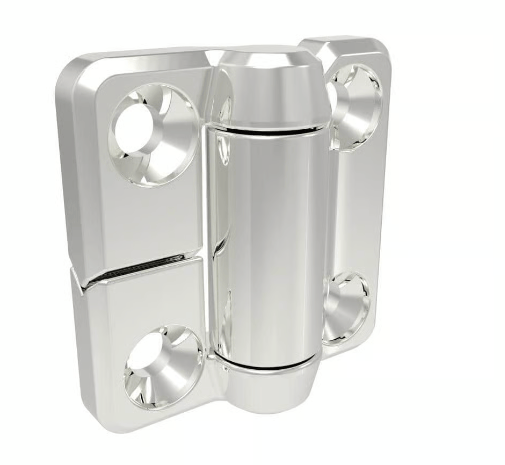
Why Stainless Steel Matters
Corrosion Resistance
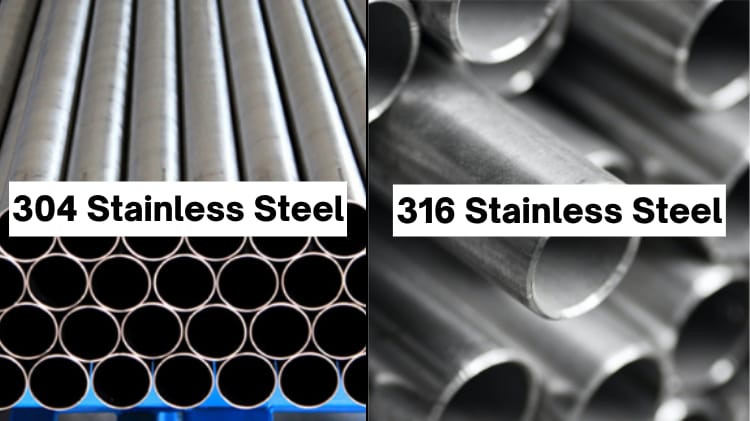
Stainless grades like 304 and 316 don’t give in to damp air, salty spray, or cleaning chemicals. Where other metals rust or seize, stainless steel keeps the hinge moving smoothly.
Load-Bearing Strength
With chunky knuckles and solid pins, stainless steel hinges don’t twist out of shape. Even under the pull of a heavy door, they stay straight and steady.
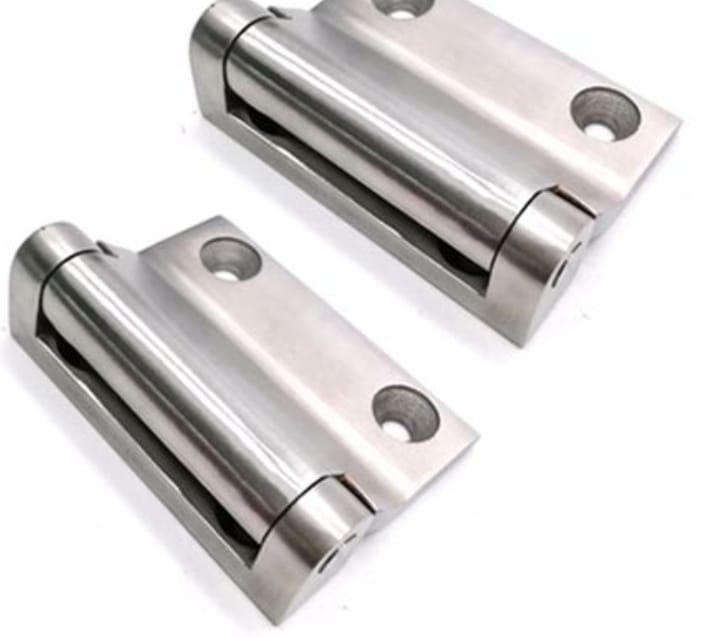
Longevity
A well-installed stainless steel heavy duty hinge can open and close thousands of times without loosening up. That mix of durability, weather resistance, and strength is why industries that can’t afford failure keep relying on them.
Which Stainless Steel Heavy Duty Hinges Does Fornd Offer?
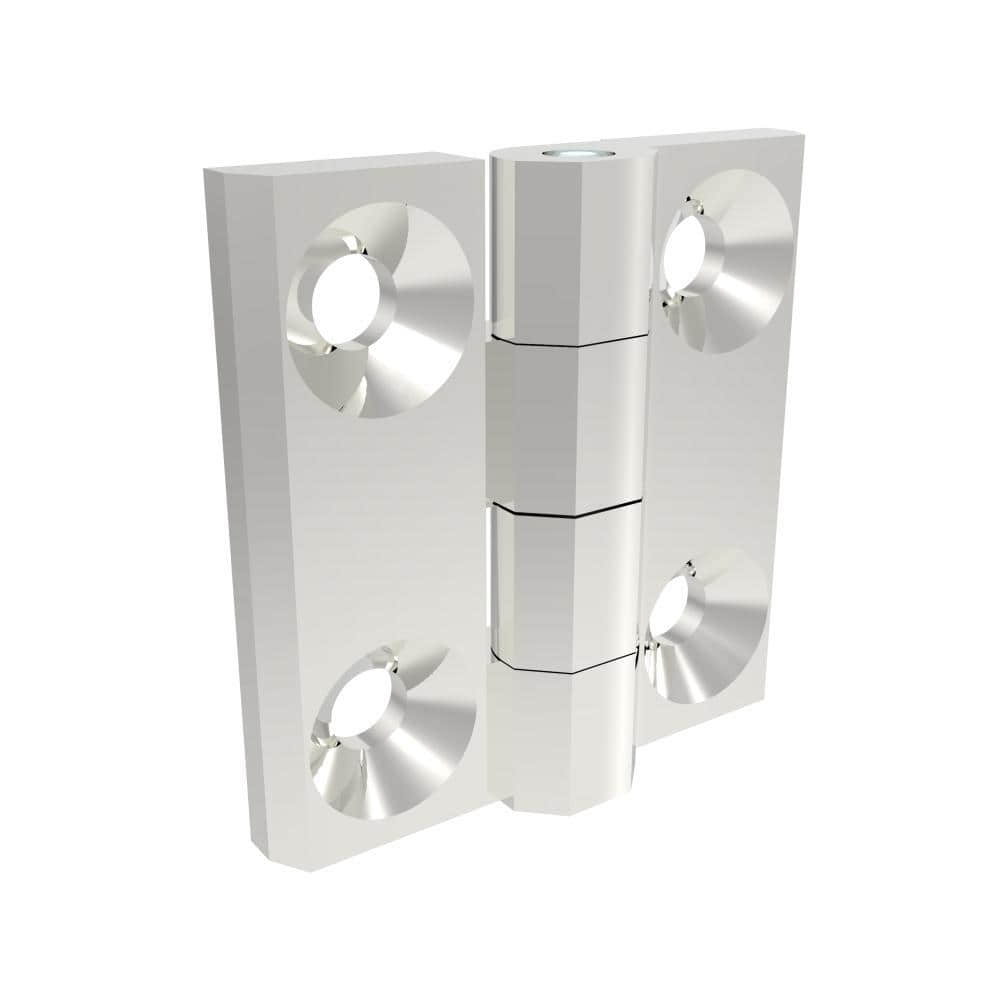
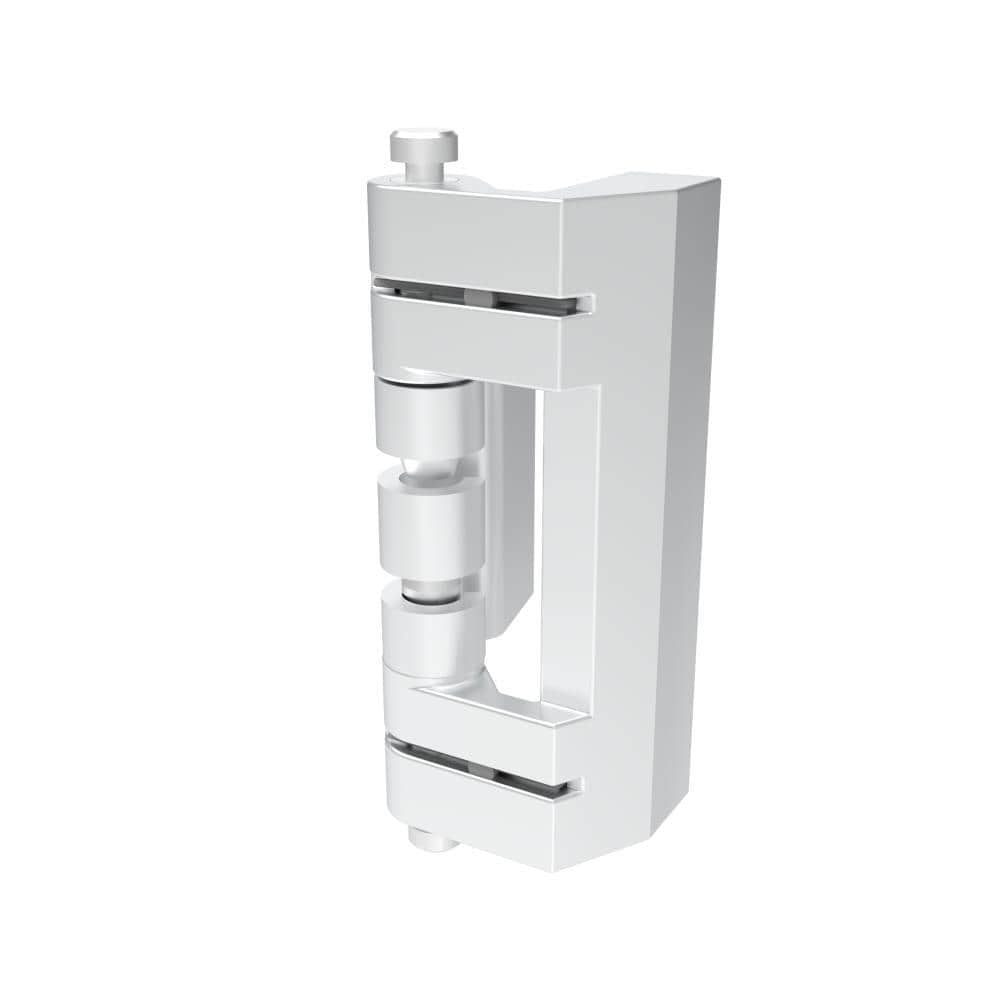
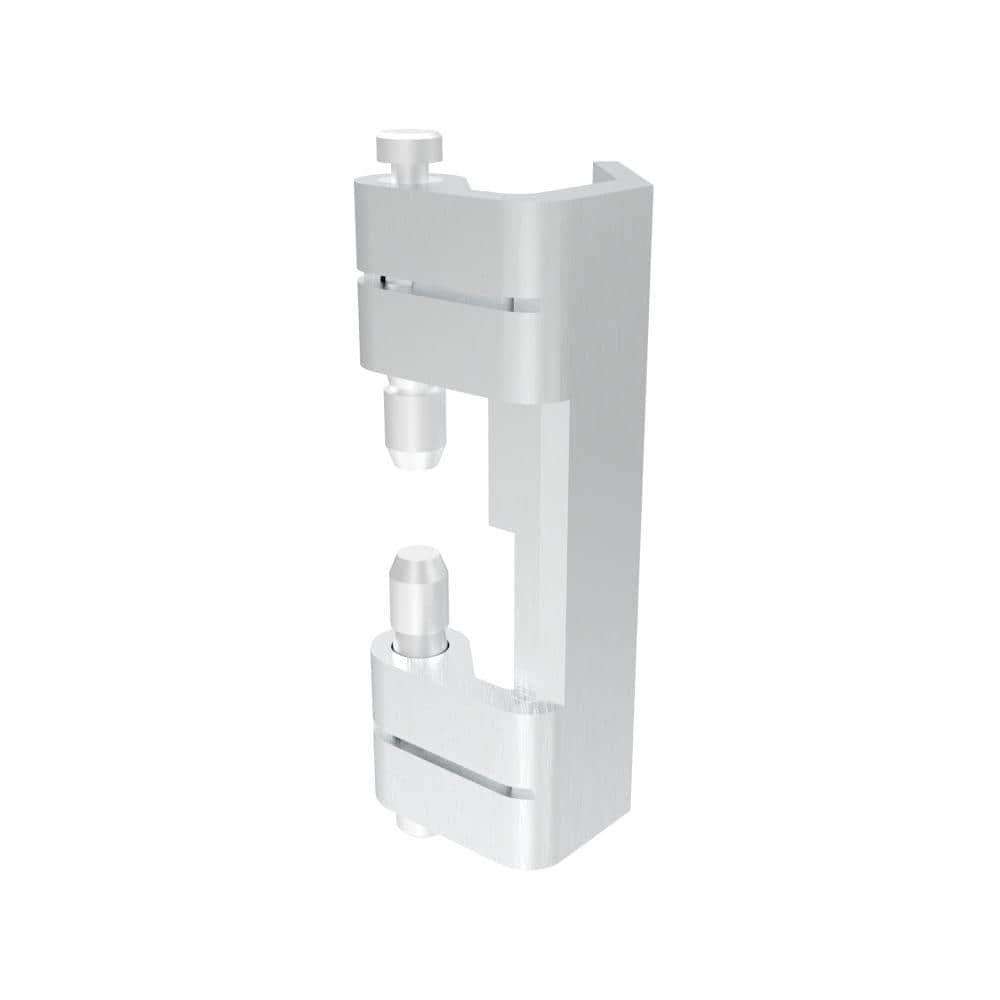
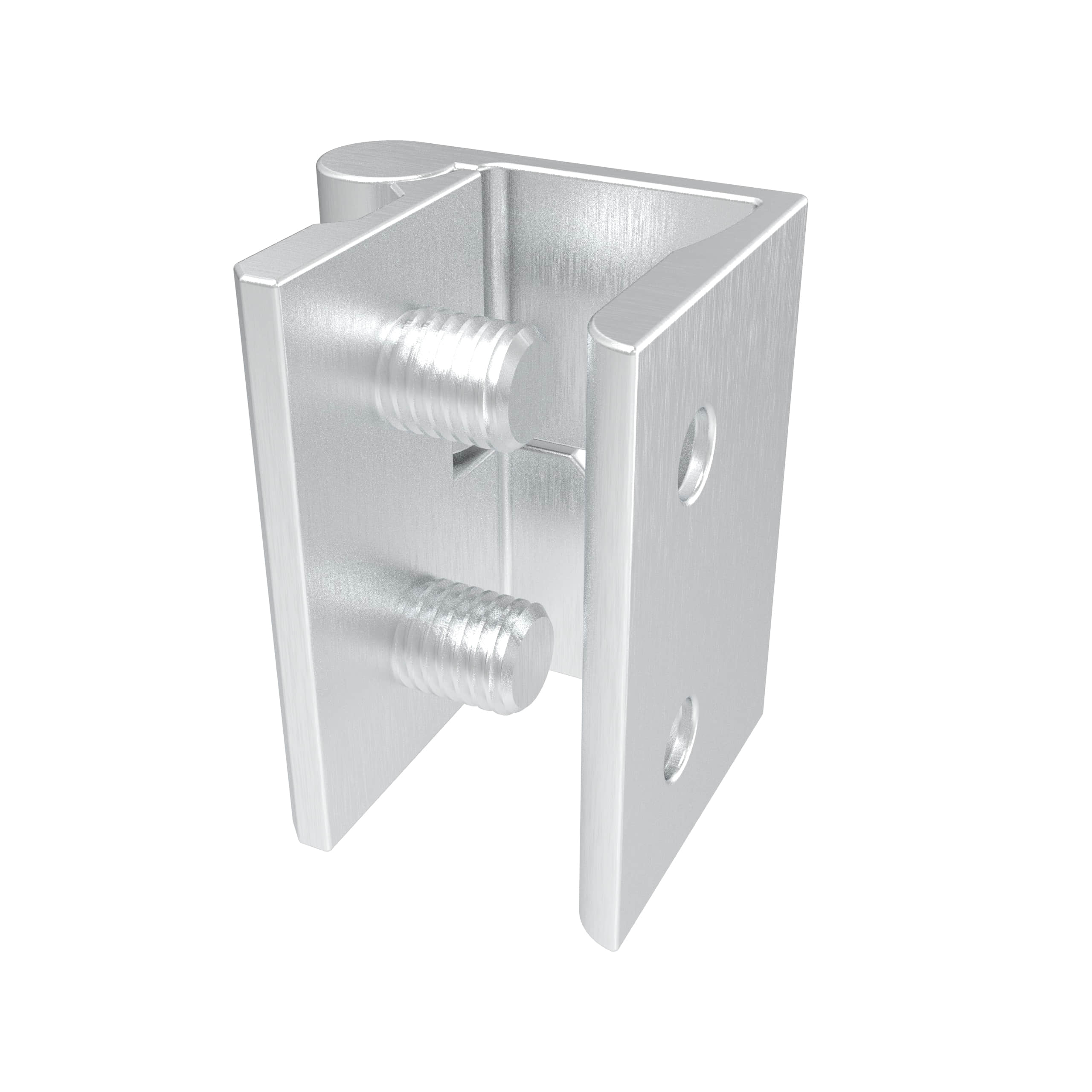
Fornd provides a wide portfolio of stainless steel heavy duty hinges that combine precision engineering, durable materials, and customization options. Here are four representative products:
Product Image | Product Name | Key Features | Link |
| Heavy-duty corner hinge, removable pin for quick access | https://fornd.com/product/corner-door-removable-hinges-h2-2308-111cf-a1 | |
| H1-2101-400-A1 Surface Fixed Hinge | Flush-mount stainless hinge, ideal for panel doors | https://fornd.com/product/surface-mount-hinges-h1-2101-400-a1 |
| H2-2352-A1 Recessed Removable Hinge | Concealed mounting, removable for service panels | https://fornd.com/product/corner-door-removable-hinges-h2-2352-a1 |
| H1-2401-11511-60 Detent Positioning Hinge | Holds position with detent, stainless build for durability | https://fornd.com/product/positioning-hinges-h1-2401-11511-60 |


These models illustrate the range: corner hinges for access doors, surface mounts for panels, recessed options for sleek looks, and detent hinges for adjustable positioning.
Where Are Stainless Steel Heavy Duty Hinges Used?
A 2024 MarketsandMarkets report says that more than 40% of heavy-duty hardware goes into industrial enclosures and automation gear. The rest shows up in transport, marine, and energy projects. In other words, stainless steel heavy duty hinges aren’t niche parts—they pop up anywhere strength and reliability really matter.
Industrial Equipment
Think about heavy machinery, electrical control boxes, or even the racks in a data center. These doors and panels get opened constantly, and a flimsy hinge just won’t do. Heavy duty stainless hinges keep them lined up and easy to use.
Transportation and Vehicles
Trucks, trailers, trains, even aircraft compartments—everything that rattles or moves needs hinges that won’t shake loose. Stainless steel makes sure the doors stay solid, no matter the bumps and vibration.
Marine and Outdoor Gear
Salt water, rain, and constant weather changes kill ordinary hardware fast. That’s why 316 stainless steel hinges are the safe bet for ship lockers, telecom boxes on rooftops, and any equipment left outside year-round.
Buildings and Safety Doors
In public spaces you’ll find them on security doors, fire-rated doors, and access panels. These hinges don’t just carry weight—they help make sure the doors stay safe and compliant with regulations.
Which Company Is Best for Heavy Duty Hinges?
There isn’t one company that works for everyone. Some suppliers only push out standard catalog parts, others chase big contracts and don’t bother with smaller orders. What most buyers really want is something in between—a partner that delivers steady quality, doesn’t keep you waiting forever, and actually answers when you have a question. That’s the space Fornd has stepped into. They’ve built a reputation for making the process easier: orders arrive when they’re supposed to, the quality stays consistent from batch to batch, and communication feels straightforward instead of like pulling teeth. In the end, that mix is what makes people keep coming back.
Which Chinese Manufacturers Make Heavy Duty Hinges?
China has plenty of hinge makers, from big factories to niche specialists. But most either stick to standard catalog parts or focus on bulk orders. Fornd sets itself apart by covering a wide product range, offering clear online specs, and staying flexible on order size—whether you need a few pieces for testing or a full production run.
Why Choose Fornd for Stainless Steel Heavy Duty Hinges?
Engineering Support
Fornd backs up their products with CAD drawings, test reports, and compliance docs. That means engineers don’t have to design in the dark—you can check fit and reliability before anything gets built.
Durable Materials
Built from 304 and 316 stainless steel, these hinges don’t mind bad weather or salty air. Instead of rusting out, they just keep working year after year.
Wide Range of Options
From simple surface-mounts to recessed styles and detent hinges that hold a door in place, Fornd’s catalog covers most situations. It saves you from bouncing between different suppliers.
Ready for Global Use
The paperwork’s already sorted—ISO 9001, CE, RoHS. If you’re shipping a project overseas or building for export, you don’t have to worry about compliance slowing things down.
FAQs
Q1: What’s the difference between 304 and 316 stainless steel hinges?
304 is fine for most indoor jobs. If the hinge is going near the sea or somewhere damp and rough, 316 is the safer pick—it just holds up better.
Q2: How much weight can these hinges take?
There isn’t one number. Some handle a medium-size cabinet door, others are built for really heavy steel panels. Best bet: check the spec sheet before you buy it.
Q3: Do I need to maintain stainless steel hinges?
Not much. They don’t rust easily, but if they’re outdoors, giving them a quick wipe once in a while keeps them moving smooth.
Q4: Can Fornd make custom hinges?
Yes. If the standard size doesn’t fit, you can ask. They usually get back fast and suggest something that works instead of leaving you hanging.
If you’re ready to stop guessing and start using hinges that actually hold up, head over to Fornd’s official site and check out our stainless steel heavy duty hinge lineup.