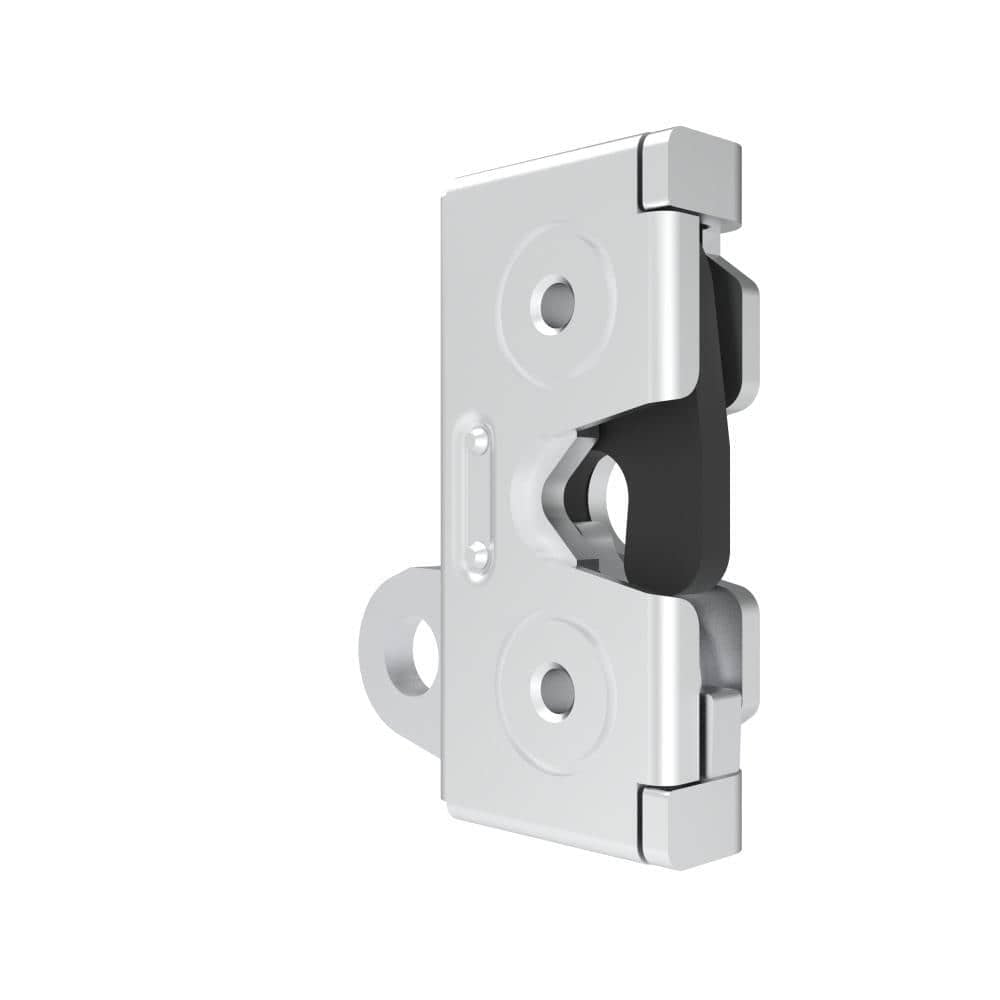
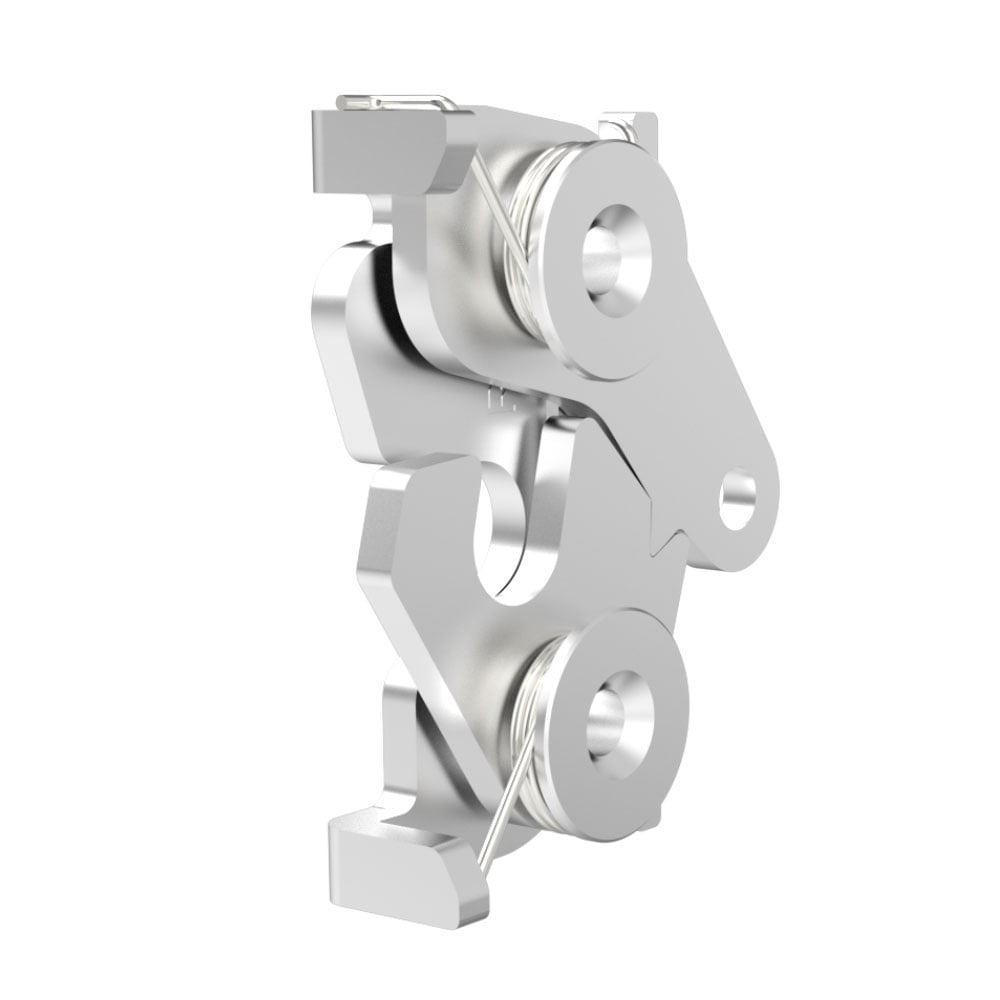
Have you ever experienced a control cabinet being shaken open during transportation, water seeping through the hatch of outdoor equipment, or damage to precision instruments due to poor sealing because of an improper latch selection? In the industrial and commercial fields, a seemingly simple cabinet latch is actually a key factor affecting the safety, reliability and service life of equipment.
By cooperating with Fornd, you don't need to worry about any of the above problems occurring. As a professional industrial hardware manufacturer certified by ISO 9001/IATF 16949, Fornd is capable of providing a full range of latch solutions from standard products to complex customization, helping you ensure the overall quality of the products from the source.
This guide provides you with an in-depth introduction to the core functions, types and materials of interlocks, aiming to offer a reference for industrial-grade cabinet interlocks.
What Are the Core Functions of Industrial Cabinet Latches?
Industrial-grade latches are far more than just parts for "closing doors". They are important components of the electromechanical system and undertake three core functions:
Maintenance and Stability
In environments with vibration, shock or frequent operation, ensure that the door, cover plate or panel always remains tightly closed to prevent noise or structural damage caused by loosening.
Environmental Sealing
That is to prevent dust, moisture or other contaminants from entering the interior of the box to protect key electrical control components, precision instruments or mechanical equipment.
Security and Access Control
It provides basic security protection functions to prevent unauthorized personnel from opening it, while ensuring the convenience of operation and maintenance for authorized personnel.
What Types of Industrial-Grade Cabinet Latches Are There?
Push-Type Latch
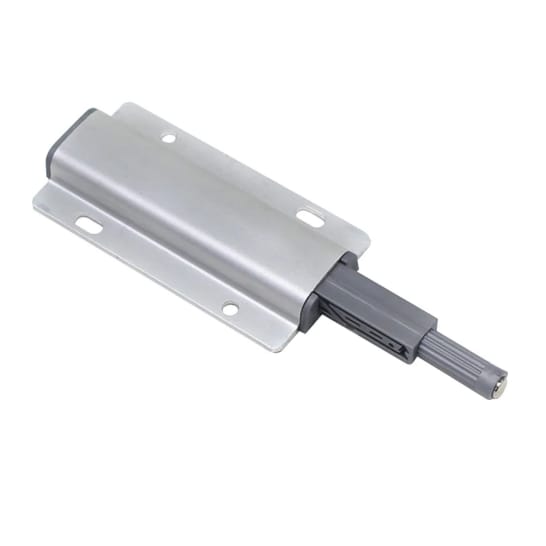
The push-type latch is opened by pressing and automatically resets and locks by the force of the spring. It can offer a simple and neat appearance.
Typical materials include stainless steel and reinforced nylon, etc. This type of latch is suitable for equipment panels, network communication cabinets and laboratory instruments with high cleanliness requirements. However, its holding force is relatively small and it is not suitable for heavy or high-vibration environments.
Sliding Latch
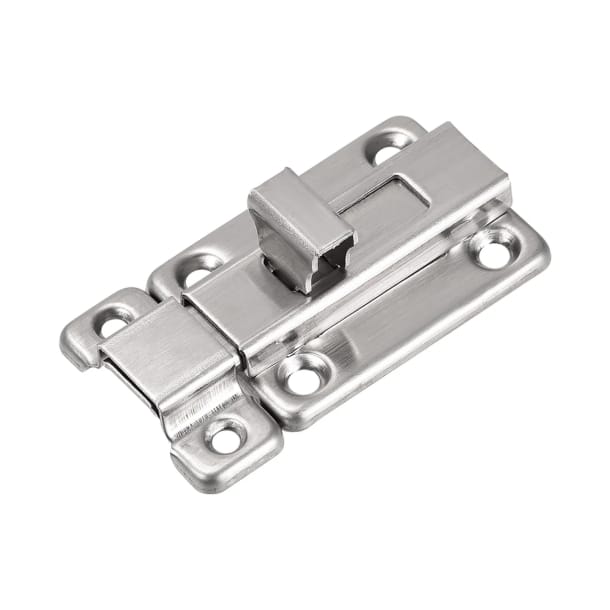
The working mechanism of this latch is to generate a strong clamping force by pulling the lever and utilizing the principle of a central CAM. Typical materials include die-cast zinc alloy and steel reinforcing parts.
It is best applied to transport boxes, industrial mechanical equipment covers, and welding equipment cabinets. Its adjustable locking force can compensate for slight deformation of the door body.
Compression Latch
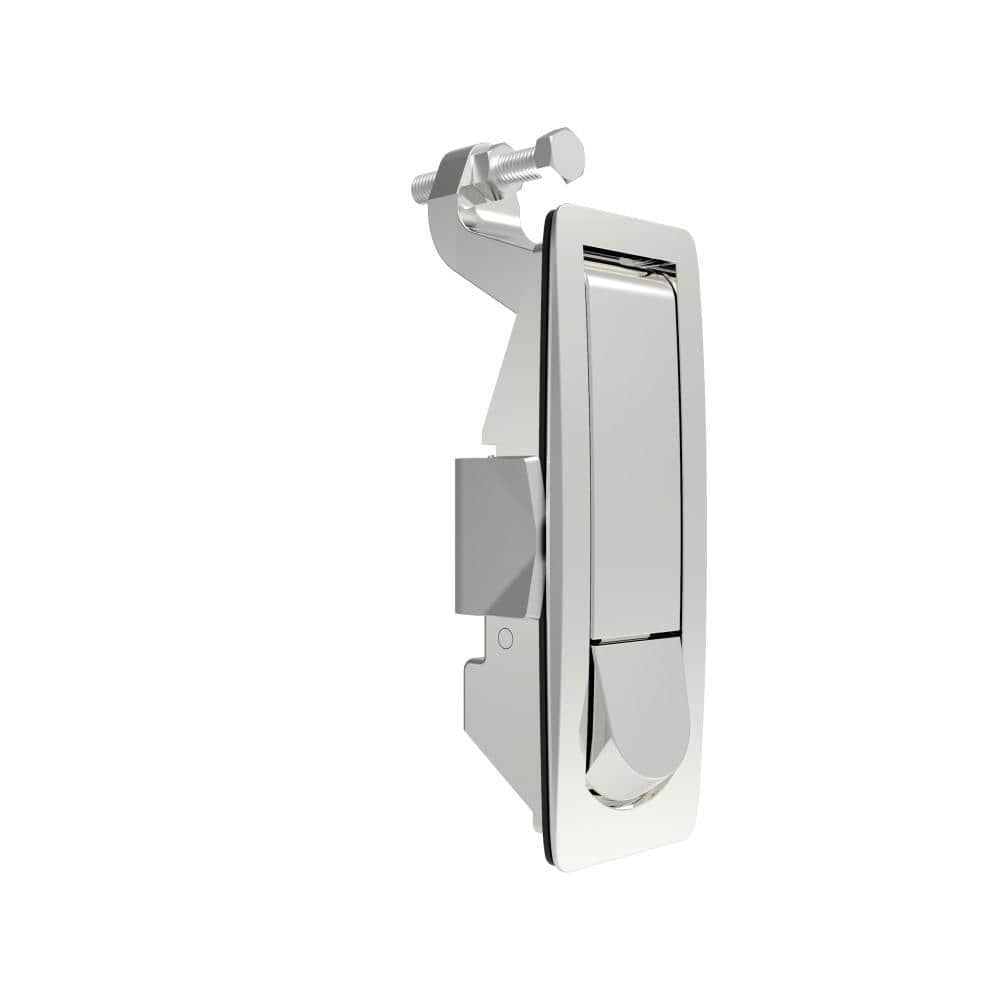
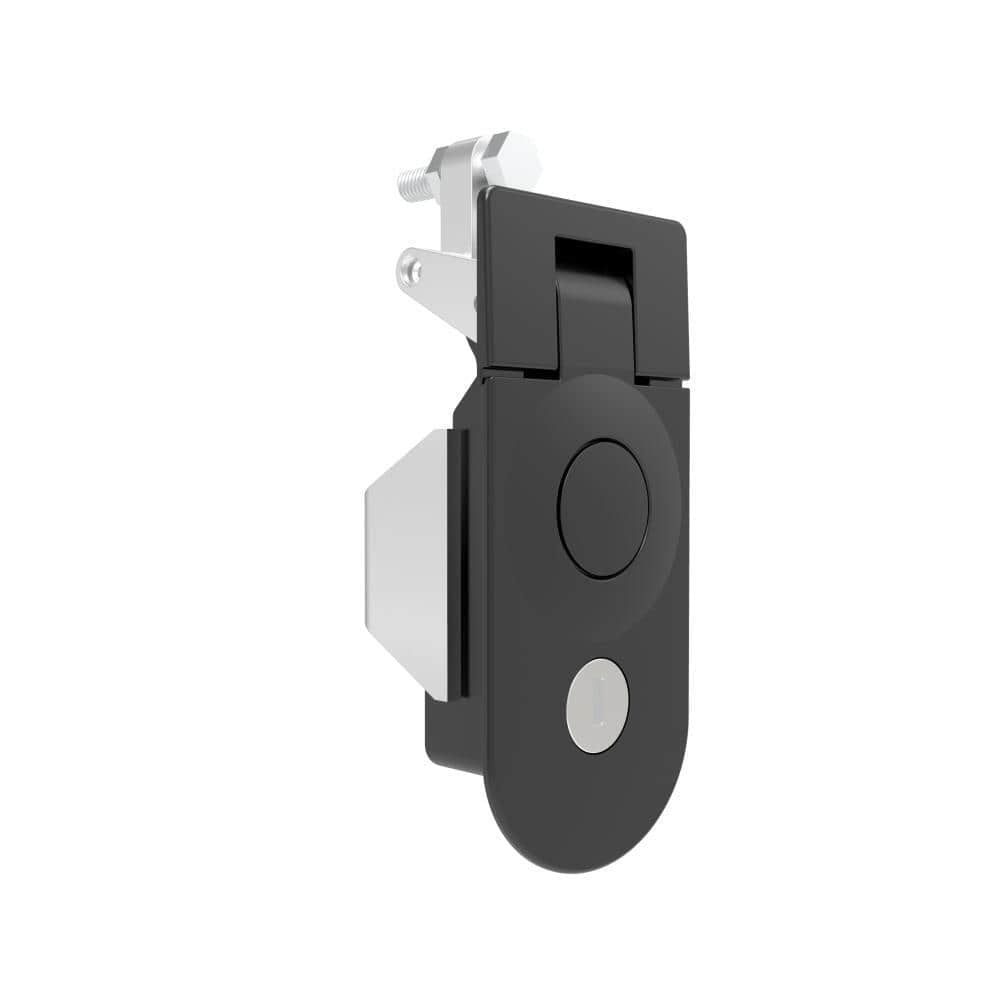
During the locking process of the compression type latch, the latch will be compressed forward by a certain stroke, thereby pressing the sealing strip between the door frame and the box body tightly. Stainless steel main body and silicone or EPDM sealing rings are typical materials.
Such latches can be commonly found in outdoor telecommunication base stations, vehicle control units, and any harsh environments that require dust and water resistance, providing excellent sealing performance and vibration resistance.
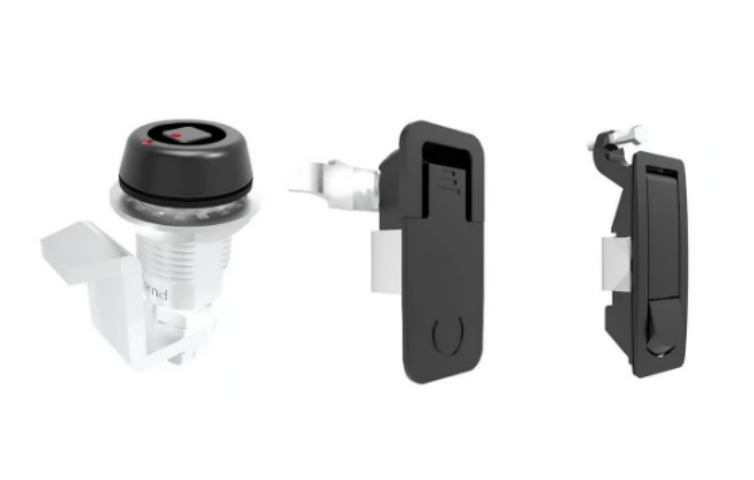
Fornd's compression latches are classified into four types: CAM latches, lever latches, self-adjusting latches, and lifting and rotating latches. More detailed information, you can browse: https://fornd.com/category/stainless-steel-compression-latches-locks-for-doors
Tensioned Latch
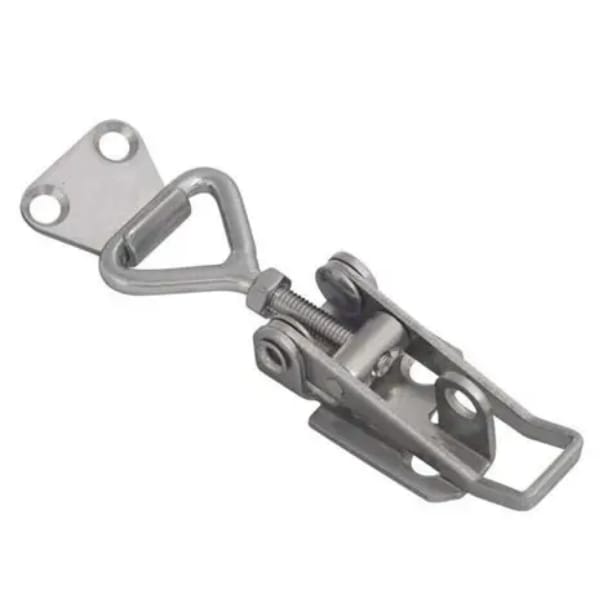
The tensioned latch generates a strong closing force by pulling two separate components together through a lever arm. Stainless steel and galvanized steel are common materials. It can be applied to freight containers, large industrial control cabinets and agricultural machinery toolboxes. It features a simple structure and extremely high vibration resistance.
Rotary and Butterfly Latches
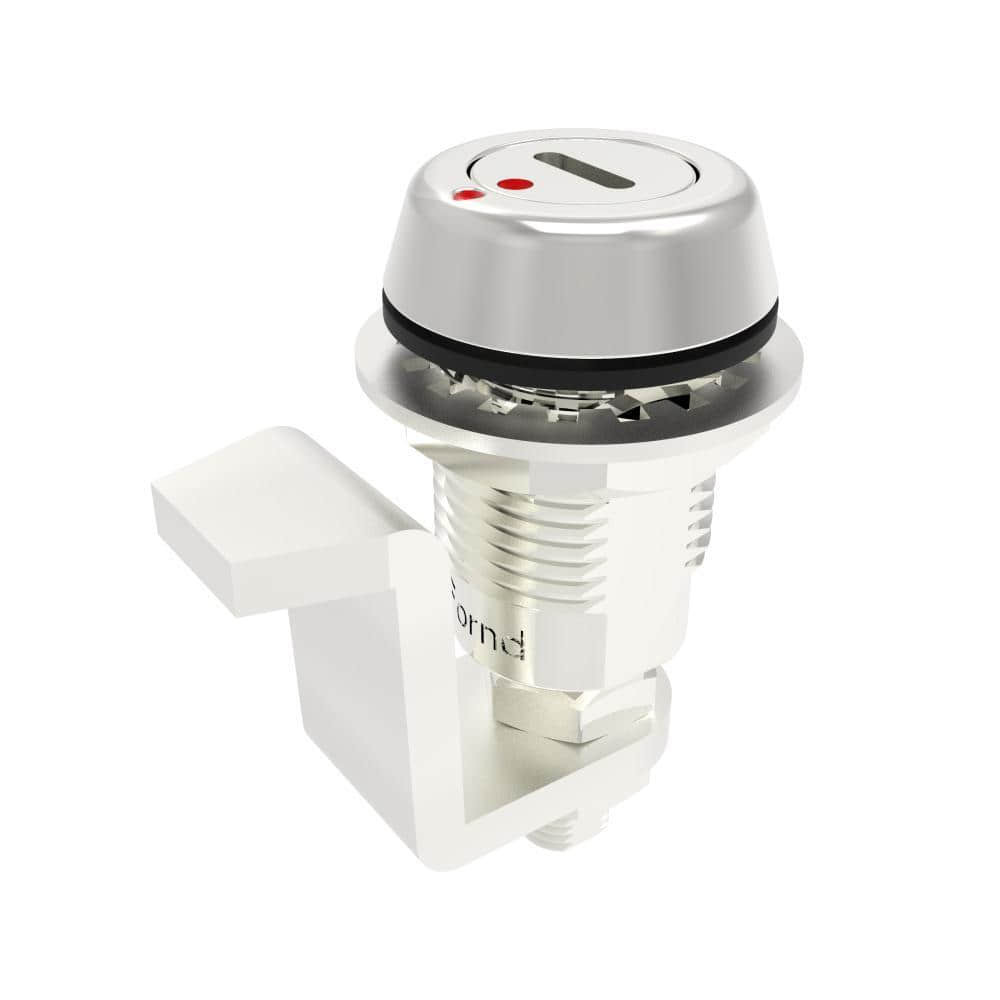
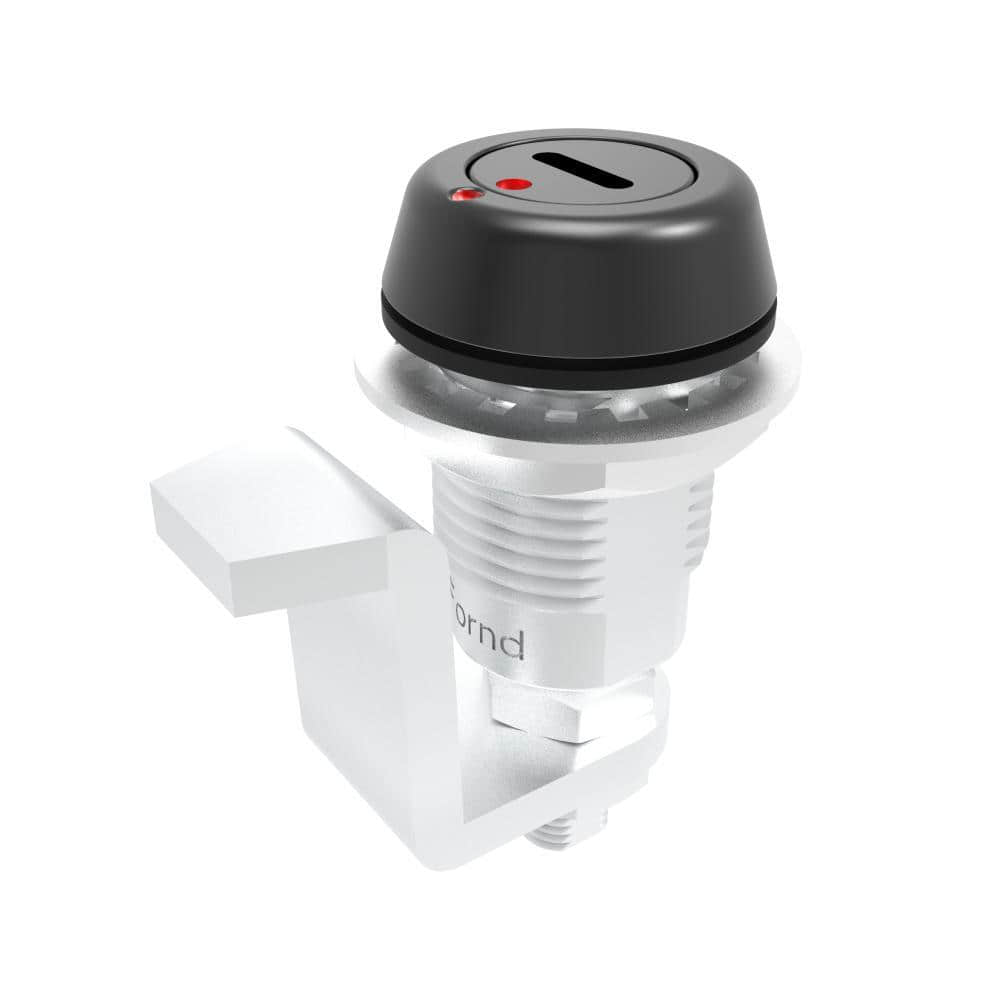
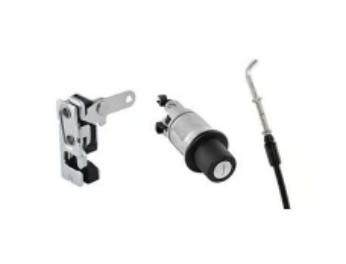
The working mechanism of rotary and butterfly latches is to drive the bolt into the lock by rotating the handle or butterfly knob to achieve locking. Typical materials include die-cast zinc alloy, stainless steel and brass.
Rotary latches are commonly used in electrical control cabinets, distribution boxes, and professional equipment with a retro style. Butterfly latches are often used in RV storage compartments, ship doors, and engineering vehicles - providing even installation and higher safety.
You can also browse https://fornd.com/category/stainless-steel-rotary-latch-systems , understand Fornd rotating latch system provide reliable solutions for fixed door plank.
Magnetic Latch
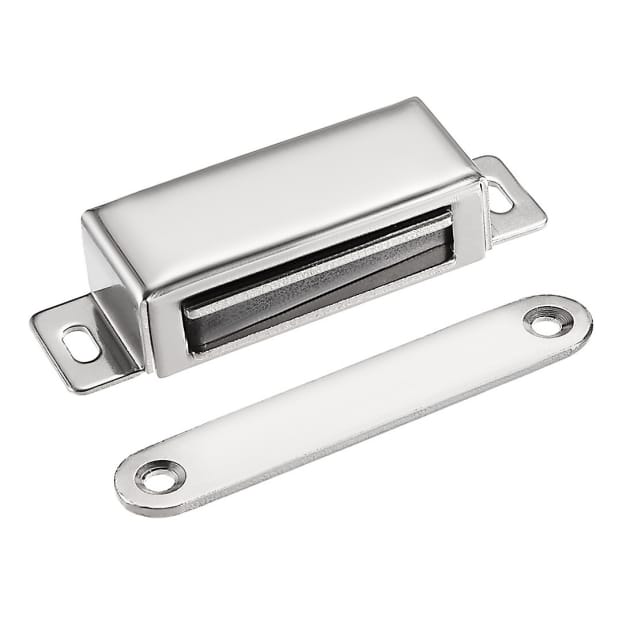
The magnetic latch is closed by the suction force of high-strength neodymium magnets, achieving silent and smooth operation. It is generally made of stainless steel casing, with rare earth magnets encapsulated inside.
Magnetic latches can be applied to medical equipment, office automation equipment, cleanroom access panels and other devices that require silent operation. However, it should be noted that pure magnetic latches may not be applicable in environments with continuous strong vibrations.
You can browse Fornd's guide on cabinet latches: https://fornd.com/blog/article/a-guide-to-cabinet-latches-types-and-how-to-install
How to Choose the Right Material?
Choosing the wrong material is the main cause of the early failure of the latch. The following are the material guidelines for industrial scenarios:
Material | Properties | Optimal Applications |
Stainless Steel (300 Series) | Excellent rust & corrosion resistance, high mechanical strength | Food & beverage plants, chemical environments, coastal areas, medical equipment, outdoor enclosures |
Zinc Alloy (Zamak)
| Good strength-to-cost ratio; plated finishes for varied look & extra resistance | Indoor industrial equipment, data-center cabinets, commercial machinery, general industrial settings |
Engineering Plastic / Nylon | Light weight, electrically insulating, non-magnetic, chemically resistant | Electronic & electrical gear, non-critical light-load uses, RF-sensitive environments |
Brass | Naturally corrosion-resistant, good electrical conductivity, premium appearance | Marine-equipment interiors, applications requiring electrical grounding, aesthetic-focused professional devices |
The above table is the suggestion we have given. In fact, when it comes to material selection, the core principle is to match the environment with performance and avoid malfunctions caused by improper use of materials. In addition, decisions should be made based on different usage scenarios.
If you are unable to make a decision based on your needs, then leave it to Fornd, which can provide you with a comprehensive and complete solution.
About Fornd
Cooperating with Fornd has the following core advantages:
• Engineering Support: We offer professional technical support to assist you in selecting or customizing solutions.
• Quality Assurance: Quality management systems such as ISO 9001 ensure that every link from raw materials to finished products is controllable and reliable.
• Supply chain stability: Vertically integrated manufacturing capabilities, large-scale production, ensuring stable delivery times, and supporting your project plans.
• Compliance and Certification: Products usually have obtained international certifications such as CE and RoHS.
At any time, you can visit Ford 's official website https://fornd.com/ to learn and explore the product library, technical parameters and certification information, etc. Or email our technical sales team at info@fornd.com.
FAQs
What is a cabinet door latch?
It is a device that fixes the cabinet door in the closed position, ensuring that the cabinet door remains closed and keeping the space tidy and orderly.
How to confirm the quality of the latch?
Please pay attention to the following points: material certification, surface treatment quality, operation feel, and require a test report.
How to choose cabinet latches?
Consider the strength and security that the latch can provide to keep the door firmly closed. In addition to the size, you should also consider the material and structure of the cabinet.