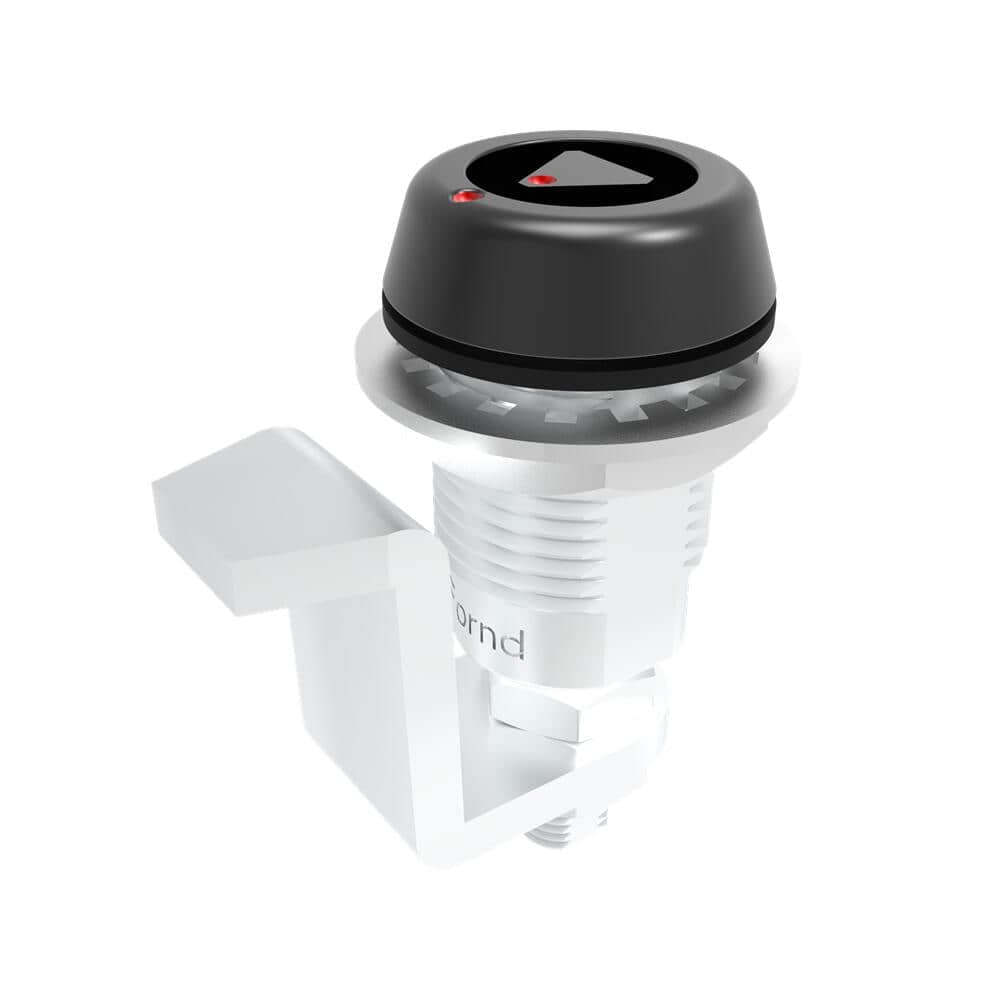
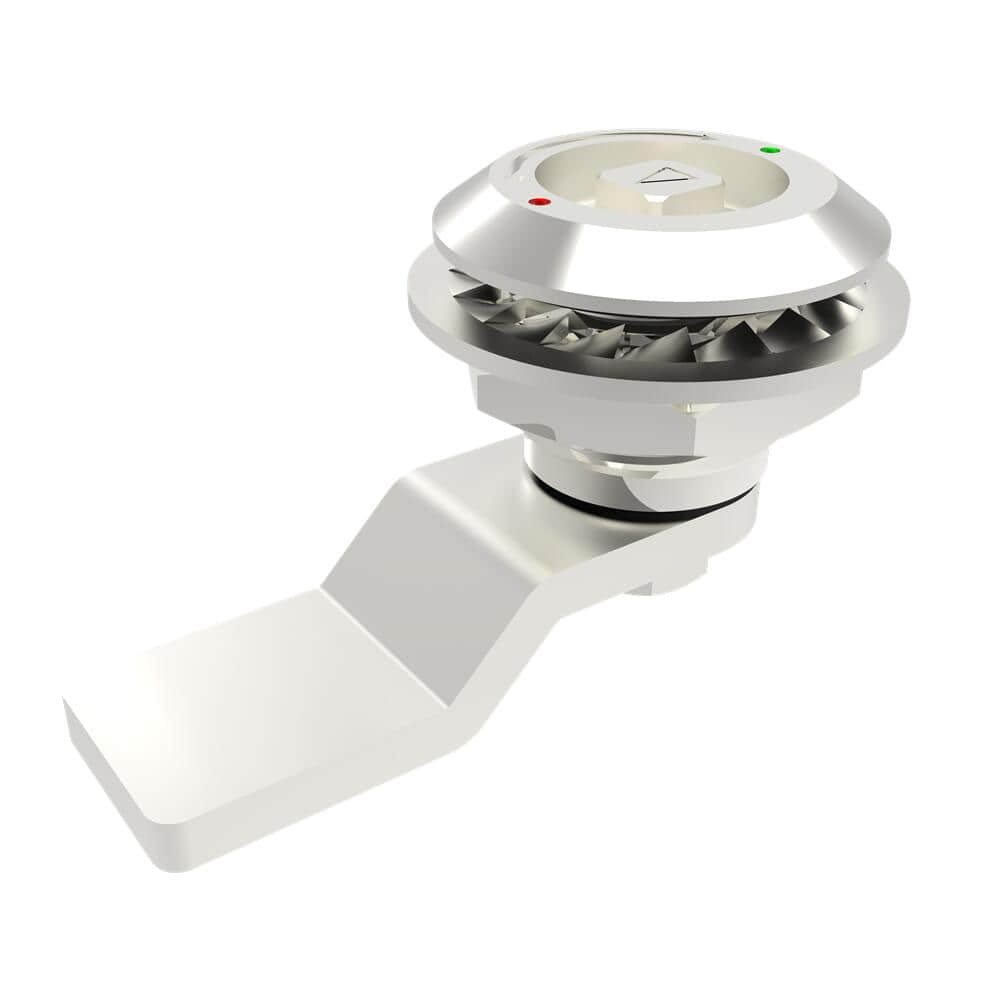
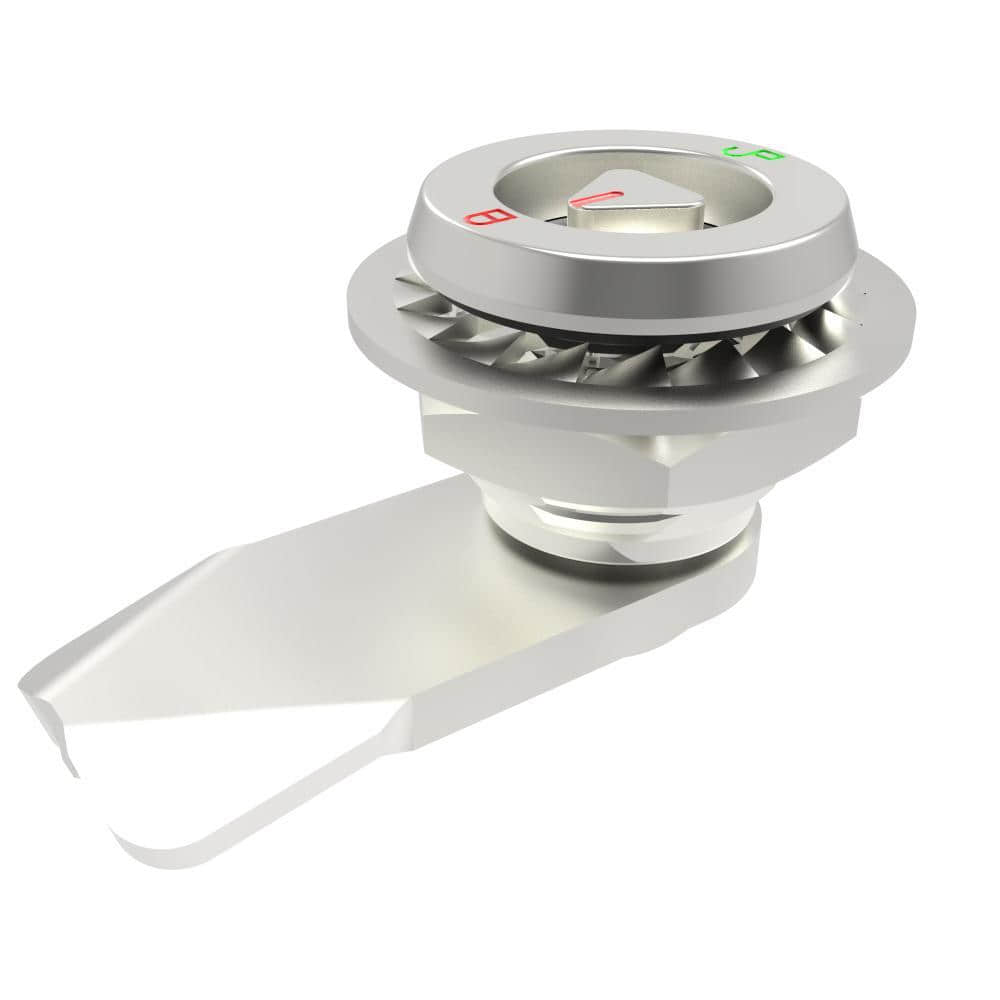
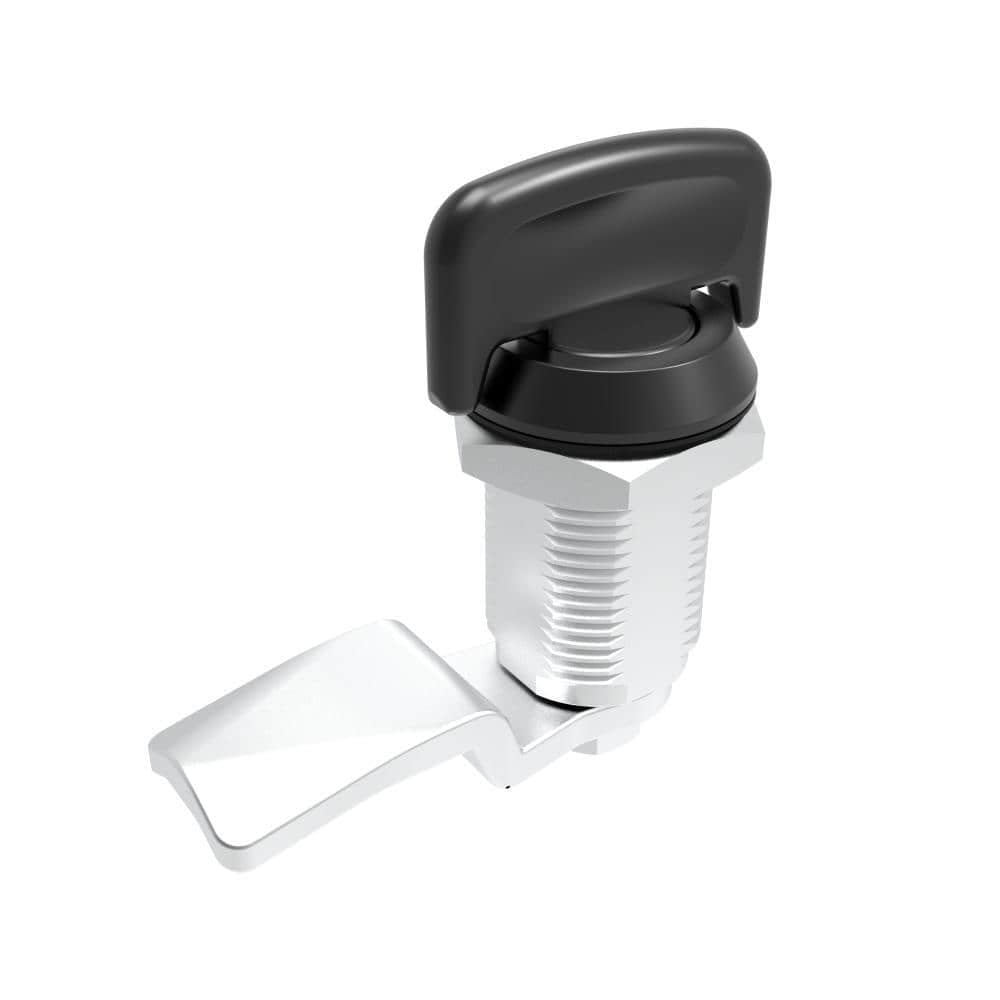
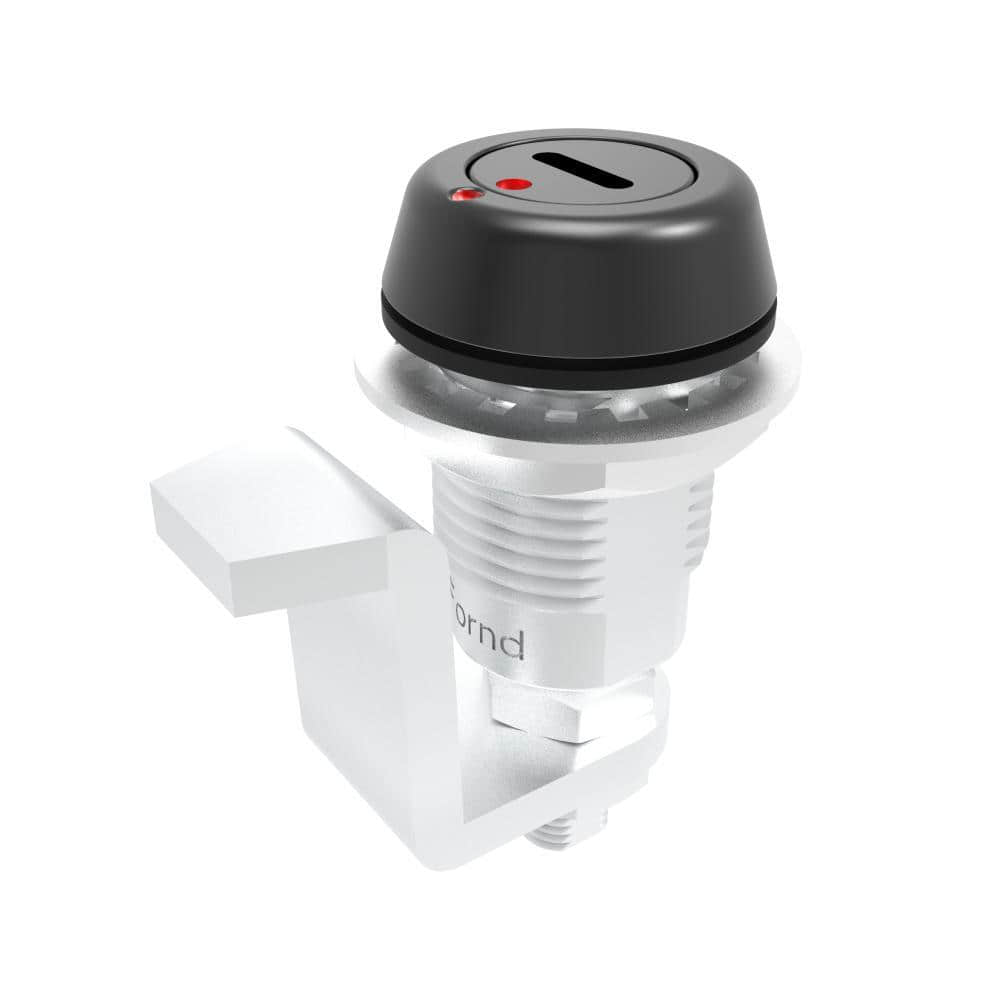
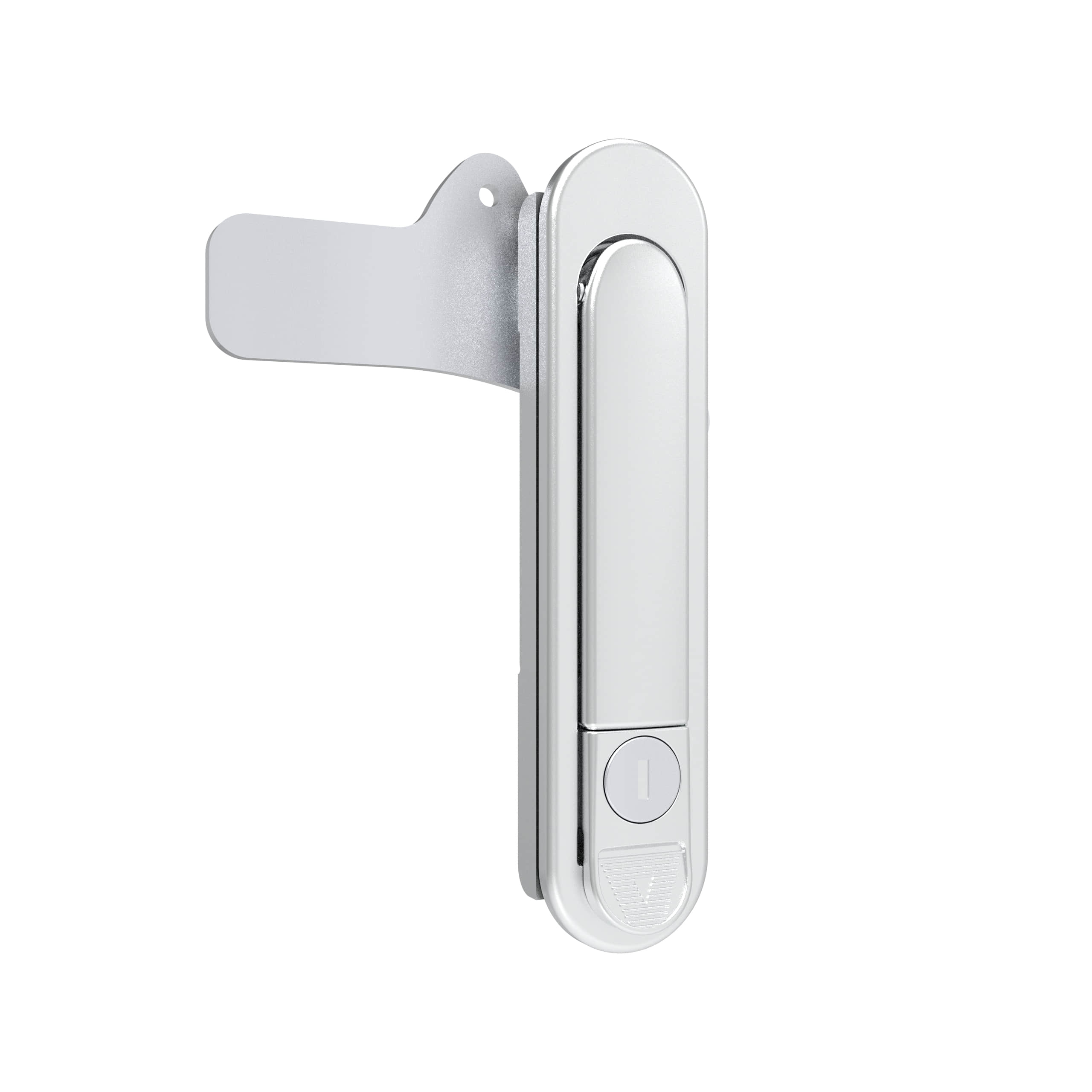
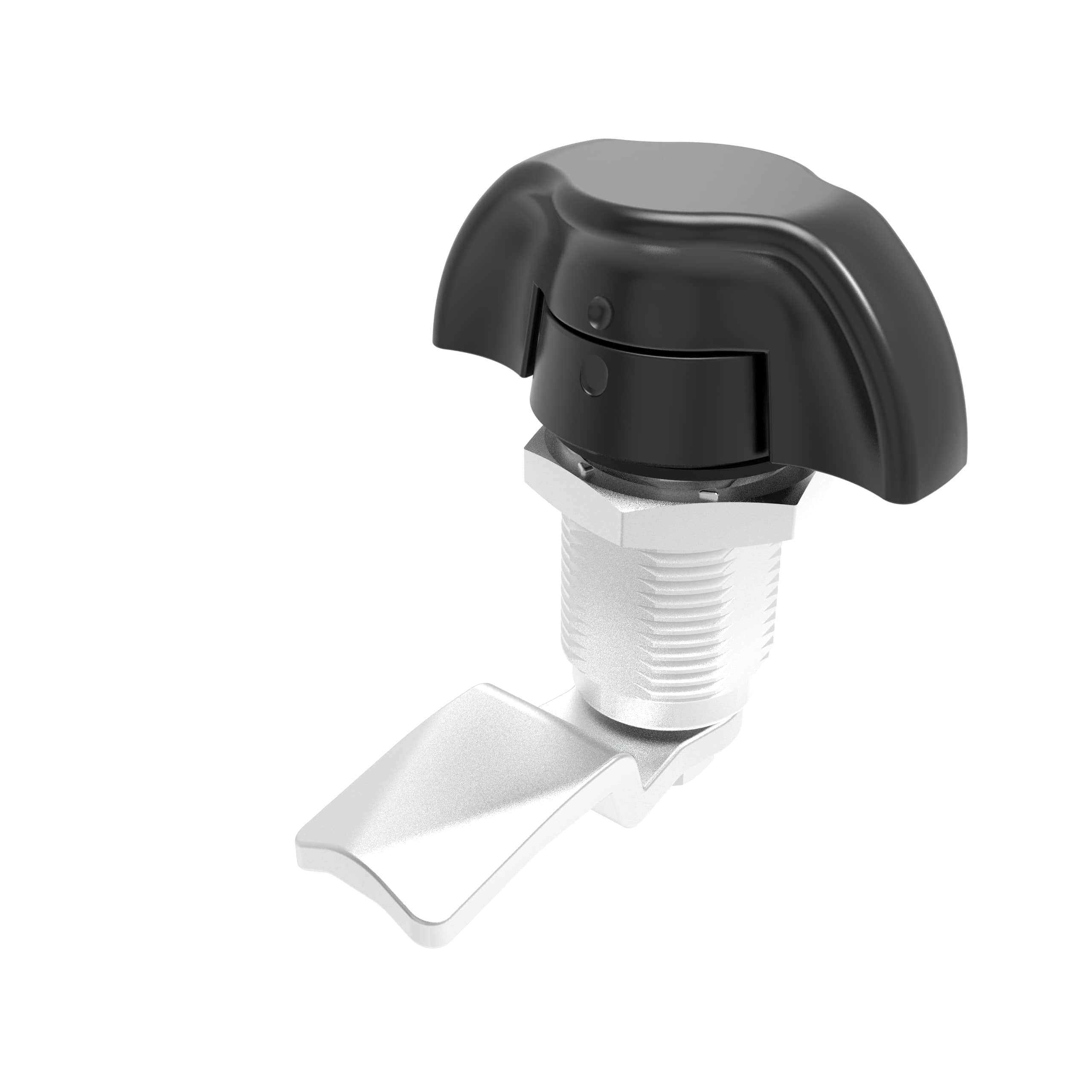
Original Equipment Manufacturer (OEM) locks are indispensable—they engineer seamless compatibility with third-party equipment, forming the backbone of secure, reliable operations for enterprises prioritizing interoperability.
For over 10 years, Fornd has led the OEM locking industry with tailored solutions. Our expertise spans in-house design, precision manufacturing (globally certified), and scalable global delivery—ensuring every lock not only meets but exceeds the rigorous demands of modern enterprise security and integration.
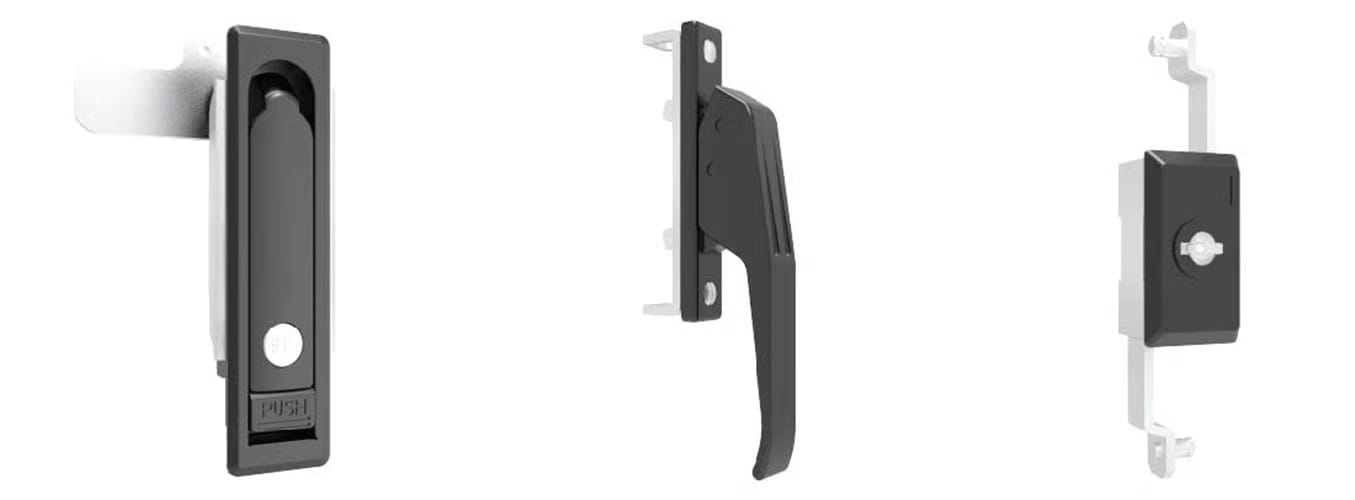
OEM Lock Manufacturers in 2025: How Do You Pick a Real Partner (Not Just a Seller)?
What is an OEM lock and where is it used?
OEM locks are application-specific locking solutions—cam locks, compression latches, swinghandles, and electronic variants—designed to integrate with equipment enclosures, cabinets, and devices rather than retail after-market replacements. Core lines from leading makers show the breadth: cam latches/locks and compression latches for sealed, vibration-resistant closures, plus sector solutions for hygienic and HVAC use.
Which manufacturers consistently show OEM depth?
Industrial access-hardware specialists such as Southco, EMKA, Fornd publish full families (quarter-turns, compression/multipoint locks, swinghandles, cylinders) and industry pages demonstrating cabinet/enclosure integration rather than one-off retail locks.
Why It Matters to Your Business Security?
OEM lock manufacturers concentrate on creating unique locking solutions that complement their customers' existing equipment. By working together on the design, they ensure that the dimensions fit the equipment housings precisely, the locking mechanisms are as strong as possible, and the materials can withstand environmental loads.
OEM Lock Design and Customization
In order to give designers as much freedom as possible to alter designs, OEM lock manufacturers work with suppliers. To meet performance or environmental goals, you can modify each part's size, keying system, surface treatments, and sealing capabilities.
Strong, lightweight stainless steel, zinc alloy, and aluminum are available, as are lightweight, non-conductive polymers. Manufacturers use supply chain optimization and precision engineering to produce elegant, useful locking systems.
Different Types of Locks Used in OEM
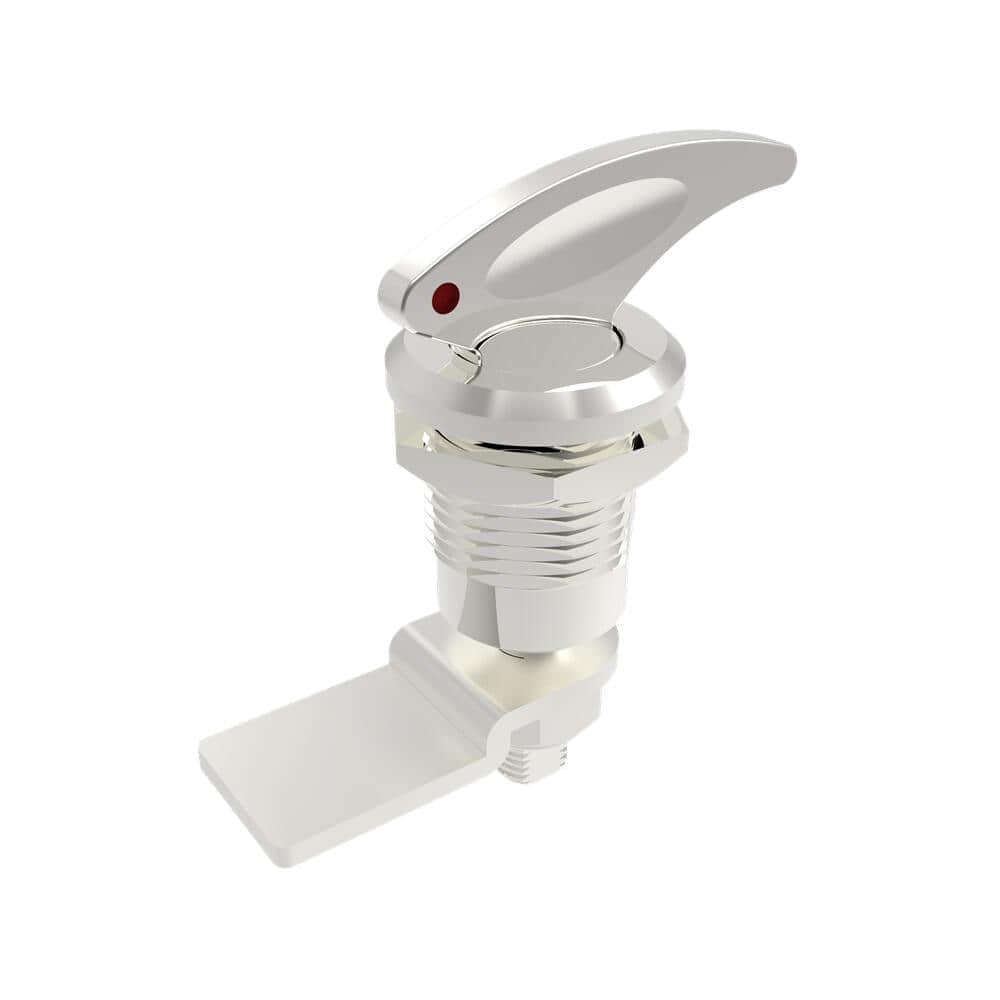
Cam Locks: Compact and easy to install, ideal for tight spaces. Used in telecom cabinets, toolboxes, and server racks. Secure yet allows quick access. Low maintenance.
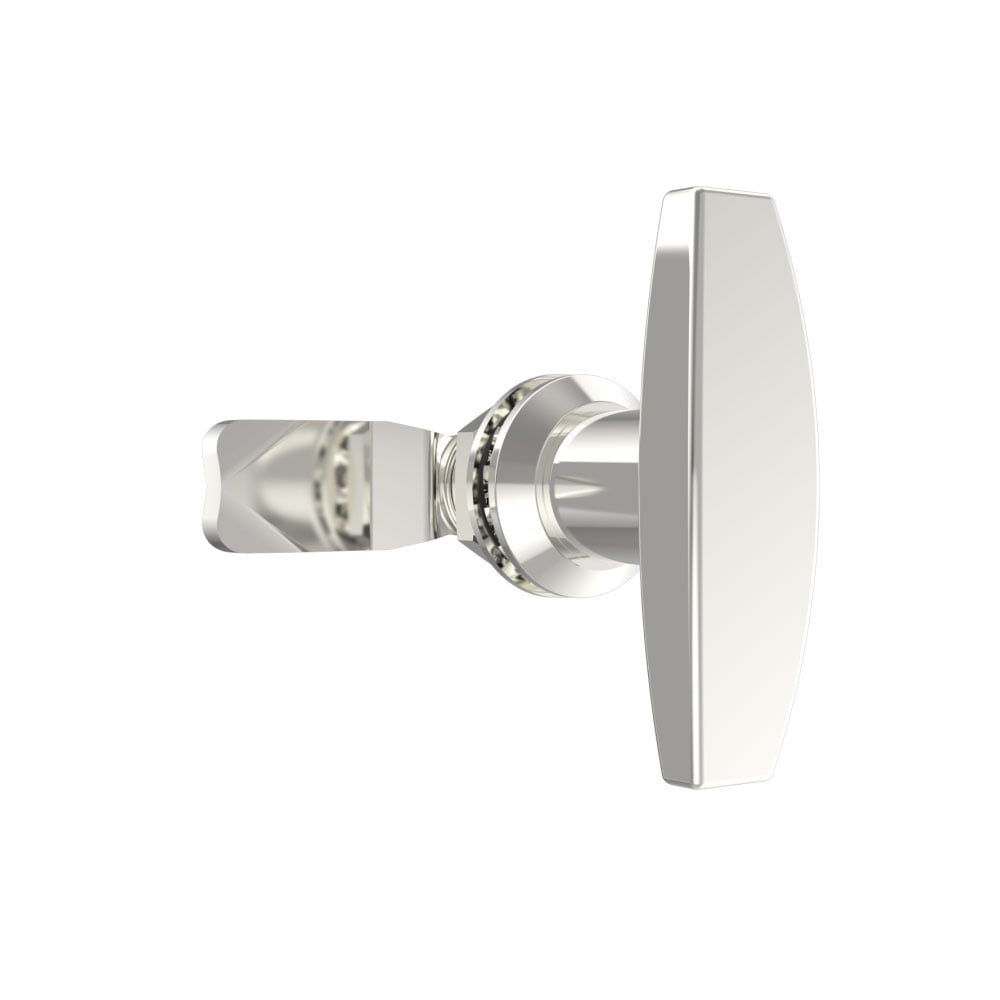
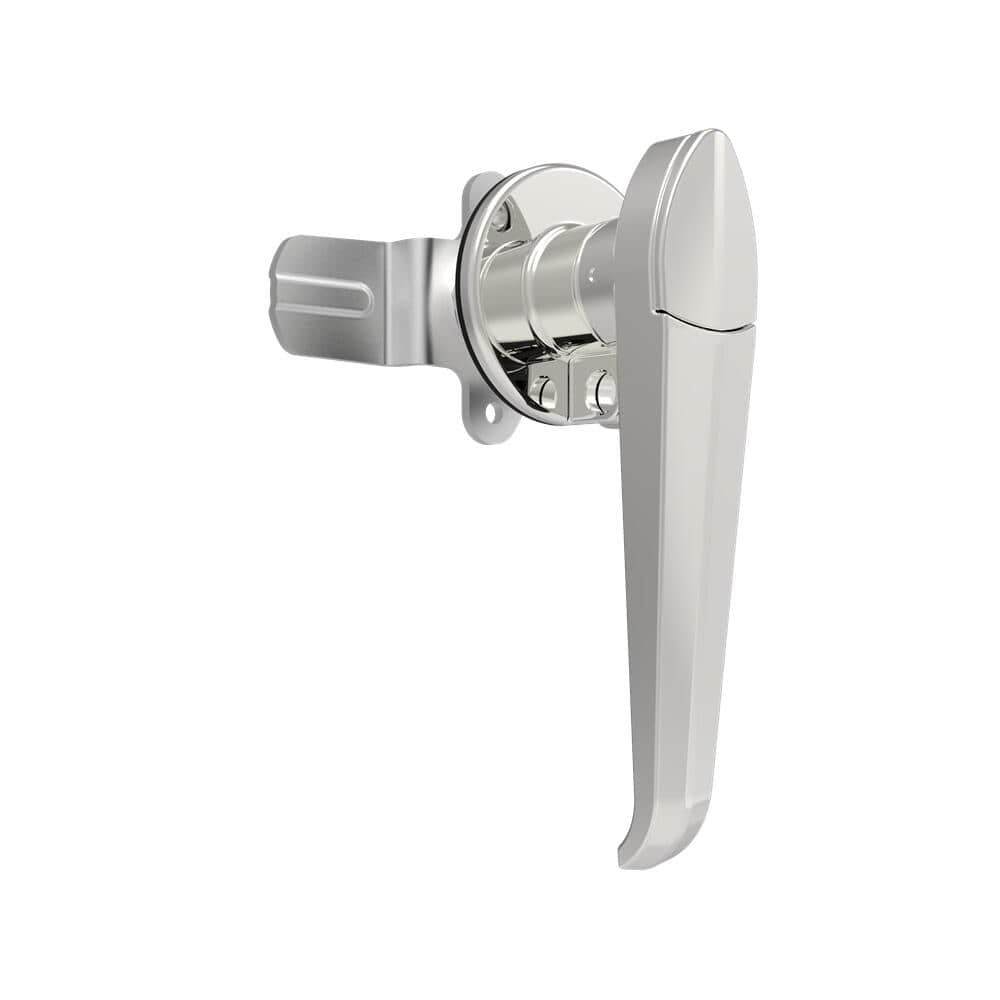
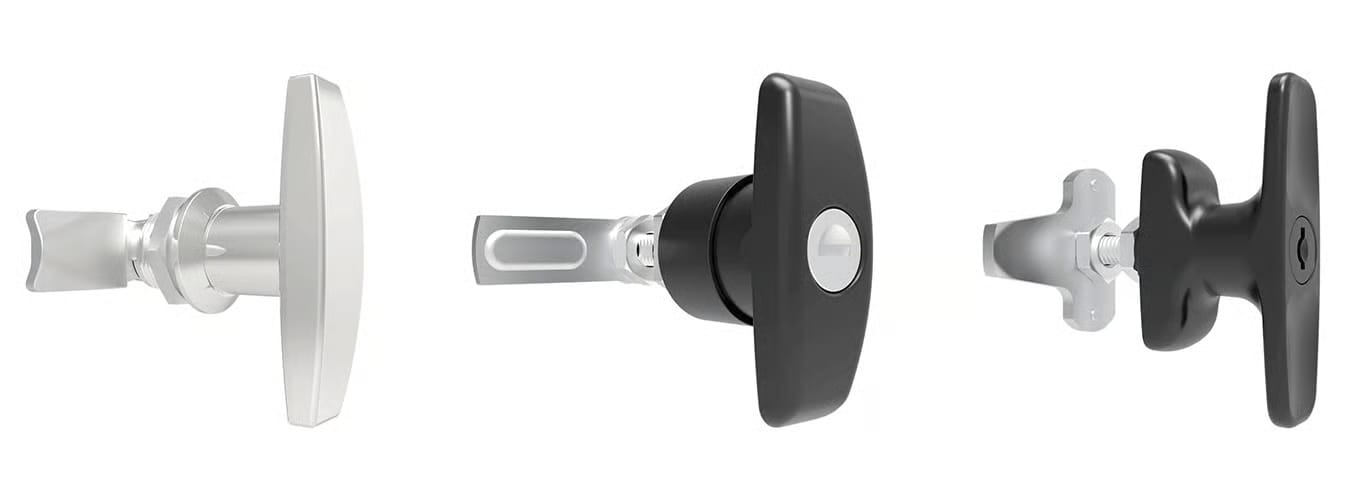
T-Handle Locks: Heavy-duty design for trucks and RVs. Handles vibrations, weather, and temperature changes. Easy-grip lever opens heavy panels smoothly.
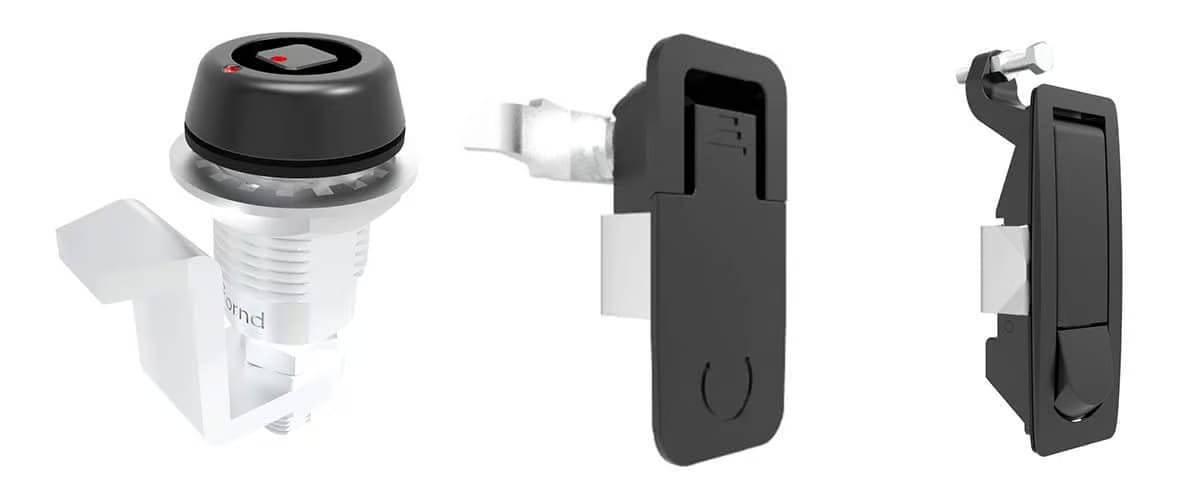
Compression Latches: Creates tight seals on HVAC doors, outdoor cabinets, and marine storage. Blocks dust and moisture. Perfect for weatherproofing.
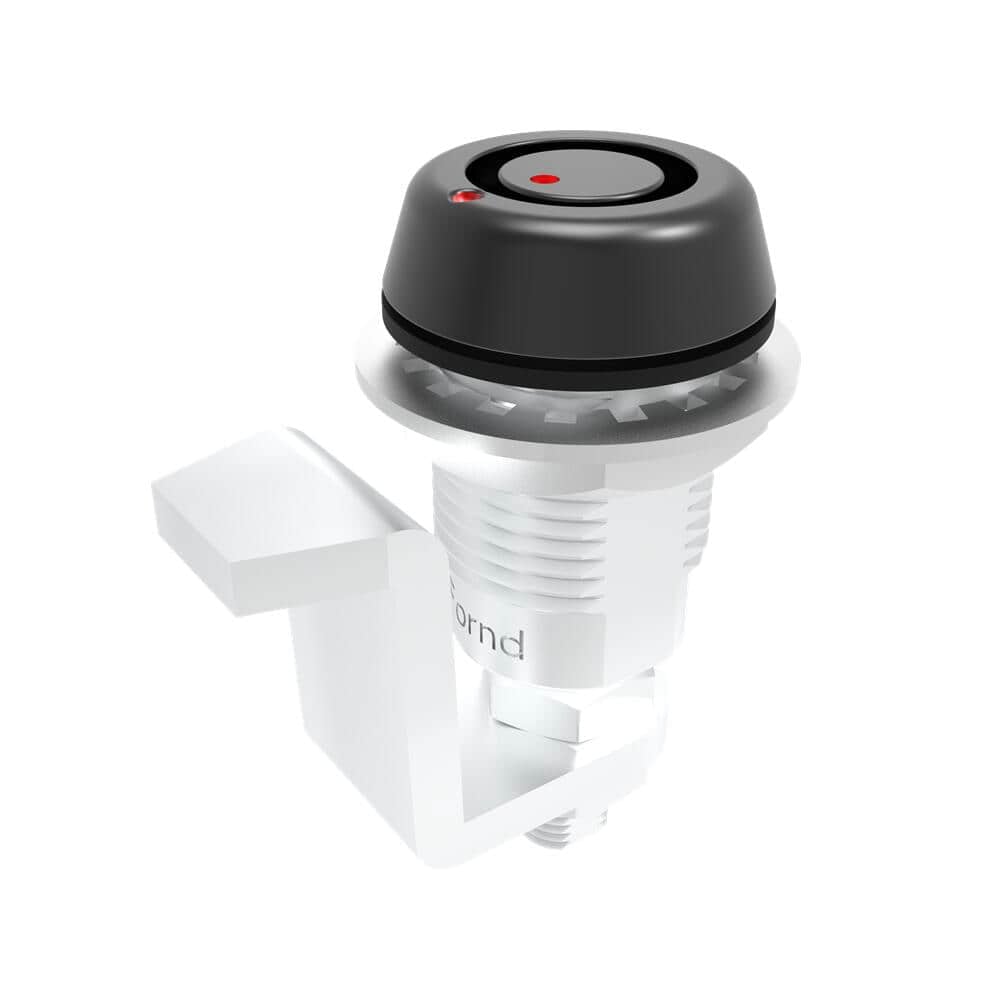
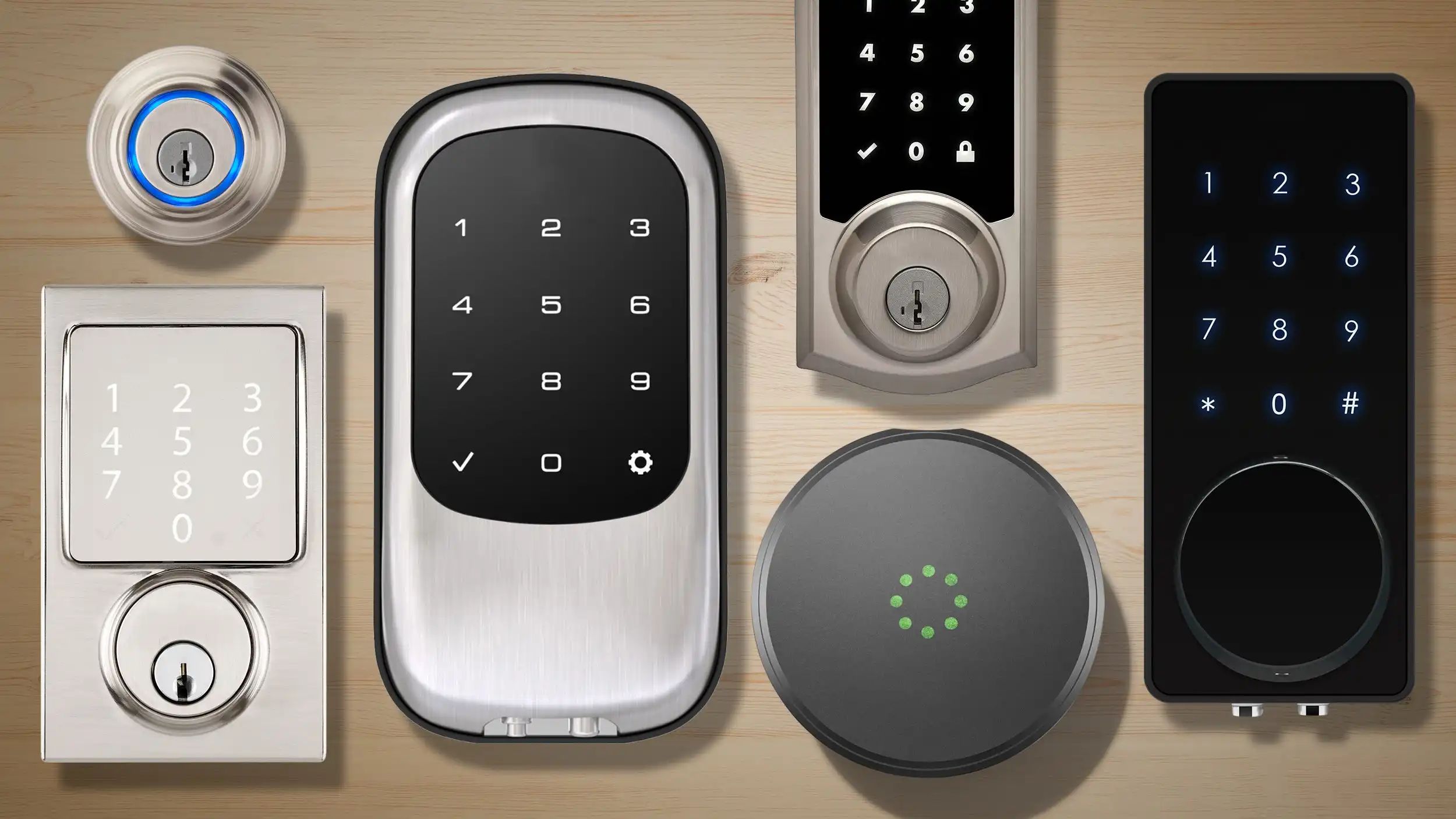
Electronic Locks: Advanced security with RFID, keypads, or Bluetooth. Tracks access and manages user codes. Used in kiosks, parcel lockers, and retail displays.
Industries That Depend on OEM Lock Solutions
Telecommunications companies protect roadside fiber distribution hubs from unauthorized access by using strong cam locks. To keep high-voltage switchgear safe, electrical utilities often put multi-point locking systems in their control rooms. Fleet operators often put keyed-alike T-handle locks on service vans to make it easier for maintenance workers to get in.
OEM locks are strong and last a long time, which makes them great for use in vending machines and self-service kiosks. The right lock must not only fit physically, but it must also meet certain operational, environmental, and security standards for each of these uses.
How do you tell a true manufacturer from a reseller?
Look for complete product trees (locks + hinges + gaskets), sector pages (HVAC, food/medical), and documented customization or multi-point systems. EMKA and DIRAK, for example, map lock families to industries and show rod/multipoint architectures and accessories.
What technical choices matter most in OEM lock selection?
Decide early between simple cam latching and compression latching (adds pull-up travel for seal compression and vibration resistance). For tall or high-vibration doors, specify multi-point locking via rods with top/bottom engagement for uniform sealing and security.
Which performance standards should appear on your drawing and RFQ?
ANSI/BHMA A156 series (locks/latches, cylinders, etc.)—use BHMA’s official summaries to align test scope.
EN 1303 for lock cylinders—durability, key-related security, and attack resistance classes.
UL 437 for high-security key locks/cylinders (cabinet cylinders included).
IP ratings (IEC 60529)—e.g., IP66 (powerful jets) vs IP67 (temporary immersion) for outdoor/washdown enclosures.
What materials and finishes are typical—and why?
Zinc die-cast and stainless steel dominate industrial locks; hygienic and corrosion-resistant variants target medical/food environments, while sector pages specify matching gaskets and hardware to maintain IP ratings.
What’s the difference between a cam lock and a compression latch?
A compression latch adds pull-up travel to compress gaskets for better sealing and vibration resistance; a cam lock simply rotates to engage.
When do I need multi-point locking?
Use multi-point when doors are tall/wide or exposed to vibration; rods engage top and bottom for uniform seal and security.
Which standards validate cylinder security?
Specify EN 1303 classes and UL 437 where high-security cylinders are needed.
Do OEM lock makers support keyed-alike/master-key systems?
Yes—major OEMs (e.g., Fornd) offer keyed-alike, differed, and master-keyed systems across ranges.
Where can I see hygienic or HVAC-specific locks?
Fornd catalogs include dedicated hygienic/HVAC families with materials tailored for cleanability and corrosion resistance.
Which manufacturers offer end-to-end OEM customization?
Fornd offers OEM solutions ranging from standard parts to customized solutions. If you have any needs, please contact us.
Why Choosing the Right OEM Lock Partner Matters?
The OEM lock manufacturer or supplier you choose will affect how reliable, useful, and safe a product is, as well as how well it meets industry standards. The right business partner can make locks that can handle vibration during heavy shipping, suggest materials that won't rust in marine environments, and make sure that big manufacturing runs always have enough of them.
About Fornd
Fornd has OEM lock solutions for tough infrastructure, transportation, and industrial uses. Fornd supports both standard and custom projects around the world with its ability to make things with precision, design things in-house, and deliver hardware that won't rust. Visit https://fornd.com or get in touch with the team to find out more about your OEM lock needs.