The Differences Between Butt Hinges and Concealed Hinges: A Comprehensive Comparison
When choosing hinges, a decision is usually made between two mainstream options: butt hinges and concealed hinges. These two types of hinges each have their unique functional advantages and application scenarios. As a leading manufacturer of precision hardware, Fornd offers a full range of hinges that can meet diverse needs. This guide mainly analyzes the differences between the two types of hinges for everyone and shares the methods of choosing them, helping you make an informed decision.
What Is a Butt Hinge?
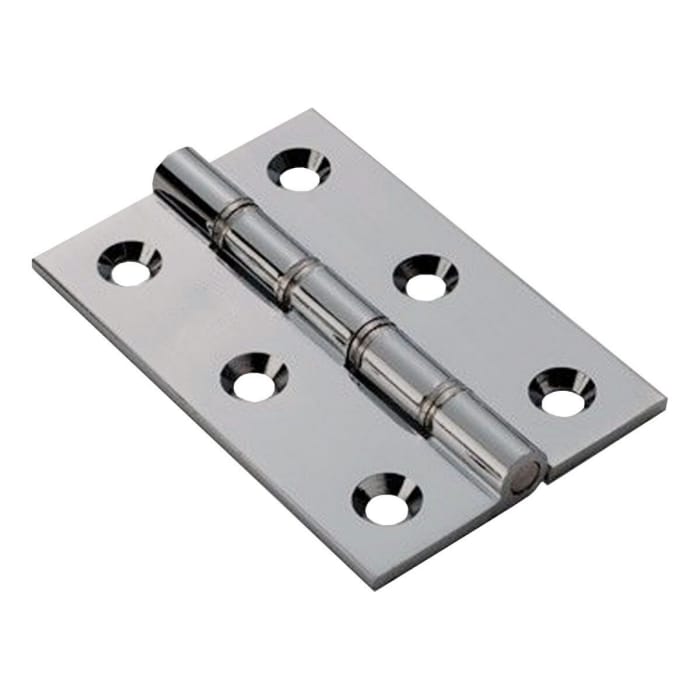
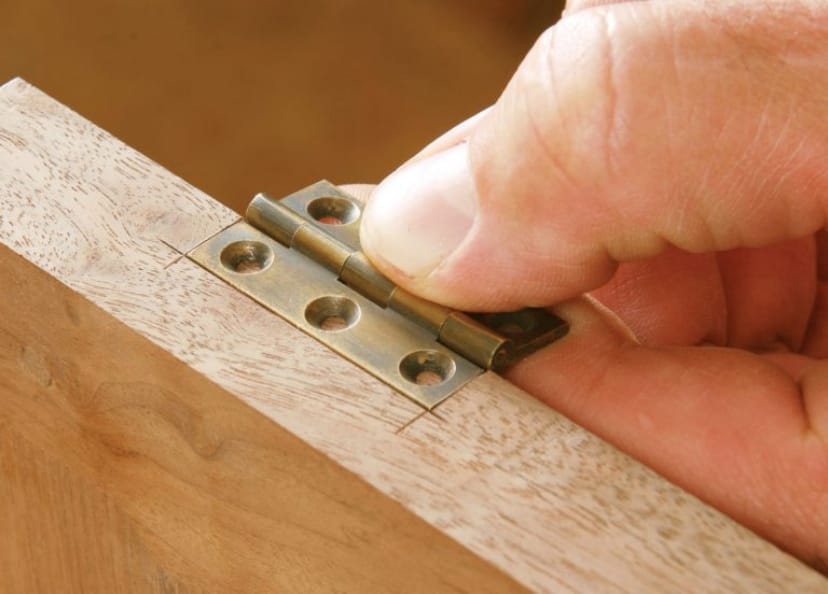
The butt hinge is one of the traditional and widely used types of hinges. The butt hinge consists of two rectangular metal hinge plates connected by pins and can rotate around the axis. The part is visible after installation. Its materials are diverse and can offer different options such as brass, stainless steel, bronze and zinc alloy.
What Is a Hidden Hinge?
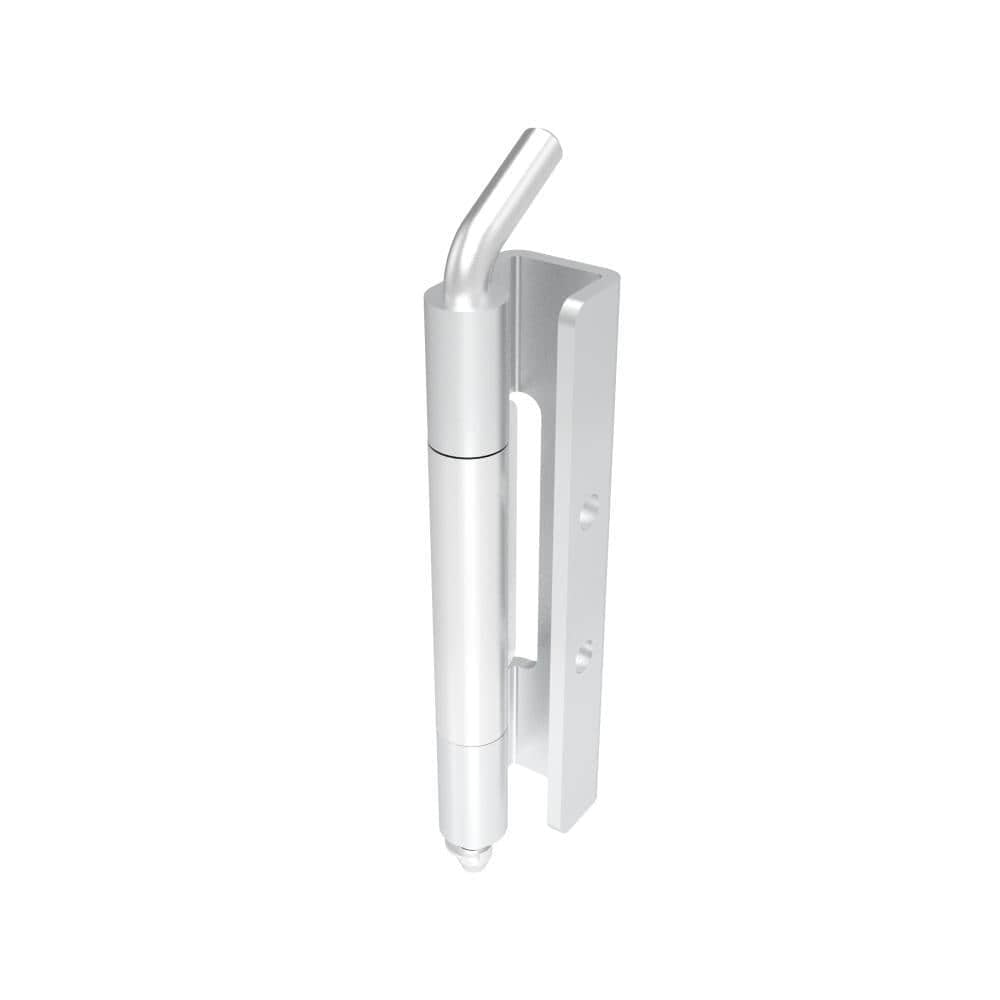
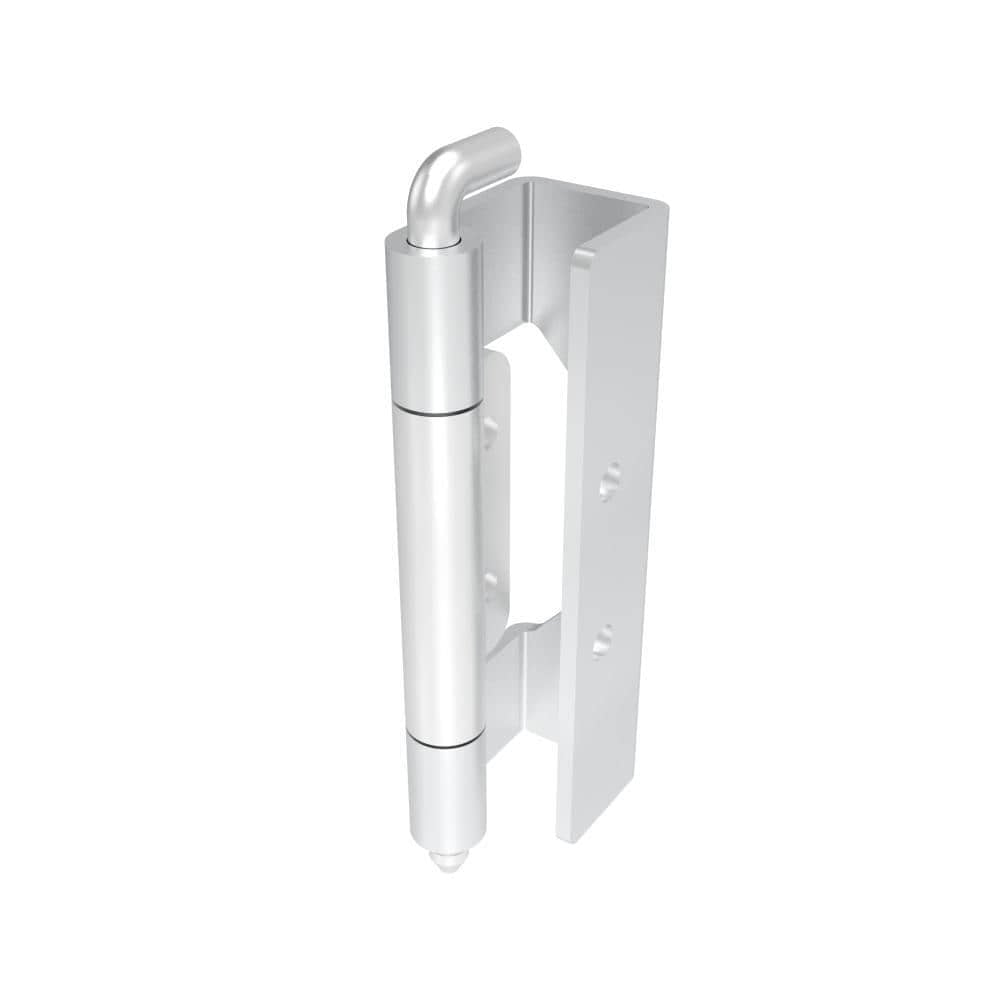
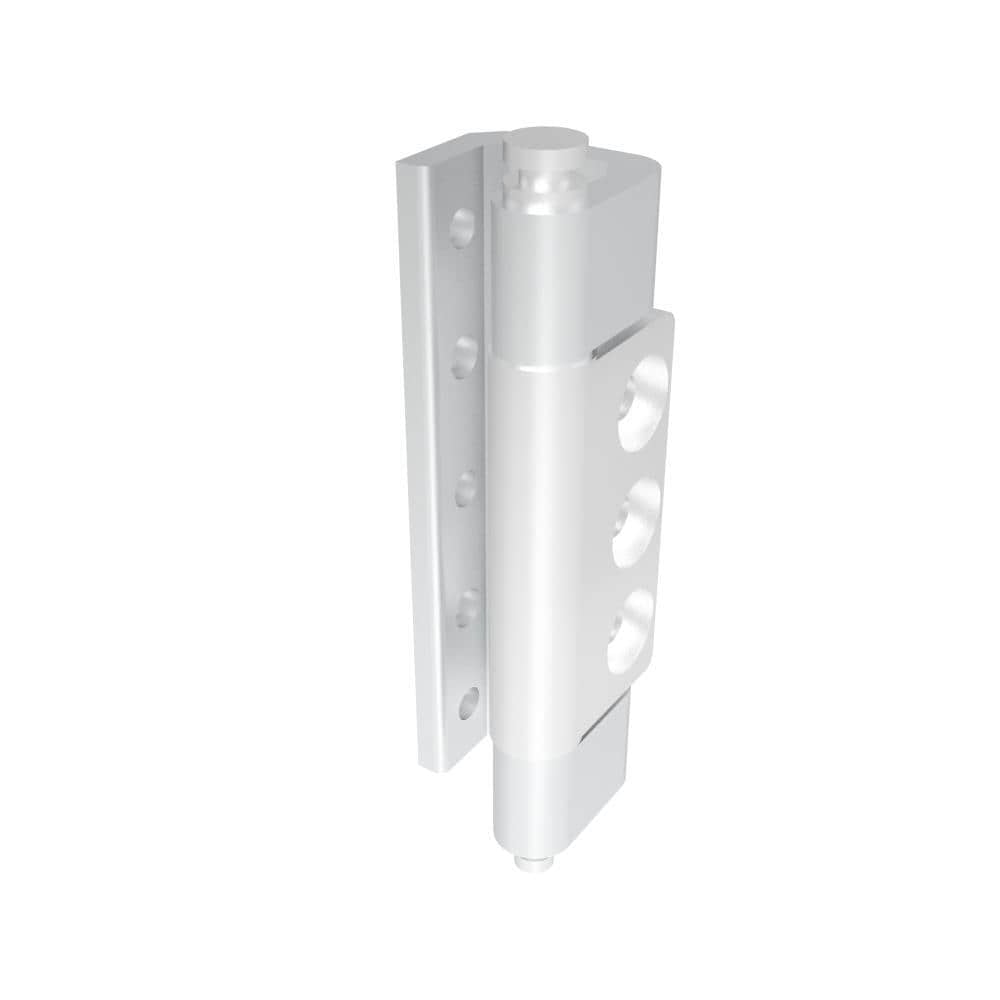
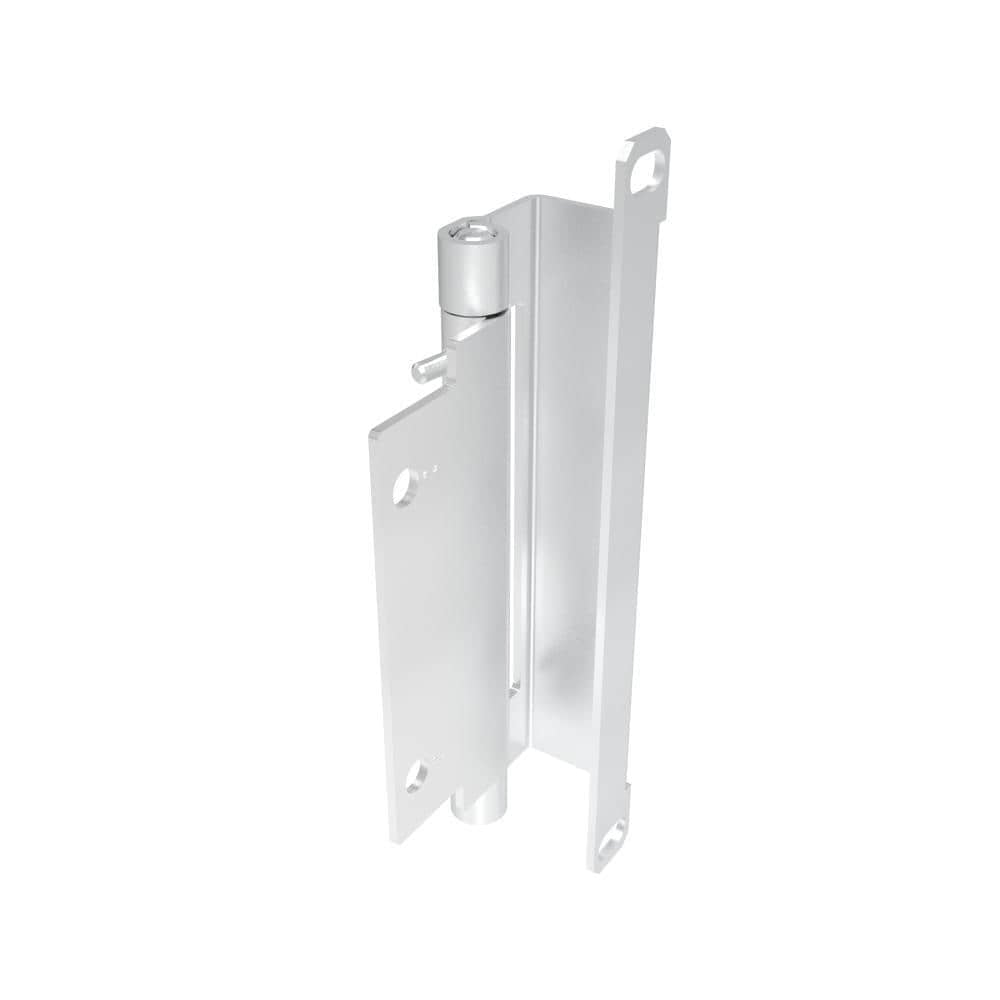
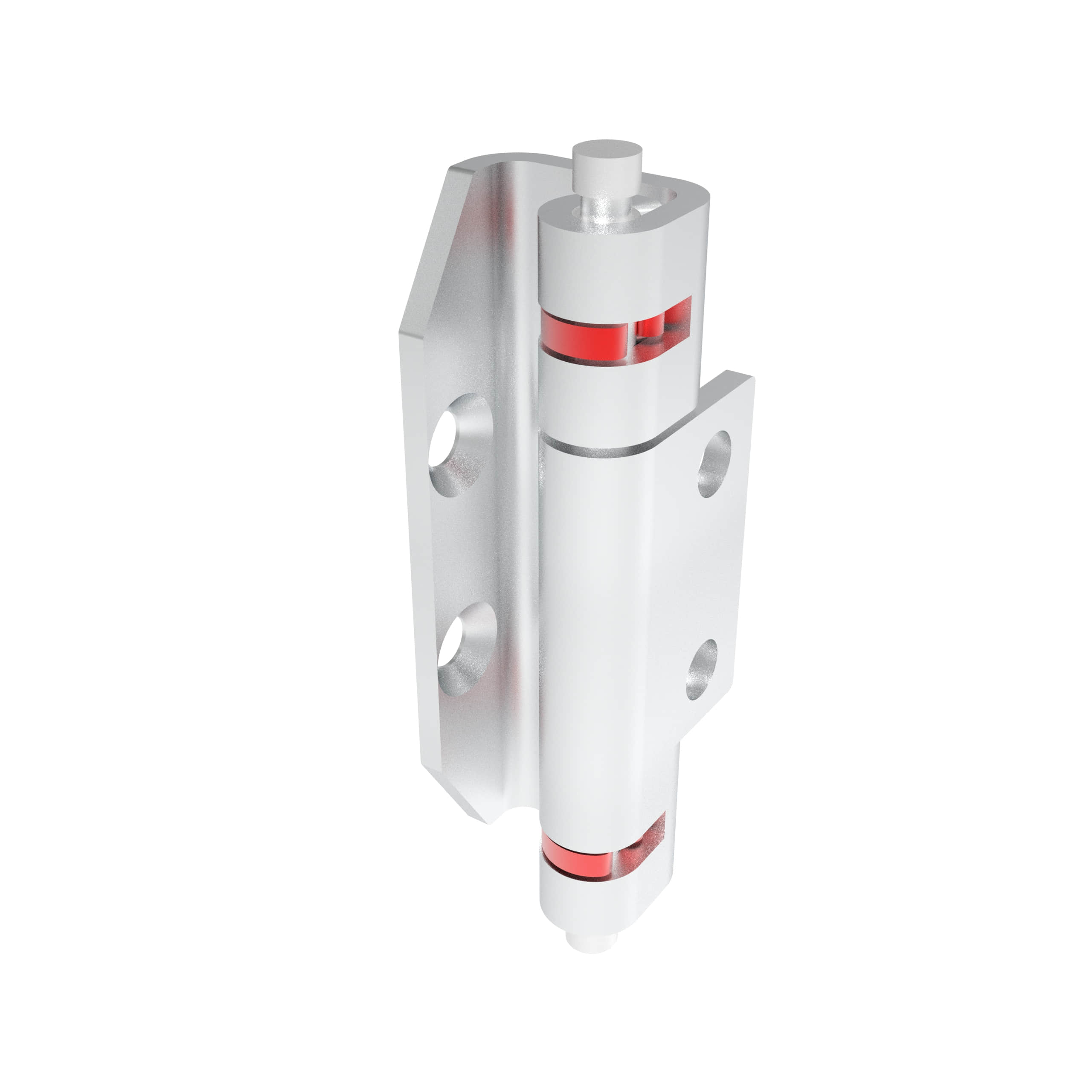
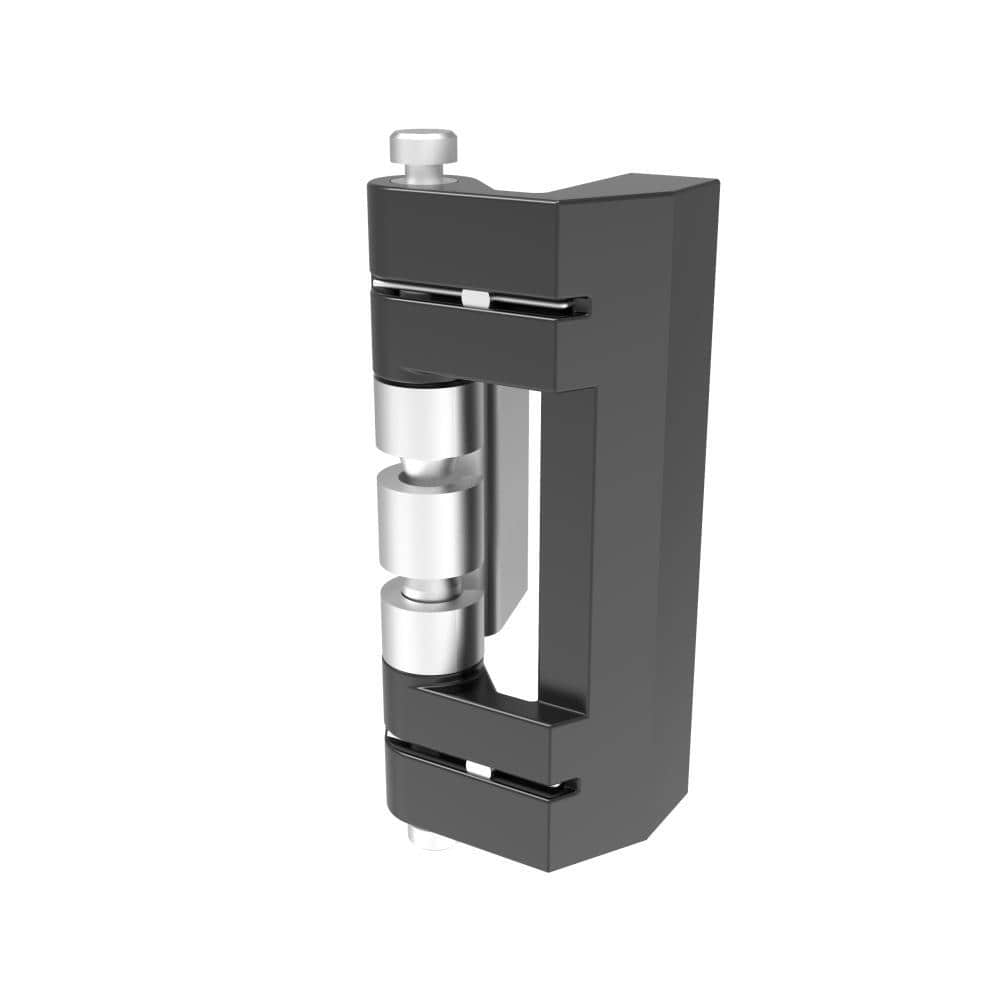
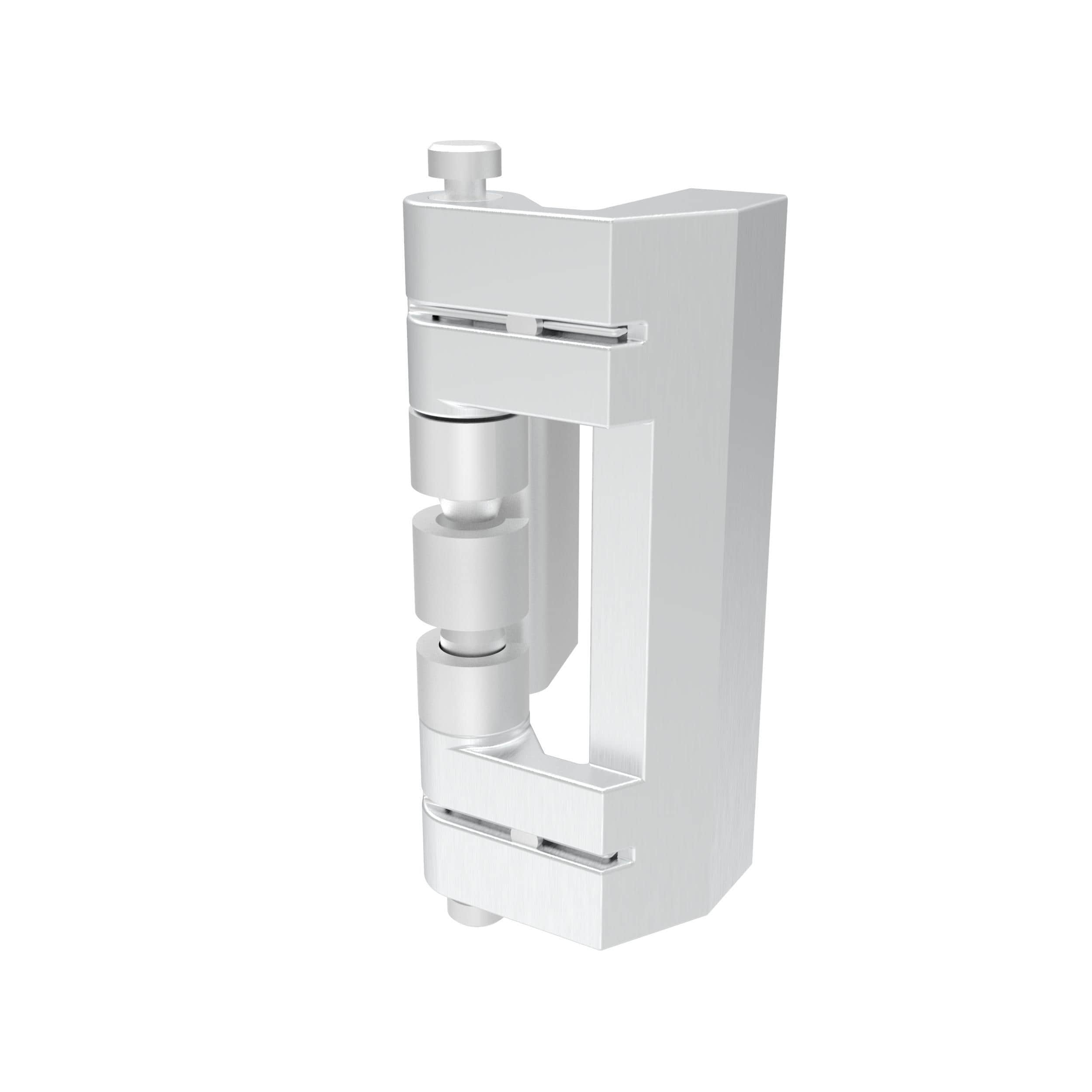
Hidden hinges, also known as "invisible" or "European style" hinges. It can be completely hidden when the door is closed, providing a neat and seamless appearance effect. It supports fine adjustment of door panel alignment, and most models are equipped with a silent buffer system. Stainless steel or nickel-plated materials can ensure the service life of hinges.
Just as the hidden hinges provided by Fornd come in a variety of materials and styles, they are easy to install, have stable performance and a long service life. You can further browse: https://fornd.com/category/concealed-hinges
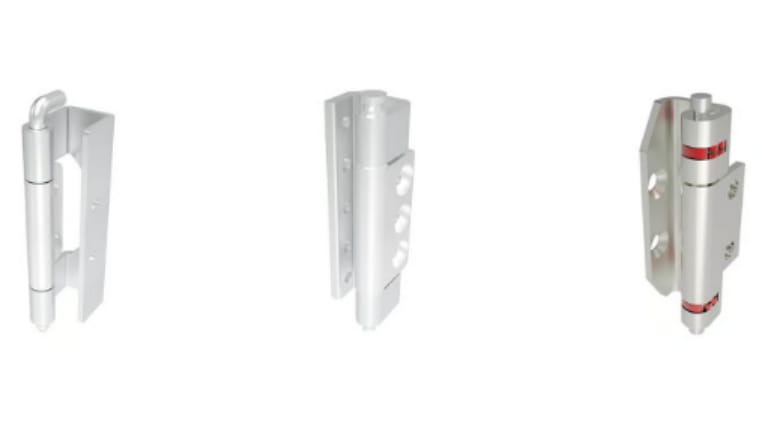
What Are The Advantages of These Two Types of Hinges?
Whether it is a butt hinge or a concealed hinge, both have some unique advantages of their own.
Advantages of butt hinges
1. Outstanding load-bearing capacity: A single pin bears the force directly, and the solid wood or metal door will not sag even after long-term use.
2. Low installation threshold: With just a chisel, a pencil and a few screws, the job can be completed. Even DIY beginners can get it done in one go.
3. Sizes are readily available: Hardware stores always have them in stock from 25mm to 150mm, and they can be replaced at any time for emergency repairs.
4. Wallet-friendly: With the same load capacity, the unit price is only one-third of the invisible model, and it saves more money for large-scale projects.
5. Exposed as decoration: The surfaces of materials such as brass, bronze, and forged iron can be decorated with patterns, which themselves become embellishments for the door leaf.
Advantages of hidden hinges
1. Visually clean: After closing the door, all metal parts disappear, leaving an extremely fine gap of 2 mm, which fits the minimalist, Nordic or light luxury style.
2. Three-dimensional deviation correction: Just two screws can move the door up and down, front and back, and left and right by 1-3 mm, avoiding the embarrassment of "the door being crooked by a single crack".
3. Buffering and silent: Built-in damping element, it can be slowly closed by gently pushing with a finger.
4. Anti-theft bonus: The hinges are hidden inside the board, and those who try to pry open the door cannot find the force application point, thus enhancing the safety factor.
5. Easy to clean surface: There are no protrusions on the outside of the cabinet door, and it can be wiped all the way with a cloth.
How To Install These Two Types of Hinges?
Butt Hinge
To install the butt hinge, first draw vertical lines on the door and the door frame with a pencil, about ten centimeters away from the edge. Use a chisel to dig a shallow pit along the line, less than two millimeters deep, and level the bottom of the pit. Drill a two-millimeter hole in the pit to prevent the wood from cracking. First, tighten the screws on the side of the door leaf, then on the side of the upper frame, and finally open and close it a few times to sew it evenly and it's done.
Hidden Hinge
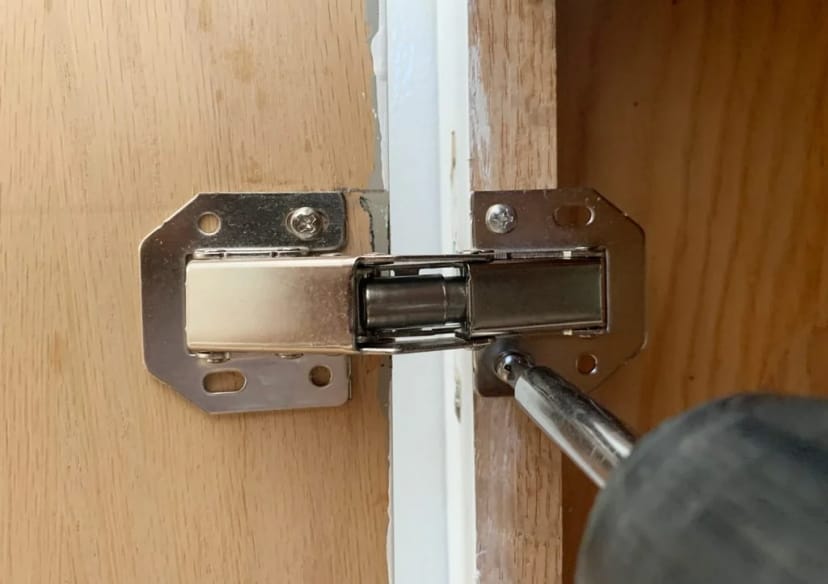
The hidden hinges need to be positioned by a template, with the cup holes about three to six millimeters away from the door edge. Drill a 35-millimeter hollow drill vertically to the bottom and then make an 8-millimeter hole. Press the hinge into the rim of the cup and tighten the two screws. The installation plate is attached to the side plate and fixed with four screws. After hanging the door, tighten the adjusting screw. It can move forward, backward, left, right, up and down. Adjust it to a two-millimeter gap. If the door can close by itself, it's fine.
How To Choose Between These Two Types of Hinges?
Aesthetic Expression
The invisible hinge, through the design of completely concealing the hardware, creates a neat and modern visual effect and blends perfectly with the surrounding environment.
In contrast, traditional hinges, due to the existence of exposed structures, find it difficult to achieve the subtle effect of an overall invisible hinge.
Safety Performance
Safety is an important consideration. Butt hinges are completely exposed, especially those with detachable pins, which pose a greater safety risk.
The hidden feature of invisible hinges makes them less likely to be damaged by external forces or maliciously pried open. In situations with high security requirements, it would be a better choice.
You can find satisfactory hinges at Fornd. For details, please visit: https://fornd.com/category/concealed-hinges
Adjustment Performance and Installation
Modern invisible hinges, especially 3D adjustable hidden hinges, support fine adjustment in three dimensions: vertical, horizontal and depth. This feature ensures precise alignment during installation and allows for convenient adjustments during use, guaranteeing the best condition is maintained.
Butt hinges usually lack adjustment functions, and alignment deviations may occur during installation. Therefore, auxiliary parts such as gaskets are needed to complete the correction.
Durability and Maintenance
Invisible hinges sit protected between door and frame, shielded from weather and knocks; they stay smooth for years with barely a glance.
Traditional hinges live out in the open—rain. Dust and bumps eat at the pin—so a drop of oil and a quick check every few months keeps them from seizing or squeaking.
Carrying Capacity
Hidden hinges spread weight through their multi-point frame, so one pair can carry a solid door without sagging.
Classic hinges hold plenty too, but if the door gets hefty, you simply add one more leaf and keep on swinging.
Cost Analysis
Due to the design complexity and high installation accuracy requirements of invisible hinges, their procurement costs are usually higher than those of traditional hinges. But to be honest, its advantages in aesthetics, safety and adjustability make it of significant value in high-end projects.
Traditional hinges maintain their competitive edge in budget-sensitive projects due to their economy and ease of installation.
Feature | Concealed Hinge | Traditional Hinge |
Aesthetic Appearance | Completely hidden when door is closed, delivering a modern minimalist look | Hardware remains visible, potentially disrupting visual unity |
Security Performance | Hidden design resists tampering, offering superior safety | Exposed structure presents a security risk |
Adjustment Capability | Provides three-dimensional fine-tuning for easy alignment | Limited adjustment; relies on additional accessories |
Durability | Protected design ensures a longer service life | Requires regular maintenance; vulnerable to environmental factors |
Load-Bearing Capacity | Excellent weight performance; suits a wide range of applications | Good load-bearing; extra units needed for heavy-duty use |
Cost-Effectiveness | Higher initial investment, significant long-term value | Economical and practical for budget-driven projects |
Both types of hinges have their own areas of advantage. Invisible hinges stand out in terms of aesthetic integrity, safety performance and adjustability, making them suitable for high-end projects that emphasize design quality and user experience. Traditional hinges continue to hold an important position in conventional applications due to their reliable performance and economical cost.
You can come to Fornd to select hinges: https://fornd.com/category/hinges
About Fornd
Fornd adheres to the combination of advanced manufacturing technology and strict quality control to ensure that each hinge performs outstandingly. Not only that, we ensure that all our products comply with global reliability and safety standards.
Welcome to our official website https://fornd.com/ for product catalogues, technical drawings and certification documents, etc. Or contact our team at info@fornd.com for a reliable solution!
FAQs
Is butt hinges a good choice for doors?
Butt hinges are a durable choice for doors because they are designed to function properly for many years. Because they can handle heavier doors, they are also a more practical choice.
What is a hidden hinge?
Hidden hinges are designed to be concealed from view when the door is closed. They are installed inside the door and the door frame. Once the door is closed, they remain invisible.
What are the differences between butt hinges and hidden hinges?
Compared with hidden hinges, butt hinges require less precise material compatibility.