The safety of your property is very important. But thieves are always finding new ways to break in. One common method is "lock snapping." It is a quick and quiet way to defeat a common type of door lock. This can be a big problem for homes and businesses.
This article is here to help you. We will not just give you definitions. We will give you a clear guide to check your own locks for risks. We will also share our experience from the factory floor. At Fornd, we work with customers every day to solve tough security problems. We will show you what we have learned. This article will give you a checklist for different situations, from your front door to heavy industrial equipment, so you can choose the right lock to keep your property safe.
What Is Lock Snapping?
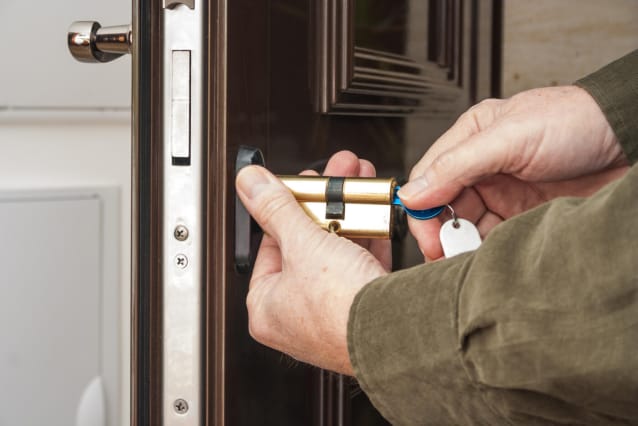
Lock snapping is a way to break a specific kind of lock cylinder, most often the euro cylinder lock you see on many front doors. The cylinder is the part where you put your key.
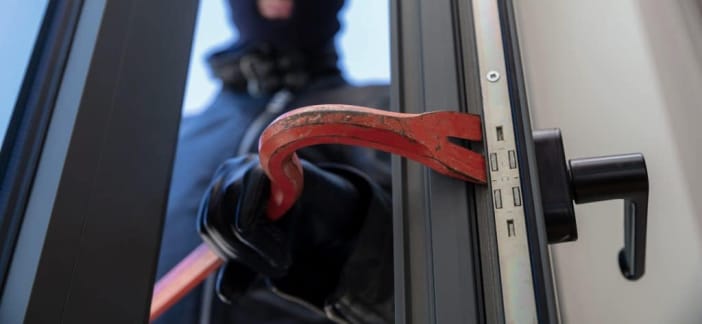
A thief uses a simple tool, like pliers, to grab the part of the lock cylinder that sticks out from the door handle. Then, they apply force and snap the cylinder in the middle. The middle is the weakest point. Once the cylinder is broken, the thief can easily manipulate the lock mechanism and open the door. This whole process can take only a few seconds.
How to Identify the Vulnerable Lock?
The biggest risk is when the lock cylinder sticks out too far from the door handle. This gives the thief something to grab onto. You can check your own door right now.
1. Go to your door and look at the handle and lock area.
2. Look at the lock cylinder where you insert the key.
3. See how far it sticks out from the face of the handle.
4. If it sticks out more than 3 millimeters (about the thickness of two coins), it is a high risk.
The part of the cylinder that sticks out is a lever. When a thief grabs it with a tool, they can use that leverage to put a lot of force on the weakest part of the lock, which is the center screw hole.
How to Prevent Lock Snapping?
The good news is that you can protect your home from lock snapping. It is not difficult to do. You can follow these effective ways to make your door secure.
Upgrade to an Anti-Snap Lock Cylinder
Replace your old, weak cylinder with a modern anti-snap lock cylinder. These special locks are designed to defeat the thief.
They work in two smart ways. First, they have a weak line on the outside part of the lock. We call this a "sacrificial snap line." If a thief tries to snap the lock, only the very tip breaks off. Your door stays secured, while the lock's main component stays safe and secure within. Second, they have a very strong steel bar or pin running through the center. This makes the lock extremely difficult to break in half, even with tools. When you buy one, look for a lock that has passed official security tests.
Make Sure the Cylinder is the Right Size
This is a very, very important rule, even if you buy the best anti-snap lock. The lock cylinder should never stick out far from the door handle. A good rule is that it should stick out less than 3 millimeters.
If the lock sticks out, it gives the thief something to grab onto with their tool. A lock that is flush with the handle is much harder to attack. Before you buy a new lock cylinder, you must measure your old one carefully. Measure from the central screw hole to the outside face of the handle on both the inside and outside.
Install a High-Security Handle
For an extra layer of powerful protection, you can also upgrade your door handles. High - security handles are made with a built - in metal plate that is much stronger than that of a normal handle.This strong plate completely covers the area around the lock cylinder. It acts like a piece of armor. Since the cylinder is protected behind this metal shield, a thief can't grab it with a tool. This makes lock snapping almost impossible. Combining a high - security handle with an anti - snap cylinder gives you one of the best possible defenses for your door.
Ensure Sturdy and Durable Lock Materials
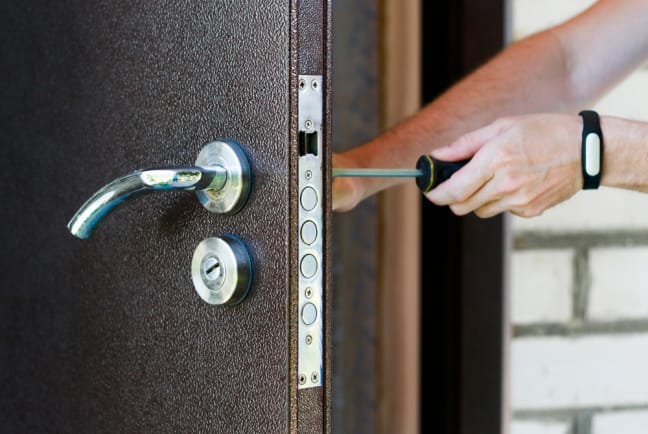
The materials used for the lock and handle determine their resistance to physical attacks, such as drilling or hammering. Opt for locks and handles made of solid brass or, preferably, hardened steel—these materials are extremely strong and difficult for intruders to break or drill through.
If your door is exposed to rain, choose a material that will not rust. Stainless steel or a handle with a special weather-resistant finish is a good choice. This will make sure your lock works smoothly for many years.
How to Choose Right Locks for Different Scenarios?
Protecting your front door is important. But security does not stop there. In the industrial world, the threats are different and the equipment is much more expensive. A simple lock is not enough. As a lock manufacturer, we have helped companies secure everything from small boxes to huge machines. Let us look at some common industrial situations and the best lock for each job.
Securing Outdoor Infrastructure
Think about a 5G telecom cabinet on the side of a road, or an electrical control box in a field. These cabinets are outside, alone, and protect very important equipment. They face rain, snow, dust, and people trying to break in.
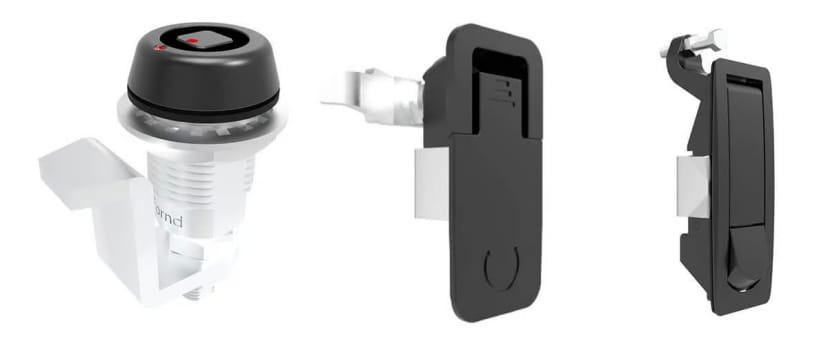
When we talk to clients in the telecom industry, their biggest fear is water damage and vandalism. A broken lock means broken equipment. For this job, we recommend our Quarter-Turn Latches. As you can see from: https://fornd.com/category/stainless-steel-quarter-turn-locks-latches-factory
We make these locks to meet IP65 standards. This means they are fully protected from dust and can handle jets of water. We use strong materials like stainless steel or zinc alloy, so they do not rust or break easily when someone tries to pry them open. The simple quarter-turn action also means workers can access the cabinet quickly when they need to.
Security for Mobile Assets and Vehicles
Now think about a toolbox on a construction truck, or the storage compartments on an RV. These things are always moving. The biggest problem here is vibration.
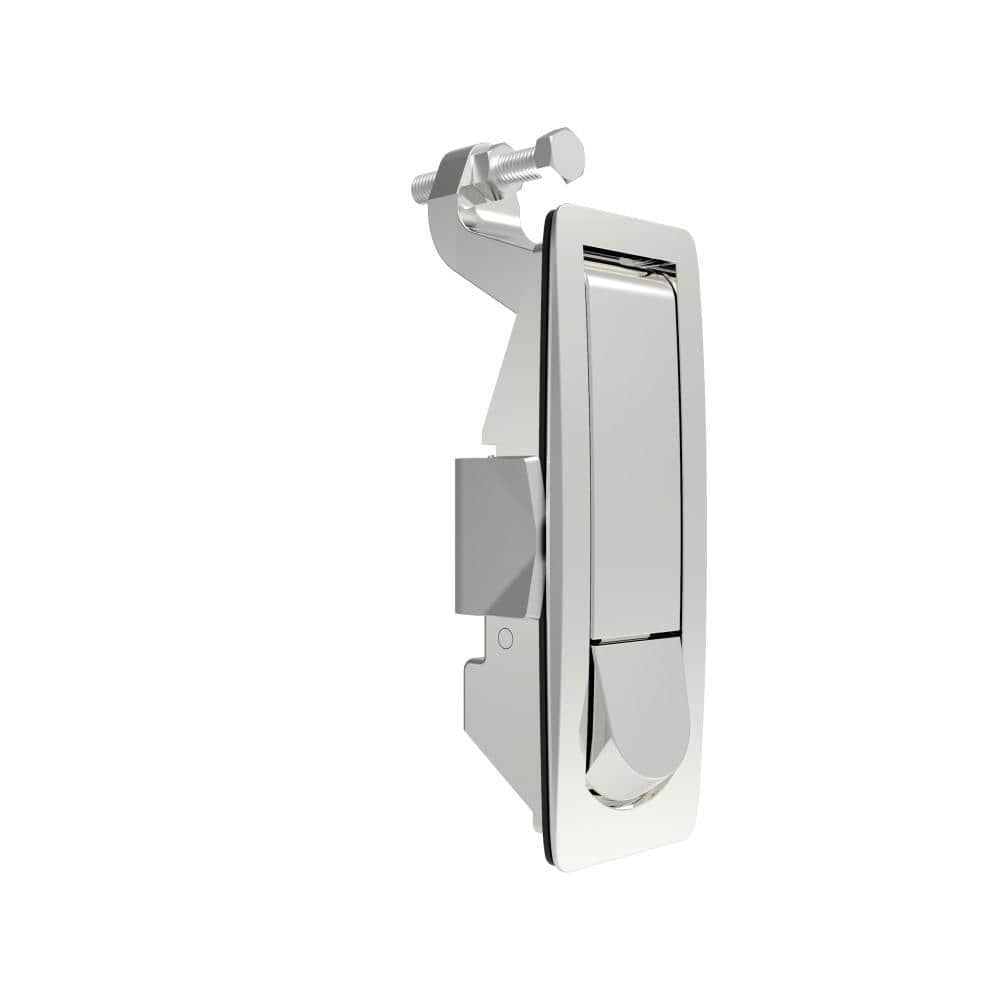
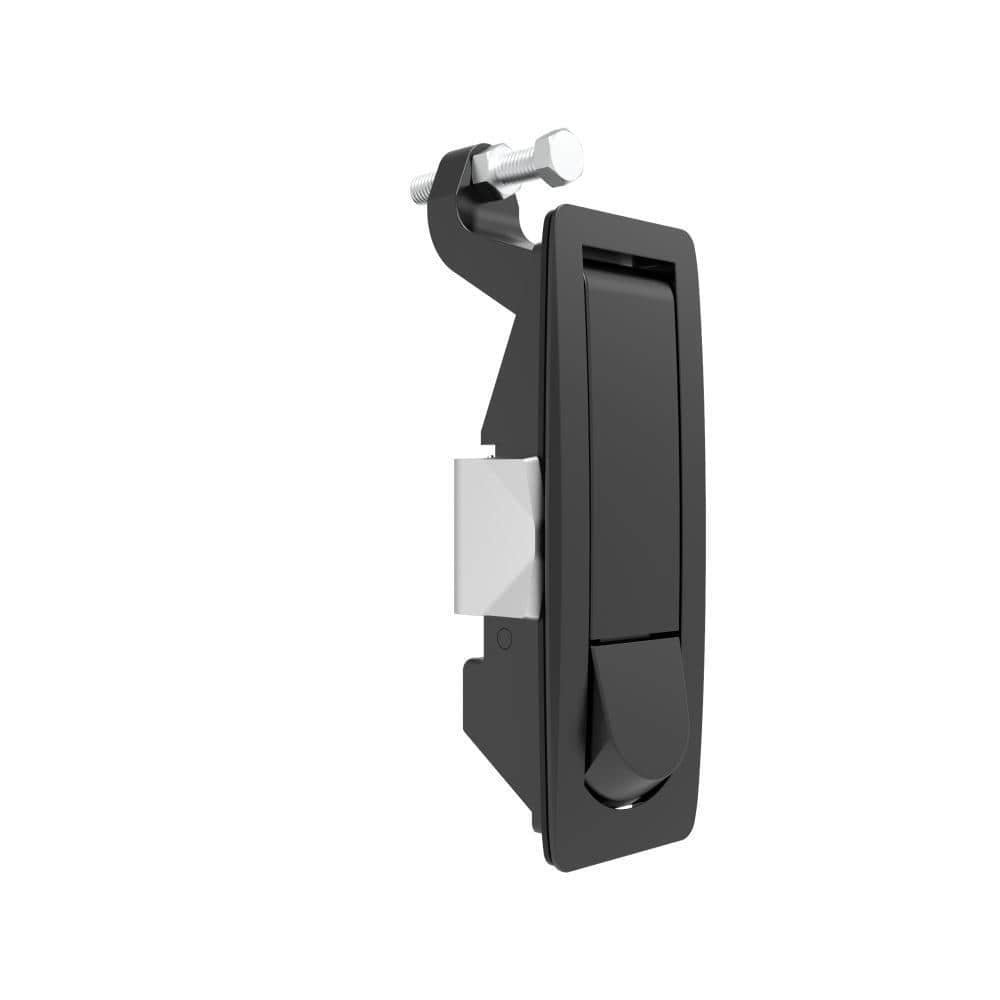
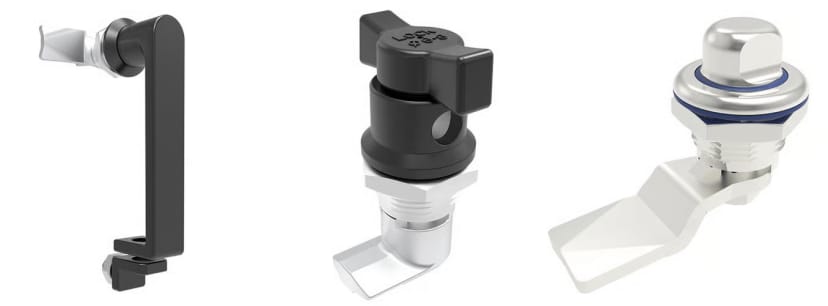
We have found that standard locks can rattle loose over time on vehicles. This can cause doors to open while driving, which is very dangerous. It also makes them easier to break into. Our Compression Latches are the solution. When you lock it, it does not just turn. It also pulls the door tight against the frame. This compression stops all vibrations and creates a weather-tight seal. For more compression latches, please go to: https://fornd.com/category/stainless-steel-compression-latches-locks-for-doors
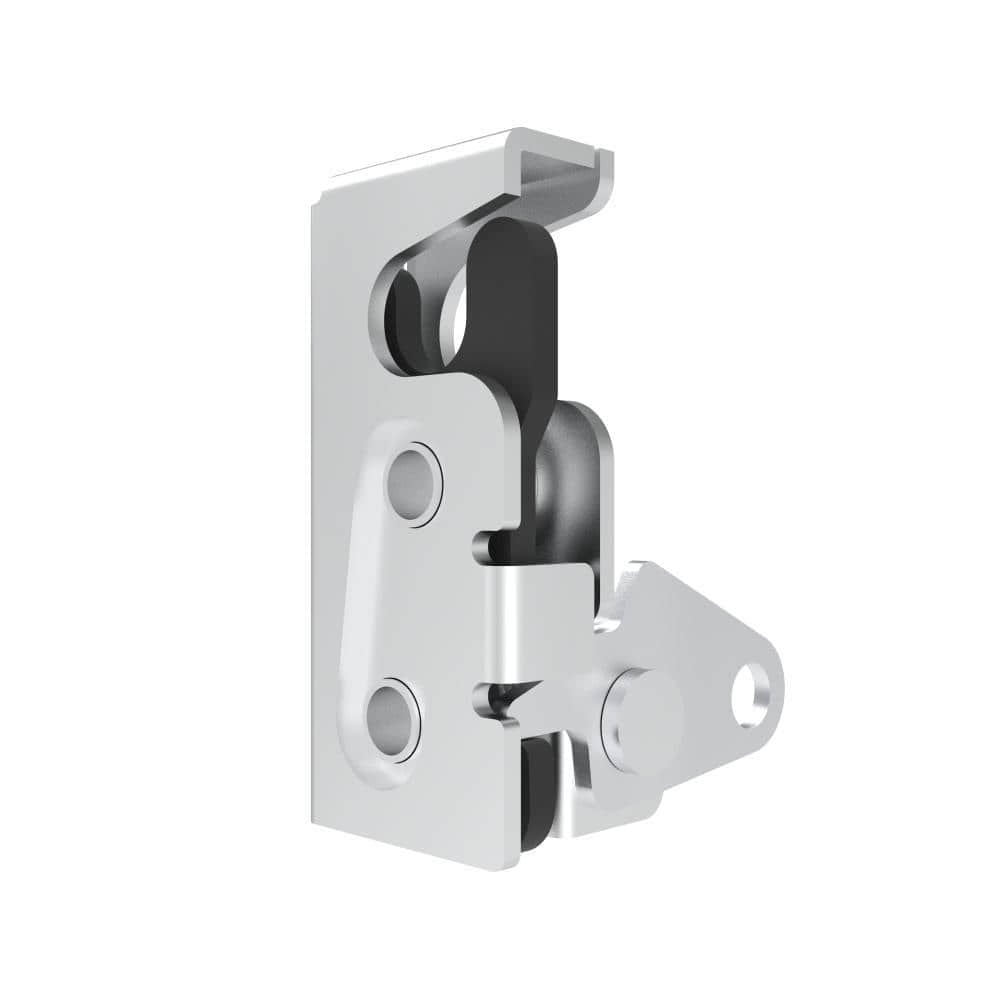
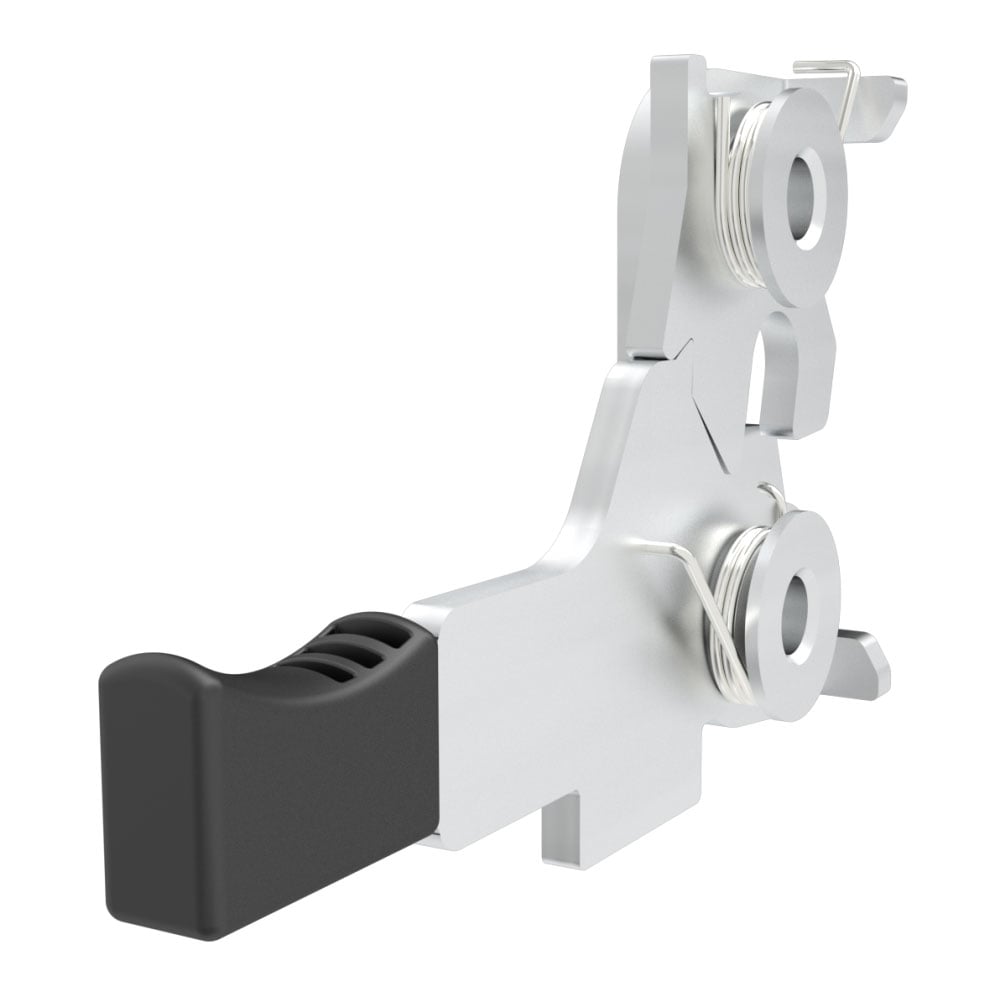
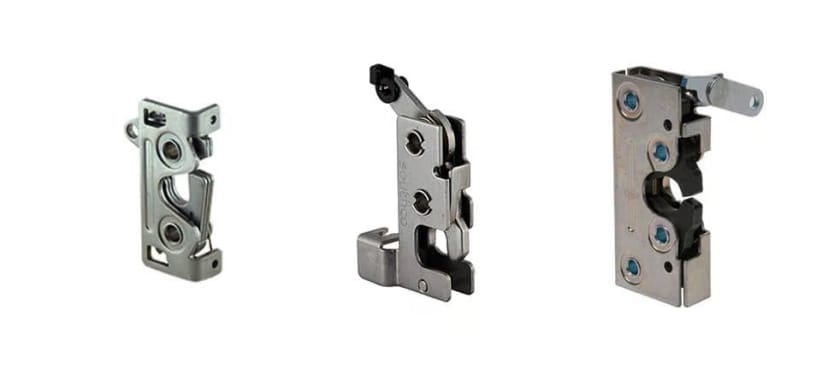
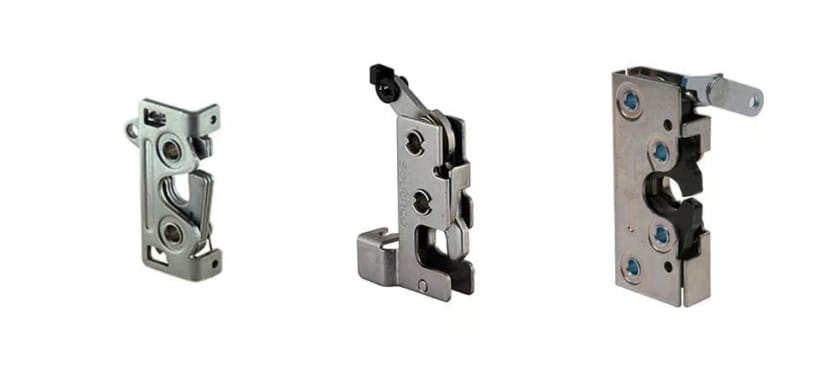
For even more security, especially inside a vehicle where you cannot see the lock, we suggest our Rotary Latch Systems. These are often hidden inside the door panel. A thief cannot break a lock they cannot see or reach. Its high-strength, hidden design is perfect for vehicle doors and access panels. Link here: https://fornd.com/category/stainless-steel-rotary-latch-systems
Access Control for High-Sensitivity Equipment and Data Centers
Data centers have rows and rows of server cabinets. These cabinets protect the information that runs our world. A hospital has cabinets with life-saving equipment. The doors on these cabinets are often very tall.
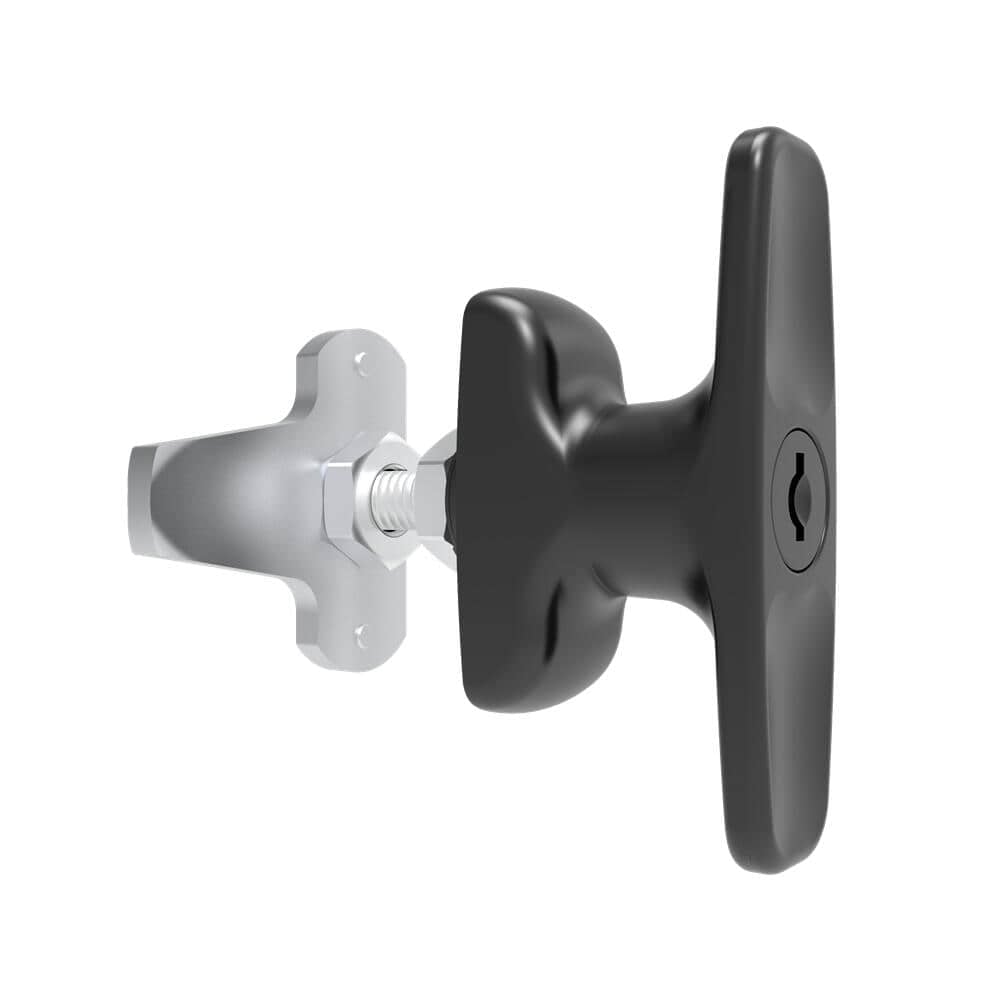
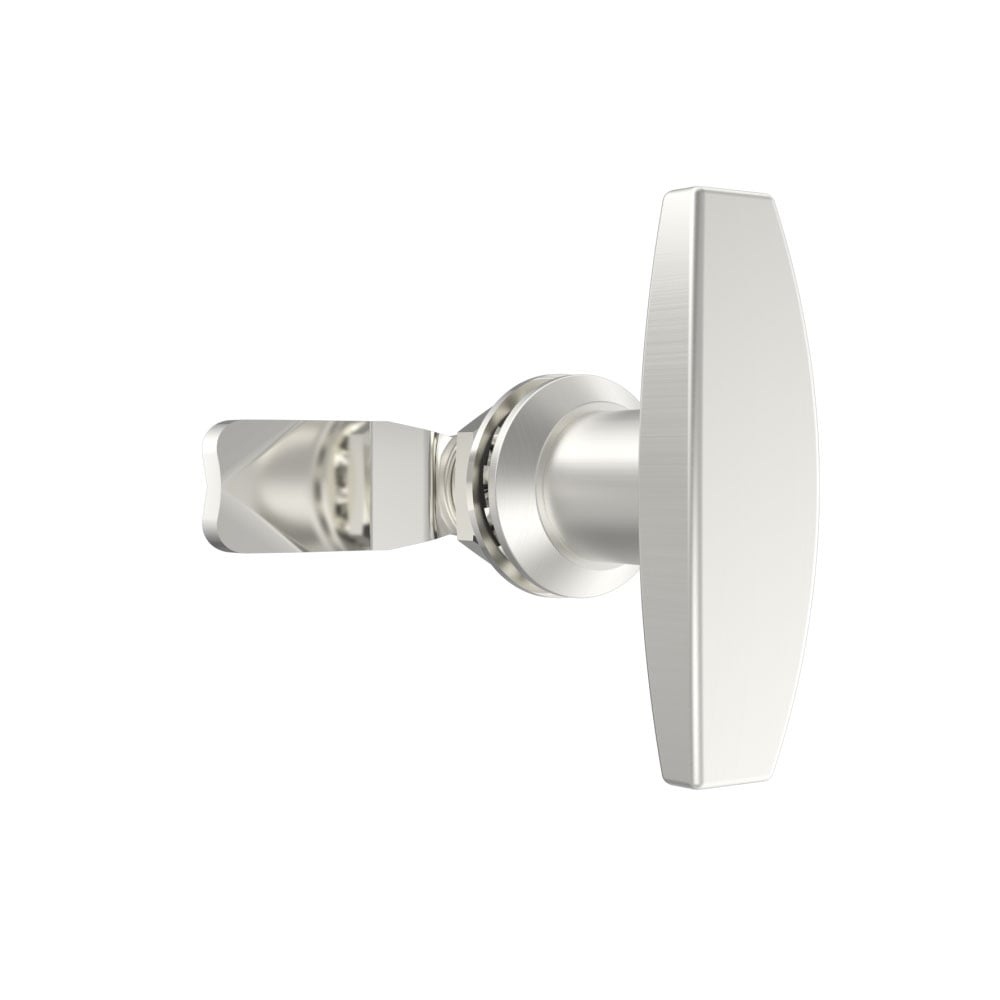
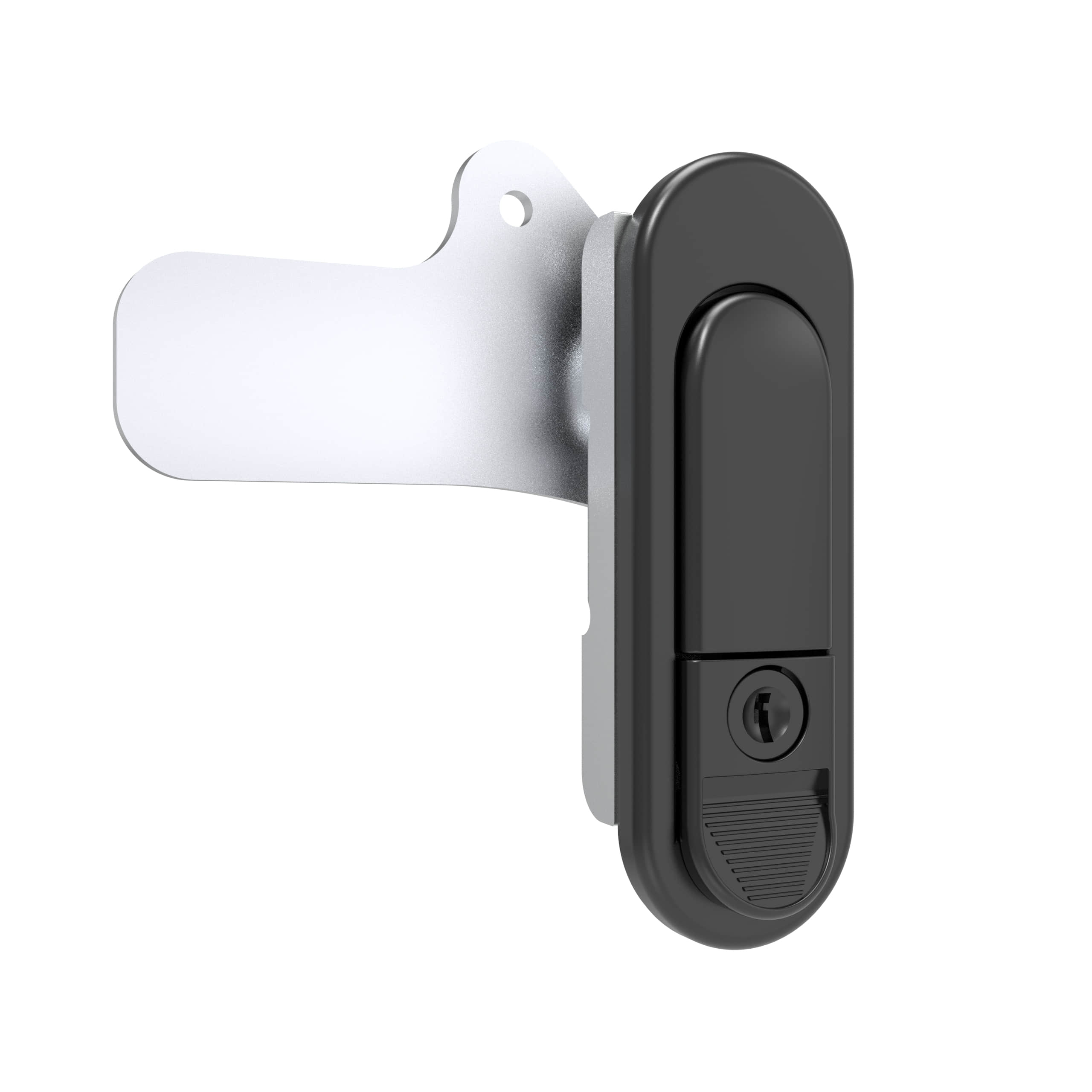
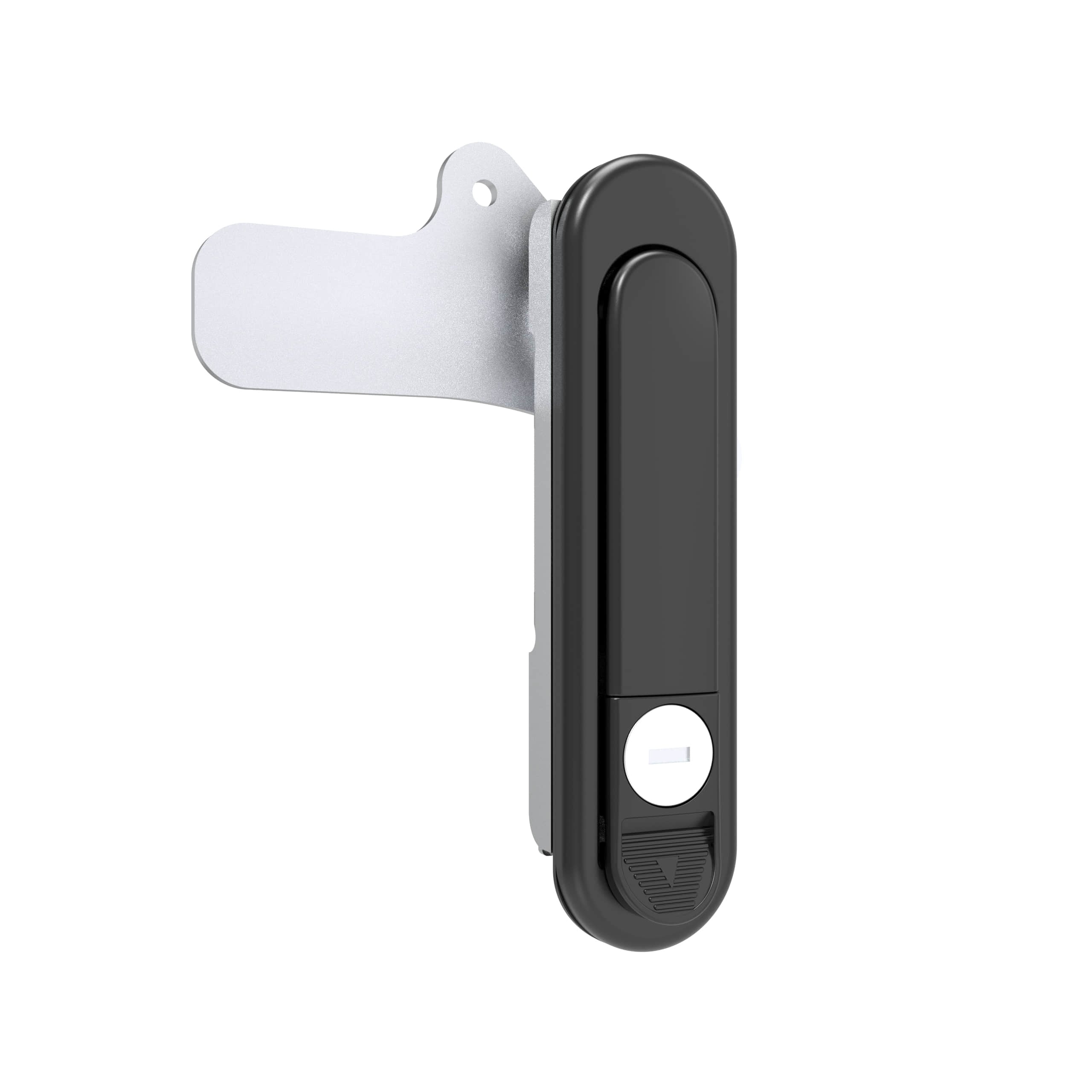
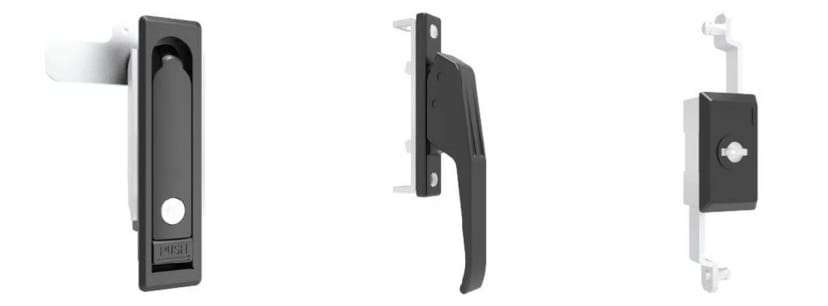
From our work with data center clients, we know that a single lock in the middle of a tall door is a major weak point. A person can pry the top or bottom corner of the door open, even if the middle is locked. This is where a Swing handle lock and multi-point system is essential. Check more on: https://fornd.com/category/swing-handle-locks
When you turn the handle, it does not just lock at one point. It moves long metal rods that lock the door at the top and bottom at the same time. This multi-point system makes the entire door solid and almost impossible to pry open. It gives our clients peace of mind that their most valuable assets are truly secure.
Conclusion
One of the most crucial aspects in protecting your property is selecting the appropriate lock. For your home, it all starts with checking your door and making sure you have a good anti-snap lock cylinder that is fitted correctly. One of the most popular ways for thieves to enter can be prevented with this easy check.
Additionally, security entails having a partner who is aware of your unique issues in the increasingly demanding and complex world of industry.
We at Fornd are aware that a lock serves more purposes than merely shutting a door. From protecting outdoor cabinets from the weather to securing equipment on a moving vehicle, to controlling access to critical data, we are always working to provide high-quality industrial locking solutions that go beyond the basics. We believe that real security comes from professional design, attention to every detail, and a commitment to quality. Contact us today at https://fornd.com/contact to get a sample!
Frequently Asked Questions (FAQ)
What is the biggest difference between a lock for my house and an industrial lock?
A lock for your house has one main job: to keep unwanted people out. An industrial lock has many jobs. It has to keep people out, but it also has to fight against rust from rain, and keep dust and water away from sensitive electronics.
There are so many locks. How do I know which one is right for my project?
You do not need to be a lock expert. That is our job. The best way to start is to ask a few simple questions. Where will the lock be used? Is it inside or outside? Does it need to handle vibration? Once you have an idea, you can contact us.
Are your industrial locks hard to install?
No, we design our locks to be easy for our customers to use and install. Many of our most popular locks, like our Quarter-Turn and Compression latches, are made to fit into a simple single hole. This means they can be installed very quickly.