
Defeater handles are specialized hardware components designed to enhance security and control in industrial, electronic, or mechanical systems. While the term "defeater" is not universally standardized in hardware terminology, it generally refers to mechanisms that prevent unauthorized access, tampering, or unintended operation of devices. A defeater handle provides extra safety and security. By the use of a special mechanism that requires a two-handed operation to open a box or enclosure, therefore ensuring the contents remain safe, the defeated handle proves very useful. These parts have a heavy-duty handle design on a quarter-turn latch body and may be key-locking, tool-activated, and padlock-only versions. They are also known as an L-handle and sometimes may be referred to by that term.
Defeater handles are designed primarily to force intentional actions before a box or enclosure can be opened since a latch cannot be actuated by accident. Sometimes it is assumed to be the trigger feature, whereas in actuality the inside typical component that needs to be "defeated" is the spring-loaded mechanism in the lock plug. It requires the user to keep the key turned into the unlocked position and then lift the padlock trigger and turn the handle with the other hand. The versions without the spring-loaded feature or with no lock plug at all are referred to as "non-defeater" types, but they share the same styling as the other defeater handles. The other types too meet the requirements with regard to the need for controlled door handles, especially when there are restrictions placed on personnel who need to be authorized to open some box or enclosure.
Technical Features of Defeater Handles
Defeater handles are created with engineering sophistication such that they manage to maintain a fragile balance between simple use and highly robust security.
Material durability traditionally guides choices in stainless steel or carbon fiber, materials that will defend themselves properly against corrosion in a place with a humidity factor and support a chemical attack rust resistance. They should also bear the carrying of a high load for standing up to the force applied during emergency override situations. Handles that will therefore keep on being of use and not cause problems for a long time proved realizable. Breakaway screws and visible damage indicators immediately and visually authenticate all unauthorized efforts in secured areas, further serving as a warning to ensure the security system's integrity.
Modern defeater handles also increasingly integrate with the smart system for enhancing security and monitoring capabilities. They have IoT connectivity, thus being able to be synchronized with the centralized security system over Zigbee or Bluetooth, to report the access event in real-time, provide alerts, and store detailed logs for auditing purposes. This will be of extreme importance in large plants or critical infrastructure settings where control is required to be centralized.
Some advanced models incorporate biometric authentication. For example, they have fingerprint scanners, where only authorized personnel are guaranteed access, stealing keys or codes or not. In addition to that, in Biometric Authentication Only, it can be ensured that only such person can override the locking mechanism who has duly verified credentials.
Industry Standards and Compliance
The implementation of defeater handles, particularly in critical applications, calls for compliance with not tens of industry standards and compliance regulations that the industry mandates to ensure safety and reliability.
UL 60947: Standards for Circuit Breaker Enclosures:
In this standard, Underwriters Laboratories specifically seems to have embodied requirements of a product with its safety requirements that relate to low-voltage switchgear and controlgear including circuit breaker enclosures. Therefore, Defeater handles used in these environments must meet UL 60947 to guarantee that it can withstand electrical stresses together with the environmental conditions attendant with circuit breaker operations. This encompasses requirements of electrical insulation, mechanical strength, heat, resistance to fire, and requirements on the aspects of electrical insulation, mechanical strength, and resistance to heat and fire. It is mandatory to adhere to such measures to avoid electrical hazards while ensuring safe systems operability.
ISO 13485: Medical Device Quality Management Systems:
A critical standard in the medical device industry, ISO 13485 defines the requirements for a quality management system. Hence, defeater handles must comply with this standard so that they More-up-to the toughest quality and safety expectations placed on the healthcare sector. The standard includes requirements for design control, risk management, and traceability, as applied in the use of the product in the healthcare sector. Its compliance indicates that within that standard, the occurrence and control of defeater handles are at the highest level in terms of risk prevailing regarding patients and healthcare professionals.
NIST SP 800-193: Guidelines for Hardware-Rooted Security in IoT Devices:
The convergence of defeater handling systems with IoT devices and smart security systems brings the requirement to comply with NIST Special Publication 800-193 into sharp relief. This guideline discusses security anchored in hardware and prescribes how IoT devices can be shielded from cybersecurity risks. In that grouping of systems that may include biometric authentication or IoT connectivity, the devices shall be proved resistant both to unauthorized access and also unauthorized tampering following NIST SP 800-193. Conditions will be agreed upon regarding secure boot, firmware integrity, and hardware-based cryptographic functions. Ensuring the aforementioned will be necessary to support security and integrity for interconnected security systems.
What Are Defeater Handles Used For?
Emergency Exits
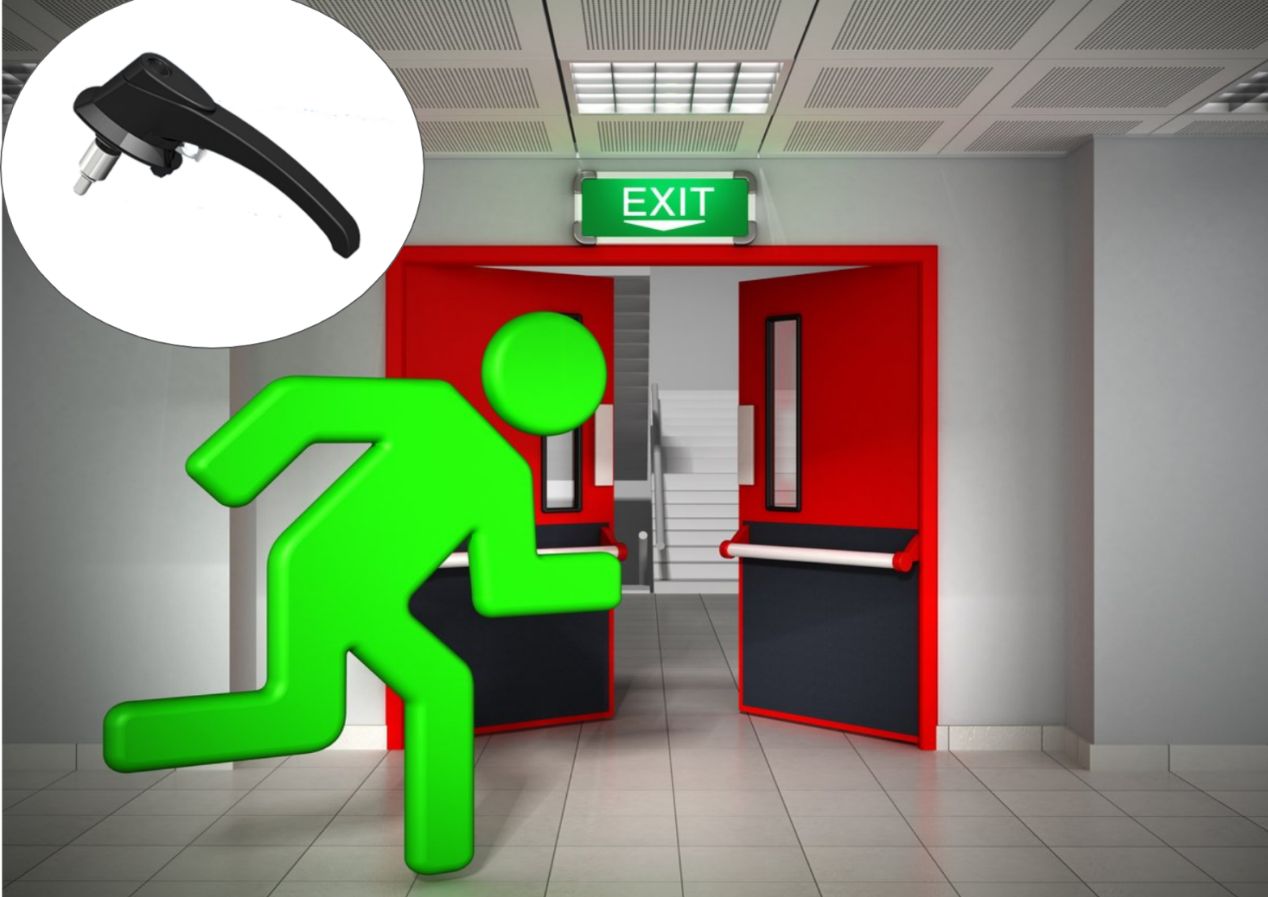
In high fire, earthquake, or chemical spill emergency times, where seconds mean lives, Defeater handles are strategically placed at emergency exit doors. Unlike the door, which is locked with a key or code, the Defeater handle allows an uncomplicated vigorous action (like pushing down hard) to override the lock and allow the quick and safe escape of individuals. This is a requirement of high-occupancy buildings, hospitals, schools, and such other open areas to which people need to get out quickly.
Electrical Cabinets and Utility Access
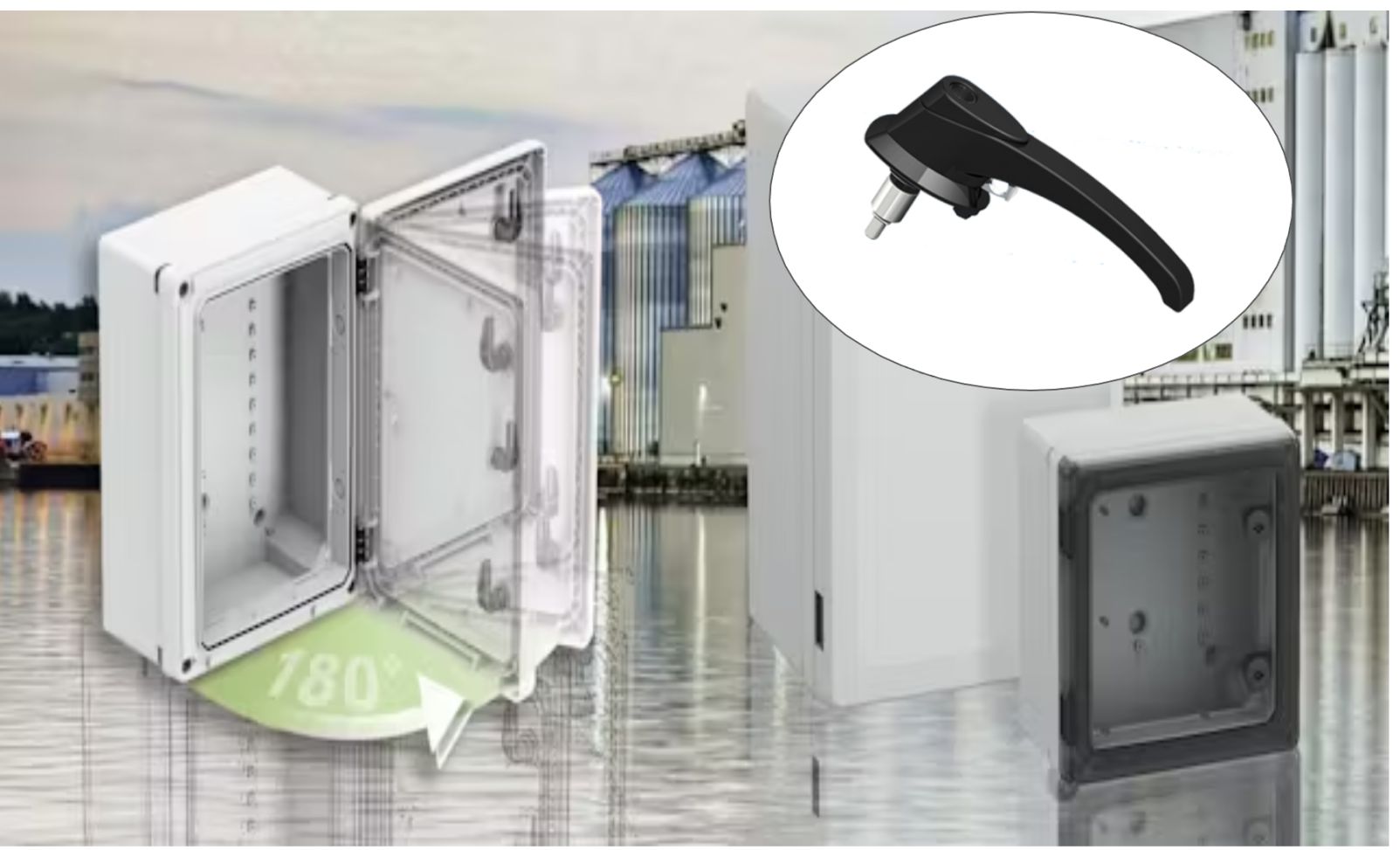
Electrical cabinets, utility rooms, and other critical infrastructure areas are traditionally set aside for restricted access to avoid possible tampering or unnecessary damage from unauthorized persons. However, there is often a need for easy access by authorized personnel in case of maintenance, repair, or emergency service work. Defeater handles provide a controlled override mechanism for qualified technicians to bypass standard locks without having to resort to forceful entry or damaging the equipment. This ensures that the services essential to restore or maintain can be done efficiently.
Security and Safety
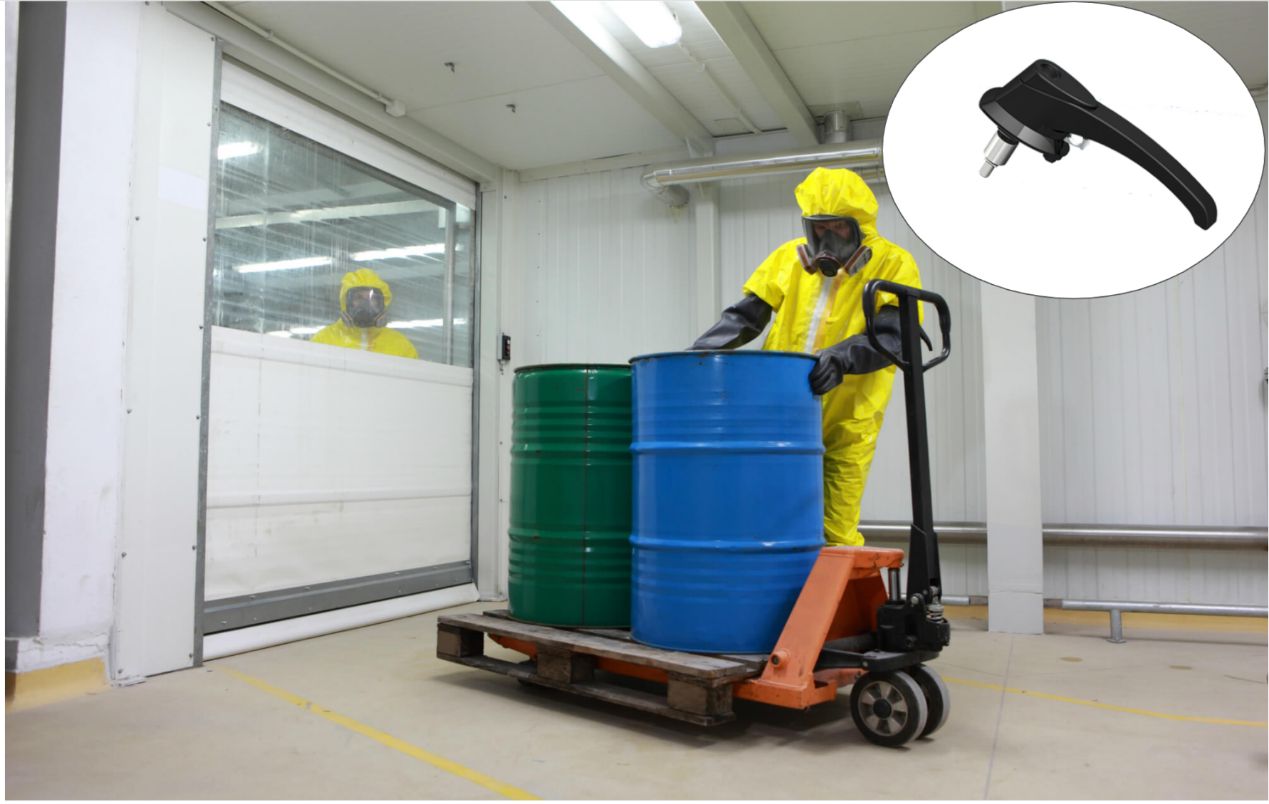
Defeater handles are utilized in applications where regulated access is critical to safety or security. For example, these are doors leading to rooms with hazardous materials, sensitive equipment, and areas that are restricted. In an emergency—such, such as a chemical spill or equipment failure—first responders or other properly authorized personnel need quick access to that space to reduce possible jeopardy. It is also used in safe storage areas.
Maintenance and Service
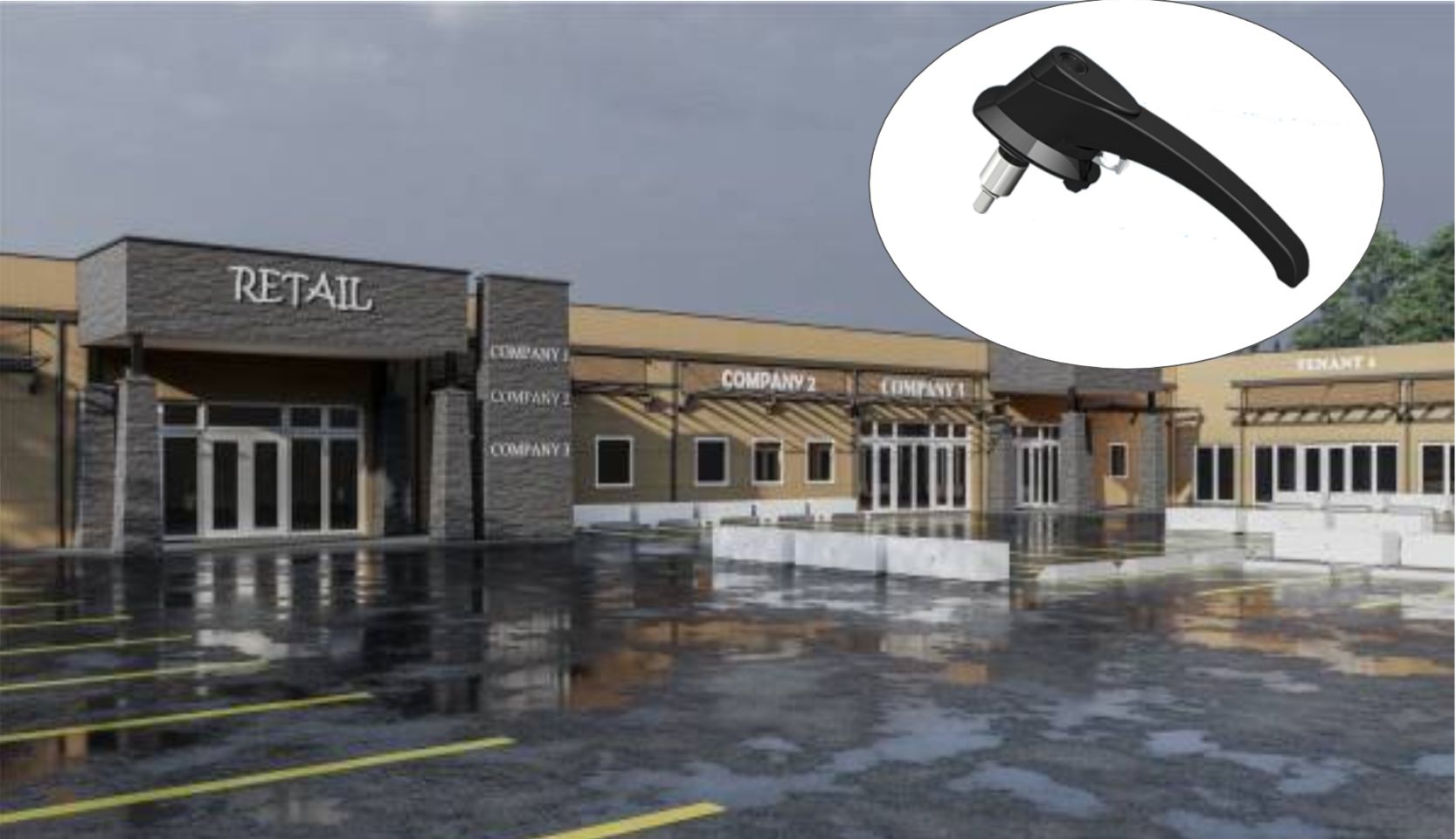
Repeated access in the course of routine maintenance and service operations normally takes place in a secured place. The Defeater handles simply eliminate the need for keys or other complicated unlocking procedures, making it very convenient to use in a multi-entry building where the weight of a large set of keys would otherwise be a burden. Defeater handles would enhance that by making possible an easy-to-use override device that improves efficiency and reduces downtime.
Critical Infrastructure
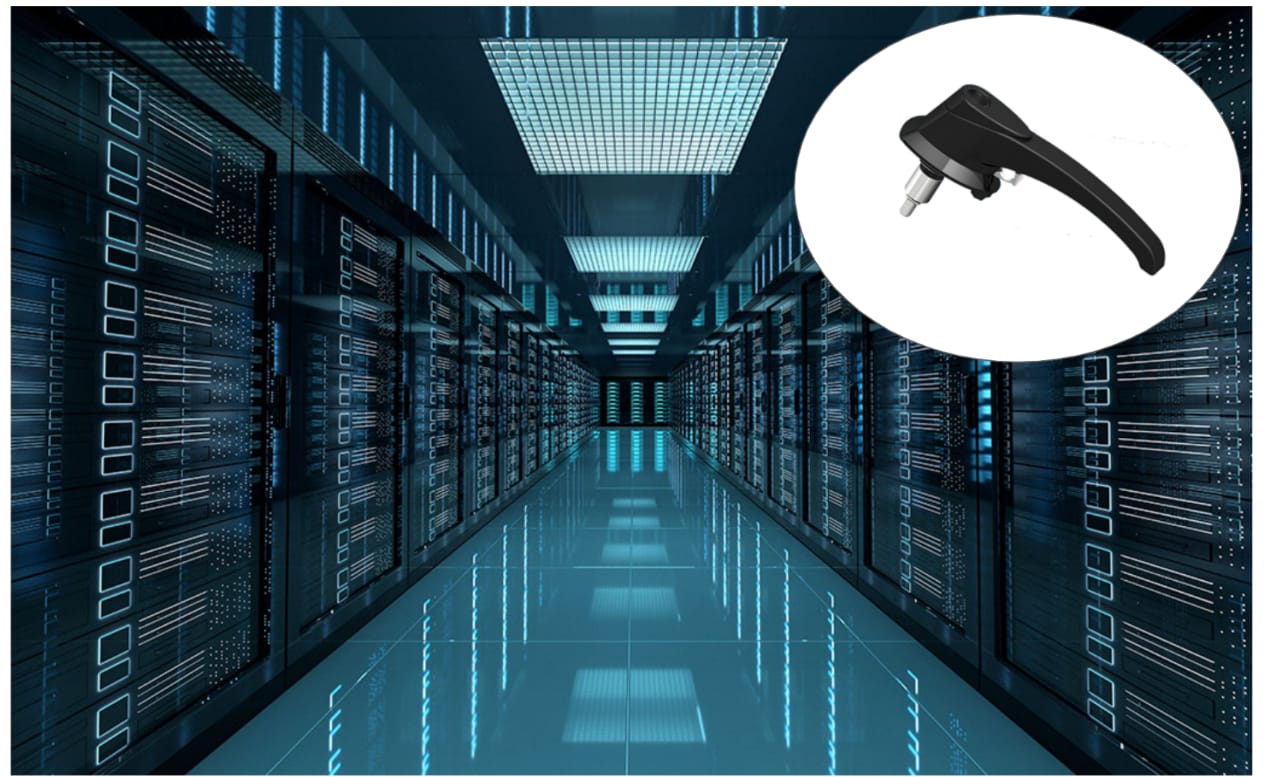
Critical infrastructure in telecommunications facilities, data centers, and power plants requires that the operation is not impeded. These would otherwise be the handles that the Defeater company uses to secure access to such essential equipment but should in every way still be immediately available in the time of urgency for any necessary maintenance or even access by authorized individuals to ensure reliability and resilience of these very important systems. Failure to do so such that access is delayed could lead to significant disruptions or even failure.
About Fornd
Fornd, a seasoned manufacturer of industrial cabinet locks and hardware, offers a broad spectrum of solutions for industrial applications. Their product line includes high-quality electronic locks, hinges, handles, and latches, showcasing their deep industry expertise. Discover their comprehensive offerings on the Fornd website: https://fornd.com.