
Handles may not be appropriately quantified for their positive value, yet they crop up in practically all typical objects, gadgets, and machinery. From a simple door handle to an ergonomic grip on a surgeon’s scalpel, cultural and functional service shaped our relationship with objects and actions. A good handle improves some tasks, saving effort and guarding against accidents as the wrong one turns a simple task into a more difficult chore. The consideration of nuances in the type of handle available is material, shape, and special features are core in choice for any application.
Different Handle Types to Explore
Fixed Handles
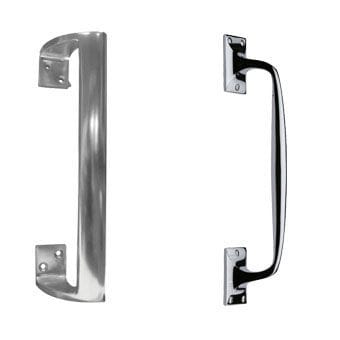
Fixed handles — designed in stainless steel, aluminum, or hard polymers as rigid materials — are supposed to be the most durable forms of handles. These are hammers or axes, or even industrial equipment, such as automatic lathes, when holding firmly becomes imperative; such handles prove themselves of utility. They offer an unskilled operator the opportunity of performing repetitive tasks, such as opening heavy cabinets with hydraulic presses for operation; constant use and wear, respectively, being their common problems.
Ergonomic Handles
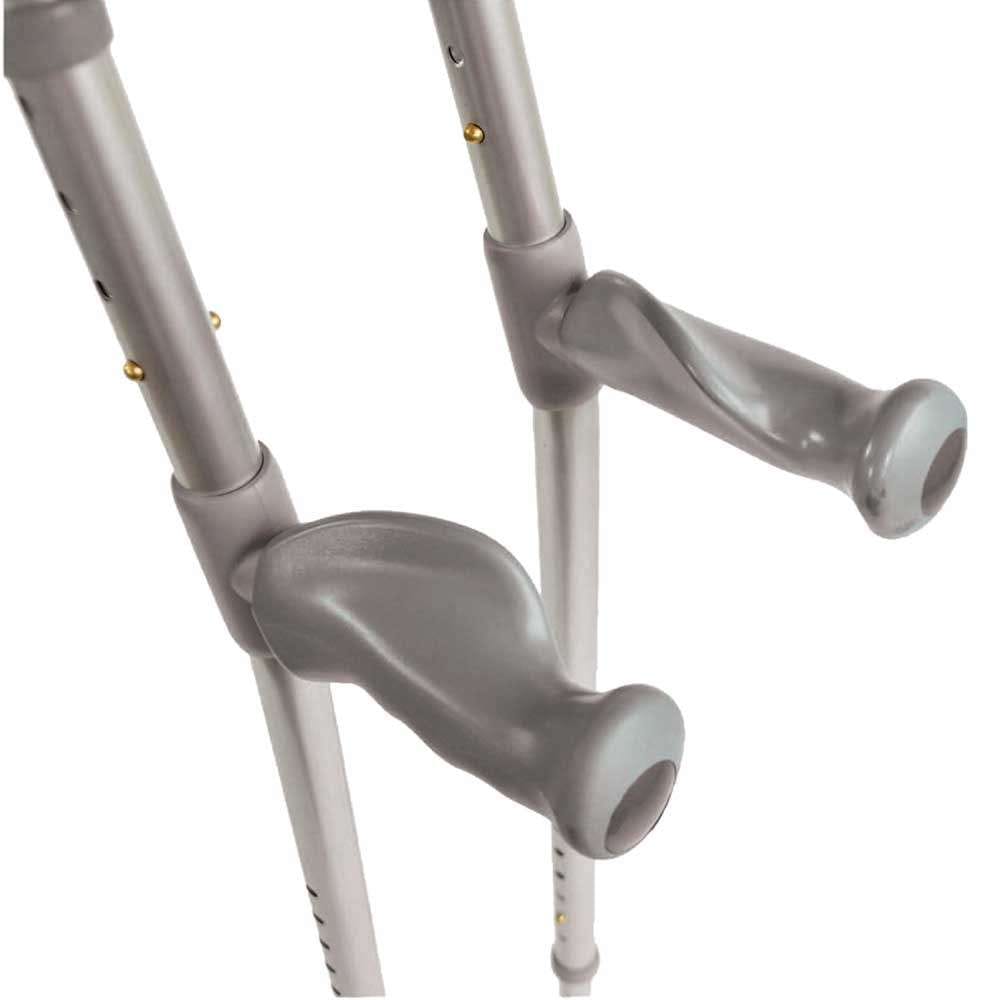
Ergonomic handles redefine the very concept of tool use: Ergonomics, comfort in the prolonged use of a tool, and operator safety become the driving factors in the design of an effective grip. The handles may be contoured, they may be provided with soft rubber grips, or they may have textured surfaces that naturally conform to the shape of the hand at rest. Ergonomic handles in kitchen knives reduce fatigue in meal preparation; ergonomic principles applied in scalpels or mobility aids enhance precision and reduce operator fatigue. In wrist movement, ergonomic curves help improve the function within gardening tools such as pruners and trowels so that comfort and ergonomics can be best friends.
Adjustable Handles
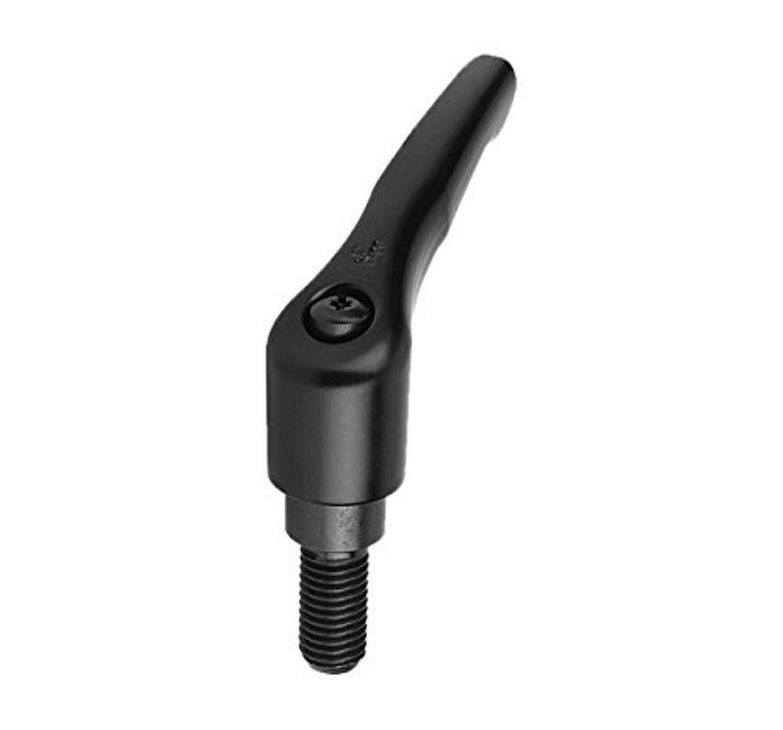
The handles adjust where flexibility is required. Mops and window cleaners are fit with telescoping handles to vary the reach. The same goes for their adjustable heights, in the case of the rotating joints of industrial valves. They can be locked in position, thus taking a middle ground between flexibility and rigidity. They might require higher maintenance, compared to fixed handles, but their adaptability to dynamically changing conditions, where high rooms can also require high joints, or machines require heightening controls allow them to play an important role.
Lever-Style Handles
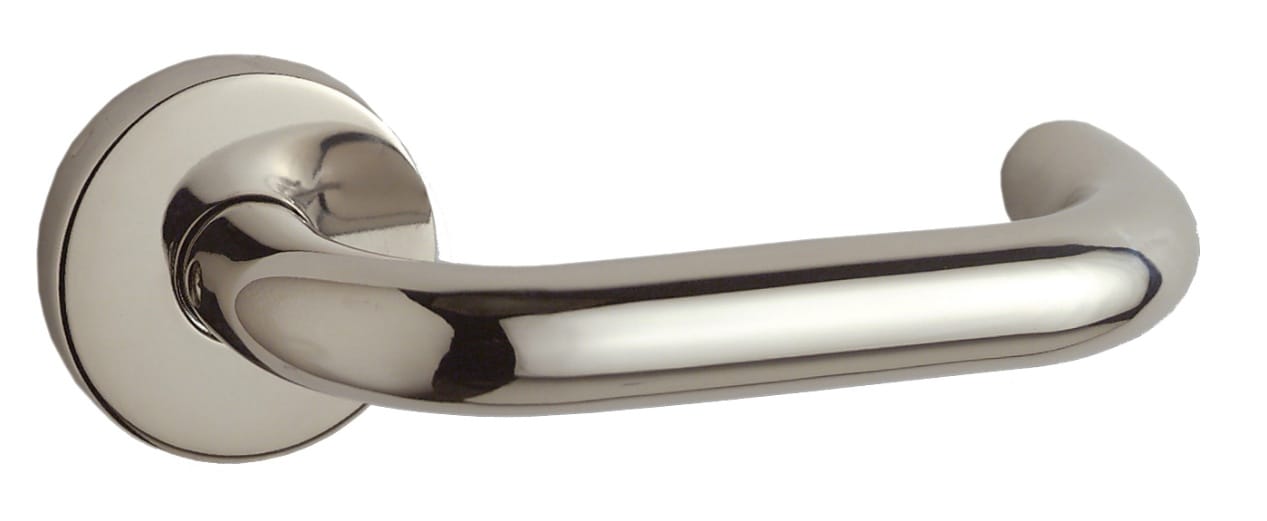
Lever-style handles are the best for use in applications where mechanical advantage is required. Mechanism applies force through pivoting, thus serving to ease somewhat challenging tasks, lifting cars using car jacks, or bike brake modulation. Industrial applications are in the management of very heavy machines or hydraulic systems, where the most important thing is having precise adjustment of forces. Some of the materials include reinforced polymers or aluminum alloys that can take heavy stresses without bending which says that sometimes it's as much about material science as it is about design leverage.
Folding and Collapsible Handles
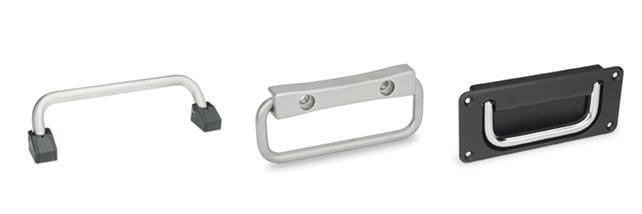
Handles fold or collapse, which covers the portability requirement and for when living space is very restricted. A travelling bag has a handle that retracts, shovels fold in on themselves, and portable grills collapse to keep oversized dimensions a minimum. Cabinets in small homes and RVs rely on this modern furniture with dimensions that are also compromised. Their reliance is usually with hinges or sliding mechanisms some in titanium or high-grade plastics because they will endure much use without compromising being able to work.
Specialized Handles for Extreme Conditions
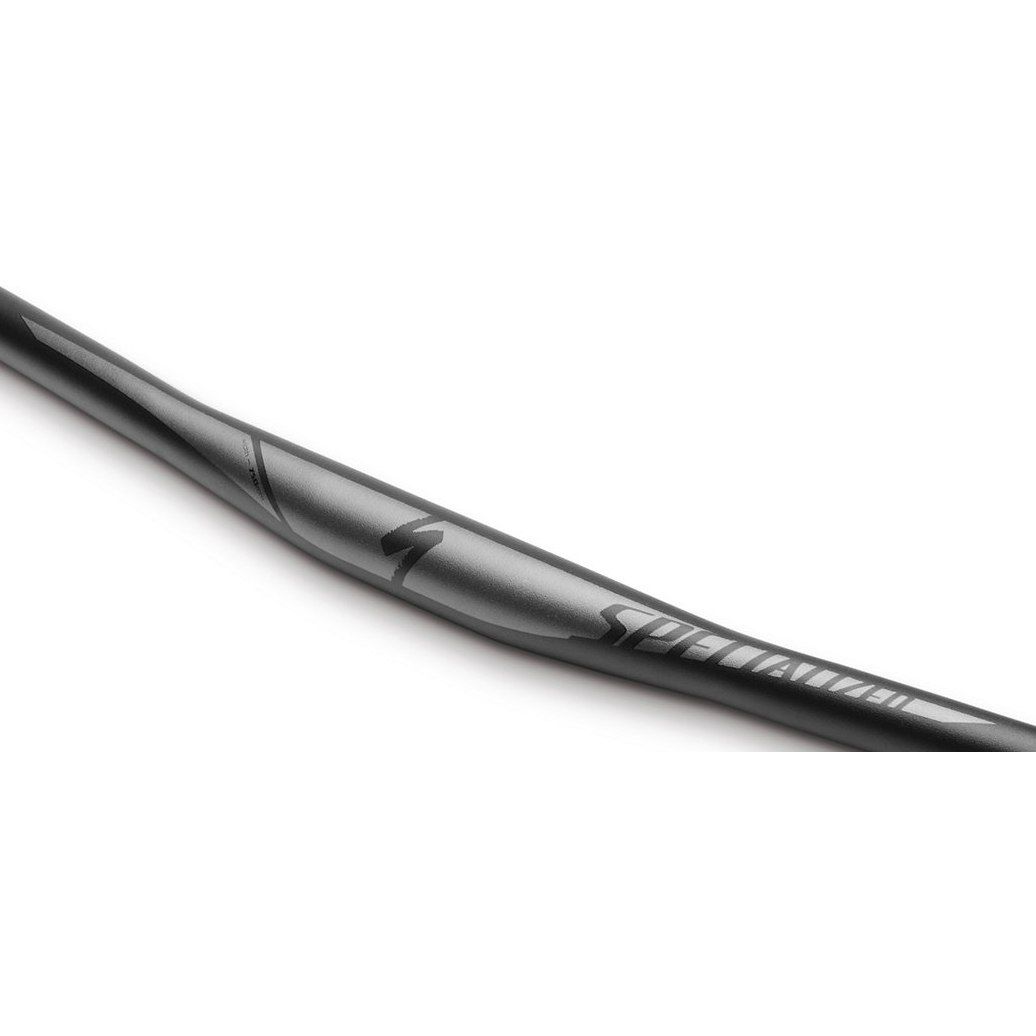
Specialized handles tackle niche challenges posed by extreme environments. Heat-resistant handles on cookware or welding tools use materials like silicone-coated steel or ceramic insulation to protect users from burns. Conversely, cold-resistant handles on Arctic equipment employ neoprene or composites to maintain flexibility in freezing temperatures. Anti-vibration handles, embedded with damping materials like rubber, mitigate the risk of hand-arm vibration syndrome in power tools, while antimicrobial handles infused with copper or silver ions reduce germ spread in public spaces.
Handles Designed for Emergencies
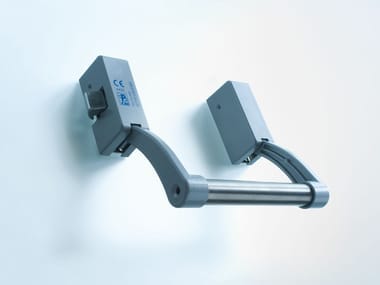
Safety-centric handles are engineered for crisis scenarios. Bright red emergency shut-off handles in industrial plants feature oversized, textured grips for quick access, even with gloves. Fire extinguisher handles withstand abrupt, forceful pulls to ensure instant activation. In healthcare, antimicrobial handles inhibit pathogen spread, a feature that gained traction during the COVID-19 pandemic. These designs emphasize intuitive use and fail-safe operation, proving that handles can be lifesavers in critical moments.
Handles Offered by Fornd
Surface-Mounting Handles
Fornd's surface mounting handles offer a swift and straightforward installation solution, creating ergonomically designed grip points for cabinet doors, drawers, and removable panels. Their diverse range includes embedded installation door handles, grab handles, and lift handles, alongside various surface treatments tailored for both interior and exterior applications. This variety ensures compatibility with a wide array of design and functional requirements.
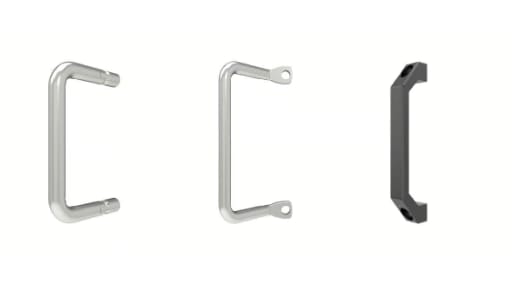
The key benefits of Fornd's handles lie in their ability to provide comfortable and secure contact points for opening, closing, and lifting. With surface-mounted, embedded, and folded models available, these handles can be seamlessly integrated into virtually any application. Furthermore, their design prioritizes quick and easy installation, minimizing downtime and maximizing efficiency.
90° Folding Handles
Fornd 90° Folding Handles are used universally in many industries, including stainless steel electronic cabinets, medical technology, and the food industry. Its exclusive 90° folding system remains one of the maximum space-saving systems, only requiring 0.52 inches when stored. This well-thought-out engineering makes way for more than an inch of optimizing space in both withdrawn and extended states, a very critical consideration when space-limited conditions prevail.
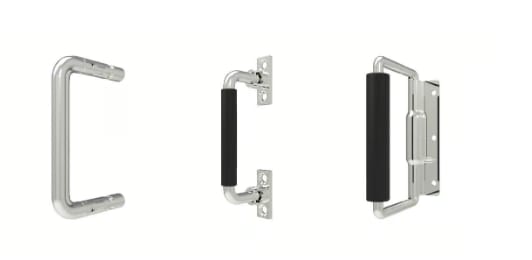
This product provides vast material and surface options as to be applicable to a particular application. Saves much more space of about an inch when it matters most and therefore finds great applications where ingenuity and compactness are key.
Flush Pulls
The flush pulls from Fornd have been created for complete integration. This renders installation easy and quick while offering comfortable, ergonomic grip points for opening enclosure doors and drawers, and removing mounted panels. Their design attaches equal importance to both function and aesthetics, thereby creating a very uncluttered and streamlined visual design.
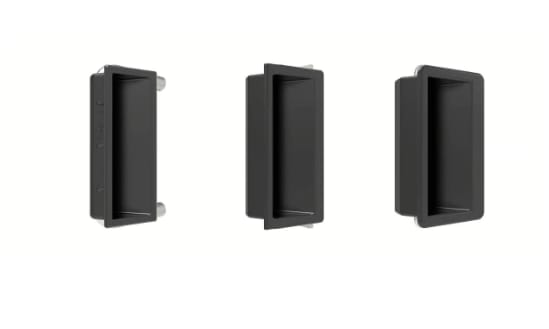
The main benefits of these flush pulls are ergonomic and secure touch points to open, close, and lift the door. An extensive range of surface mount, flush, and folding models are available to suit specific requirements for any application. They are easy to install due to a user-friendly design.
Material Innovation: Beyond Metals and Plastics
Handle materials have since evolved from just the conventional metals and plastics. For example, carbon fiber handles have a strength-to-weight ratio and can also be great for aerospace or sporting equipment, for high performance. In a market where environmental considerations are a priority, bio-based polymers can be derived from renewable resources like cornstarch or even algae. Other than that, composite materials like fiberglass-reinforced nylon are durable and at the same time corrosion resistant, for the appropriate application in marine tools or the handling of chemicals. Not only do they perform but also deliver to the sustainability goals put across globally.
Industry Standards and Certifications
Handles designed for critical applications often adhere to stringent industry standards. For example, ISO 9001 certification ensures quality management in manufacturing, while ANSI/BIFMA standards govern ergonomic requirements for office furniture handles. In healthcare, FDA-compliant handles on surgical tools prioritize sterility and biocompatibility. Understanding these certifications helps users select handles that meet safety, durability, and regulatory benchmarks, particularly in sectors like construction, healthcare, or food processing.
Maintenance and Longevity: Prolonging Handle Life
Proper maintenance extends a handle’s lifespan and ensures safety. Wooden handles benefit from periodic oiling to prevent cracking, while metal handles require rust-proof coatings in humid environments. For adjustable or folding handles, lubricating hinges and checking fastener tightness prevents mechanical failures. Users should also inspect handles for stress fractures or wear, especially in high-impact tools. Simple practices—like wiping down antimicrobial handles or storing collapsible designs properly—can prevent degradation and costly replacements.
Cost-Benefit Analysis: Investing in Quality
While budget-friendly handles may seem appealing, investing in high-quality designs often pays off long-term. Cheap plastic handles on low-cost tools may crack under pressure, leading to replacements and downtime. In contrast, premium materials like forged steel or silicone-embedded grips offer decades of reliable service. Industries like manufacturing or logistics prioritize handles with extended warranties or modular designs, allowing parts replacement instead of full overhauls. Evaluating factors like expected usage frequency, environmental conditions, and user safety helps justify upfront costs.
Case Studies: Handles in Action
Real-world examples highlight the impact of thoughtful handle design. In the automotive sector, Tesla’s minimalist door handles reduce drag and enhance aesthetics, while heavy-duty excavators rely on joystick-style handles with haptic feedback for precise control. In consumer goods, OXO’s Good Grips line revolutionized kitchen tools with nonslip, ergonomic handles, reducing strain for arthritis sufferers. Even in sports, tennis racket handles with moisture-wicking tape improve grip during intense matches. These cases underscore how targeted handle innovations solve specific problems across industries.
Human-Centered Design: Inclusivity and Accessibility
Modern handle design increasingly prioritizes inclusivity. Universally designed handles, such as lever-style door knobs, aid individuals with limited hand strength or mobility. Tactile indicators on appliance handles assist visually impaired users, while color-coded grips in laboratories prevent cross-contamination. The rise of adaptive tools—like gardening trowels with angled handles for wheelchair users—demonstrates how thoughtful design fosters independence and safety for diverse populations.
Environmental Impact: Toward Sustainable Handles
As sustainability becomes a global priority, handle manufacturers are adopting circular economy principles. Recyclable aluminum handles, biodegradable bamboo grips, and refurbishment programs for industrial tools reduce waste. Companies like Patagonia and IKEA now design products with disassemblable handles to facilitate recycling. Additionally, energy-efficient production methods, such as injection molding with recycled plastics, lower carbon footprints. Consumers and businesses alike can drive this shift by supporting brands that prioritize eco-friendly materials and ethical manufacturing.
Choosing the Right Handle: A Balancing Act
Selecting the ideal handle requires balancing ergonomics, environment, and task demands. A chef prioritizes a knife handle that resists bacteria and fits comfortably, while a construction worker needs a sledgehammer handle that won’t splinter under force. Engineers must weigh factors like material resilience, grip angle, and environmental resistance—whether designing for a sterile lab or a dusty construction site. Even subtle details, like a handle’s texture or curvature, can determine whether a tool feels like an extension of the body or a cumbersome obstacle.
About Fornd
Fornd, a seasoned manufacturer of industrial cabinet locks and hardware, offers a broad spectrum of solutions for industrial applications. Their product line includes high-quality electronic locks, hinges, handles, and latches, showcasing their deep industry expertise. Discover their comprehensive offerings on the Fornd website: https://fornd.com.