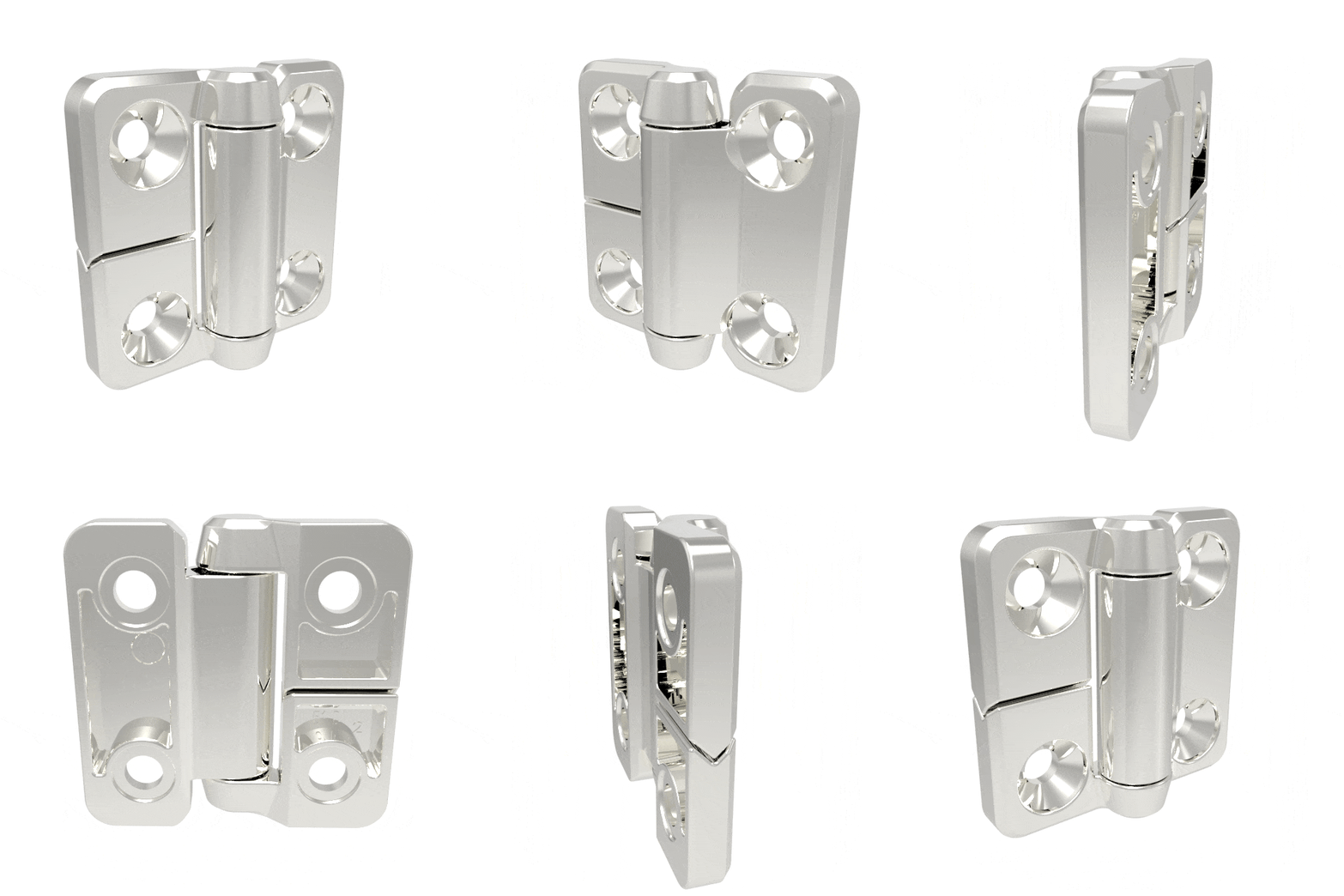
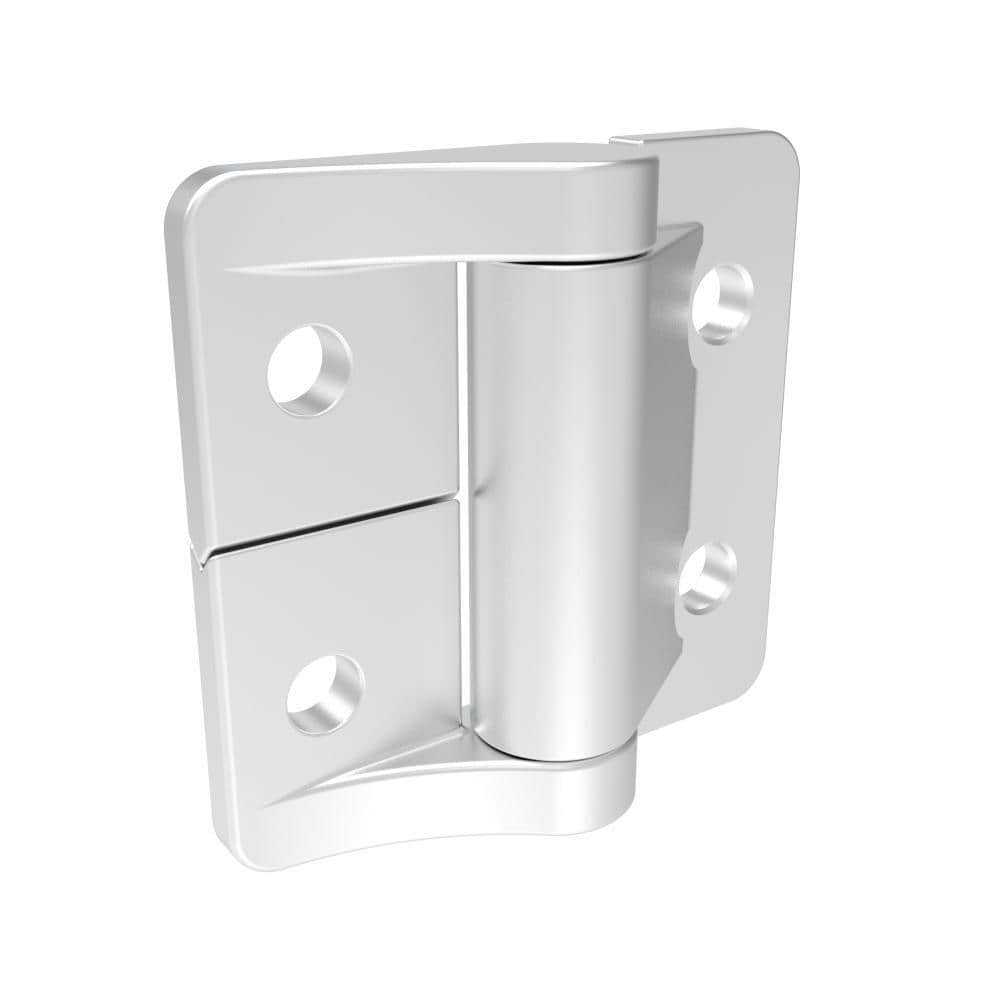
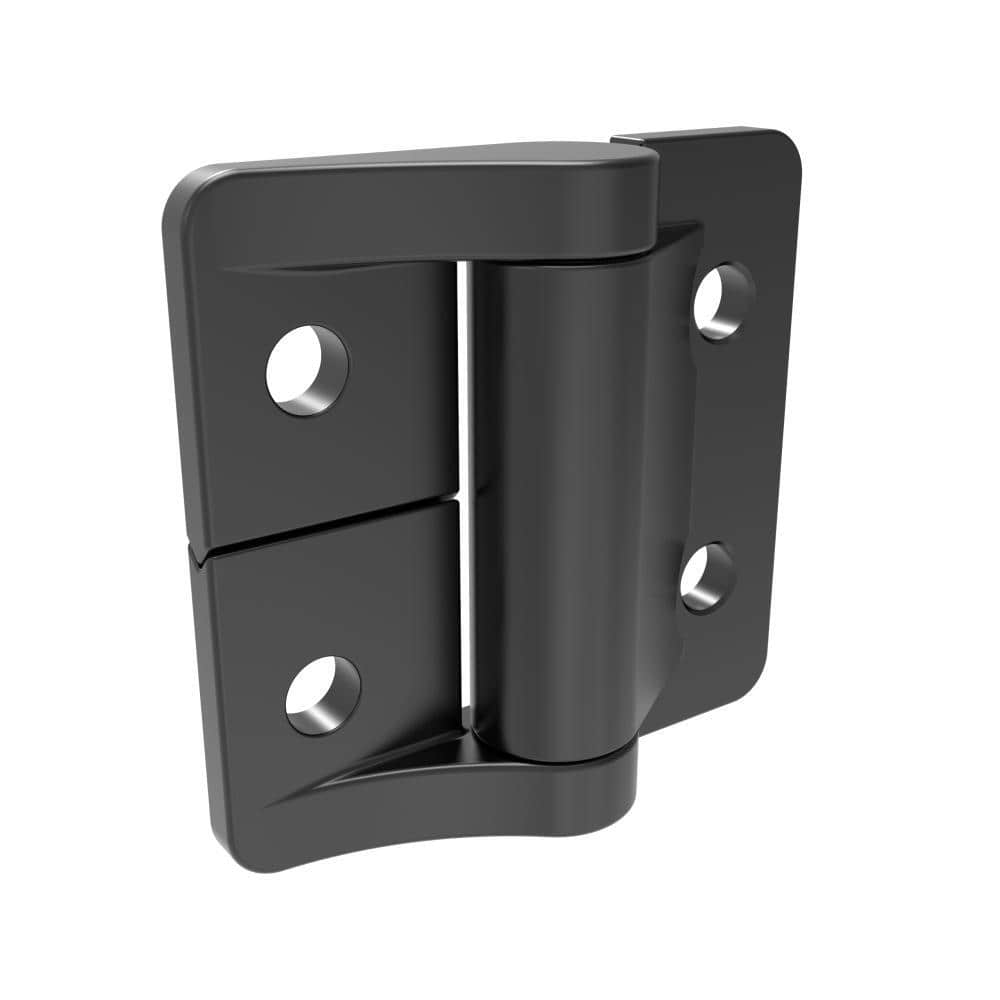
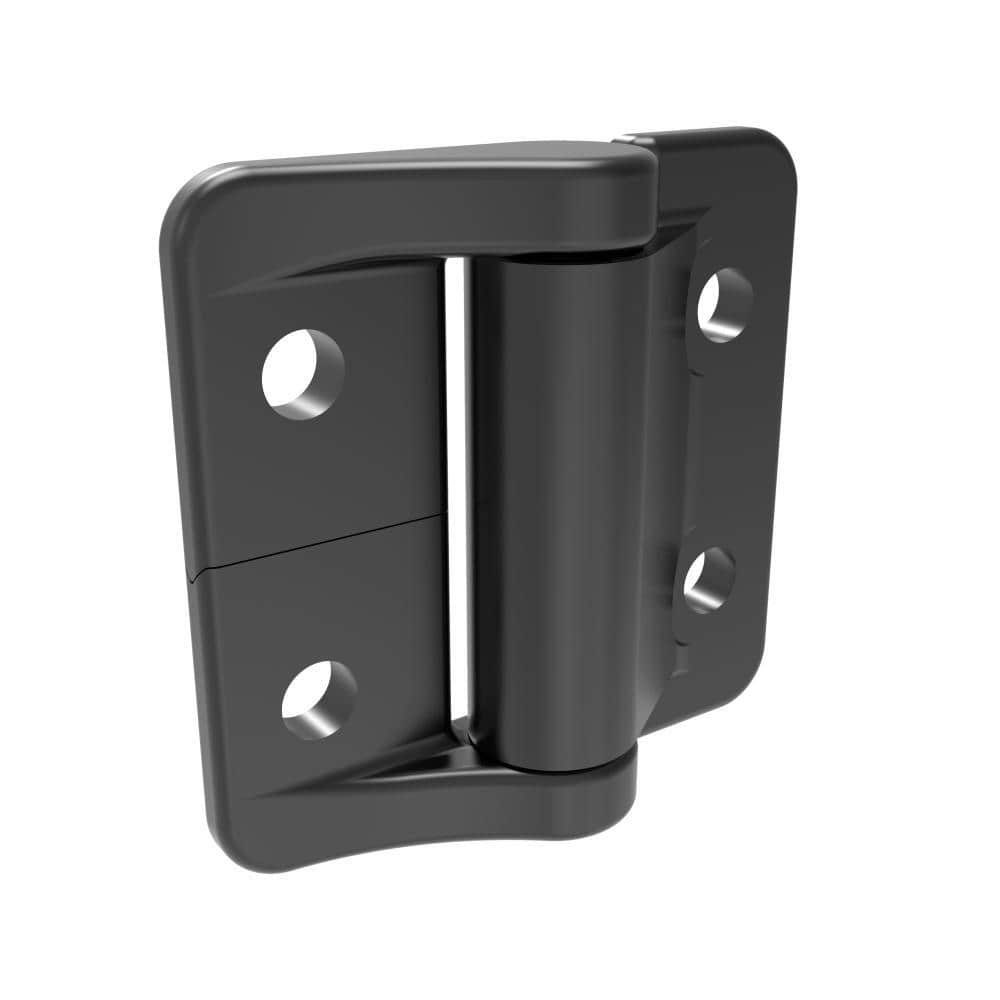
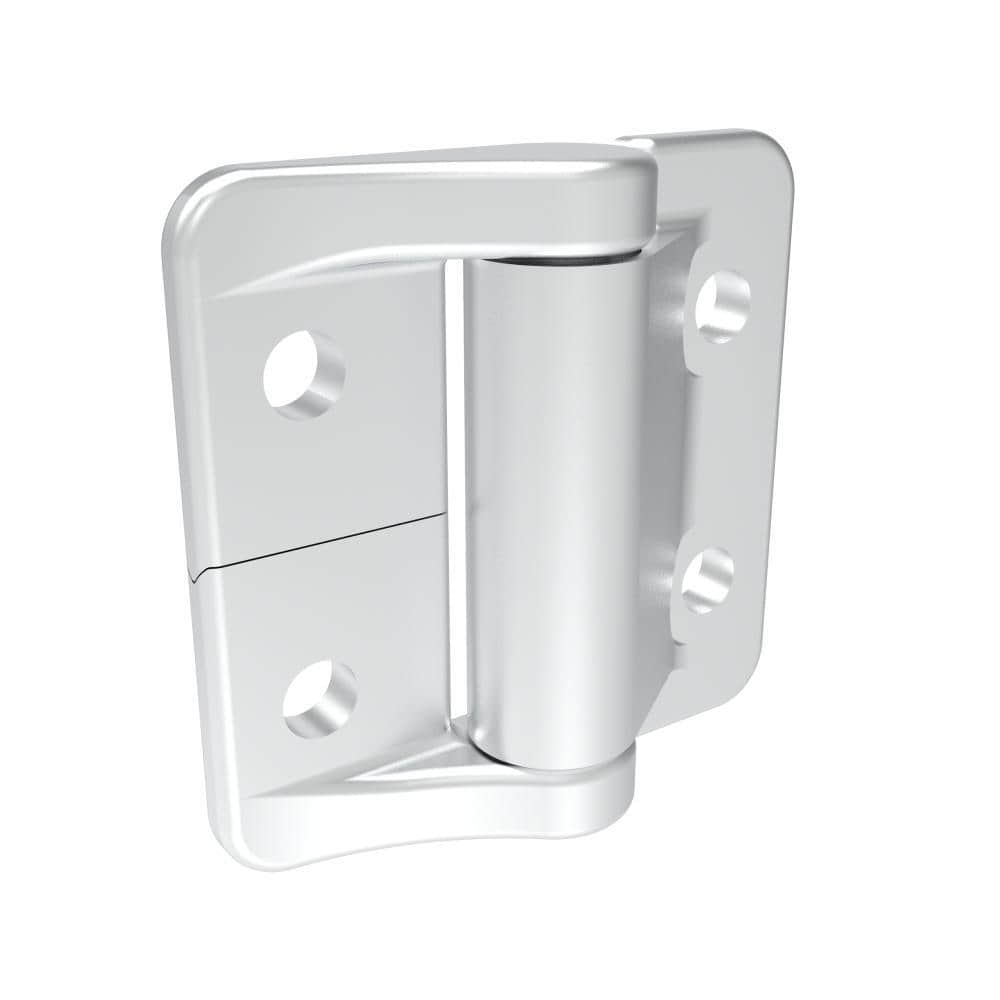
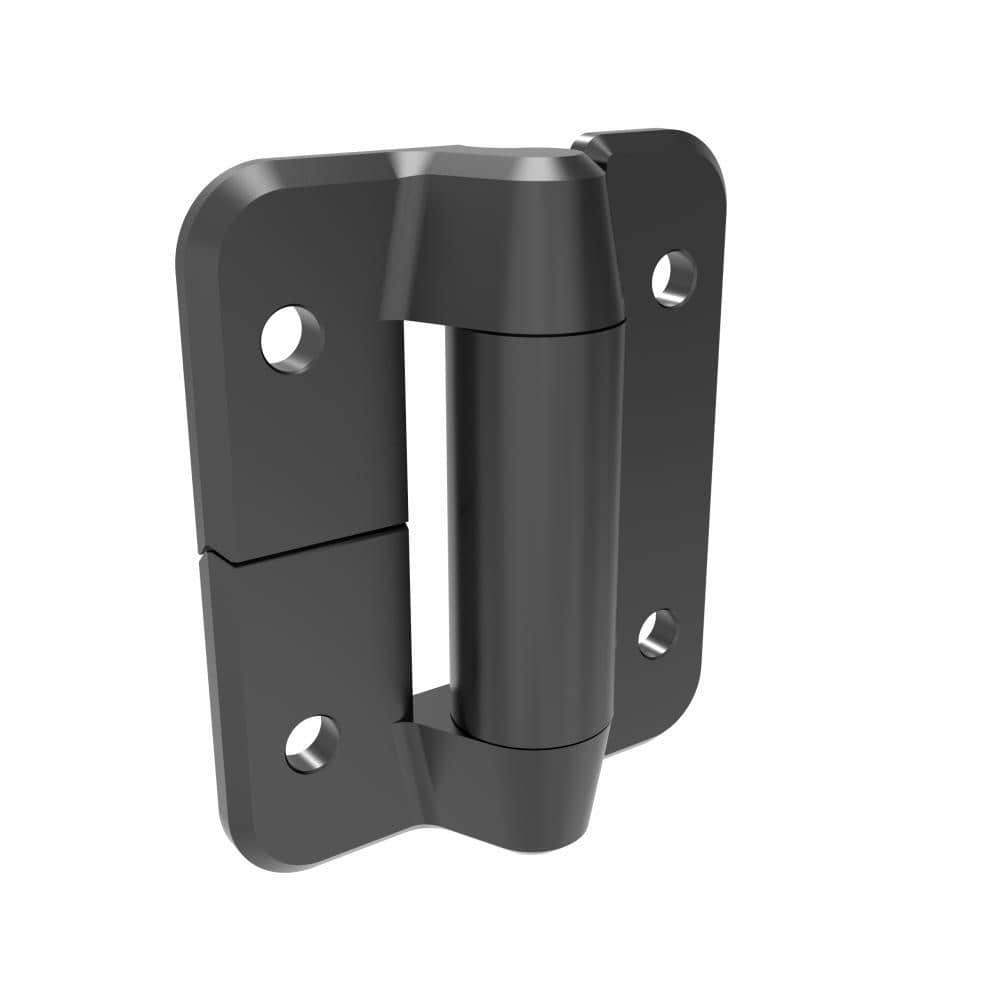
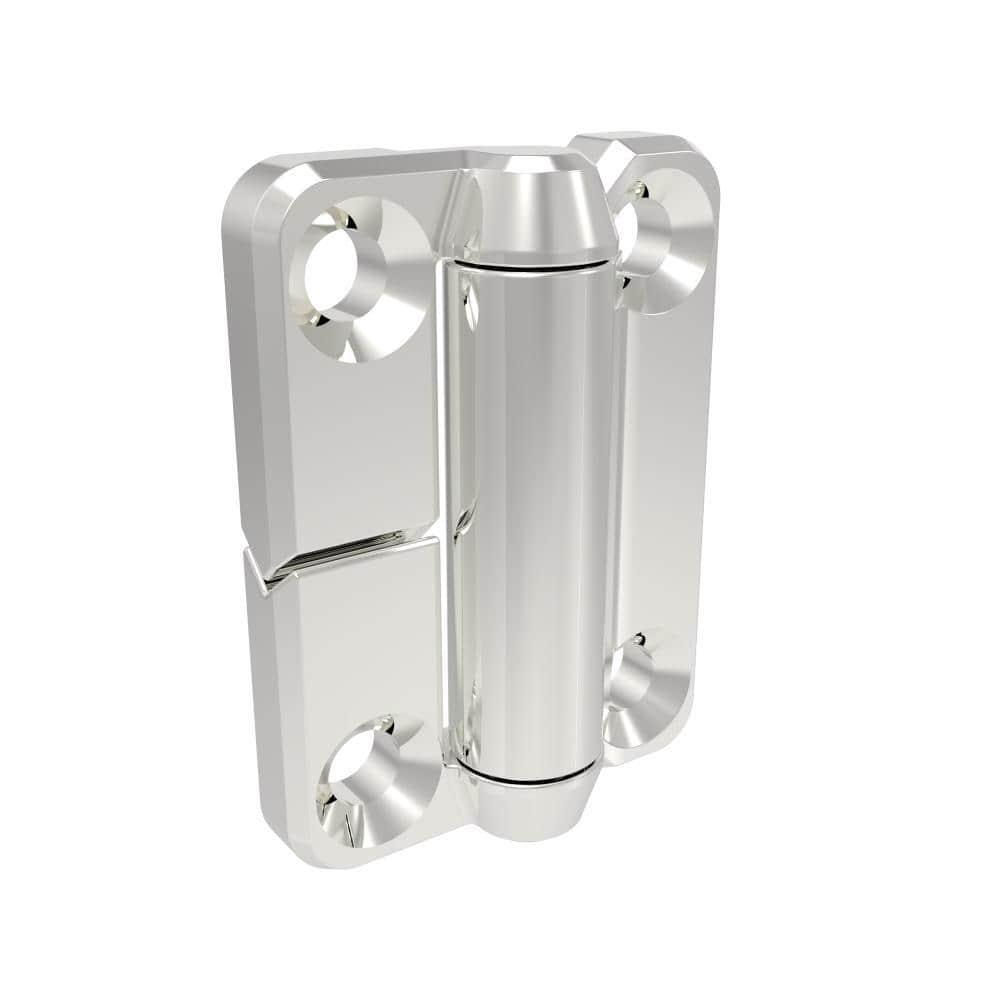
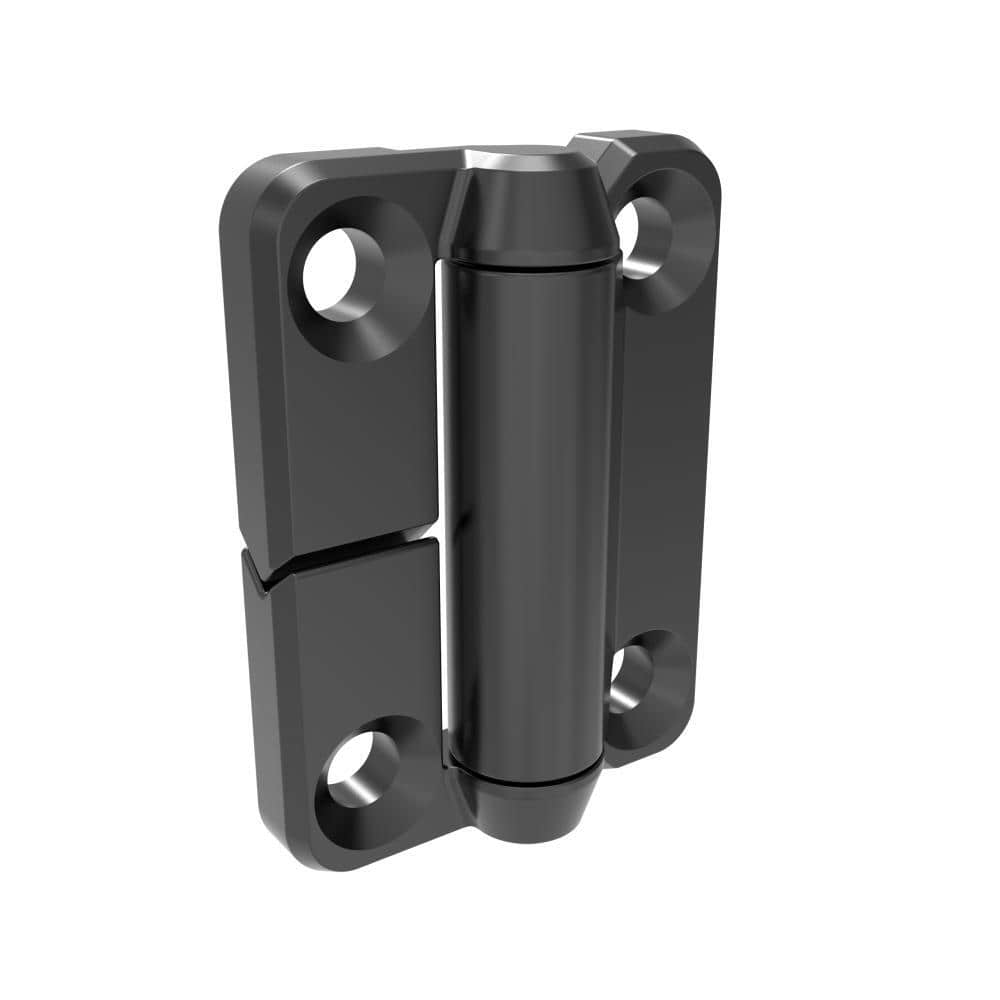
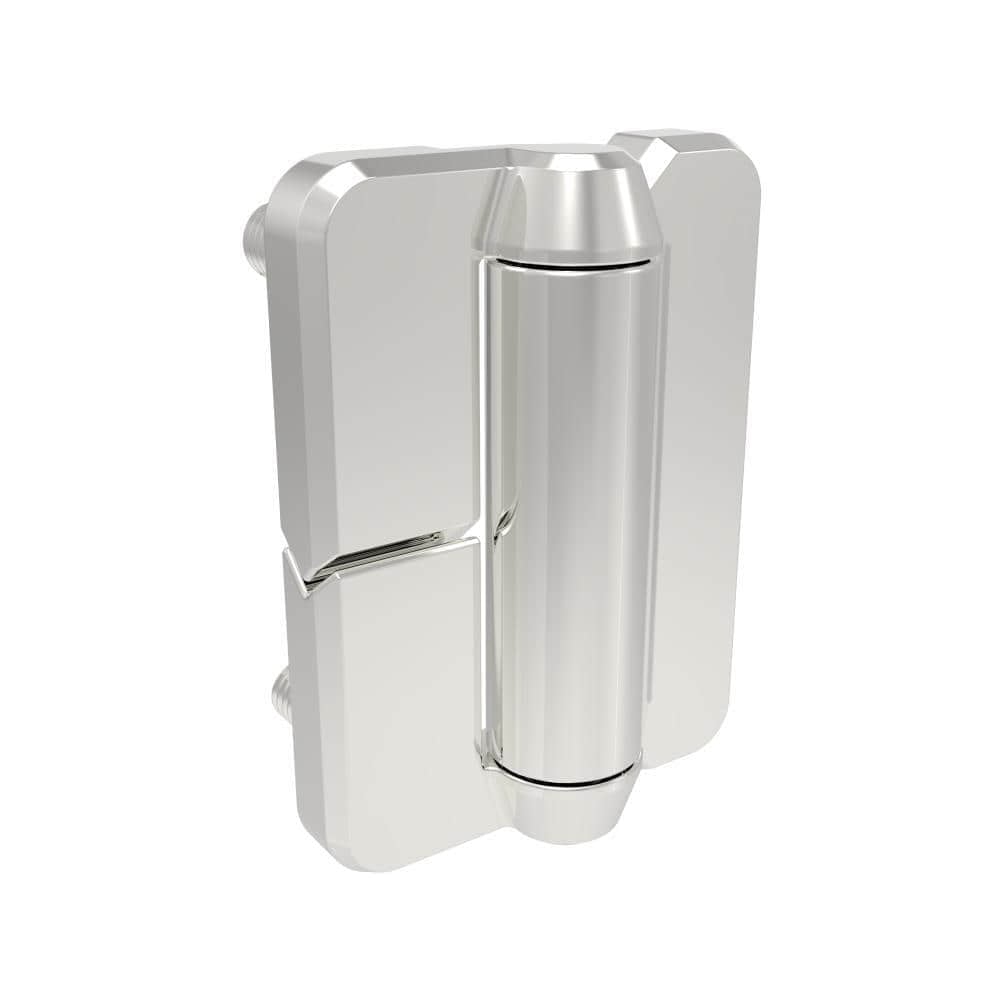
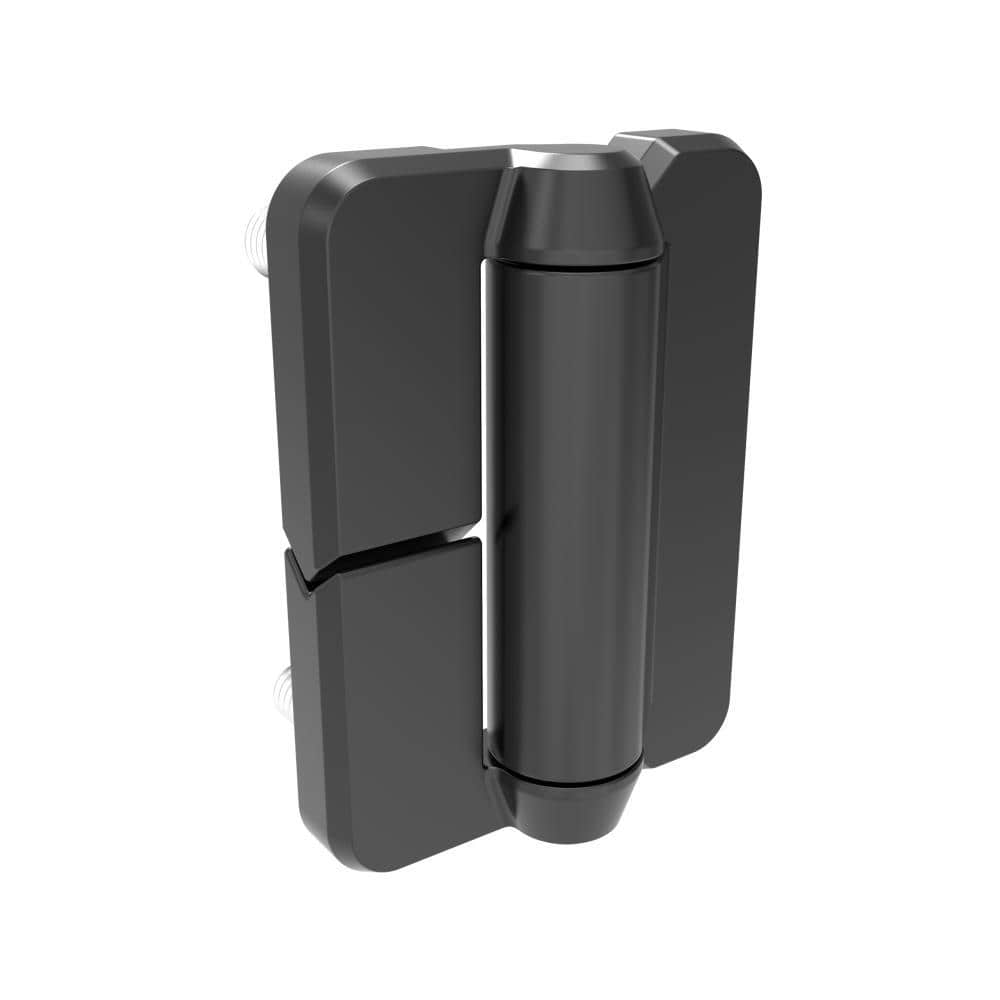
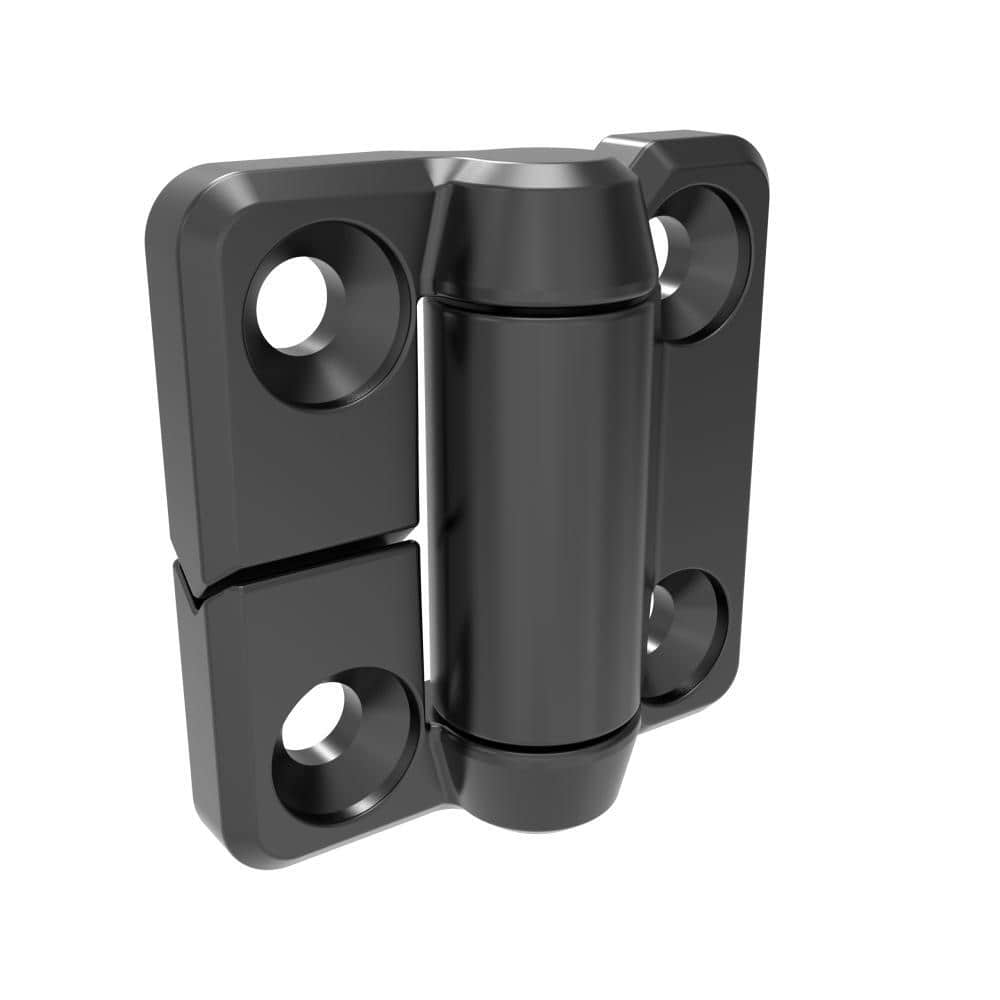
FORND Constant Torque Positioning Control Hinge product line provides constant resistance across the entire range of motion, enabling users to easily secure door panels, screens, and other fixed components at any desired Angle -- fully open, fully closed, and anywhere in between. The hinge is available in a variety of sizes, materials and torque ranges to meet the needs of a wide range of applications.
What is a Constant Torque Hinge?
A Constant Torque Hinge, also known as a friction hinge or position control hinge, is designed to provide consistent resistance throughout its full range of motion. This allows lids, doors, panels, or displays to stay securely at any angle — fully open, closed, or anywhere in between — without additional support components.
How Does a Constant Torque Hinge Work?
Inside the hinge, friction elements and spring mechanisms generate a preset torque that resists rotation. This constant resistance keeps the panel in place, even under vibration or dynamic loads, ensuring smooth, controlled movement and stable positioning over thousands of cycles.
What Are the Key Advantages?
Hands-free positioning – Holds panels or lids in place without extra hardware.
Safety improvement – Prevents accidental slamming that could cause injury or damage.
Design simplification – Eliminates the need for gas struts or stays.
Durability – Maintains torque consistency (±20%) over at least 25,000 cycles.
Aesthetic flexibility – Concealed mounting options for clean design.
Where Can They Be Used?
Constant torque hinges are widely used across industries, including:
Medical equipment – Monitor arms, adjustable stands, diagnostic devices.
Electronics – Laptop screens, control panels.
Industrial machinery – Access panels, enclosure doors.
Automotive & aerospace – Interior compartments, adjustable displays, ventilation hatches.
Commercial furniture – Cabinets, display cases, ergonomic workstations.
How to Select the Right Hinge?
Choosing the correct hinge requires evaluating:
Panel weight – Ensure the hinge’s torque matches the load.
Center of gravity – Distance from hinge to weight center affects torque needs.
Movement direction – Vertical vs. horizontal hinges face different gravitational forces.
Environment – Use corrosion-resistant materials for outdoor or harsh conditions.
Mounting style – Surface, concealed, or specialty mounts.
Why Choose Fornd Constant Torque Hinges?
Preset, maintenance-free torque — No need for user adjustment.
Zero drift — Holds position even in vibration-prone environments.
Multiple torque ratings & sizes — Fits both light-duty and heavy-duty applications.
High-quality materials — Options in stainless steel, aluminum, and zinc die-cast.
Custom solutions — OEM-specific torque profiles and mounting configurations available.
Safety & Reliability Commitment
Fornd Constant Torque Hinges are engineered for repeatable performance, ergonomic operation, and enhanced safety, making them an ideal choice wherever precise motion control is required.