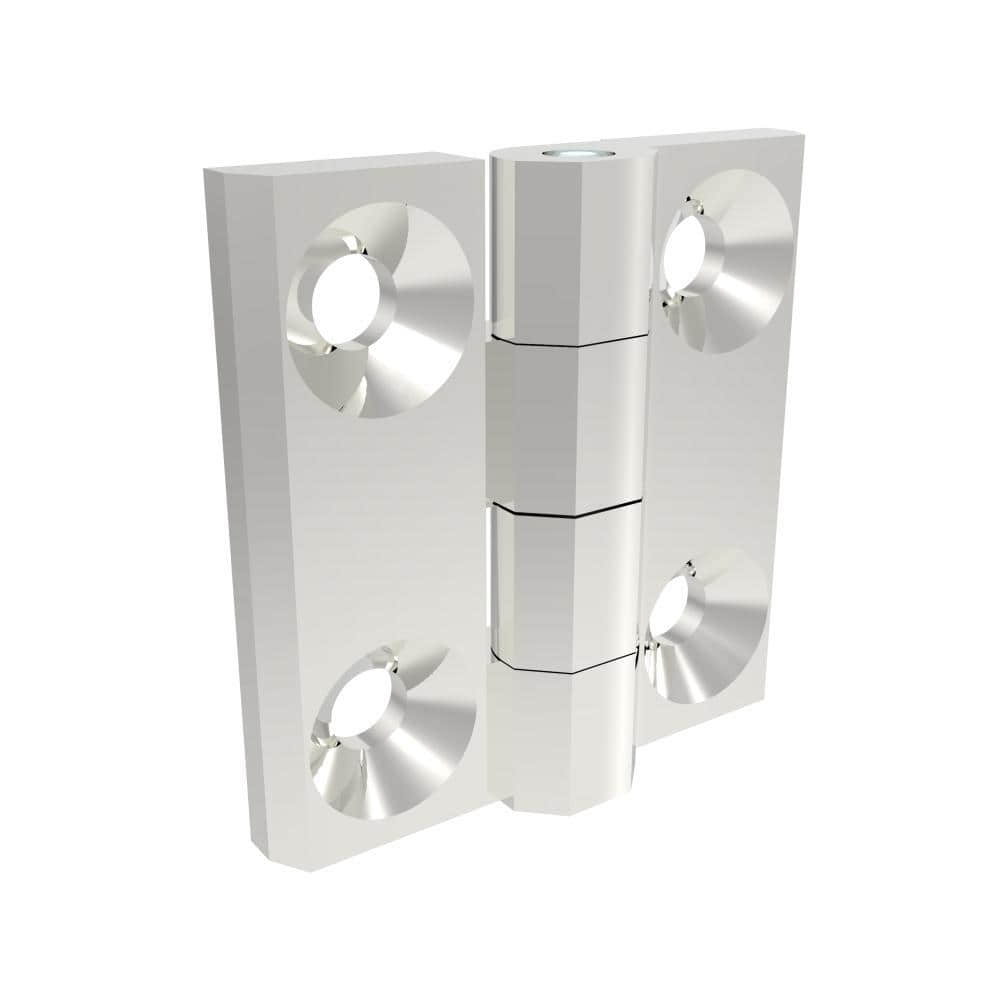
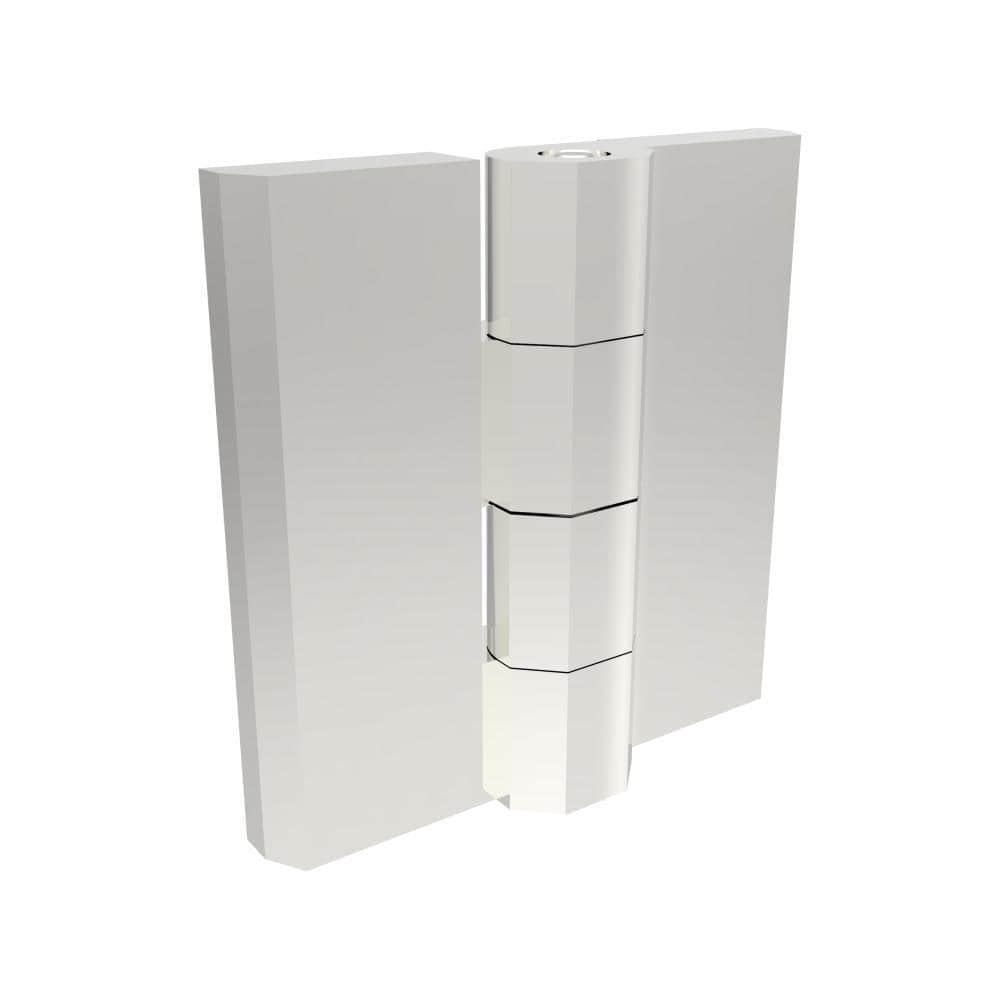
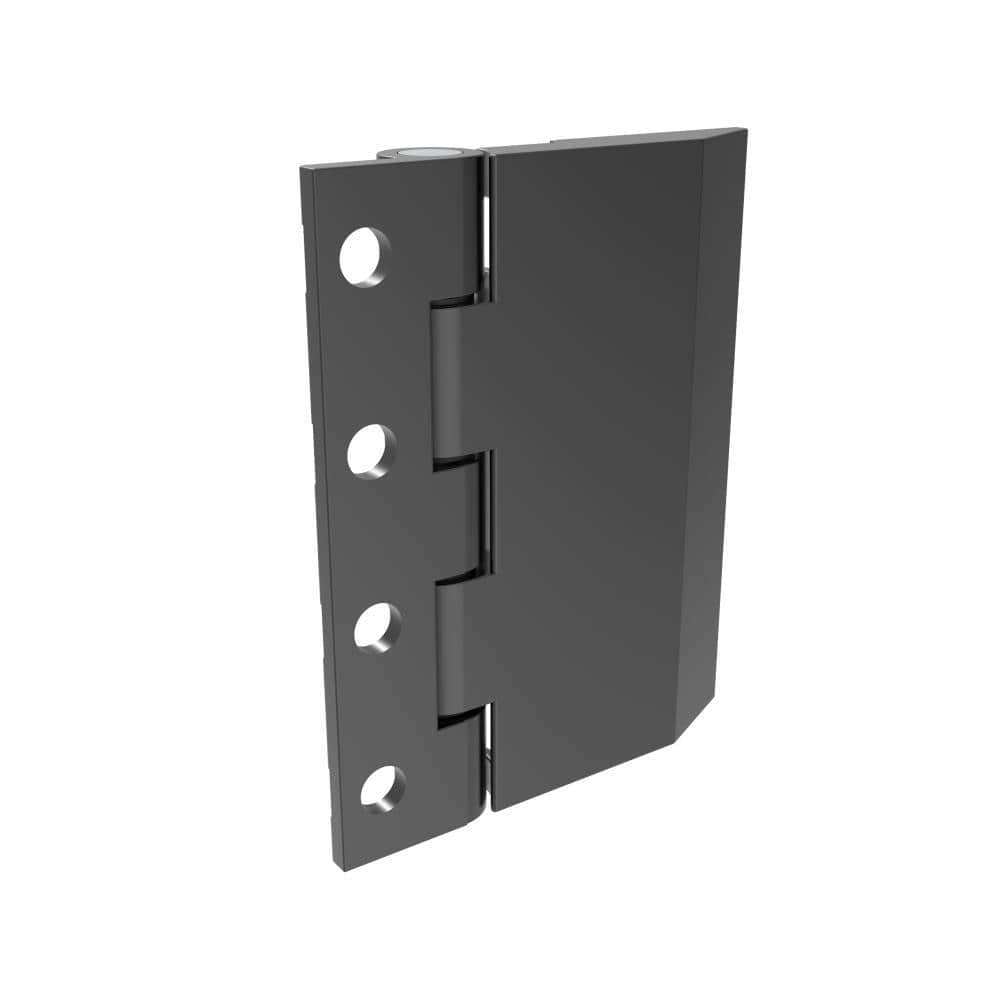
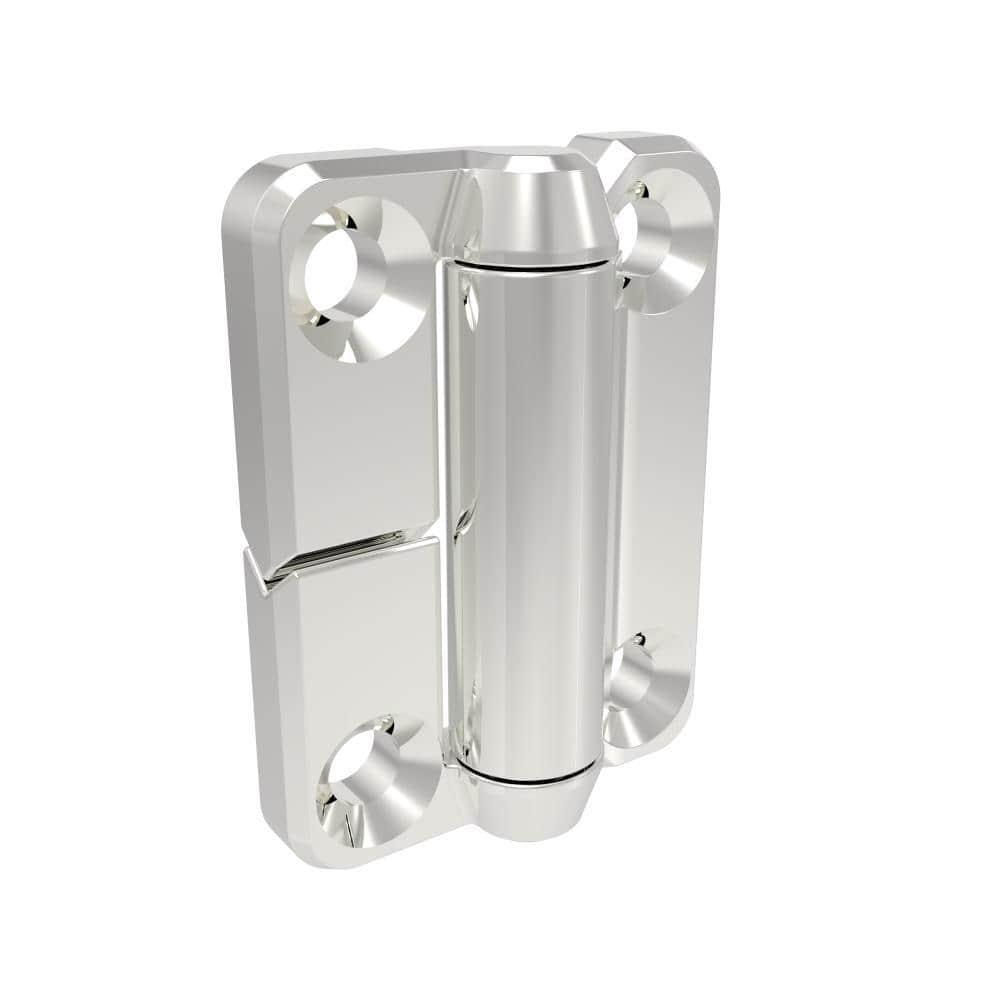
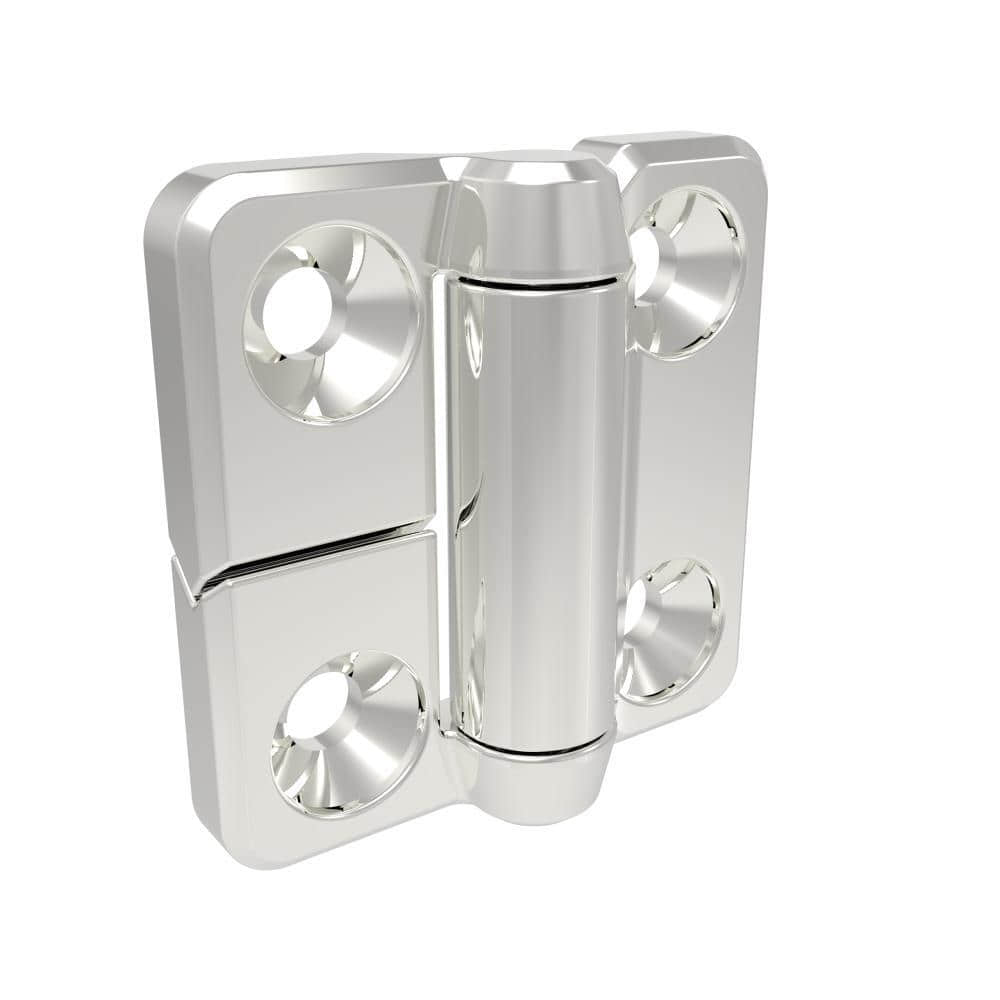
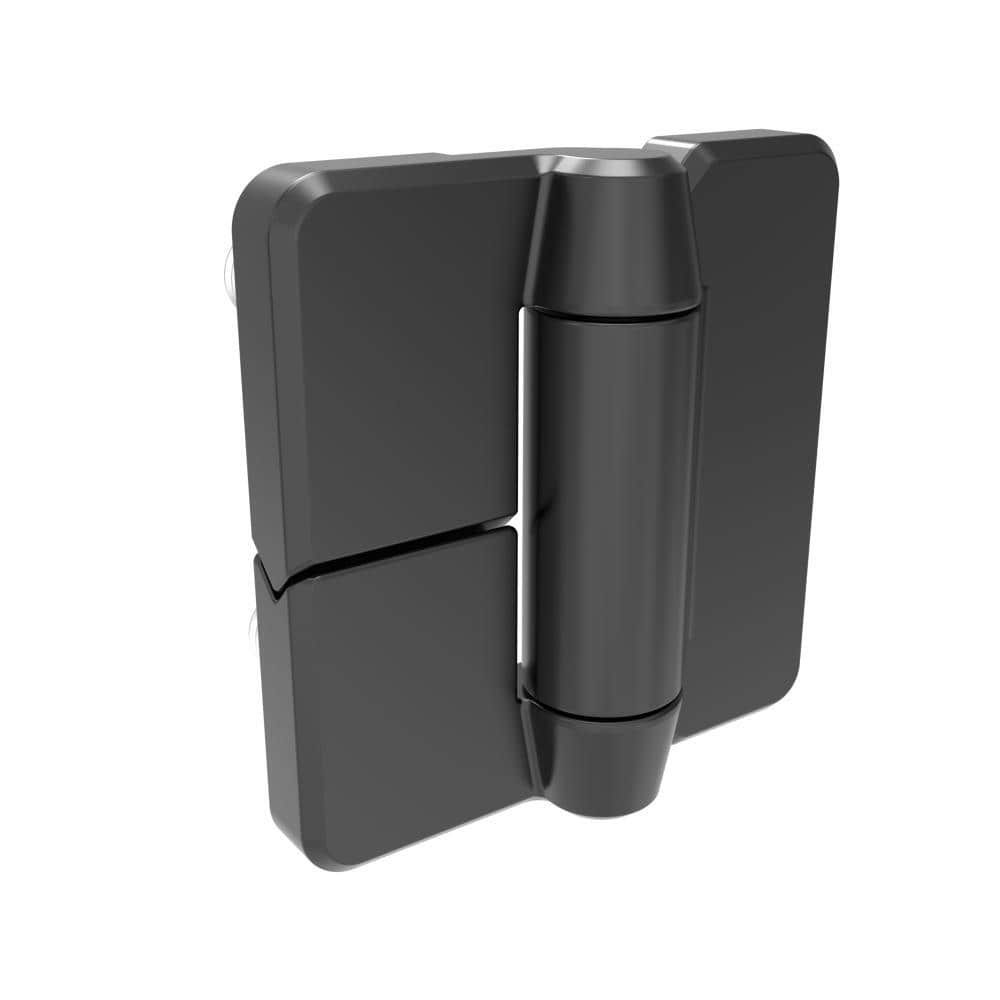
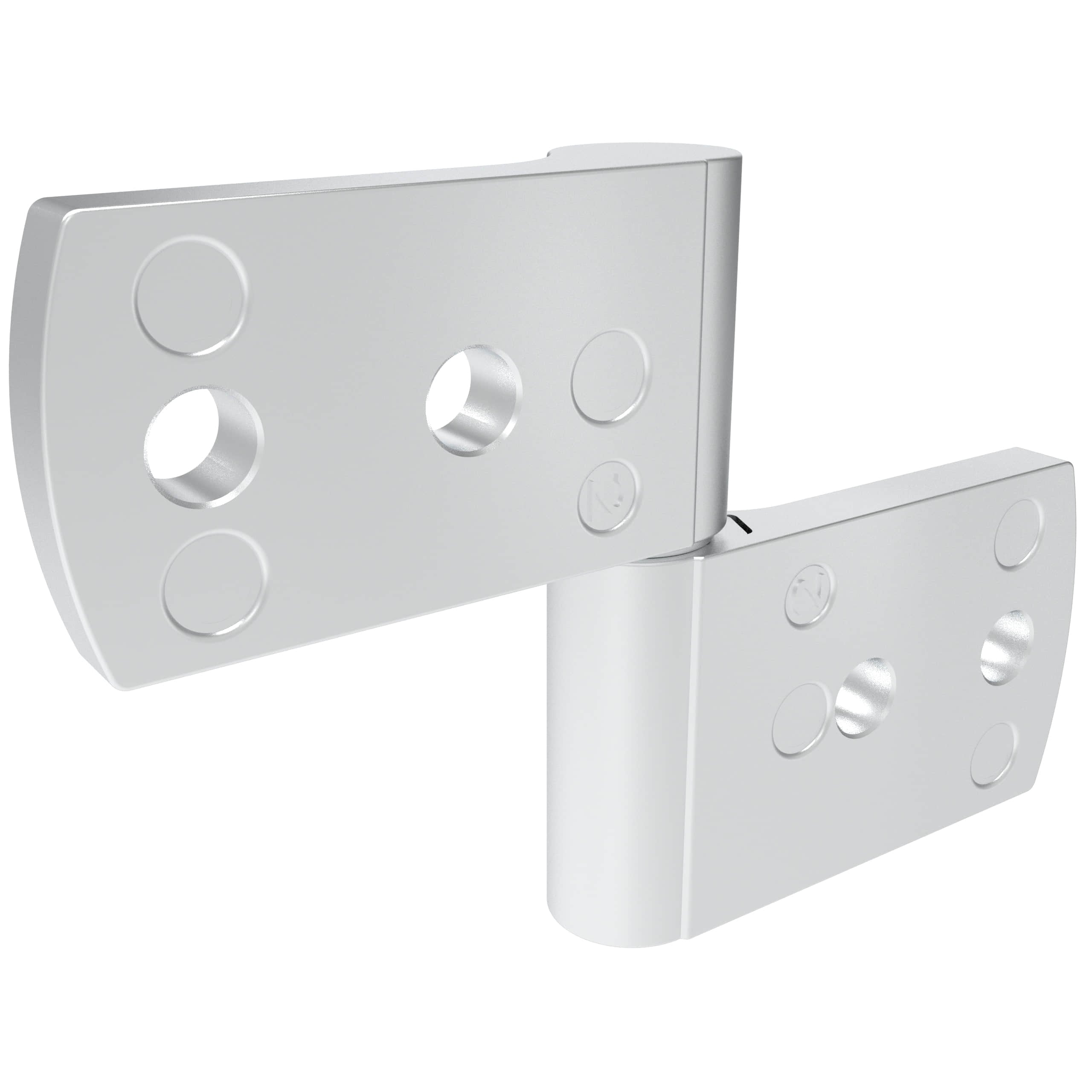
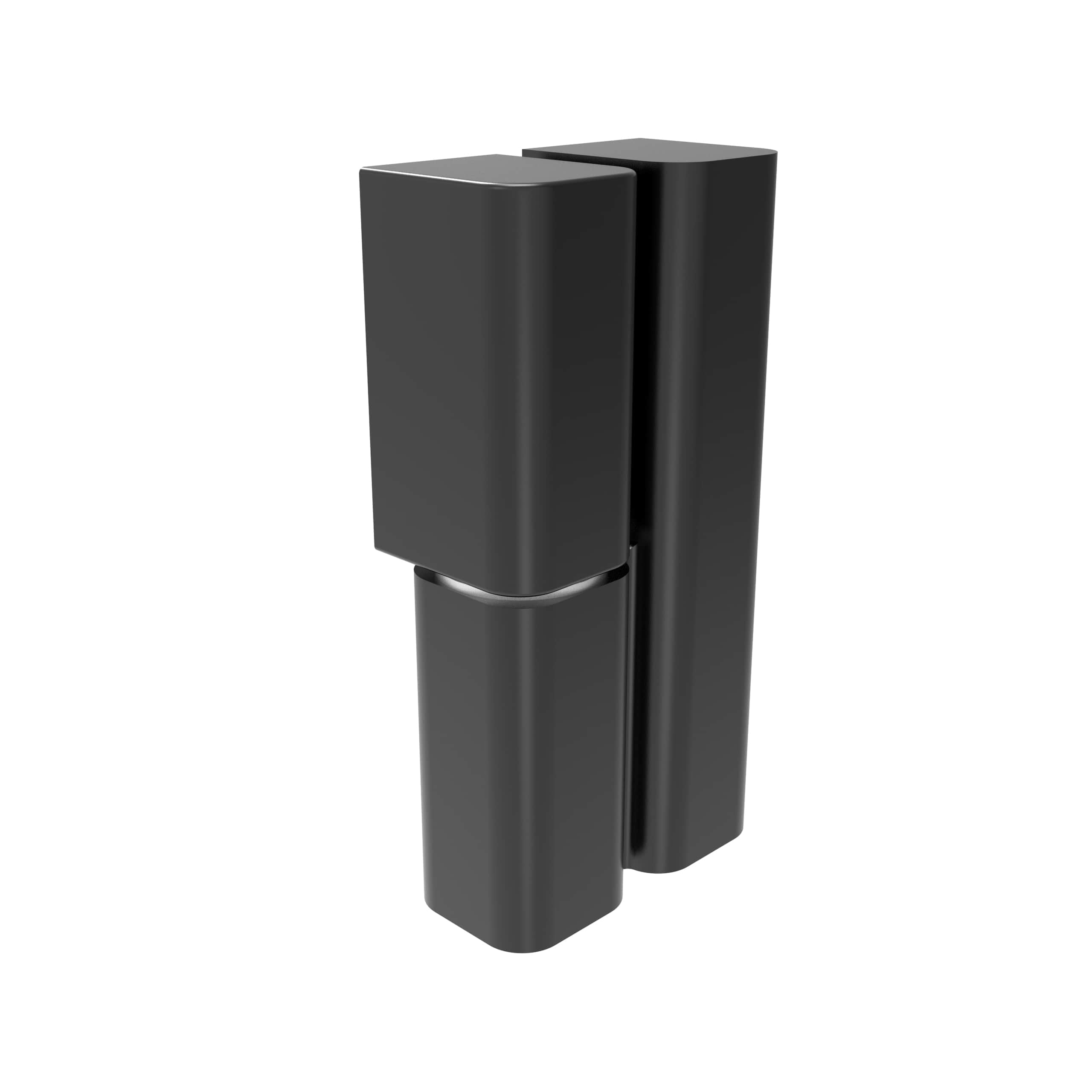
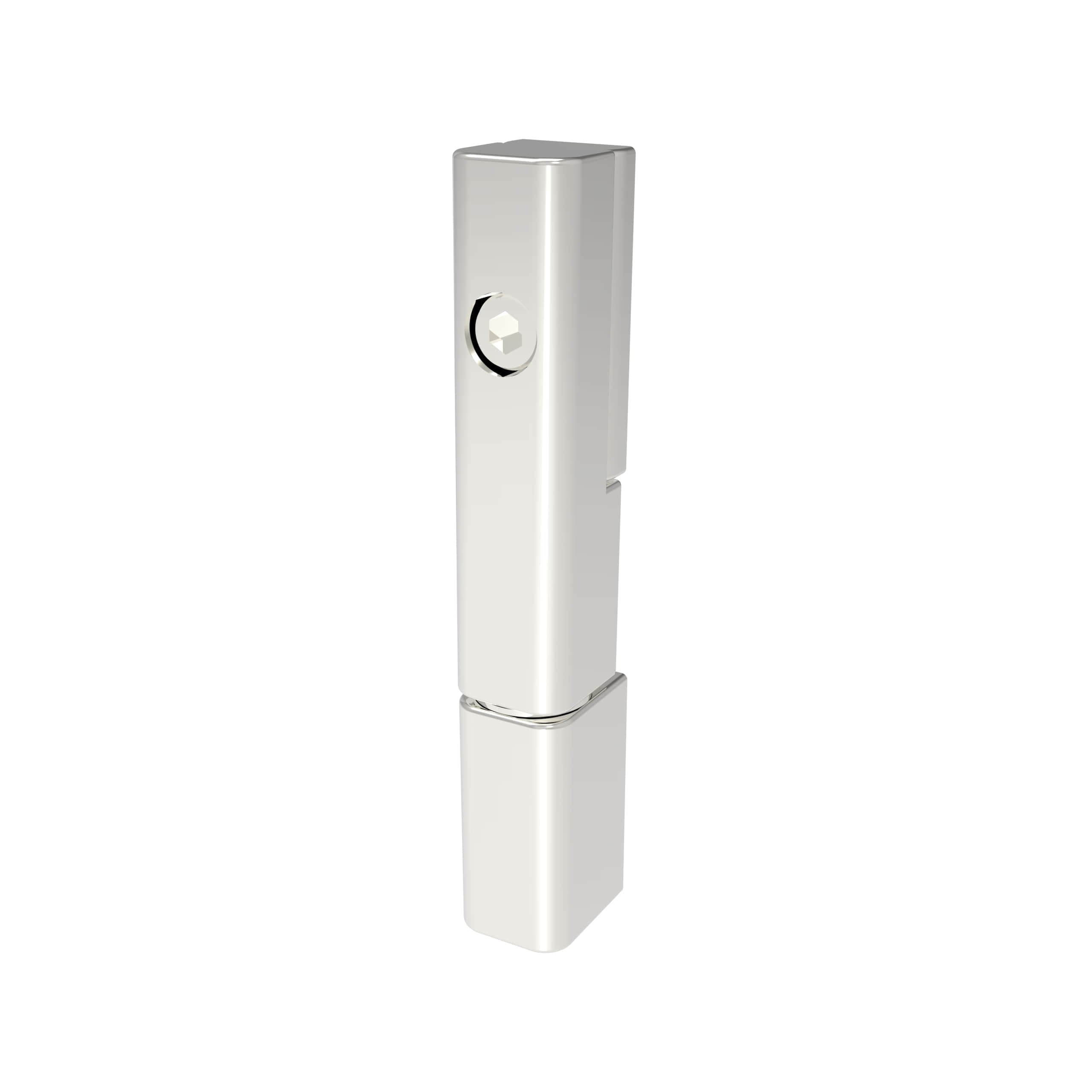
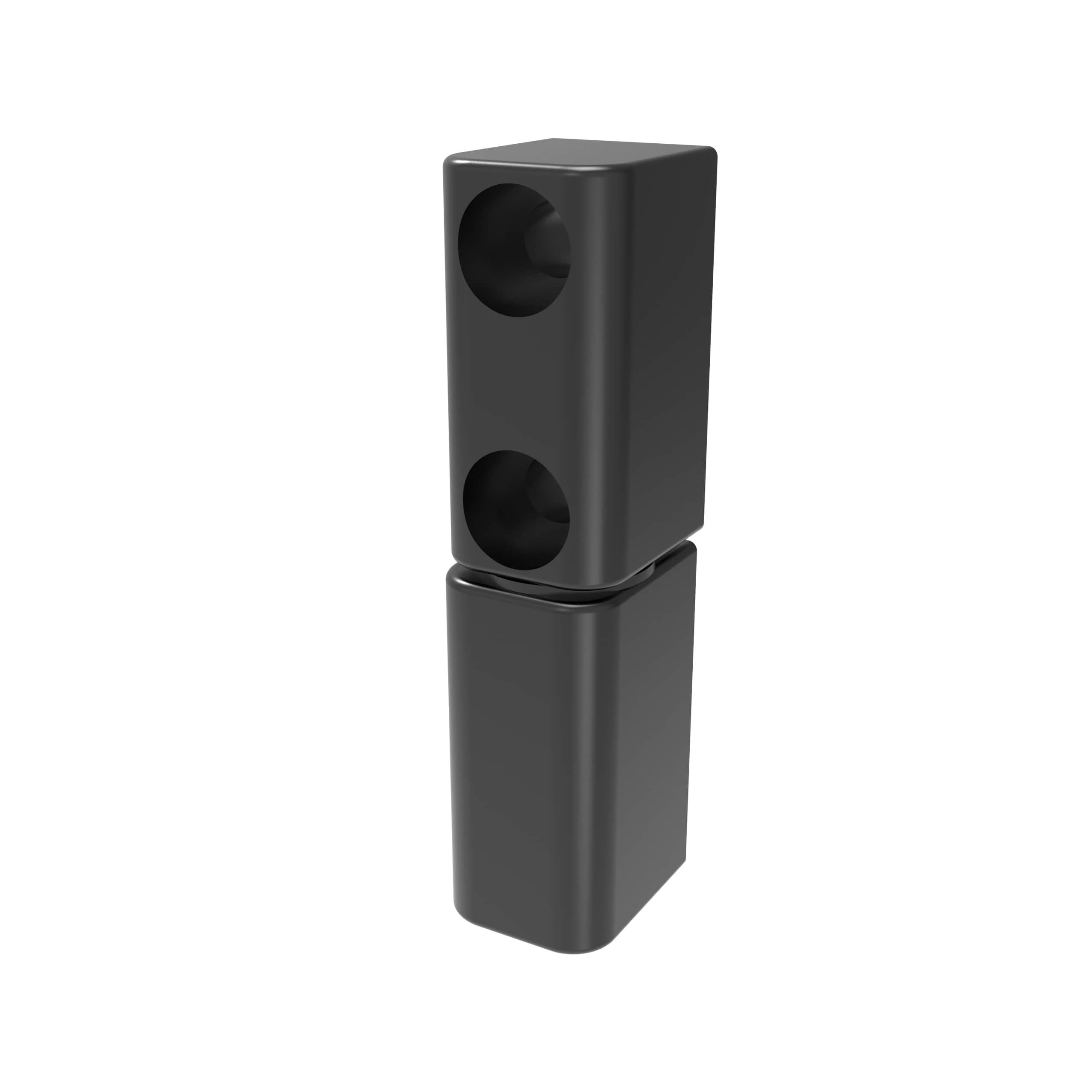
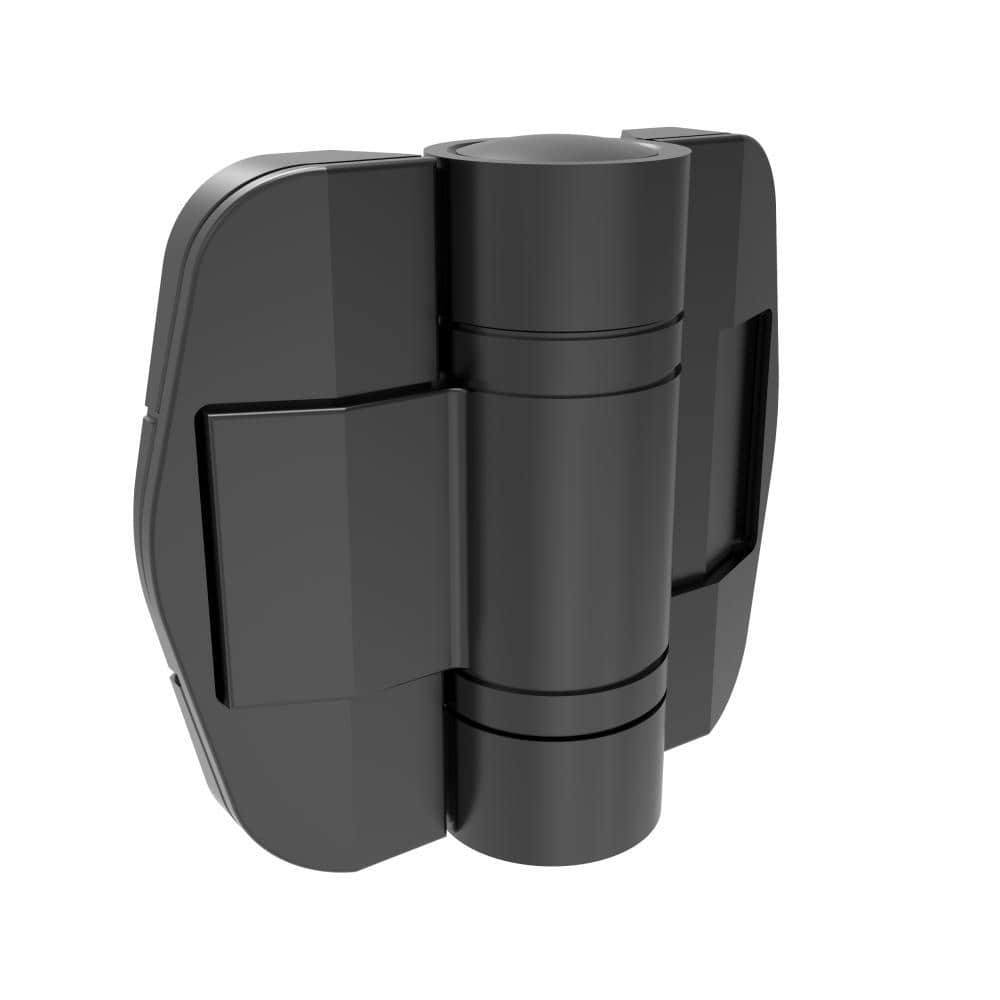
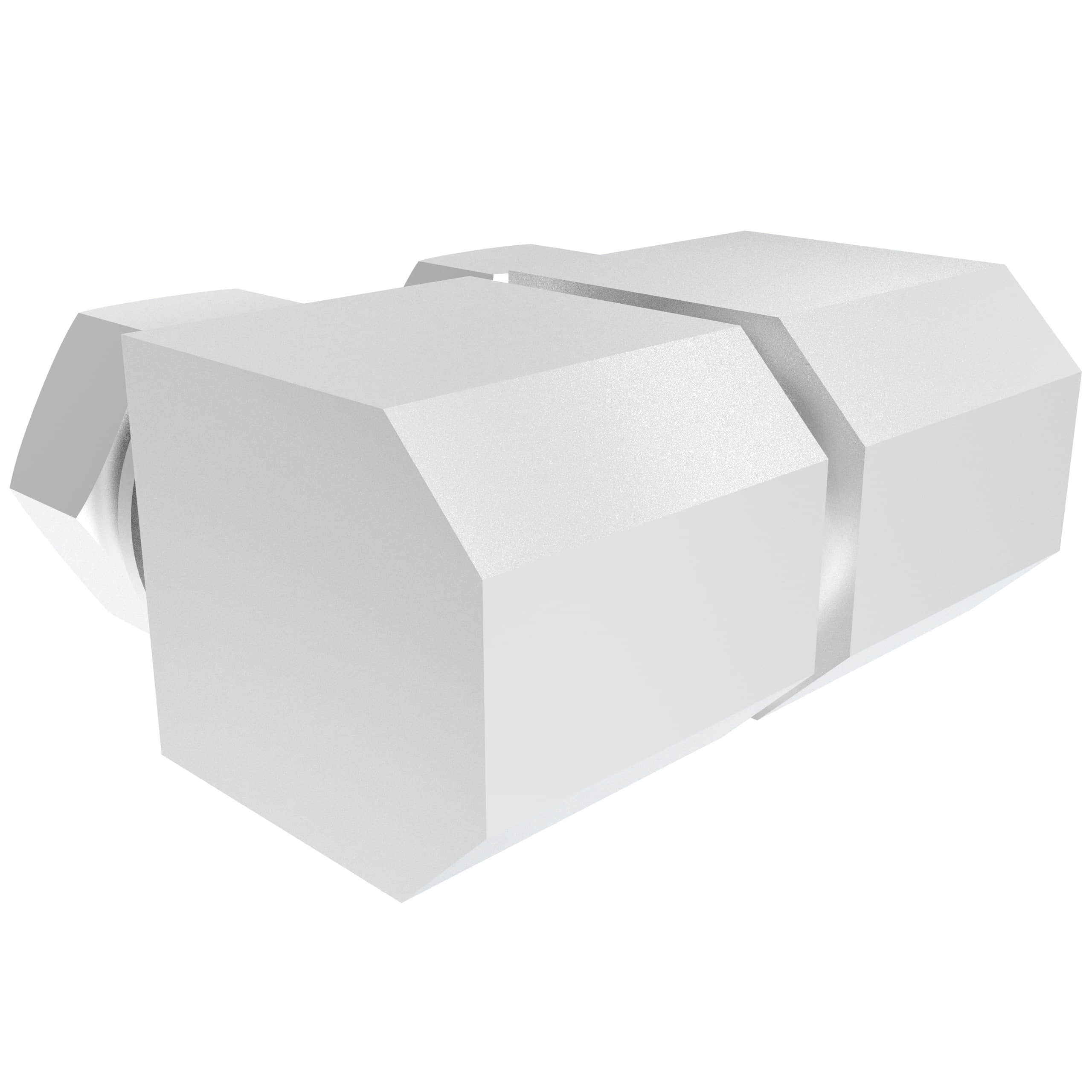
Choosing the appropriate hinge is an important step in the design process of many product applications. Generally speaking, hinges are used to join together a door, lid or panel to another panel or frame and allow movement of one relative to the other. Though it seems simple enough, there are a number of factors that must be considered when deciding which type of hinge to use in an application.
What are Hinges?
Hinges are often overlooked until the final stages of the design process. This can result in a rush to find a hinge that will offer the desired level of operation for the end-use application. In some cases, a product design project can be put on hold when the chosen hinge does not function as anticipated or fails testing. To prevent this from happening, hinges should be incorporated at the beginning of the design process to prevent costly design revisions.
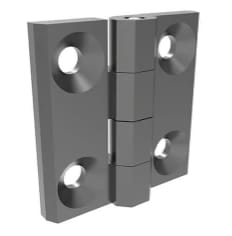
Free Swinging Hinges
Free swinging hinges are the simplest form of hinges. A simple pin or shaft creates a pivot axis. The pin or shaft is generally integrated with one leaf, which leaves the other leaf free to rotate. This system allows the door to move freely along its path from open to close, allowing the user to easily move the door to access the inner enclosure.
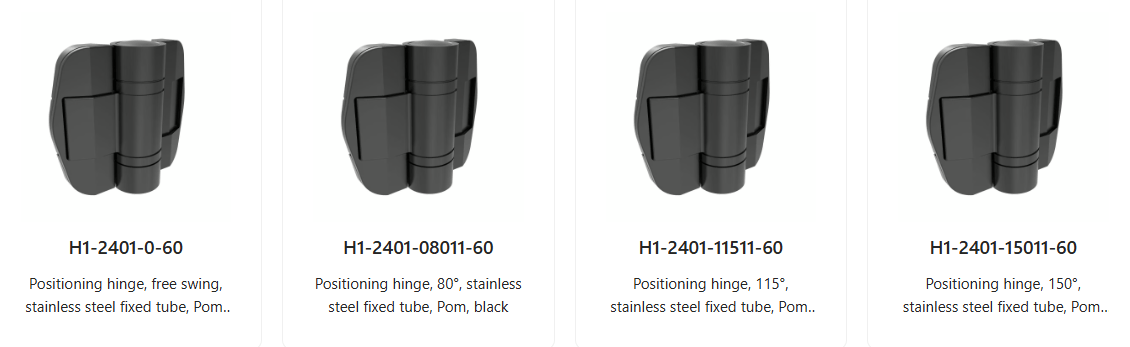
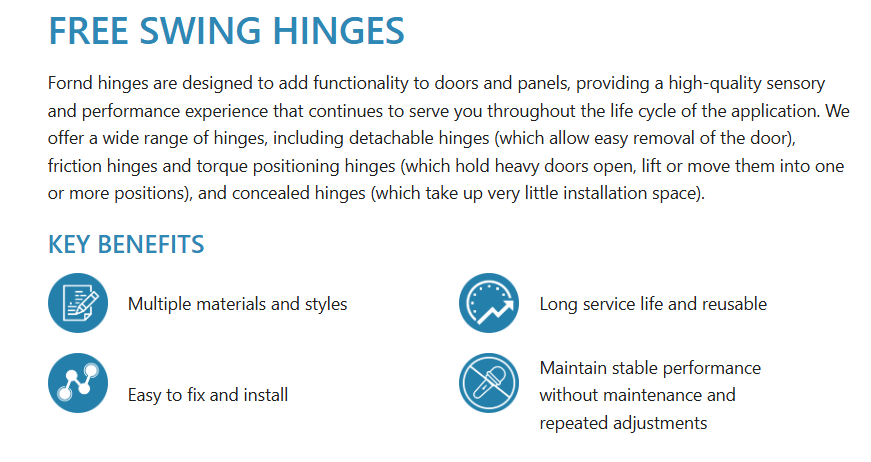
Removable Hinges
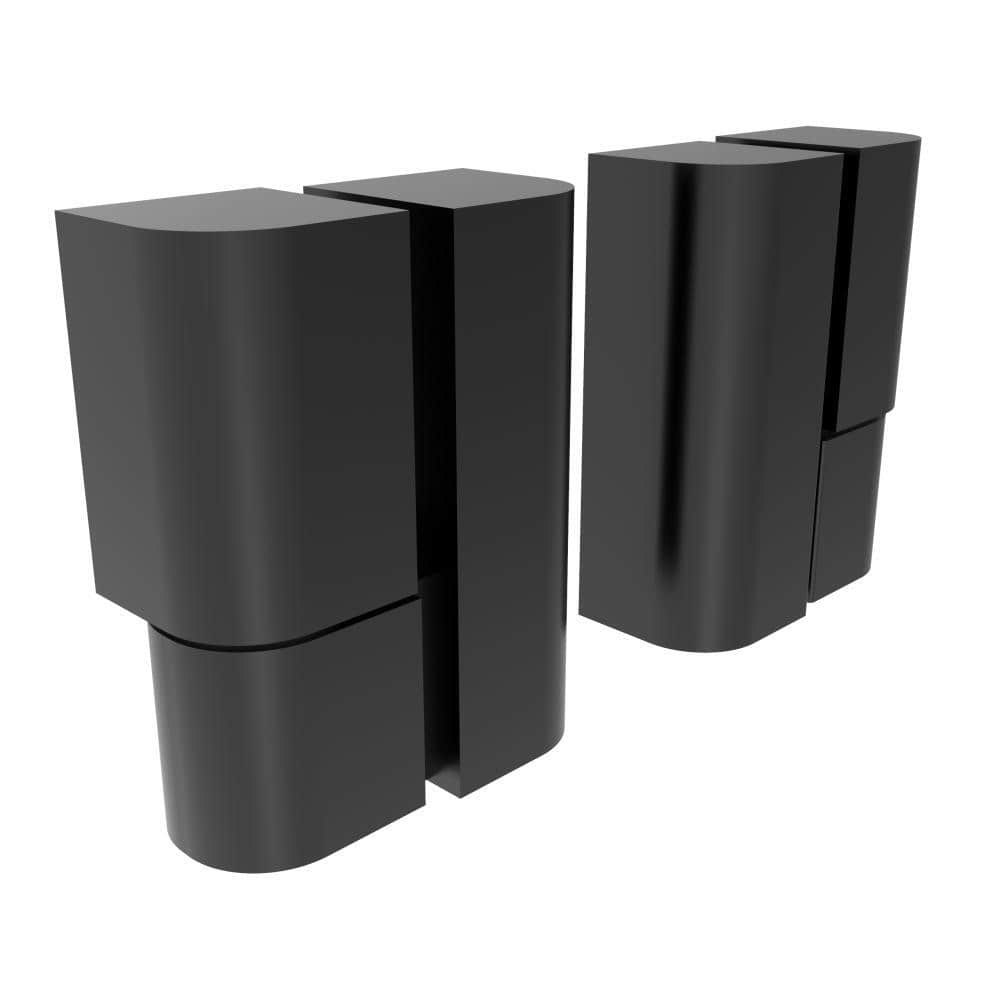
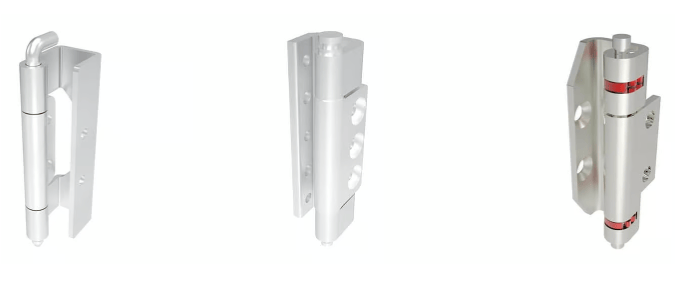
Removable hinges allow the door and hinge pin to be removed in a single motion. There are multiple applications where lift-off hinges may be utilized. If a user needs to access the interior of an enclosure, especially in tight space, removable hinges are ideal. Another example is when a product arrives at the user unassembled; removable hinges can help ensure that the user is able to assemble the product on their own.
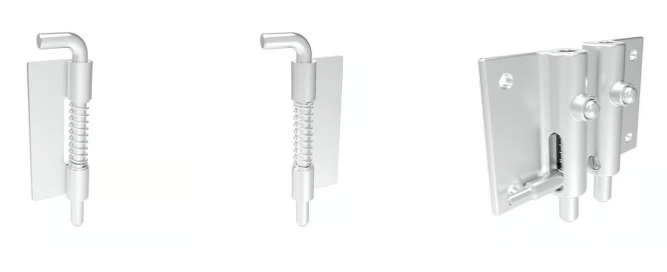
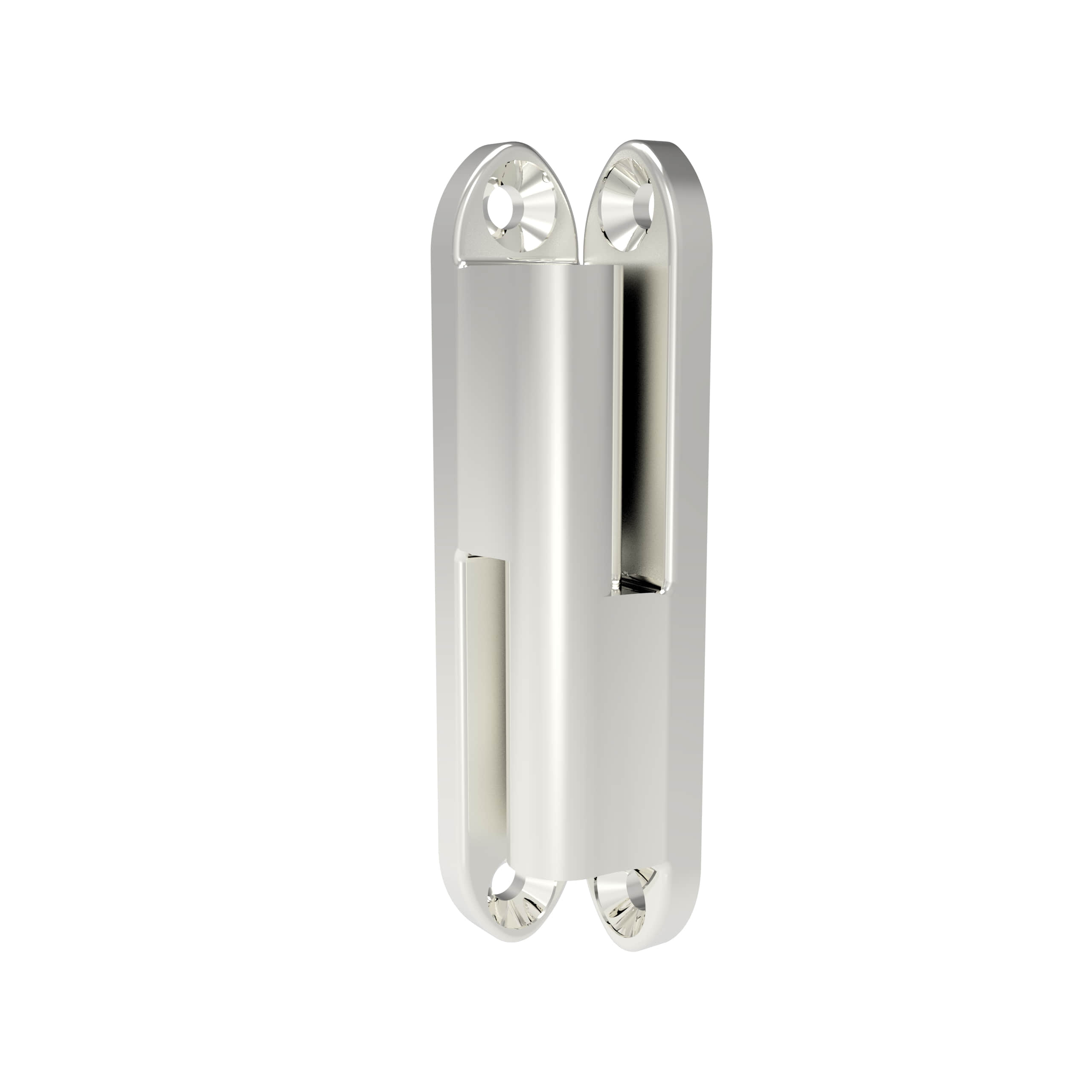
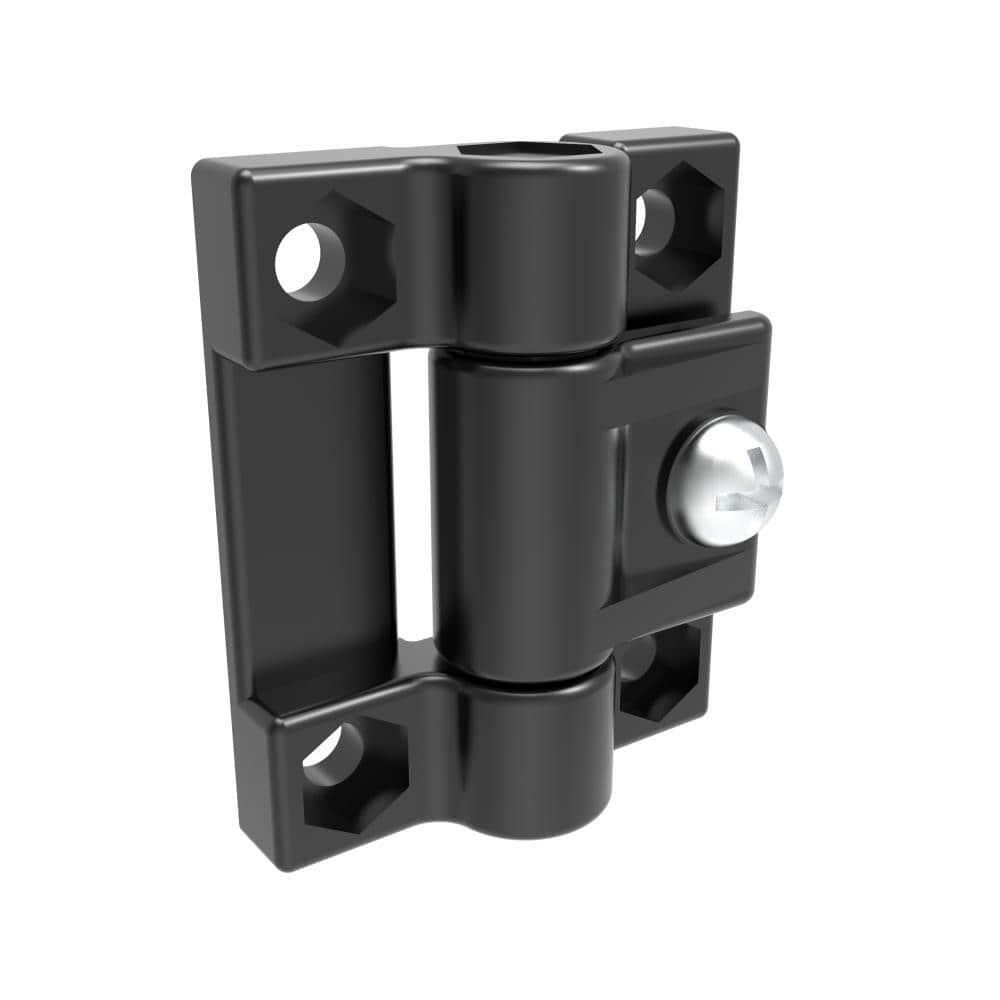
Fornd's disassembly hinges allow you to remove the door easily, quickly and safely without using any tools. Fornd offers a variety of hinges, including removable hinges (which can easily remove the door), liftable hinges, friction hinges and torque positioning hinges (which can keep heavy doors open, lift or move them to one or more positions), as well as hidden hinges (which only take up a very small installation space). The materials are 304 stainless steel (SUS304) and zinc alloy. Fornd offers a variety of hinges to meet different application needs.
Concealed Hinges
This hinge consists of two parts, the hinge cup, and the arm. Concealed hinges are also called cup or Euro hinges. Concealed hinges often take up valuable space inside of the enclosure. This can be an issue in some applications. For example, in electronic enclosures, the amount of space is limited due to the sheer number of components located inside. Concealed hinges may not work in this case. If the space inside of the enclosure is not an issue, concealed hinges are a great option for engineers wanting to hide the hardware.
Torque Hinges
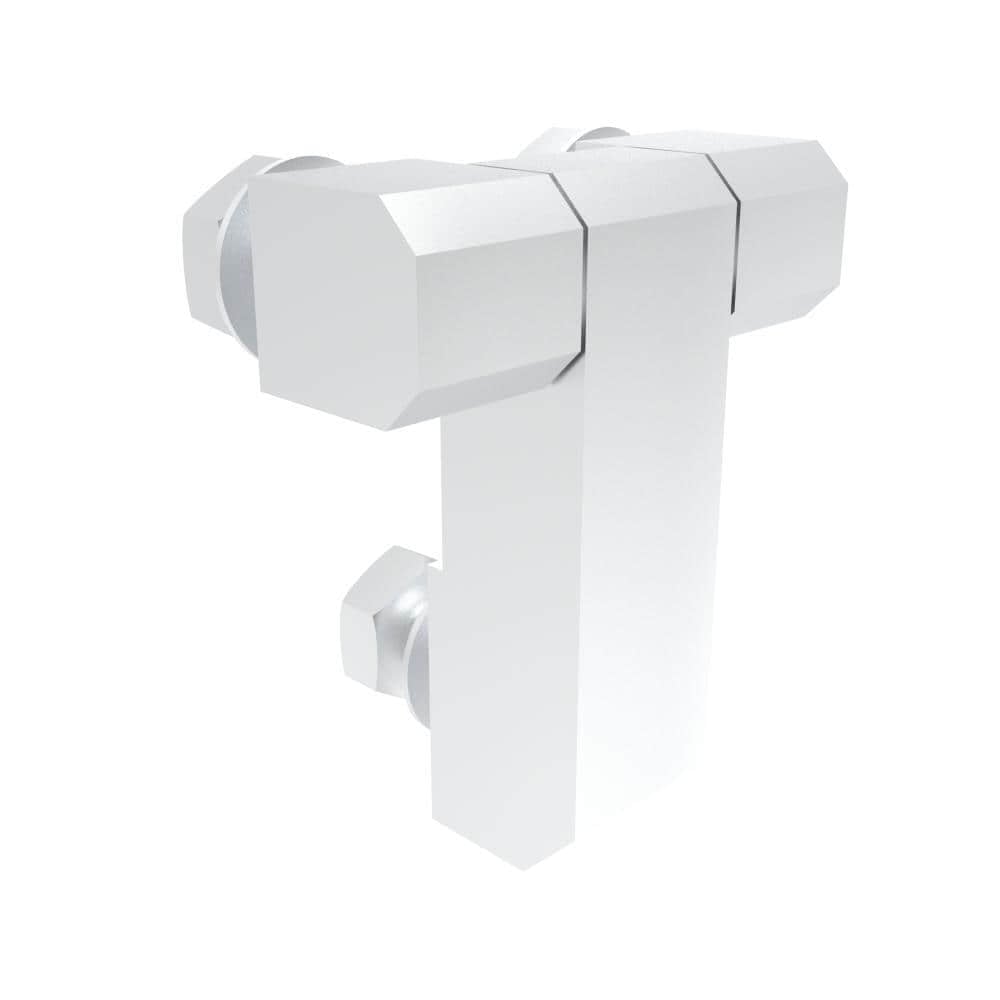
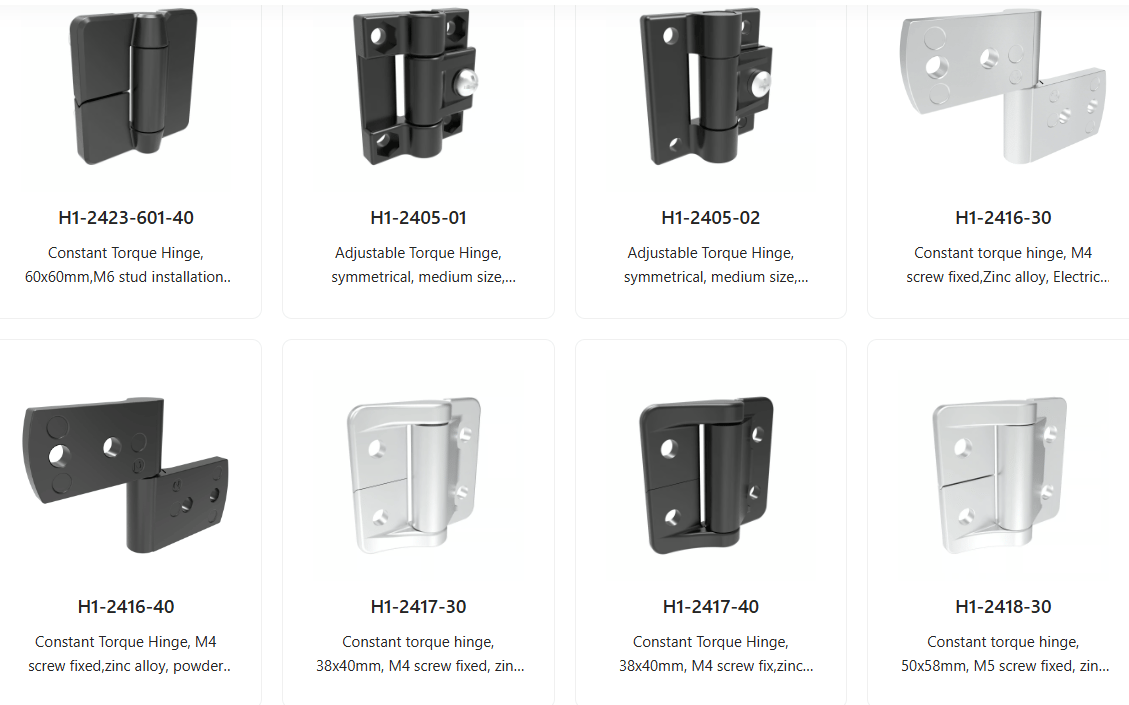
This type of hinge is designed to provide consistent resistance throughout its opening and closing motions. Constant torque hinges are known for their preset torque specifications and durable cycle life. They use friction to hold doors and flaps in any desired position. These hinges are commonly used in monitors to adjust and maintain the angle.
Posting Hinges
Posting hinges (or detent hinges) are designed to hold connected objects in place and are permanently attached to a door or frame. These hinges are used to hold the object in a certain position without any secondary support. These hinges are used in flip mobile phones also. The user can open the door and have it remain in place at a predetermined angle without the use of secondary mechanical supports, such as gas struts. Certain detent hinges can be preset by the manufacturer during the design process to open doors at predetermined angles.
Posting hinges function by using a metal or an elastomer spring component that exerts force inside the hinge, providing the detent. The detent mechanism is housed and hidden inside the hinge. Detent hinges can provide hands-free access to users with a variety of positioning torques for different applications.
Counterbalance Hinges
There are some situations where users may struggle to safely open a lid or panel due to its weight or size. Gas struts may be used in this case, but there are applications where they take up too much space or cannot hold the weight of the panel. In these applications, counterbalance hinges could be more effective option. Counterbalance hinges utilize spring energy to help the user to open the lid.
Compression or torsion springs can be utilized depending on the available space and hinge design. The spring will apply force to help the user properly lift the lid. As a result, large, heavy lids that weigh hundreds of pounds can be easily and safely opened and closed by the end user.
About Fornd
Fornd in 2012 and headquartered in Xuzhou City, Jiangsu Province, China, Fornd is a prominent manufacturer specializing in industrial hinges. As one of the leading companies in the field, Fornd has gained a reputation for excellence both domestically and internationally. If you have a need to purchase hinges, please welcome to visiting our official website for more information: https://fornd.com.